Dashiqiao Hutong in Beijing: The Ming Dynasty Nianhua Temple by Shichahai and Old Beijing Life
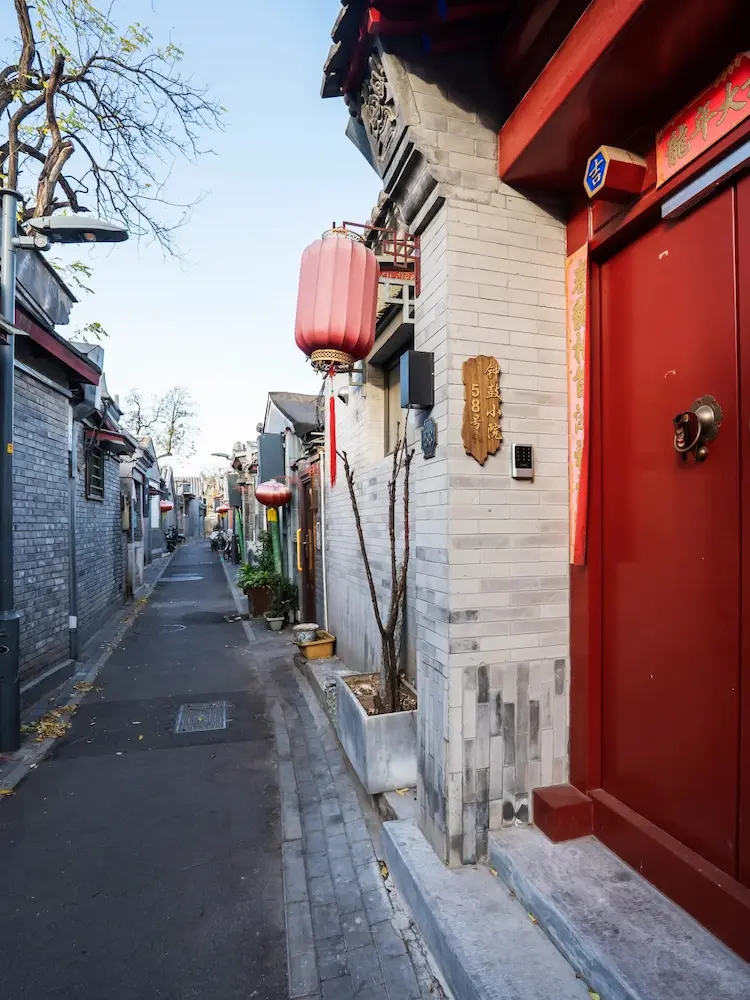
Dashiqiao Hutong sits next to the Shichahai–Drum Tower area, offering a respite from the crowds on Yandai Xiejie and Nanluoguxiang. It is an old hutong where residents still live, and its main attraction is the former site of Nianhua Temple.
⚠️ Important Note: The temple complex itself is currently closed to the public; visitors may only view the exterior of the building from the public streets within the hutong. This article explains the hutong’s history, suggests a walking tour route, and outlines what you can see and how to connect with nearby attractions.
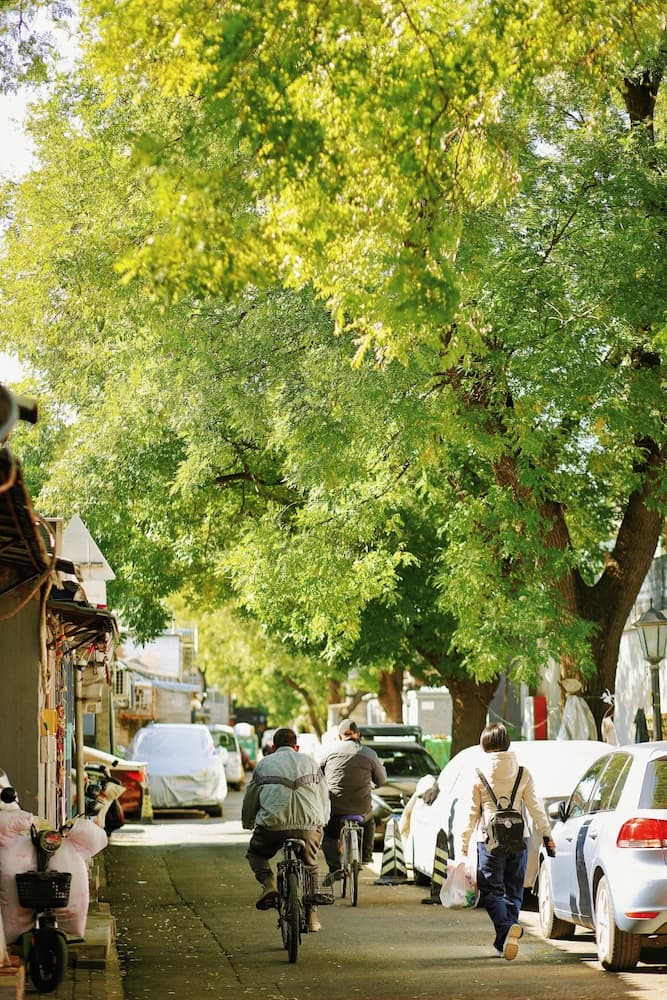
Table of Contents
Tour Overview (Feel free to take a screenshot)
| Information | Notes |
| Main Highlights | The atmosphere of Dashiqiao Hutong’s alleys and lanes; the exterior of the former site of Nianhua Temple; an urban landscape where traditional residences coexist with modern housing |
| Ideal For | Hutong City-Walk enthusiasts; visitors interested in Beijing’s cultural heritage and history; those who enjoy quiet strolls |
| Estimated Time | Approximately 30 minutes on foot; including time for taking photos and pausing to observe the historical surroundings, we recommend setting aside 45–60 minutes |
| Current Status of Nianhua Temple | The interior of the temple is not open to the public; visitors may only view the exterior walls and signage from the public areas of the hutong. Please do not trespass onto the temple grounds |
| Combined Itinerary | Can be combined with a walking tour of Drum Tower, Old Drum Tower Street, Shichahai, Houhai, and Yinding Bridge |
Where is Dashiqiao Hutong? A Quiet Hidden Gem by Shichahai
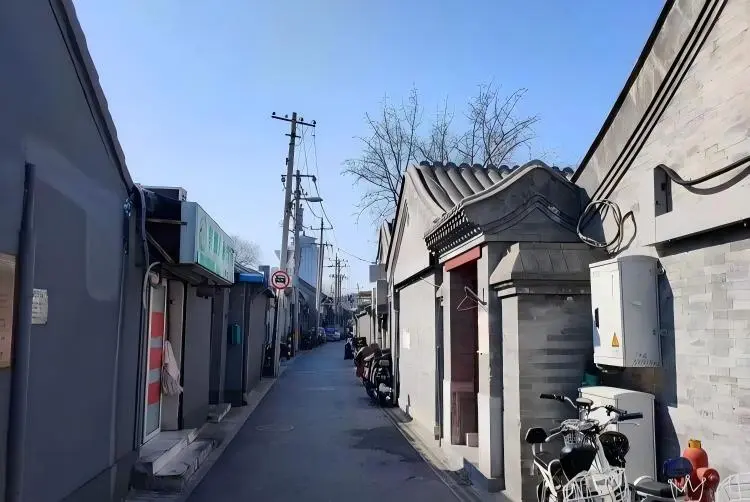
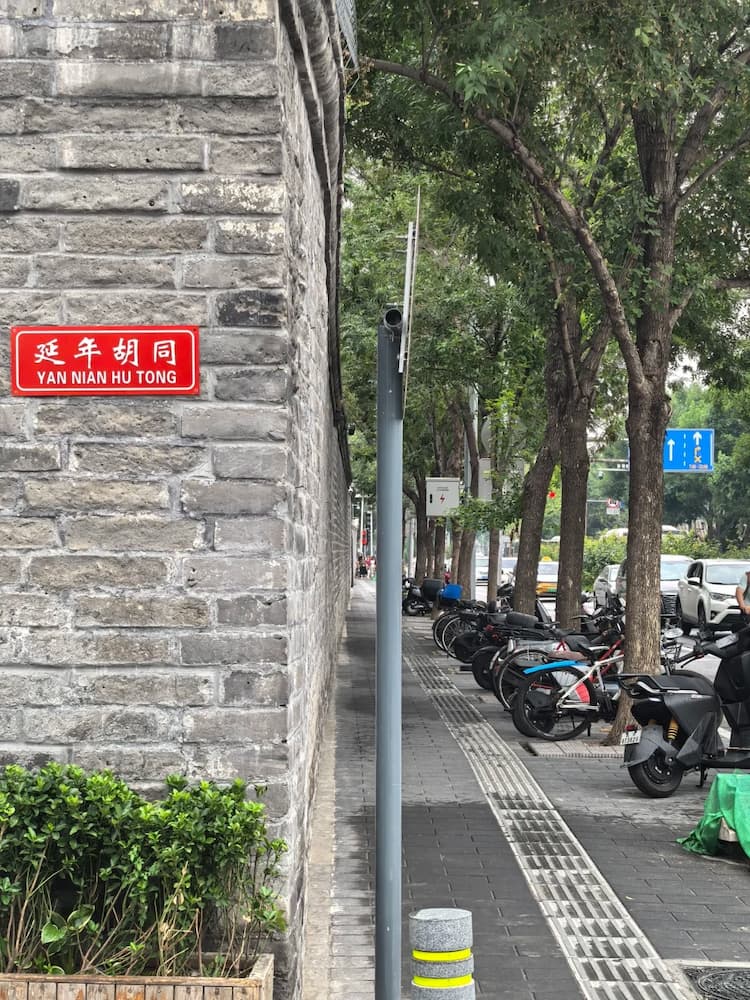
Dashiqiao Hutong is located on the west side of Old Gulou Street, within walking distance of Gulou and Shichahai. It begins at Old Gulou Street in the east and ends at a dead-end alley in the west, intersecting with Shuangsi Hutong and Bifeng Hutong along the way.
Compared to Nanluoguxiang and Yandai Xiejie, this area sees far fewer tourists. The streets are gentle and even, making it ideal for pushing strollers or taking elderly relatives for a walk—it’s a lesser-known walking route around Shichahai.
The Story Behind the Name: Which Bridge Is “Dashiqiao” Referring To?
During the Qing Dynasty, this area was known as “Dashiqiao,” and in 1965, it was officially named Dashiqiao Hutong. Although the ancient stone bridge itself is no longer visible today, the place name has been in use for hundreds of years.
Historical records indicate that the residences of high-ranking officials once stood here during the Qing Dynasty. Currently available public records do not explicitly identify the names of these officials or the exact locations of their courtyards; today, the original site has been transformed into ordinary residential courtyards, where traces of history have blended into everyday urban life.
The Hidden Ancient Temple: Nianhua Temple
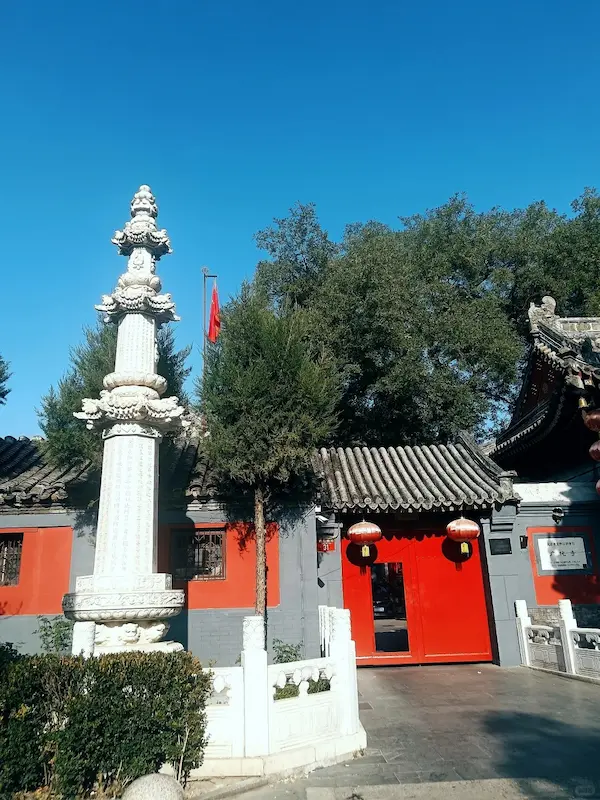
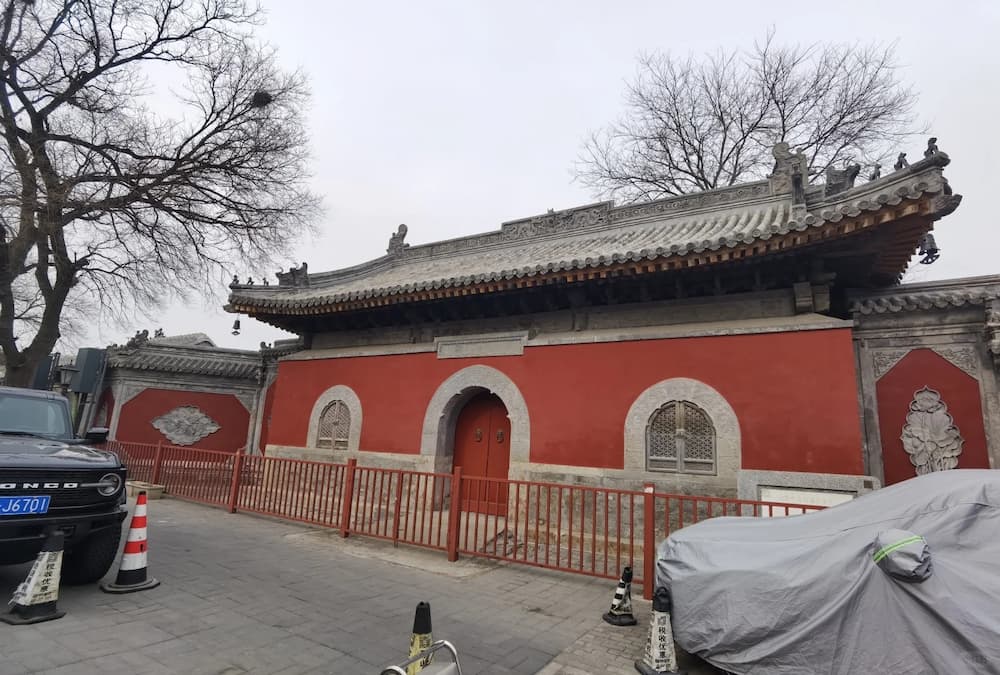
Compound No. 61 in the hutong is the former site of Nianhua Temple. The temple was first built in the ninth year of the Wanli reign of the Ming Dynasty (1581). During the Ming Dynasty, eunuch Feng Bao, acting on the orders of Empress Dowager Xiaoding, constructed it for the Sichuan monk Pianrong. It was originally named “Hu Guo Bao En Qian Fo Chan Si” (Temple of a Thousand Buddhas for Protecting the Nation and Repaying Gratitude), commonly known as Qianfo Temple.
According to official cultural heritage records from Xicheng District: In the 12th year of the Yongzheng reign of the Qing Dynasty (1734), the temple was rebuilt by imperial decree and bestowed the name “Nianhua Temple,” a name that has been in use ever since.
The Temple’s Transformations Through the Ages
This ancient temple has undergone numerous transformations over the more than a century that followed:
- 1926: Nianhua Temple Primary School was established on the temple grounds. Young monks here studied both Buddhist scriptures and Chinese literature.
- The claim that Wu Peifu’s coffin remained in the Temple of the Martial Saint within the temple for seven years has been circulating in some historical and literary essays; there are currently no authoritative official historical records to confirm this detail, so it is provided solely as a historical anecdote and should not be regarded as established historical fact.
- After 1949: The temple was taken over by Renmin University of China and successively served as the campus for the university’s affiliated middle school, and later a printing house. During this period, the Mahavira Hall, the temple’s main hall, was demolished and rebuilt into a factory building.
- Records indicate that there are documents detailing the relocation of the bronze statues from the Hall of a Thousand Buddhas in the 1950s; however, complete and detailed information regarding their specific destinations is not available in publicly accessible official archives and is provided for reference only.
- 2014 to present: The temple was relocated, and a large-scale restoration project was launched. Currently, the heritage site is under renovation and temporarily closed to the public, with a sign of the Buddhist Association hanging at the entrance.
Dashiqiao Hutong Today: Ancient Temple Standing Beside High-Rises
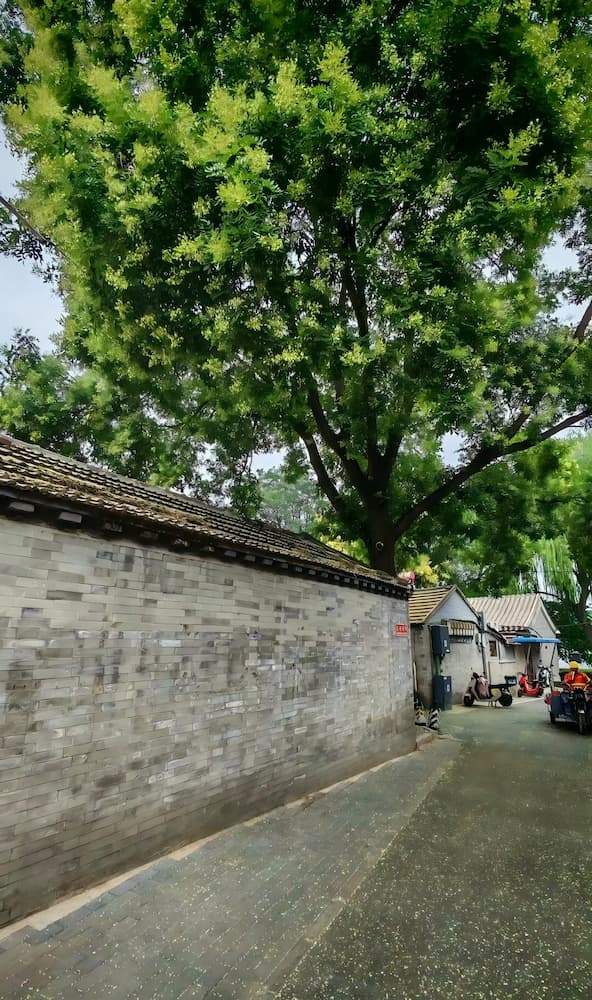
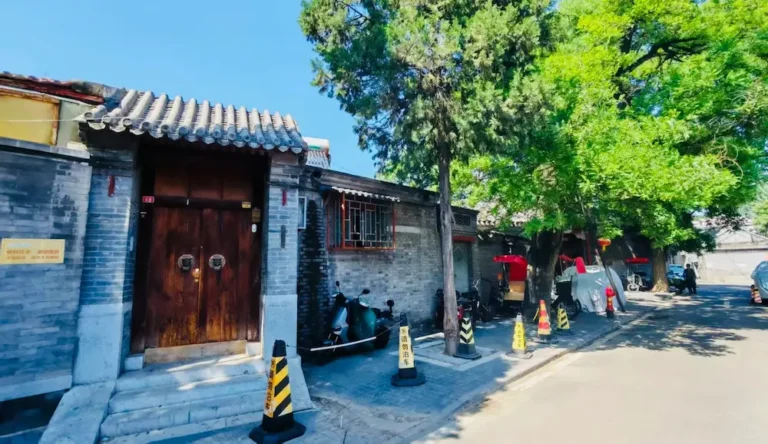
Some of the old courtyards in the middle section of the hutong have been demolished to make way for a modern residential complex.
As a result, the hutong’s landscape is quite distinctive: on one side stands the historic site of Nianhua Temple, currently undergoing restoration, while on the other side are contemporary apartment buildings, creating a tapestry of old residences, cultural heritage sites, and modern housing.
Field Observation Details
These details can be found in many old hutongs. Below are key points specific to Dashiqiao Hutong:
- As you turn into the hutong from the bustling Old Gulou Street, the atmosphere immediately shifts from noisy to quiet, allowing you to experience the transformation of the urban space;
- Upon arriving at No. 61 Nianhua Temple Courtyard, you may only observe the courtyard walls and gate signs from the public sidewalk; do not approach or enter the courtyard;
- Along the way, you’ll see the gateways of old residential courtyards coexisting side by side with newly built homes, offering a clear view of the traces of the old city’s renewal and renovation;
- Some residents have spontaneously planted flowers and plants in front of their homes, which is a common scene of local daily life.
Note: Hutongs are residential areas. Please do not take photos directly into residents ’homes, and do not linger for extended periods at residents’ doorways.
Blogger’s Personal Guide | Da Shi Qiao Hutong Walking Route
Route Guide:
- Exit at Gulou Dajie Station on Subway Line 8 → Walk to the entrance of the alley on the west side of Old Gulou Dajie
- Enter Dashiqiao Hutong and stroll westward
- View the residential buildings along the way, and stop to observe the Nianhua Temple from the outside
⚠️ Walking west to the end of the alley leads to a dead end; you’ll need to take a detour via Shuangsi Hutong or Bifeng Hutong—which intersect partway along the route—before continuing on foot to Shichahai, Houhai, and Yinding Bridge.
Note: The western end is a dead end; there is no direct, straight path leading to Houhai, so you’ll need to take a detour via the adjacent cross alleys.
Estimated time: About 30 minutes for walking only; allow 45–60 minutes if you plan to take photos and stop to admire the historic surroundings.
Practical Tips
- Location: West side of Jiugulou Street in Xicheng District, near Gulou and Shichahai
- Admission: Open-access urban hutongs and alleys; free and accessible on foot at any time; The Nianhua Temple grounds are not open to the public, and there are no tickets for interior tours
- Best for: Hutong city walks, urban cultural photography, strolling through the old city, and family outings
Tips: Do not trespass onto temple grounds; respect the daily lives of local residents by avoiding loud noises and refraining from photographing residents’ private indoor spaces.
Photography Tips: The play of light and shadows on walls and trees is best captured in the side lighting of a sunny afternoon; however, since the hutongs are residential areas, there’s no need to time your visit specifically for this time of day.
A Single Hutong, A Three-Dimensional History Book
The value of Dashiqiaoiao Hutong does not lie in the intact preservation of a static, ancient street. Here, you can clearly see the remnants of an ancient Ming Dynasty temple, Qing Dynasty official residences, Republic of China-era school buildings and factory facilities, and contemporary residential communities—layers of history overlapping within the same urban space.
It showcases the true interplay between cultural heritage preservation, urban renewal, and the daily lives of ordinary residents in Beijing’s Old City.
After exploring Dashiqiaoiao Hutong, where should you go next?
- Shichahai and Yinding Bridge Tour Guide
- Beijing’s Old City Hutongs: City-Walk Special Feature
- Travel and Sightseeing Guide for the Drum Tower Area
Author’s Note: This article is based on on-site visits and publicly available cultural heritage records from Xicheng District. The restoration and opening status of Nianhua Temple are subject to change; please check on-site conditions before visiting.