The Ultimate Guide to Beijing’s 798 Art District: From Factory to Cultural Landmark
In northeast Beijing lies a unique place where old factories and modern art blend seamlessly. Amidst crumbling red brick walls and rusted steel pipes stand stylish galleries and creative graffiti—this is the 798 Art District.
Transformed from an old electronics factory complex into a major landmark for contemporary Chinese art, it draws visitors, art enthusiasts, and families from around the globe. This guide will unveil the mysteries of 798 and show you how to experience it like a local.
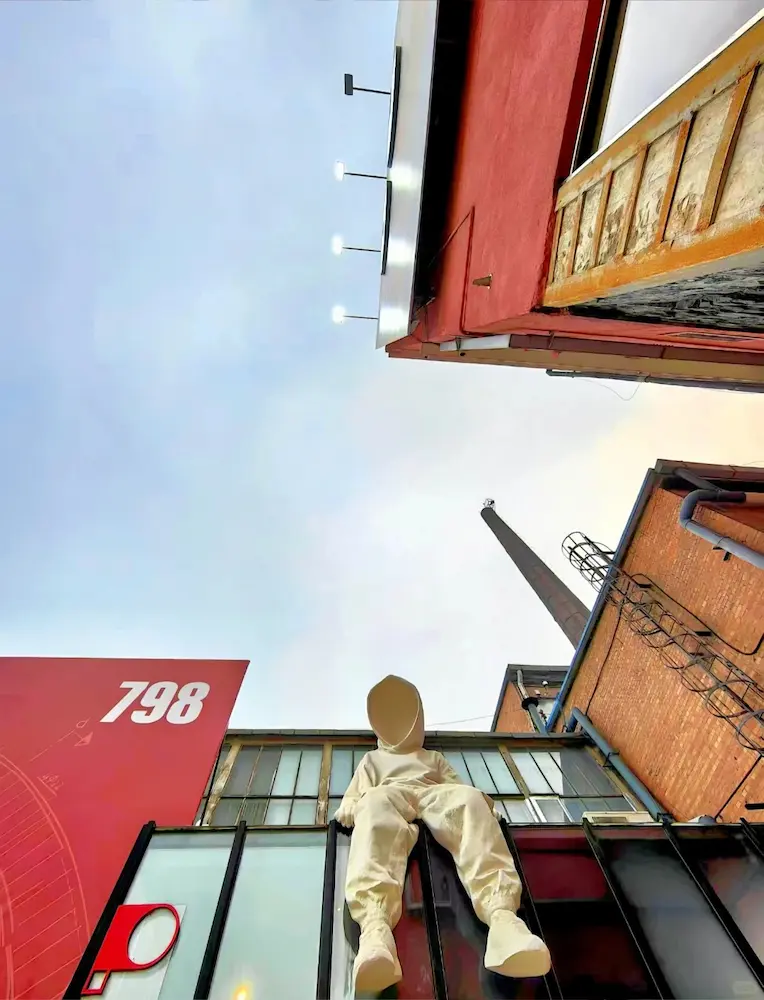
Table of Contents
The Story of 798 Art District: From Factory to Art Hub
The story of 798 began in the 1950s.
- Factory Era (1950s–1990s): This area once housed several state-owned electronics factories, including Factory 798. Designed by East German architects, the buildings embody the Bauhaus style—an architectural approach emphasizing functionality and simplicity. You’ll notice high ceilings, exposed steel structures, and massive chimneys, all radiating the unique aesthetic of the industrial age.
- Artistic Rebirth (Early 21st Century–Present): As factories relocated, affordable rents attracted the first wave of artists. They transformed these vast, empty spaces into studios, galleries, and cafés. Today, 798 stands as one of the world’s most renowned art districts, hosting hundreds of exhibitions, markets, and performances annually—making it Beijing’s most beloved cultural destination.
Must-See Attractions: Where Industrial Heritage Meets Art
798’s greatest charm lies in its preservation of the old factory’s skeletal structure while infusing it with a fresh artistic spirit. Here are the key spots to explore during your visit:
1. Historical Sites: Immerse Yourself in the Old Factory Atmosphere
- Old Factory Buildings and Piping: Rusted machinery and crisscrossing pipe systems are ubiquitous, providing perfect backdrops for industrial-style photography.
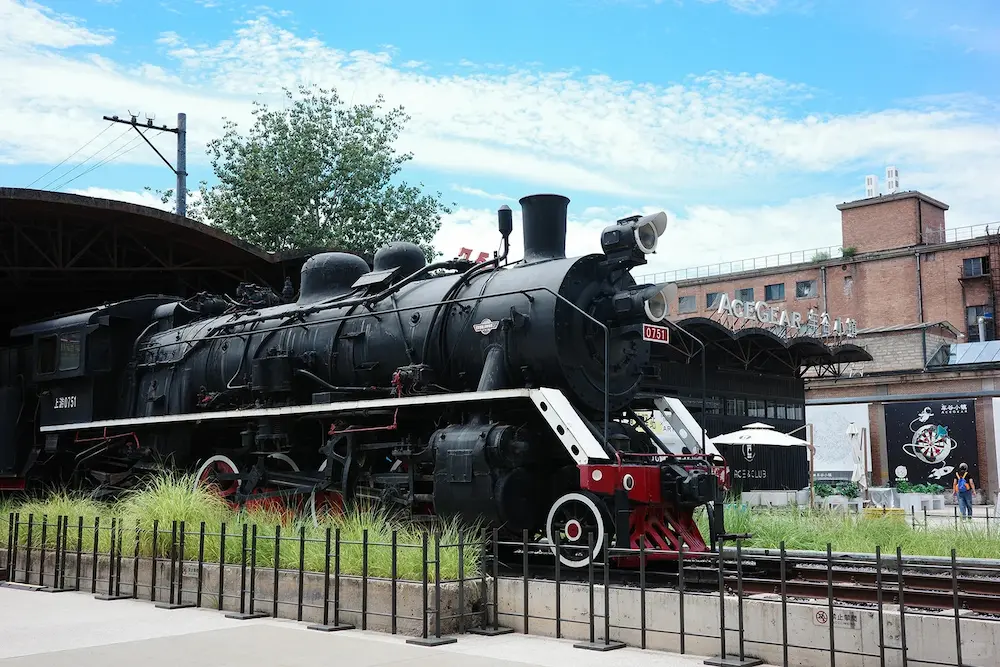
- 798 Locomotive Square: A vintage green train sits here, radiating retro charm and serving as a popular photo spot.
- Giant Chimney and Slogan Wall: The towering chimney and walls bearing era-defining slogans like
“Learn from Daqing in Industry” instantly transports visitors back decades.
2. Core Art Landmarks: Galleries, Museums, and Artworks
- UCCA Center for Contemporary Art: The most renowned and significant museum in 798, frequently hosting world-class contemporary art exhibitions.
- M Woods Museum: A museum highly popular among young people, featuring not only exhibitions but also a café and rooftop terrace—perfect for relaxation.
- 798 Art Center: Frequently hosts diverse exhibitions and creative markets. An excellent starting point for first-time visitors to contemporary art.
- Graffiti Walls: Many walls throughout the art district feature striking murals, with the most famous being “Panda Man” and “Astronaut.”
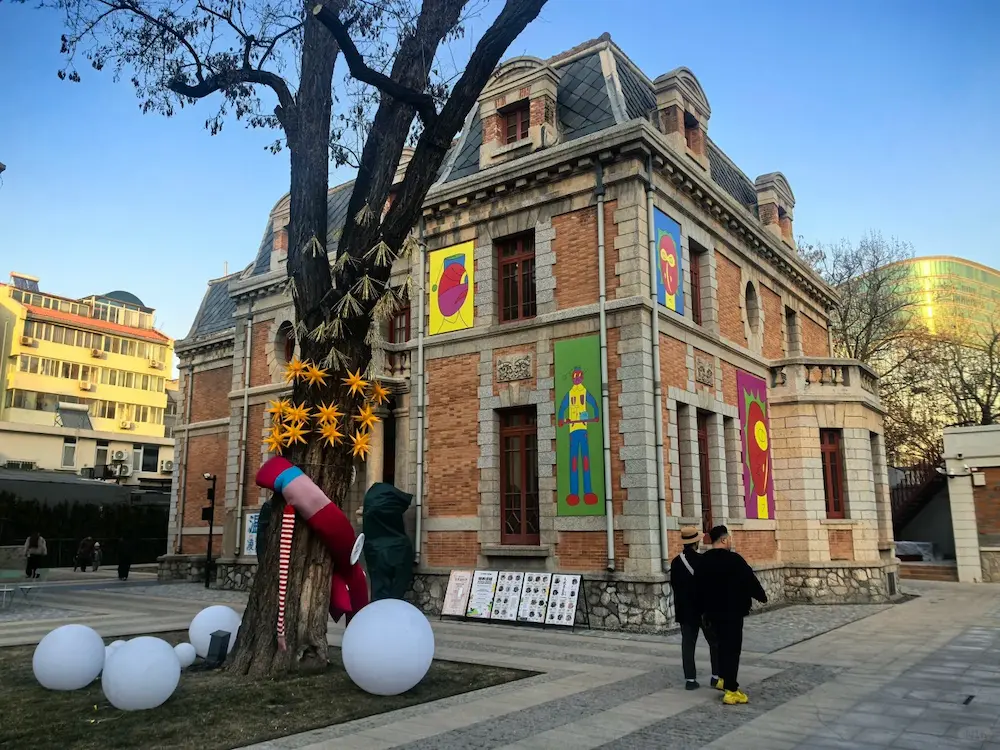
3. Leisure & Shopping: Explore, dine, shop, and snap photos all in one go
- Oneway Space Bookstore: A bookstore with a strong artistic vibe where you can browse books, sip coffee, and buy cultural and creative products in a quiet, comfortable setting.
- Tian Roast Coffee: A trendy coffee shop known for its signature “Fried Egg Mocha” with an adorable presentation, perfect for photos.
- 798 Creative Market: Weekend stalls often feature handicrafts, vintage clothing, and independent illustrations—a great spot to hunt for unique trinkets.
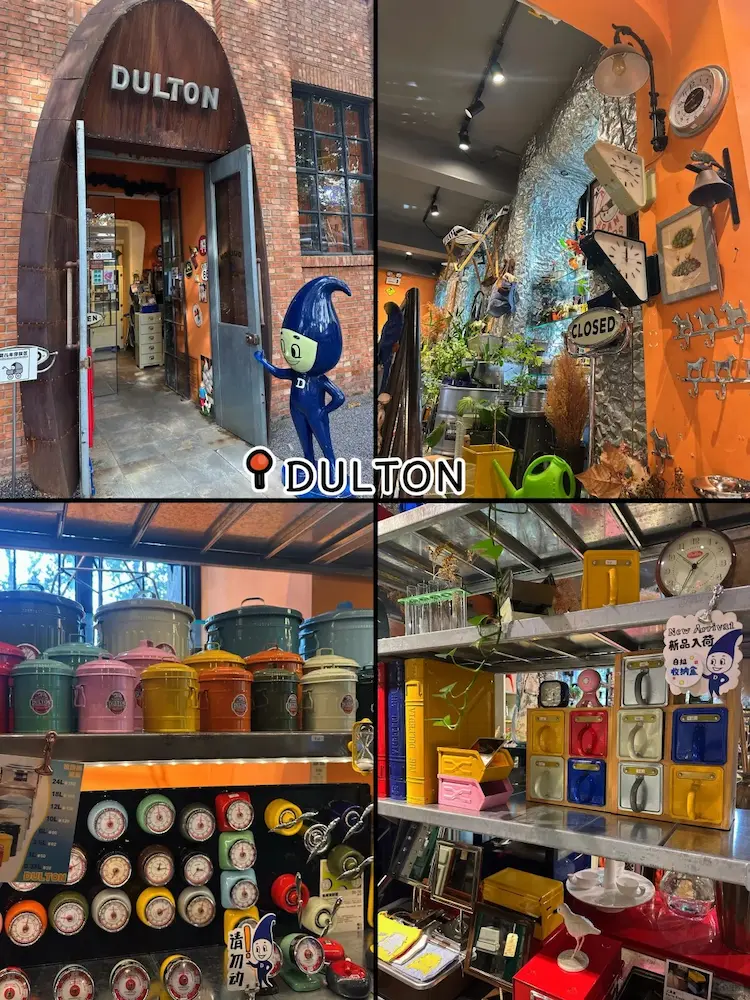
- Designer Boutiques: Shops like “Dong Liang” primarily sell clothing from independent Chinese designers, sure to intrigue fashion enthusiasts.
Tailor-Made Tour Routes for You
The 798 Art District is quite large, and exploring the entire area requires a full day. You can choose from the following itineraries based on your interests:
Itinerary 1: Family-Friendly Tour (Approx. 3-4 hours)
- Suggested Route: Locomotive Square (take photos with your children)→798 Children’s Art Center (participate in fun interactive activities)→Let children freely explore the Graffiti Wall area→Find a spacious café like “Bear Brew Coffee” to rest.
- Tip for Parents: While dedicated children’s facilities are limited, the massive locomotive and vibrant graffiti walls will captivate kids. Some galleries host regular family art workshops—check schedules in advance.
Route 2: Couples or Friends’ Artistic Exploration (approx. 4-5 hours)
- Suggested Itinerary: Visit an exhibition at UCCA→Take photos on the rooftop terrace of MUMU Museum→Try the “Fried Egg Mocha” at Tian Roast→Browse the weekend creative market→Capture silhouette photos against graffiti walls at dusk→Enjoy a drink at a bar like “Jing A”.
- Bonus Tip: Explore lesser-known galleries like the “Hive Contemporary Art Center” for quieter, more intimate spaces perfect for conversation. Music lovers can catch a live performance at “798 Live” in the evening.
Route 3: Photography Enthusiast Deep Dive (Full Day Recommended)
Suggested Itinerary: Locomotive Square (Industrial Aesthetic)→Giant Chimney (Stunning with Wide-Angle Lens)→Various Graffiti Walls (Street Vibe)→UCCA Building (Minimalist Style)→Adjacent 751D·Park (More Steel Structures)→Capture Factory Light and Shadow Effects at Dusk.
Top Photo Spots:
- 1. Locomotive and Tracks: Classic industrial composition.
- 2. Upward Shot of Chimney and Sky: Powerful visual impact.
- 3. Mumumuseum’s White Spiral Staircase: Photogenic geometric lines.
- 4. 798 Art Center’s Stained Glass Windows: Dreamlike when light filters through.
Practical Information & Tips
Admission: Entry to the 798 Art District itself is free. However, most museums and special exhibitions require separate tickets (e.g., UCCA, Mumu Art Museum). Check official platforms for pricing and opening hours in advance.
Transportation:
- Subway: Take Line 14 to Wangjing South Station, then walk approximately 15 minutes.
- Taxi/Ride-Hailing: The most convenient option. Set your destination to “798 Art District North Gate” or your specific gallery.
- Driving: Parking is available within the complex at a daytime rate of approximately 6 RMB per hour.
- Best Time to Visit: Weekdays (Monday-Friday) offer fewer crowds and a more enjoyable exhibition experience. Weekends (especially Saturdays) are bustling with market events, but can be crowded. Evening light is ideal for photography.
- Dining: Options range from affordable “798 Canteen” to trendy cafes and restaurants, ensuring no shortage of dining choices.
The 798 Art District is like a cultural hybrid—half rugged steel and history, half soft creativity and future. Whether you come to appreciate art, take photos, spend time with family, or simply soak in its unique atmosphere, it promises surprises.
May this guide help you plan your journey through Beijing’s 798 Art District, enjoying an exploration of the city brimming with creativity and inspiration.