Exploring Beijing’s Yangjiaodeng Hutong: Stories of the Sheep Horn Lantern and the Hutong Artisans
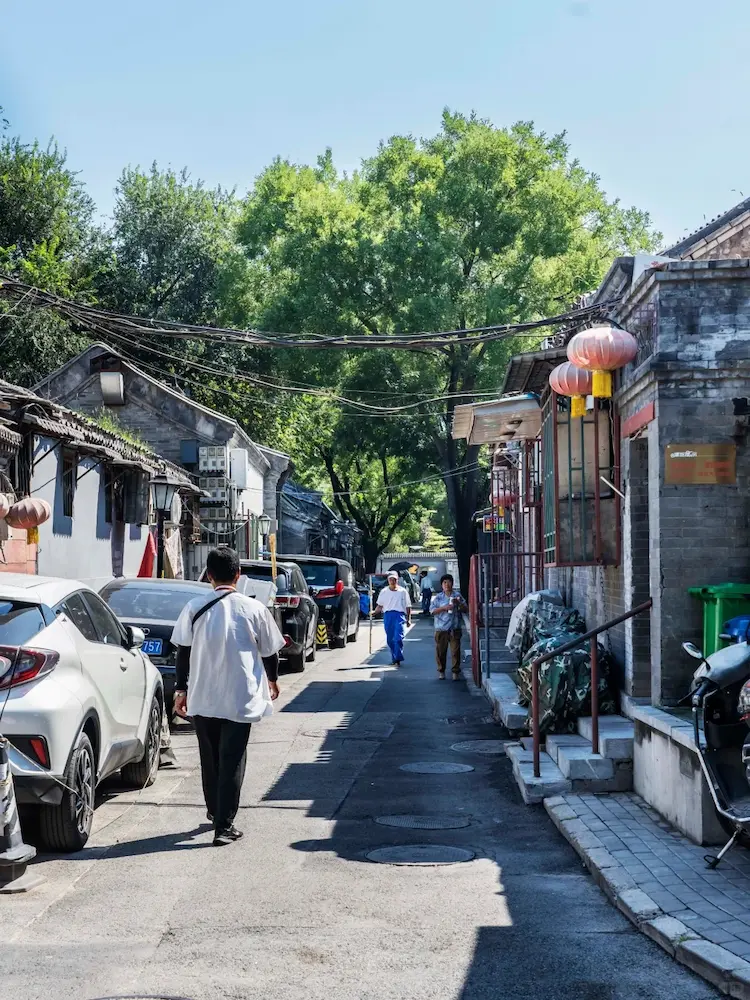
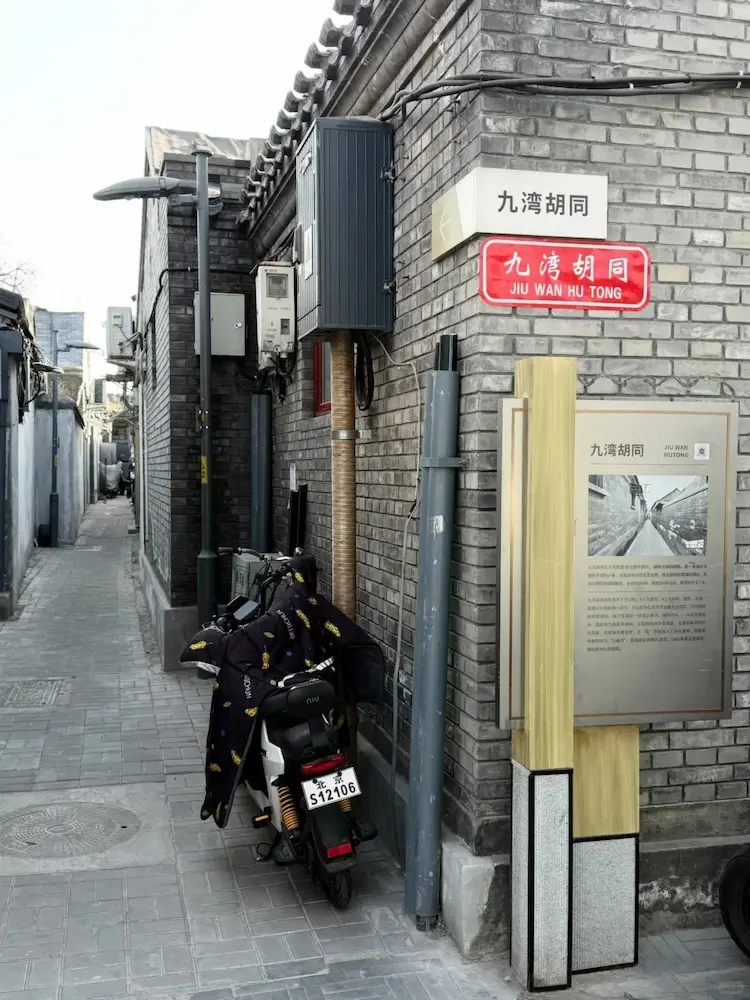
Nestled near Beijing’s Shichahai Lake lies Yangjiaodeng Hutong, a small lane steeped in historical charm.
Formed during the Qianlong Reign of the Qing Dynasty (18th century), it runs east to west, connecting Sanqiaoqiao Hutong and Longtoujing Street. Behind its name lies a precious memory of old Beijing’s traditional handicrafts.
Table of Contents
Quick Overview | Get to Know This Hutong in 30 Seconds
- Highlights: The vanishing craft of horn-shaped lanterns, Liu Xinwu’s former residence, and the former home of Hou Baolin
- Location: West of Shichahai, connecting Sanzuoqiao Hutong and Longtoujing Street
- Recommended Visit Time: 15 minutes—perfect for a stroll
- Admission: Free
- Best Itinerary: Prince Gong’s Mansion → Sanzuoqiao Hutong → Yangjiao Deng Hutong → Sunset at Shichahai
How to Get There? The Most Practical Transportation Guide
Subway (Most Convenient)
- Subway Line 6: Beihai North Station, an 8–10-minute walk from the station
- Subway Line 8: Shichahai Station, about a 10-minute walk
Walking Route (My Top Recommendation)
From Shichahai/Houhai → Walk inward along Sanzuoqiao Hutong → Directly connects to Yangjiao Deng Hutong
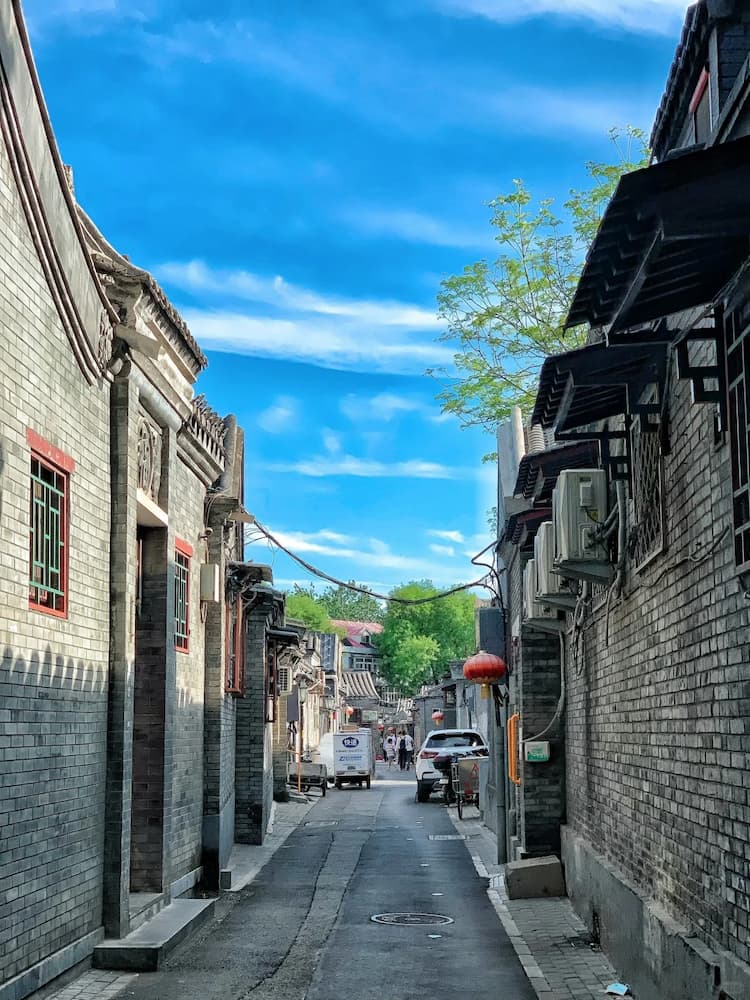
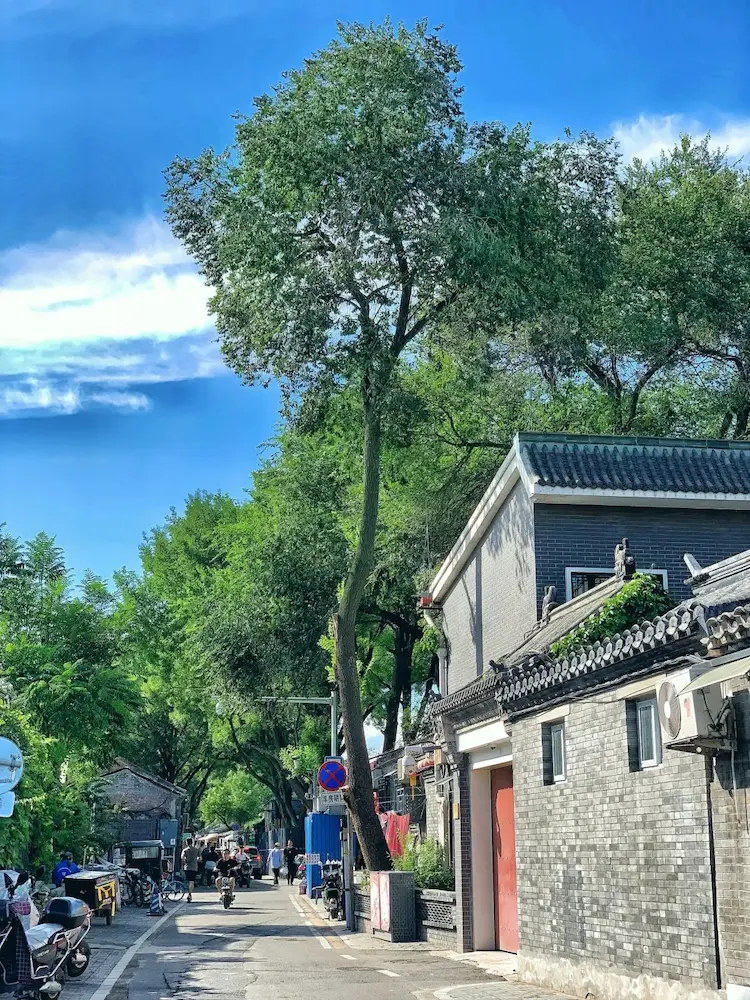
The entire route is lined with old courtyards—quiet and perfect for photos, with no detours.
Taxi/Ride-Hailing
Search directly for: Yangjiao Deng Hutong (Xicheng District)
It’s only a 10-minute walk from the Prince Gong’s Mansion.
Two Origins of the Hutong’s Name
Records of Shichahai, a historical document, record two main theories about the origin of the name “Yangjiaodeng (Sheep Horn Lantern) Hutong”.
The first links the name to the hutong’s shape. Its eastern and western entrances are narrow, while the middle section is relatively wide, giving the whole lane an outline that resembles a traditional Chinese sheep horn lantern.
The second point is directed to the handicraft industry that once thrived here. It is said there may have been workshops in the hutong specializing in making sheep horn lanterns, which might have been used by the soldiers of Heshen—a powerful minister of the Qing Dynasty—for night patrols in his mansion.
From “Daming Lanterns” to “Sheep Horn Lanterns”
The name “sheep horn lantern” became popular in the Qing Dynasty. In fact, from the earlier Tang to the Ming Dynasties, such lanterns made from sheep horn were commonly known as “mingjiao lanterns” (transparent horn lanterns) or “Daming lanterns”.
In the Qing Dynasty, the imperial court renamed “Daming lanterns” to “sheep horn lanterns” (later shortened to “horn lanterns”) to avert any unintended associations with the fallen Ming Dynasty. This name remained in use until the Republican period.
Such lanterns also make an appearance in classical Chinese literature. A Dream of Red Mansions contains vivid descriptions, such as “a pair of mingjiao lanterns carried ahead” and “a large sheep horn lantern hanging down”.
This indirectly indicates that in that era, sheep horn lanterns were a luxury used by families of a certain social status.
How Were Sheep Horn Lanterns Made?
A sheep horn lantern was not simply crafted from an entire sheep horn. According to Records of the Qinhuai River of the Qing Dynasty, sheep horn lanterns were once a special product of Jinling (present-day Nanjing).
Artisans boiled sheep horns into a transparent liquid, which was solidified and pressed into thin sheets called “mingwa” (transparent horn sheets); lantern shades made from these sheets were what gave sheep horn lanterns their name.
There is even a street in Nanjing called Mingwa Lang (Transparent Horn Sheet Lane), named for the numerous workshops that once produced this material there.
Liu Xinwu, a modern writer, once described the traditional craft of making sheep horn lanterns in detail:
- 1. Select high-quality sheep horns and cut them into cylindrical shapes.
- 2. Boil the horn cylinders with shredded radish in a pot of boiling water until the horns soften.
- 3. Insert a spindle-shaped wooden last into the softened horn and stretch it forcefully to thin it out.
- 4. Repeat the boiling and stretching process—each time using a wider wooden last in the middle—until the entire horn is transformed into a thin, transparent lantern shade.
The diameter of the widest part of such a sheep horn shade could often reach one Chinese foot (about 33 centimeters) or even more.
Interestingly, Liu Xinwu himself once lived at Courtyard No.21 in Yangjiaodeng Hutong. Perhaps it was this experience of living in the hutong that sparked his interest and research into this traditional craft. Today, the courtyard looks a little shabby with a cluttered interior, yet the aura of history still lingers.
Literary and Artistic Masters in the Hutong
Beyond handicrafts, Yangjiaodeng Hutong has also been home to renowned cultural figures.
In the 1940s, Hou Baolin, the famous crosstalk artist, once lived in this hutong, though the exact courtyard is no longer known.
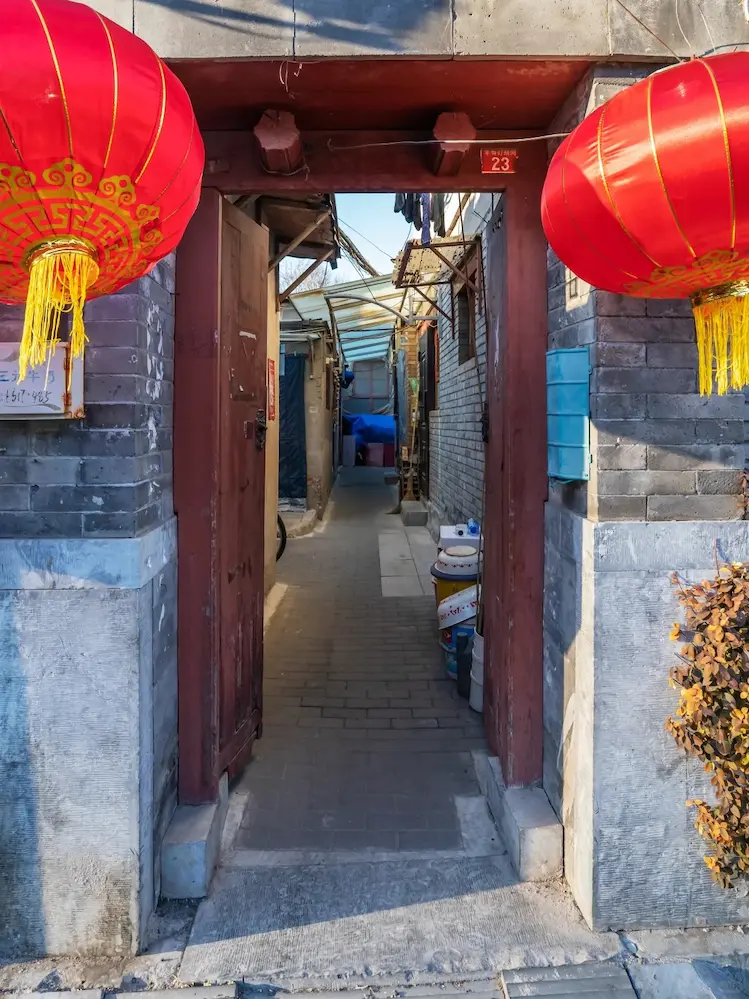
Another artist who resided here was Zhang Baohe (stage name Dagu Zhang), a Jingyun Dagu performer, who lived at Courtyard No.23. Zhang Baohe and Hou Baolin were close friends, and they often exchanged ideas and polished their craft together in the hutong.
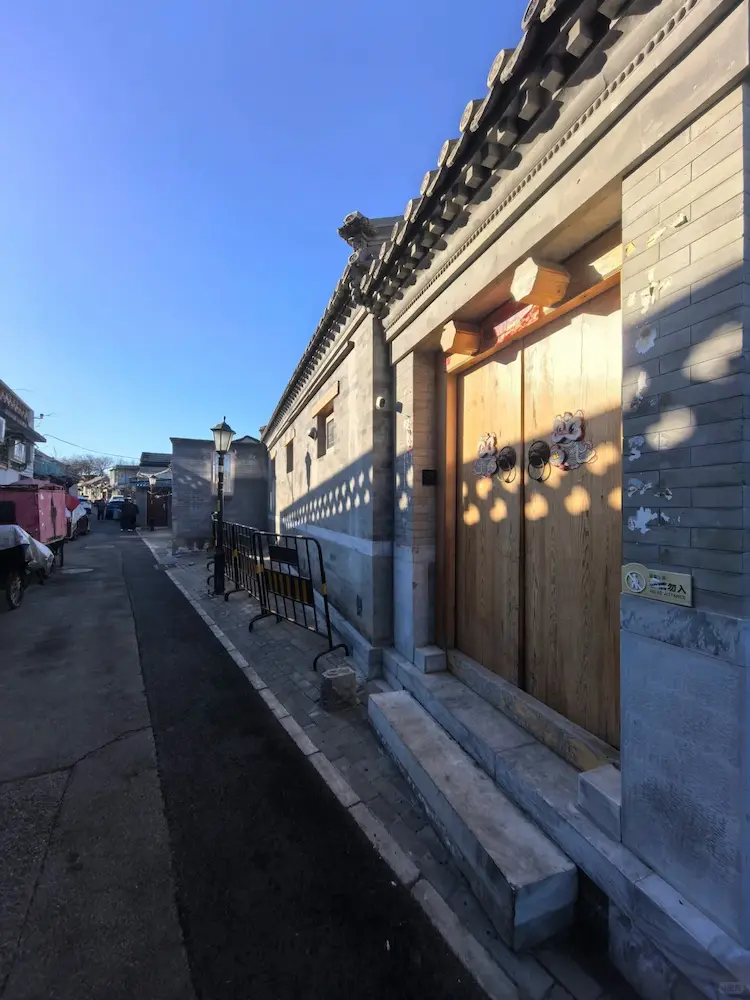
From the exterior of Courtyard No.23, one can still sense that it must have been a prominent courtyard in the hutong in its day.
Yangjiaodeng Hutong Today
As time passes, changes have come to Yangjiaodeng Hutong. At the entrance connecting to Sanqiaoqiao Hutong, some courtyards have been converted into shops and restaurants. Nevertheless, most courtyards in the hutong still retain the style of traditional siheyuan courtyards.
The name of Yangjiaodeng Hutong acts like a silent storyteller, continuing to recount the prosperity of the past to people today.
Yet the exquisite craftsmanship and stories of the skilled artisans who could turn hard sheep horns into flexible, transparent lantern shades have ultimately faded away amid the historical changes of Beijing.
This quiet hutong is more than just a thoroughfare; it is a window into old Beijing’s handicrafts and mundane daily life, waiting for people to discover and listen to its tales.
Insider Tips for Photography
1. The wider section in the middle of the alley: Captures depth with soft lighting
2. Entrance to Courtyard 23: The old stone curbs exude a distinct sense of history
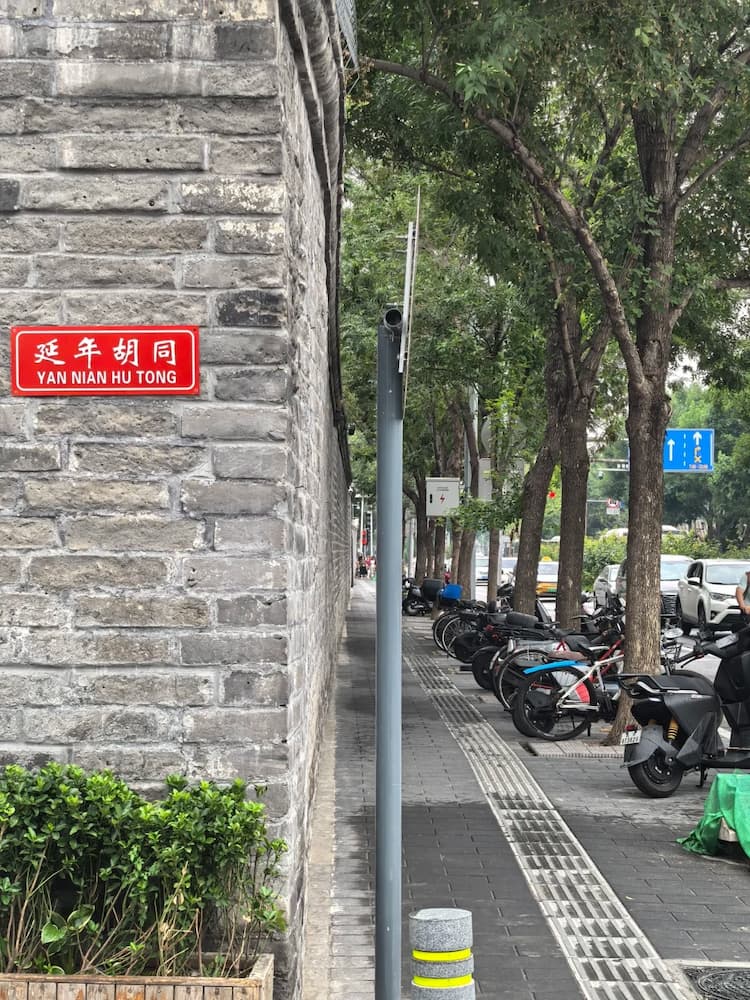
3. West entrance of the alley: Gray walls + tree shadows—perfect for minimalist, atmospheric shots
4. Best at dusk: Warm light casts on the walls, creating the most atmospheric vibe