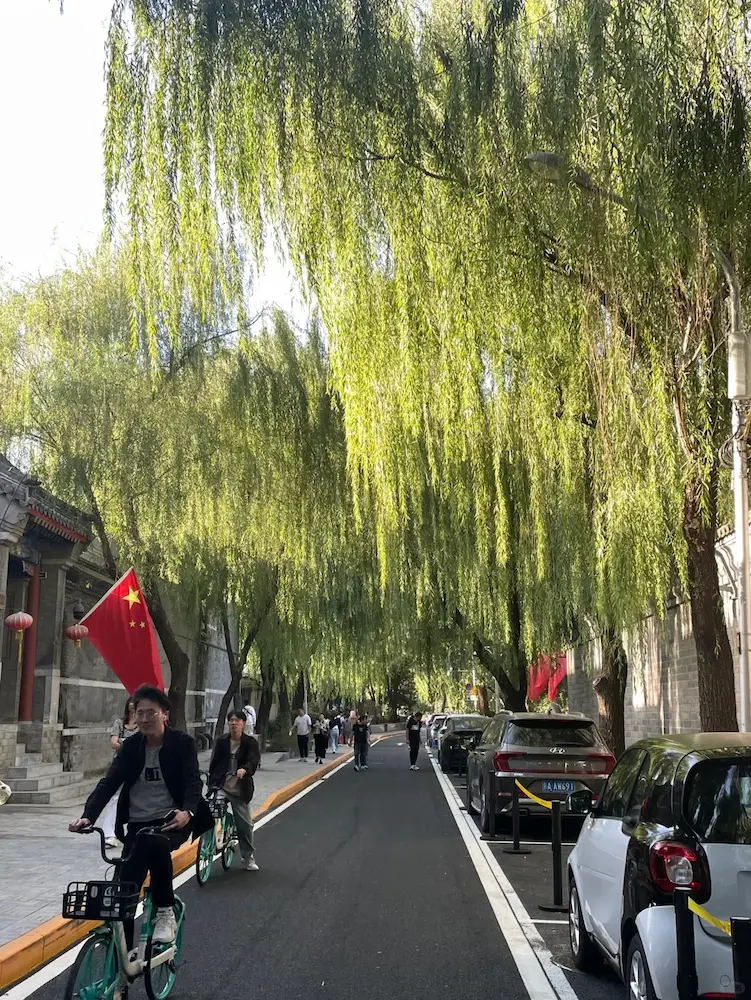
Beijing’s Liuhai Hutong: Historical Stories of an Imperial Concubine’s Seclusion and a Manchu Noble Family’s Tragic Elegy
In Beijing’s Xicheng District lies Liuhai Hutong, a quiet lane stretching from Songshu Street in the east to Deshengmen Inner Street in the west, merely a few hundred meters in total length.
Step into this seemingly ordinary street, and it is hard to imagine that it harbors the secluded life of China’s last imperial concubine and the tragic, stirring past of a Manchu noble clan.
Table of Contents
Quick Facts|A 30-Second Guide to This Hutong
- Location: West of Shichahai, near the Prince Gong’s Mansion and Liuyin Street
- Duration: 15–20 minutes—perfect for a stroll
- Admission: Free, fully open to the public
- Highlights: No commercialization, authentic local life, traditional Beijing siheyuan courtyards, historical legends
- Best itinerary: Prince Gong’s Mansion → Liuyin Street → Liu Hai Hutong → Shichahai Sunset
The Origin of the Name: From “Liu Han” to “Liu Hai”
In the Ming Dynasty, a minister named Liu Han lived here, giving the lane the name Liu Han Hutong. In the Qianlong Reign of the Qing Dynasty, more than 200 years ago, it was renamed Liuhai Hutong, a name that has endured to this day.
During the Qing Dynasty, the lane also housed a cavalry stable under the Shenjiying Battalion—the emperor’s personal guard.
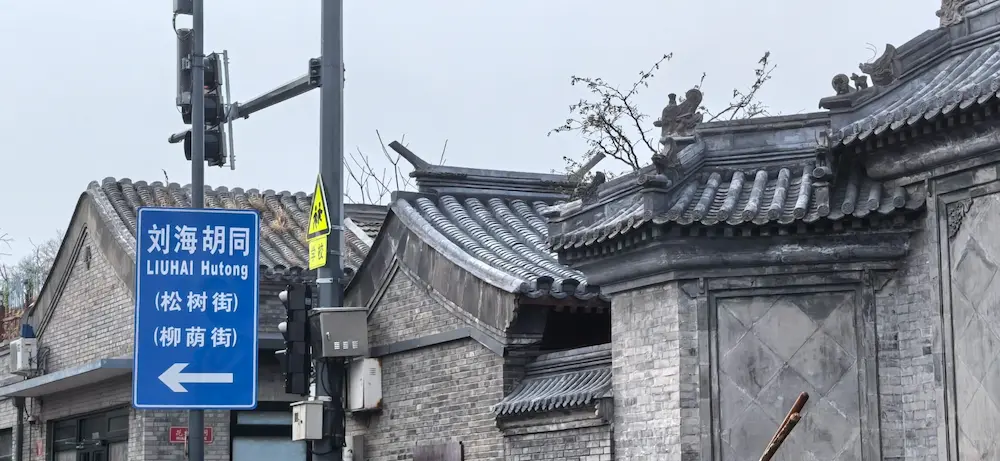
My Favorite Part: So Quiet You Can Hear the Sound of Time
It’s about a 10-minute walk from the Prince Gong’s Mansion.
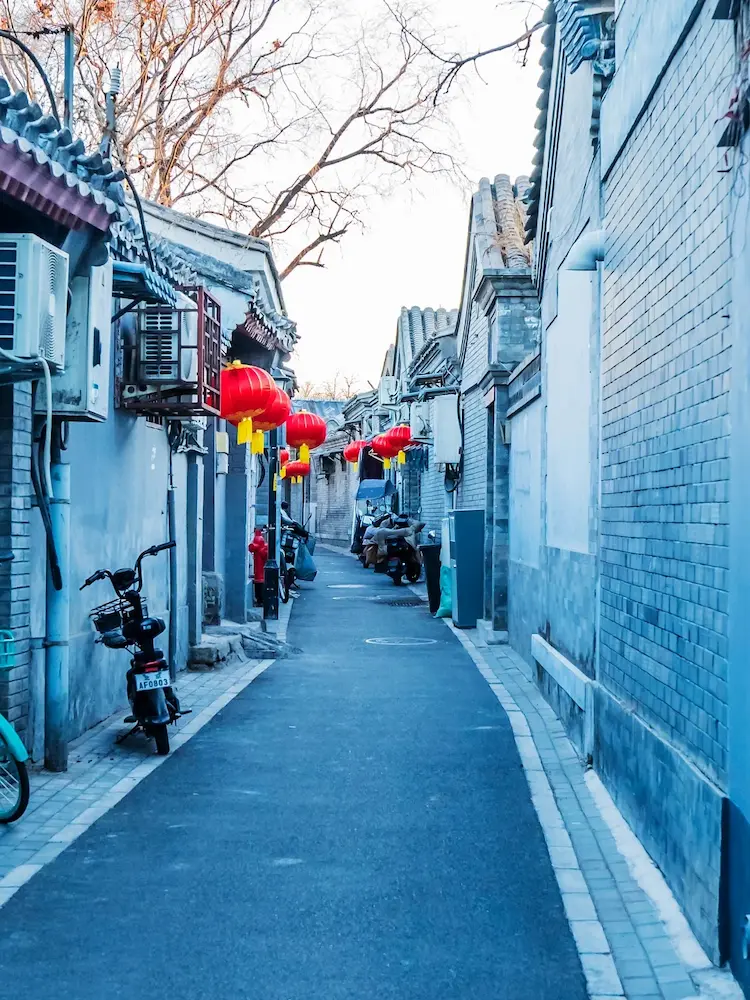
One moment you’re still amidst the crowds at the tourist site; the next, as you step into Liu Hai Hutong, the world instantly falls silent.
No hawkers, no traffic—just:
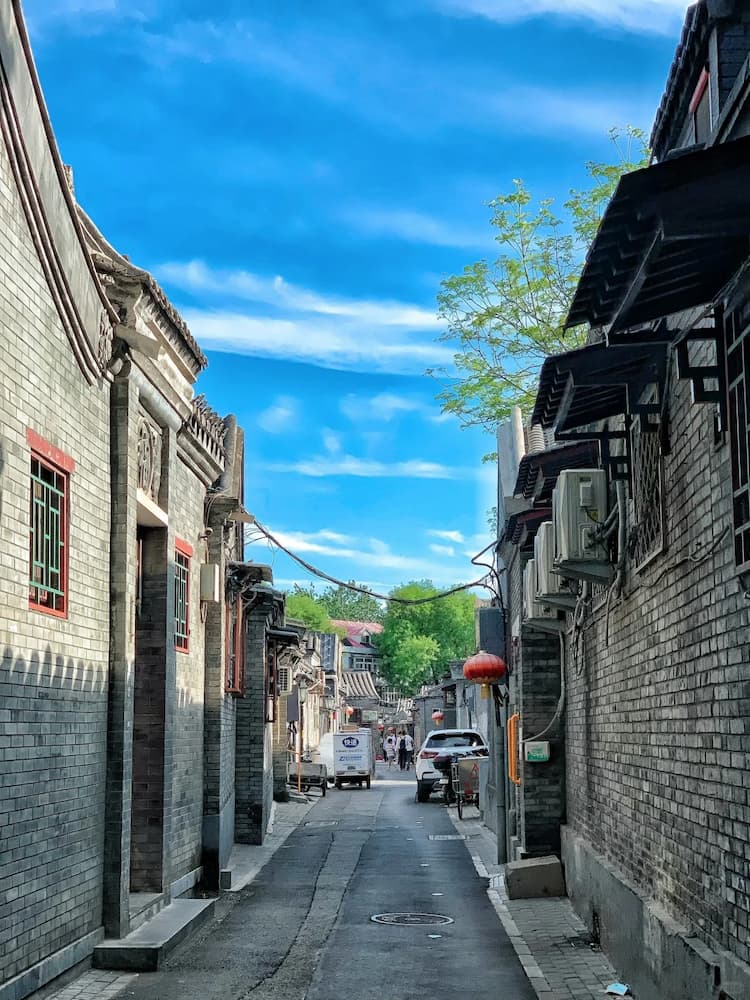
- The play of light and shadow on the old courtyard walls
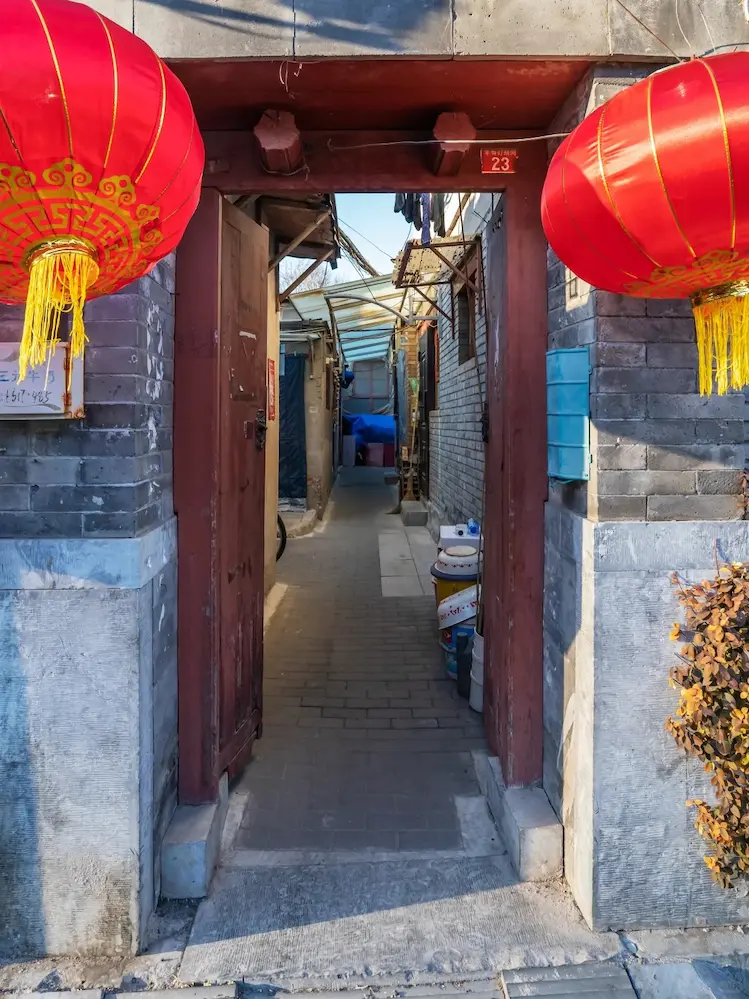
- The door sills and door pins at the entrance (the soulful details of an old Beijing courtyard)
- The occasional resident passing by
- The rustling of leaves in the breeze
It feels as though I’ve suddenly traveled back in time to Old Beijing decades ago.
The Secret Abode of the Last Imperial Concubine
The most distinctive courtyard in the hutong is Courtyard No.33. Once part of Prince Bei’s Mansion (a mansion of princely rank), it covers an area of over 1,400 square meters. In the autumn of 1931, a remarkable woman moved here in secrecy.
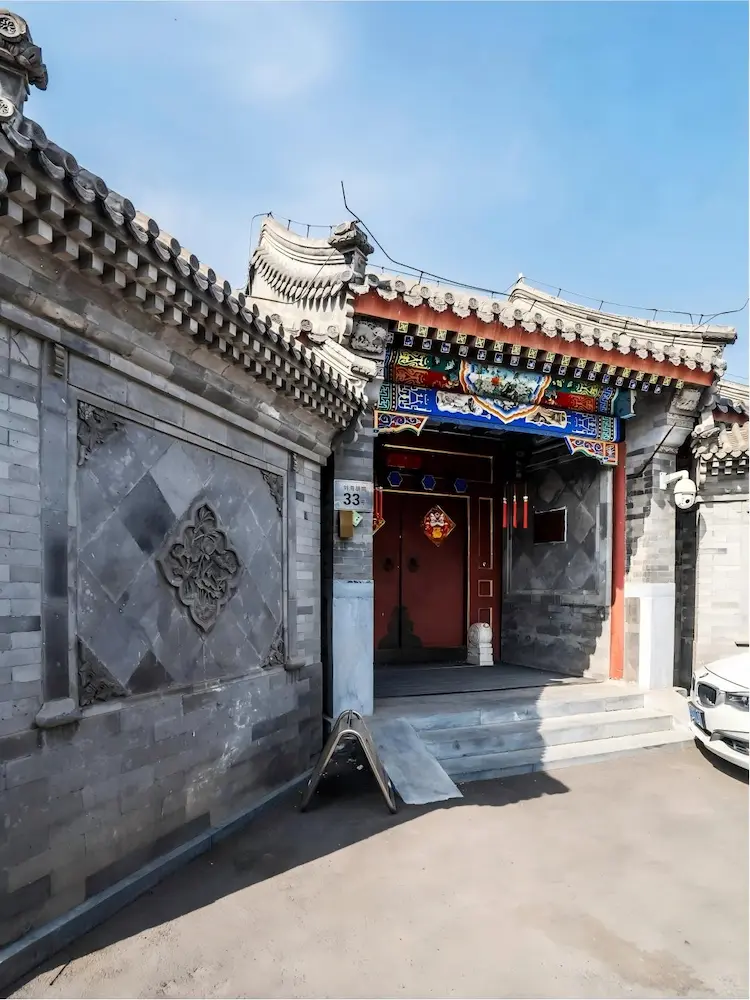
She was Wenxiu, concubine of Puyi, the last emperor of China. That year, she did something that shook the entire nation: she publicly divorced Puyi, becoming the first imperial concubine in Chinese history to end her marriage with an emperor. To escape public attention and constant harassment, she chose to live in seclusion in Liuhai Hutong.
Later, the courtyard served as a private residence for a banker before being reclaimed by the government. Today, it remains a private home and is not open to the public.
The Tragic Past of a Manchu Noble Clan
On the north side of the street near the hutong’s eastern entrance, there once stood a grand mansion belonging to the Hesheri Clan, an eminent Manchu noble family. This clan produced a great figure named Xifu.
Living in the late Ming and early Qing dynasties, Xifu was an extraordinary man, proficient in Manchu, Chinese, and Mongolian. In his early years, he followed his clan to rally to Nurhachi, the founder of the Qing Dynasty. For his numerous successful embassy missions to various Mongolian tribes, he was conferred the title of Baksi, a Manchu term meaning “a learned person”.
One of his most significant contributions was leading the translation of great Chinese historical works such as The History of Liao, The History of Jin, and The History of Yuan into Manchu. For his outstanding meritorious service, he was enfeoffed as a Third-Class Viscount.
Yet the fate of this clan took a horrific turn in 1900, when the Eight-Nation Alliance invaded Beijing. In the ensuing chaos, the members of Xifu’s clan left behind in the Liuhai Hutong mansion, determined to avoid humiliation at the hands of the invaders, set the mansion ablaze, and the entire family perished in the self-immolation.
After the fire, the magnificent mansion fell into complete decline. It was later converted into the Fifth Inner District Police Station, and after 1949, it became the office of the Xisi Branch Bureau of the police. Today, the site houses the China Forestry Publishing House.
Liuhai Hutong Today: A Fusion of History and Modernity
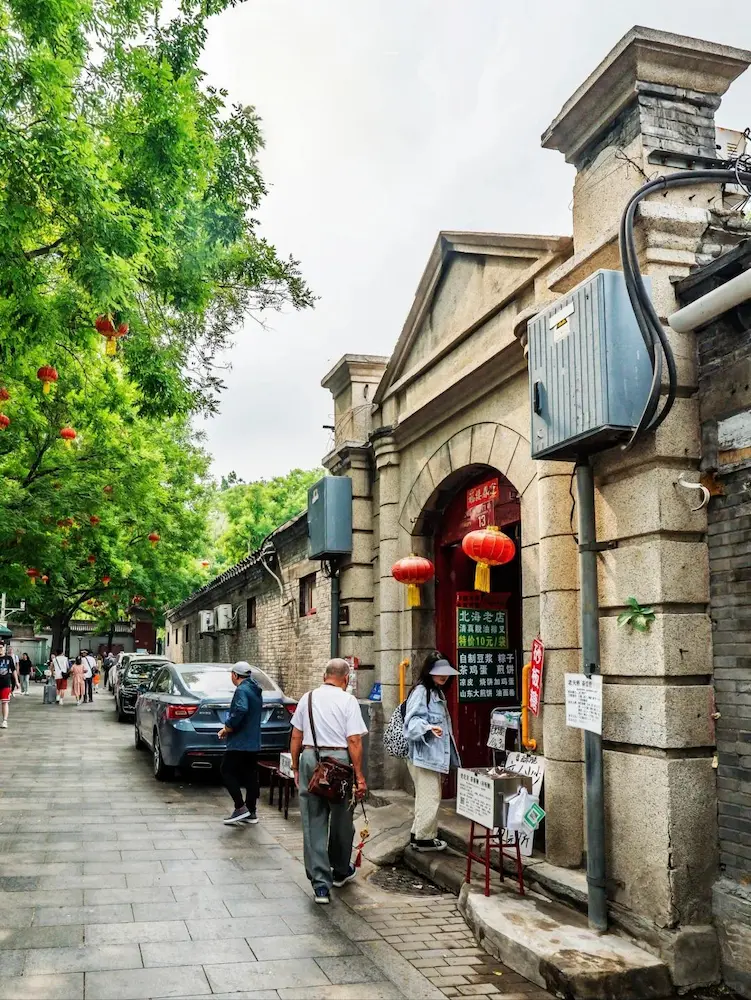
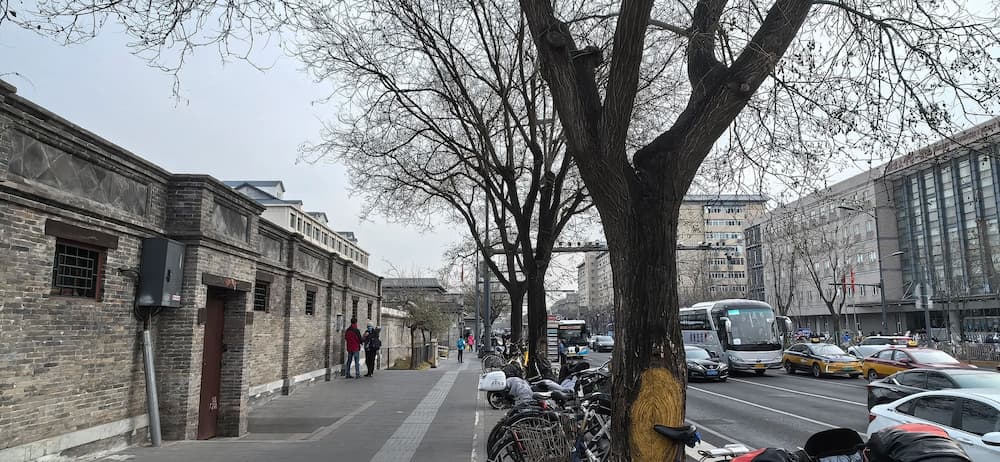
Today’s Liuhai Hutong is generally neat, with many multi-layered courtyards standing throughout—an embodiment of the lane’s profound historical heritage. Opposite the China Forestry Publishing House stands a unique courtyard complex, featuring a grand gate tower enclosing several smaller courtyards, a layout rarely seen in other Beijing hutongs.
Adjacent to it is a newly built community and sub-district civil service center, with a spacious courtyard that provides various services for the current residents.
A Small Hutong, Centuries of Rise and Fall
From an ordinary lane in the Ming Dynasty, to a military garrison and noble mansions in the Qing Dynasty, and then a refuge for the last imperial concubine in the Republican period, Liuhai Hutong is like a condensed history book.
Walking through the hutong today, one may no longer see the people and events of bygone eras, but from these quiet courtyards and tall walls, one can still faintly perceive the stories hidden in the crevices of time—be it the courage of an imperial concubine who sought freedom through divorce, or the tragic choices a clan made amid the great upheavals of history.
Photo Tips | My 3 Secret Spots
Prince Gong’s Mansion → Liuyin Street → Liu Hai Hutong → Shichahai Lakeside for Sunset
An easy, leisurely walk of about 1 hour, from history to daily life, from bustling crowds to serene tranquility, this is, in my opinion, the most relaxing hutong walking route in Beijing.