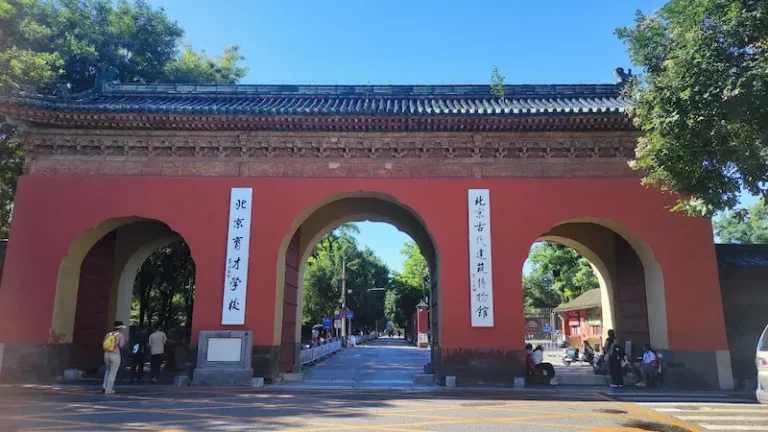
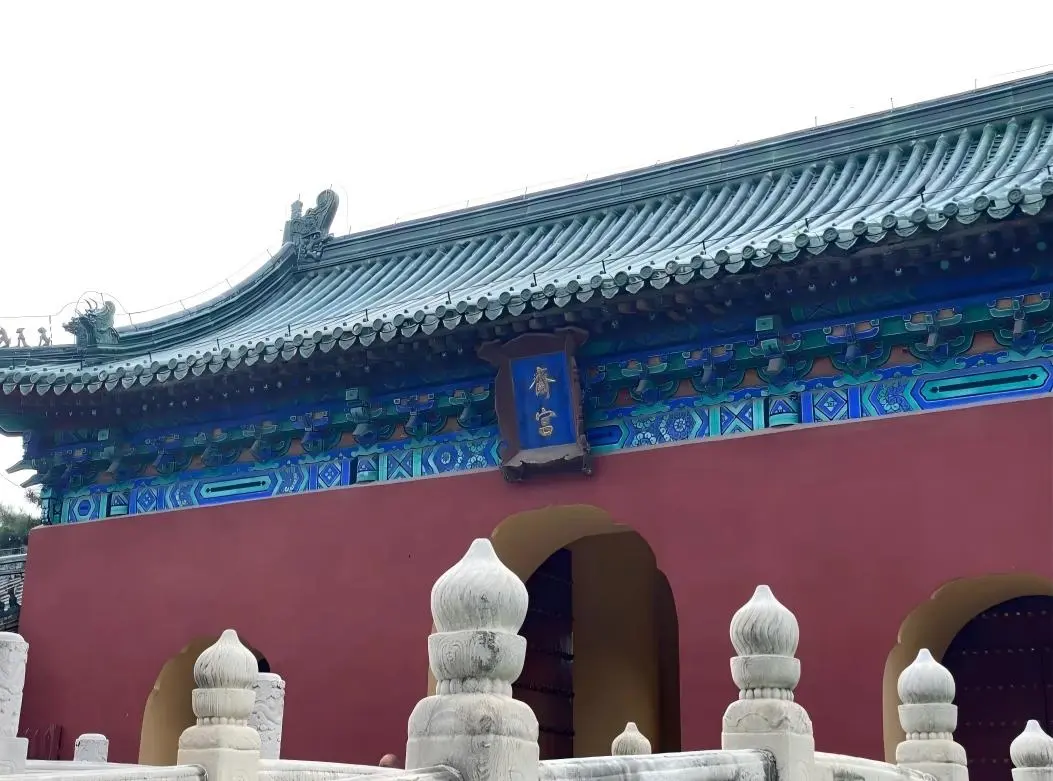
An In-Depth Tour of the Zhaigong at Beijing’s Temple of Heaven: The Blue “Little Forbidden City” Hidden Behind the Hall of Prayer for Good Harvests
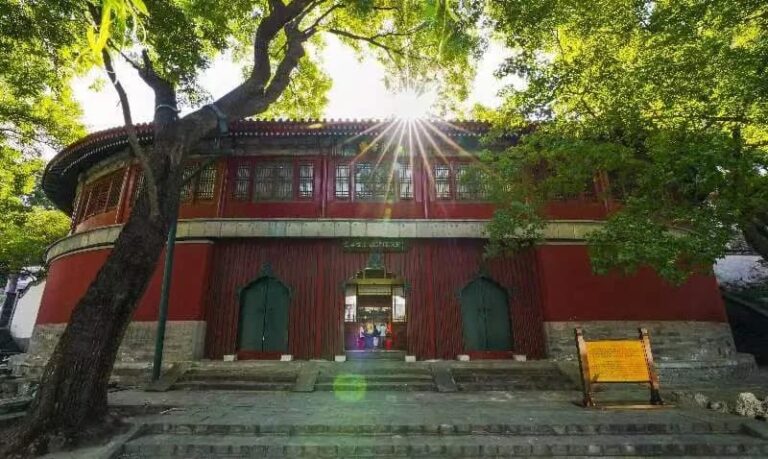
When visiting the Temple of Heaven, 90% of people head straight for the Hall of Prayer for Good Harvests and the Circular Mound Altar, snap a few photos, and leave. I, however, prefer to venture into the quiet southwest corner—where a blue glazed-tile palace, the Zhaigong, stands as the only one of its kind in all of Beijing.
It lacks the gilded splendor of the Forbidden City and the throngs of visitors at the Hall of Prayer for Good Harvests, yet it holds the deepest reverence of ancient emperors and stands as a severely underrated “hidden gem.”
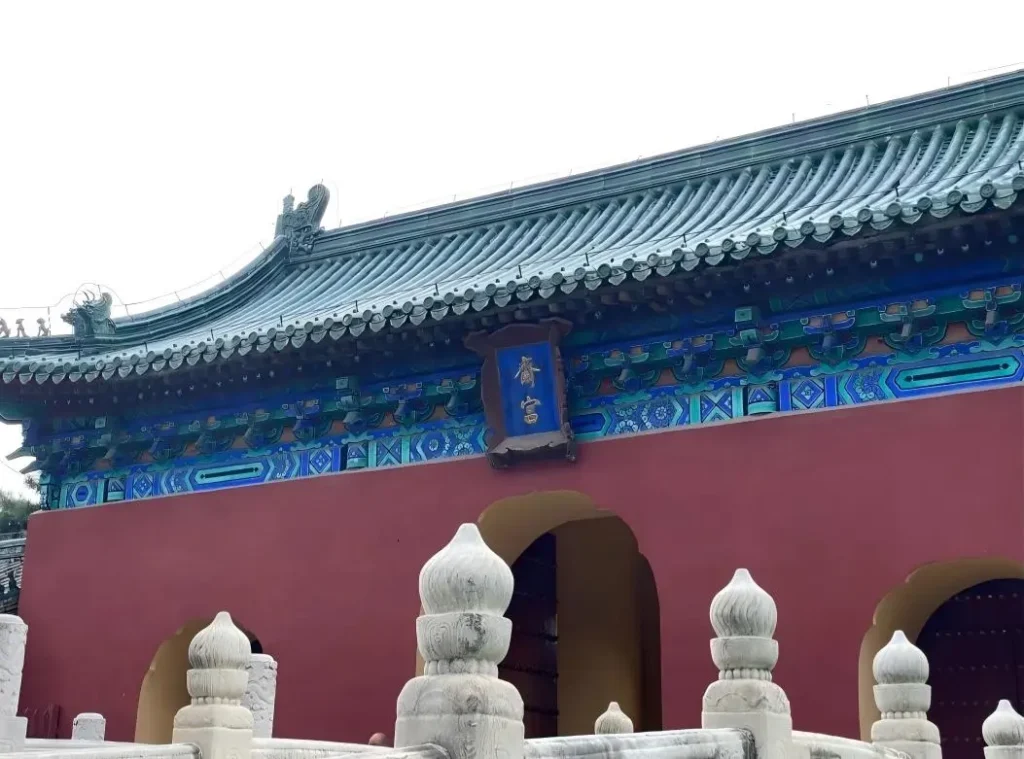
Table of Contents
The Emperor’s Seclusion Abode Before Sacrificing to Heaven
Zhaigong has a long history. First built in 1420, the 18th year of the Yongle reign in the Ming Dynasty, it is a structure from almost the same era as the Forbidden City in Beijing. It served a unique purpose: it was where the emperor observed a period of abstinence before the grand heaven sacrifice ceremony.
What is abstinence in this context? Simply put, it means purifying one’s body and mind before a sacrifice. For three days before offering sacrifices to heaven, the emperor would live alone here, abstaining from meat, alcohol, and all forms of entertainment. He would not handle daily state affairs, nor could he stay with the empress.
Instead, he would concentrate on self-reflection and pray devoutly, entering the purest state to “communicate” with heaven, praying for favorable weather and peace and prosperity for the country and its people in the coming year.
A “Royal Palace” That Dares Not Claim Royal Supremacy
Stepping into Zhaigong, you will find that every detail reflects the emperor’s reverence for heaven.
- 1. Dual Protection and Tight Guard: The palace is surrounded by two layers of city walls and an imperial moat (similar to a city moat), much like a scaled-down imperial palace. It separates the inner and outer worlds, ensuring the emperor can meditate in undisturbed tranquility.
- 2. A Humble Orientation: Most imperial palaces and important buildings face south with their backs to the north, a symbol of the nobility of imperial power. Yet Zhaigong faces east with its back to the west. This is because the emperor did not dare to claim supremacy in the presence of heaven, yielding the most honorable southern position to the heaven sacrifice sites (the Hall of Prayer for Good Harvests and the Circular Mound Altar) and standing at the side himself to show humility.
- 3. Unique Blue Roofs: The most striking feature is that the roofs of Zhaigong are covered with blue glazed tiles! In ancient China, yellow was the exclusive color of the emperor, and imperial palaces were all roofed with yellow glazed tiles. But at the Temple of Heaven, since “heaven” is associated with the color blue, the most important buildings here are covered with blue glazed tiles. This symbolizes unity with the color of heaven and expresses the emperor’s profound reverence for it.
Ancient Philosophy and Aesthetics
Two more features in Zhaigong silently tell the story of ancient people’s thoughts:
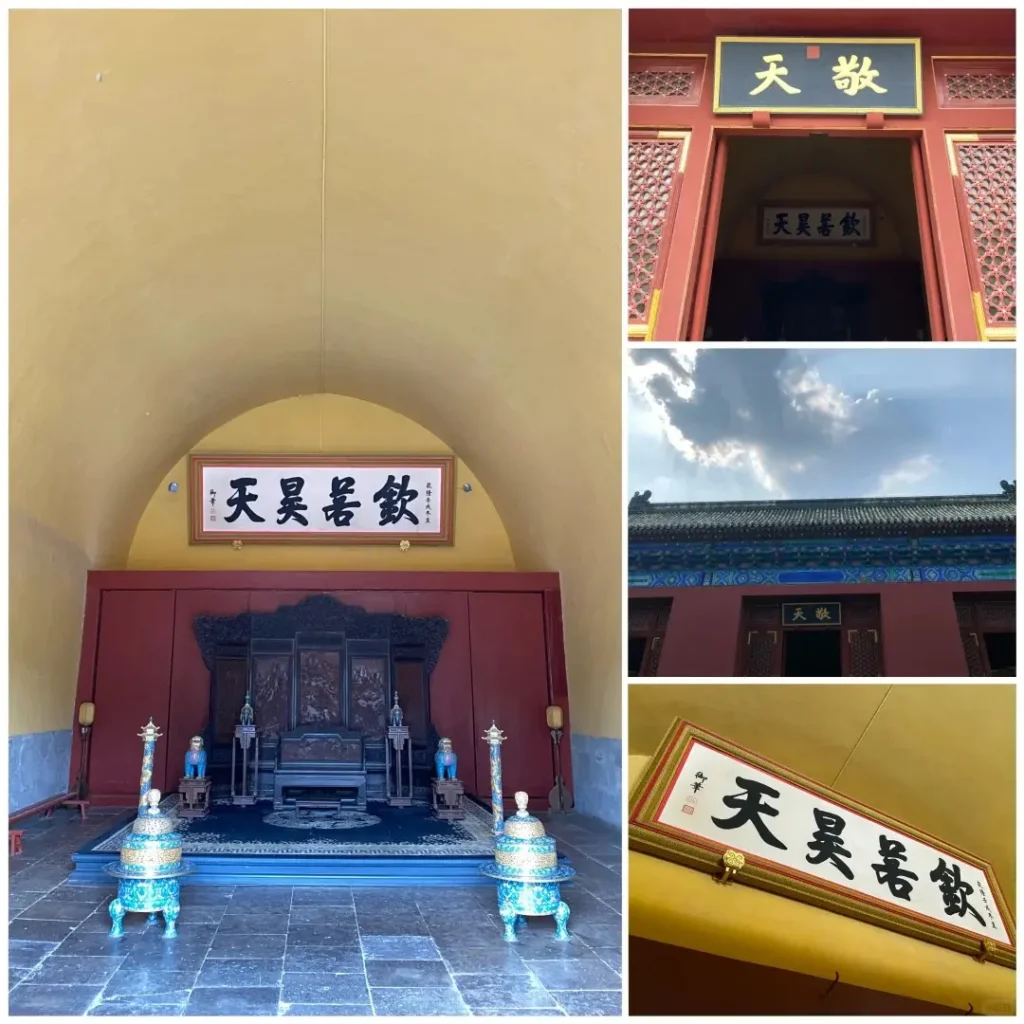
- Emperor Qianlong’s Handwritten Plaque: Hanging in the main hall is a plaque inscribed with four Chinese characters—Qin Ruo Hao Tian—in the personal handwriting of Emperor Qianlong of the Qing Dynasty. “Qin” means to admire and respect, “Ruo” to obey, and “Hao Tian” to the vast heaven. Together, they mean: an emperor must revere and obey the will of heaven. This represents the core ancient thought of “the Mandate of Heaven”, where the emperor called himself the “Son of Heaven” and thus had to act in accordance with heaven’s will to govern the country well.
- Elegant Spiral Auspicious Paintings: Looking closely at the beams and pillars inside the hall, you will see exquisite patterns painted on them, mainly in blue and green hues—these are known as spiral auspicious paintings. Unlike the resplendent and imposing golden dragon paintings in the imperial palace, these paintings are simple and tranquil. This tone and style perfectly align with the ascetic, solemn, and serene atmosphere required for the period of abstinence.
In short, Zhaigong at the Temple of Heaven is more than just an ancient building. It is like a narrator of history, telling us how, hundreds of years ago, an emperor who called himself the “Son of Heaven” purified his body and mind with the deepest reverence before a sacred ceremony to pray to heaven for the country and its people.
It is a “Palace of Humility,” written in blue, a living textbook for understanding the ancient Chinese ideology of “revering heaven and honoring ancestors.” Next time you visit the Temple of Heaven, make a point to see this serene “Mini Forbidden City” and feel the devotion that transcends time and space.
The Most Convenient Way to Get to Zhaigong (The Blogger’s Personally Tested Best Route)
If you’re heading straight to Zhaigong, be sure to use the West Gate of the Temple of Heaven to avoid detours and crowds!
Subway (Highly Recommended)
Line 8 → Exit at Exit C of Tianqiao Station, then walk about 7–10 minutes to the West Gate of the Temple of Heaven. Go straight for about 300 meters after entering the gate to reach the Zhaigong.
Line 5 → Exit at Exit A of Temple of Heaven East Gate Station, then walk southwest for 10–15 minutes after entering the park.
Bus
Tiantan West Gate: Routes 2, 20, 36, 53, 120, 622, and Express Bus Line 1, etc. Get off at Tiantan West Gate Station—it’s right nearby
Tiantan East Gate: Routes 6, 34, 35, 36, 39, 41, 60, 116, 128, etc. Get off at Fahua Temple Station or Tiantan East Gate Station. Beijing Municipal People’s Government
Driving
The Tiantan West Gate parking lot has limited spaces; try to arrive early on holidays.
Parking costs about 5 yuan per hour. Driving is not recommended; public transportation is more convenient.
Walking Route Inside the Park
Enter through the West Gate → Walk straight for about 350 meters → Pass through the second gate → The Zhaigong Hall is on your right. The entire route is almost a straight path.
Coming from the Hall of Prayer for Good Harvests: Walk south along Danbei Bridge, then west for about 10 minutes
My Personal Travel Tips
- Location: Southwest corner of the Temple of Heaven Park, near the West Gate. It’s about a 10-minute walk from the Hall of Prayer for Good Harvests—a direct route with no detours
- Quiet and uncrowded: Very few visitors, perfect for a stroll and peaceful photography without the crowds
- Best time to visit: Come on a sunny afternoon—the blue tiles glisten in the sunlight, the red walls cast stunning shadows, and the atmosphere is absolutely magical.
- Admission: Included in the Temple of Heaven combined ticket; no separate ticket required. Closed on Mondays (except national holidays)—don’t make the trip for nothing!