Beijing’s Dengshikou: The History of the Ming Dynasty Lamp Market and a Visitor’s Guide (Direct Subway Access, Free Admission 2026)
When visiting Beijing, don’t miss Dengshikou—it’s a must-see alongside Wangfujing! This article provides an in-depth look at the history of the Ming Dynasty lamp market at Dengshikou, along with transportation routes, the best times to visit, budget tips, and nearby attractions, guiding you to this off-the-beaten-path, free destination in Beijing.
Table of Contents
What Is Dengshikou?
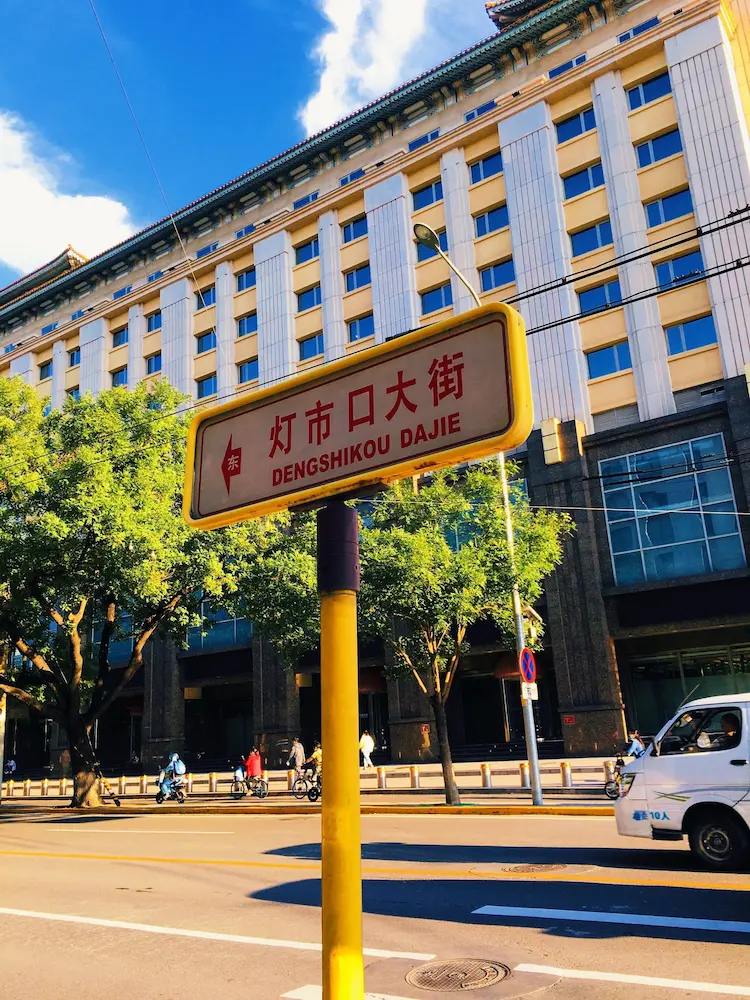
Dengshikou (Dēngshì Kǒu) is the name of an old neighborhood in Beijing’s Dongcheng District.
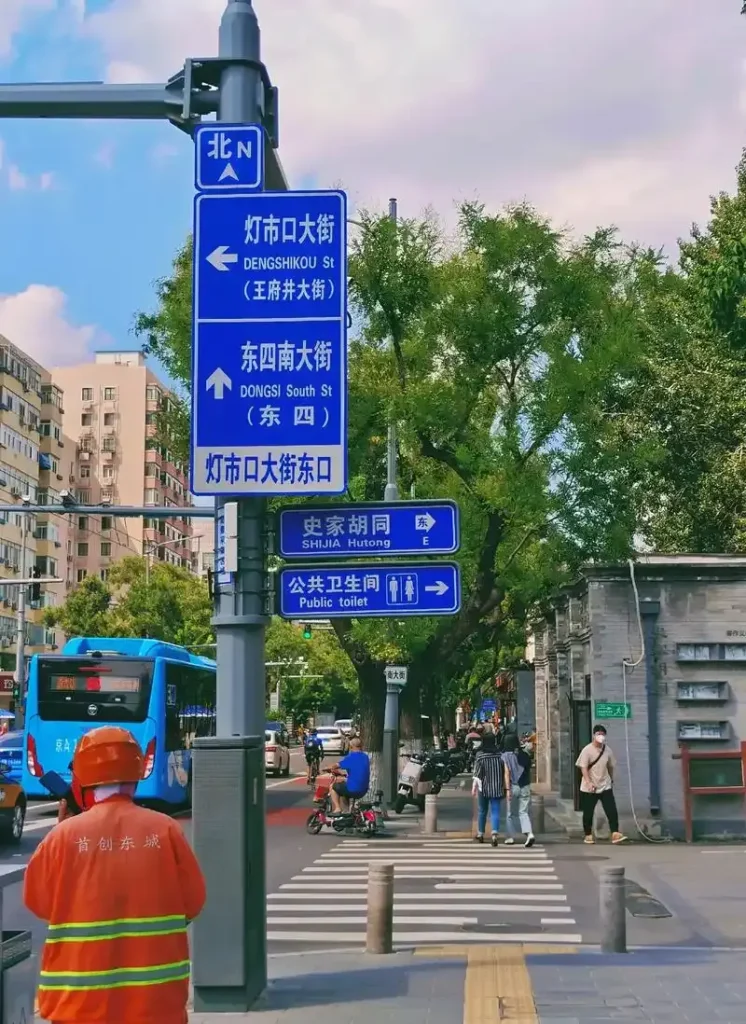
It’s not just a single intersection but a collective term for several streets: Dengshikou Main Street, Dengshikou West Street, Dengshikou North Alley, Tongfu Alley, and others.
It’s a hidden gem for in-depth exploration of Beijing, hutong tours, and off-the-beaten-path photo spots.
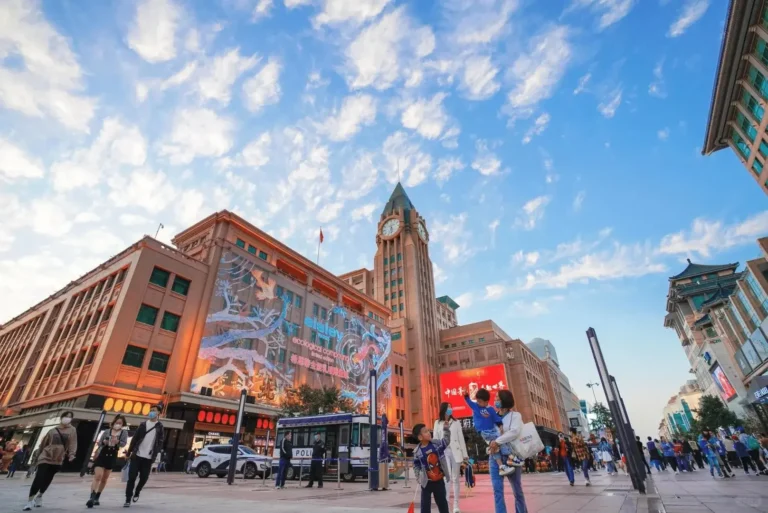
Today, the area looks quite peaceful, with old locust trees lining the streets and modern buildings like the Tianlun Dynasty Hotel.
But you might not believe it—over 500 years ago, this was the site of the most bustling Lantern Festival in all of China, serving as a major shopping hub by day and a city that never sleeps by night.
Historical Background: Why Is It Called“Dengshikou”?
1. During the Yongle Era of the Ming Dynasty: The Emperor Moved the Lantern Fair Here
After Emperor Chengzu Zhu Di (the third emperor of the Ming Dynasty) relocated the capital from Nanjing to Beijing, he wanted to organize a large-scale lantern festival outside the imperial palace so that the common people could join in the festivities.
Originally, the lantern market was located near the Meridian Gate (the main gate of the imperial palace), but he later ordered it to be moved to an open area outside the East Flower Gate—the area now known as Dengshikou.
This area stretched approximately 1 kilometer from east to west (ancient records describe it as “spanning about two li”), extending from what is now Dongsi South Street in the east to Wangfujing Street in the west.
This was not only a place to view lanterns but also a major national marketplace. Contemporary accounts described it as follows: “Merchants from all over the country, precious specialties from distant foreign lands, and antiques from various dynasties” were all piled up here for sale.
Consequently, the common people called it “Lantern Market,” which later became the place name “Dengshikou.”
2. How lively were the Ming Dynasty lantern festivals?
It lasted for a full 10 days, from the 8th to the 17th day of the first lunar month.
By day, it was a marketplace: selling general merchandise, antiques, silk, medicinal herbs…
By night, it was a lantern festival: every household hung lanterns, and the entire street was as bright as day.
Wealthy families rented private rooms in the tall buildings lining the street to view the lanterns, paying hundreds of strings of copper coins in rent per day (equivalent to several thousand yuan today).
There was a vast variety of lanterns: gauze lanterns, rotating lanterns, and five-colored corner lanterns, all adorned with paintings of landscapes, figures, and flowers and birds. Some even crafted enormous “Ao Shan” lanterns (lantern displays as tall as mountains) and “boneless” lanterns (lanterns without a frame).
In addition to the lanterns, there were acrobatic performances and fireworks, such as a type of double-shot firecracker called “Er Tijiao” and a string of fireworks known as “Feitian Shixiang.”
A poet of the time described the scene with a single phrase: the lights, like “a forest of fire and silver flowers,” illuminated the entire city.
The common people had their own traditions as well: women would go out in groups at night for a walk, a custom known as “walking away a hundred illnesses,” meaning that walking would help ward off illnesses for the entire year; they would also touch the door nails on the city gates—a practice called “touching the door nails”—to pray for the birth of a son.
3. The Lantern Fair Boosted Business Throughout the Entire Neighborhood
At that time, there were many artisanal workshops around Dengshikou, as the street names suggest:
- Xila Hutong: Specialized in tin candlesticks
- Youfang Hutong (today’s Dengshikou North Alley): Produced and supplied oil for lighting
- Dengcao Hutong: Sold wick materials
It could be said that when the Lantern Market was bustling, the entire capital came alive; when it was quiet, the capital seemed dull.
Why Did the Lantern Fair Disappear?
After the Qing army entered the Pass, the Qing emperors implemented a policy of “separating the Banner people from the commoners.”
What does this mean? Simply put, only Banner people (descendants of the Manchu Eight Banners) were allowed to live in the Inner City (the area within Beijing’s Second Ring Road today). At the same time, Han Chinese commoners were all relocated to the Outer City (now the South City).
By the reign of Emperor Yongzheng, the government further banned theaters, inns, and public gatherings within the Inner City. Consequently, the once-bustling Lantern Market was relocated to the Dashilan and Liulichang areas outside Qianmen.
The name “Lantern Market” (Dengshikou) remained, but there was no longer a “market” or “lanterns.”
In their place arose numerous government offices and princely mansions, such as the Office of the Commander-in-Chief of the White Banner, the Mansion of Prince Zhang, the Mansion of Prince Xi, and the Mansion of Tong Guogang.
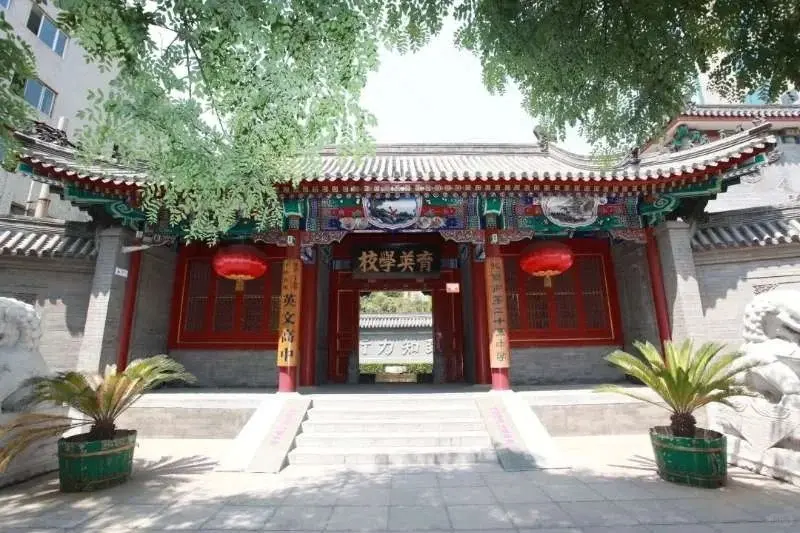
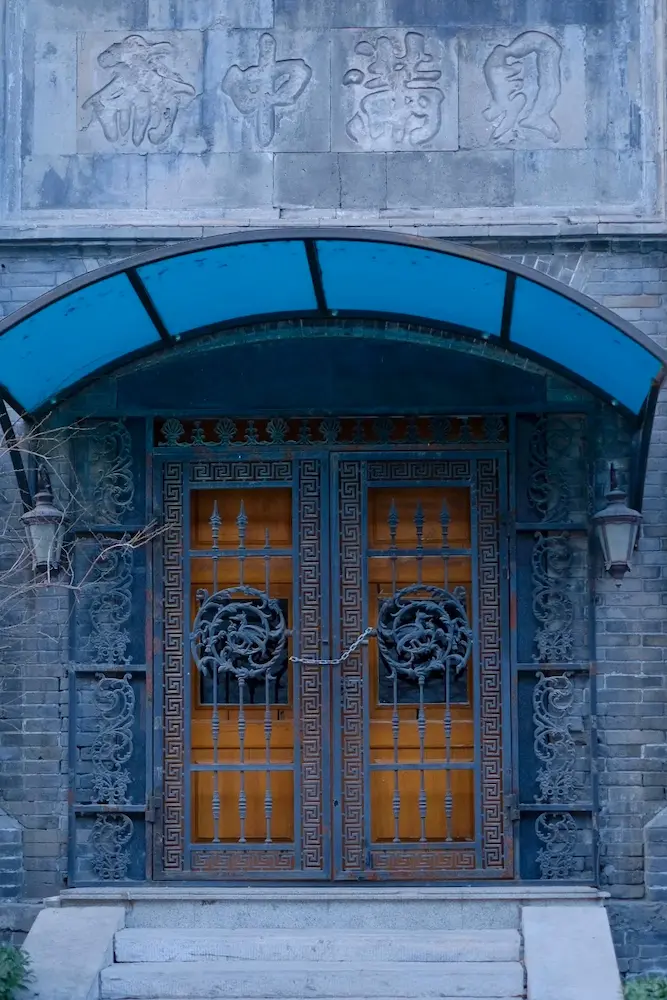
In the late Qing Dynasty and early Republican era, several renowned schools were established here, including Yuying School, Beiman Girls’ Middle School, and Xiehe Women’s University. The writer Lao She and the leader Hu Yaobang both once lived on West Dengshikou Street.
How to Explore Dengshikou in 2026: A Practical Guide (Latest Edition)
After the founding of the People’s Republic of China, as the nearby Wangfujing commercial district developed, Dengshikou gradually regained its commercial vibrancy.
In 2007, Dengshikou Station opened on Metro Line 5. In 2024, the area hosted a “Ten Thousand Lights Garden Party,” which reignited the traditional lantern market with dragon and lion dance performances.
Although the bustling scenes of the Ming Dynasty—where “the entire street was so crowded you couldn’t move”—are no longer visible, this remains a great place to learn about Beijing’s history and experience the quiet side of the old city.
Dengshikou is not a closed-off tourist attraction but a living neighborhood—completely free and open to visitors at any time.
1. Directions (Subway + Walking)
Subway: Take Beijing Subway Line 5 and get off at Dengshikou Station.
Exit through Exit A (northwest exit) and walk about 200 meters to reach Dengshikou Street.
Exit through Exit D (southwest exit) and walk for 3 minutes to reach Wangfujing Church and Wangfujing Street.
Bus: Many bus routes stop at “Dengshikou” or “Dongsi Road South,” such as Routes 106, 108, 111, and 116.
Bike-sharing: The neighborhood is flat, making it easy to ride.
2. Best Time to Visit
- General recommendation: 5:00–7:00 PM. The play of light and shadow on the old locust trees at sunset is beautiful, and the atmosphere is wonderful once the streetlights come on.
- Special recommendation: The 14th to 16th day of the first lunar month (around the Lantern Festival). In recent years, there have been small-scale lantern festivals or folk activities; we recommend searching for information on the “Dengshikou Garden Party” in advance.
- Avoiding Crowds: The Wangfujing area is crowded on weekend afternoons, but the alleys of Dengshikou are generally quiet, so you can visit at any time.
3. Budget Guide (Prices Converted to USD/EUR)
| Item | Price (RMB) | Approx. USD ($) | Approx. EUR (€) |
| Admission | 0 RMB (Free) | 0 | 0 |
| One-way subway ride | 3–5 RMB | $0.4–0.7 | €0.35–0.65 |
| Street food (flatbread/grilled sausage) | 5–15 RMB | $0.7–2 | €0.65–1.9 |
| Meal at a regular restaurant | 30–80 yuan | $4–11 | €3.5–10 |
| Coffee/Milk tea | 20–35 yuan | $2.8–5 | €2.5–4.5 |
4. Nearby Places to Visit (Within a 10-Minute Walk)
- Wangfujing Pedestrian Street: Beijing’s most famous shopping street, featuring street food stalls, night markets, and department stores.
- Dongsi Hutong District: Home to many traditional Beijing siheyuan courtyards, perfect for exploring by bike.
- Lao She Memorial Hall: Located near West Dengshikou Street; reservations are required.
5. Efficient Itinerary (1–2 Hour Version)
Shop at Wangfujing → Walk to Dengshikou Street → Stroll through the old neighborhood → Visit historical landmarks → Take Metro Line 5 to leave
Experience both sides of Beijing in one trip: a bustling commercial district and a quiet, old-town neighborhood.
6. A Quick Tip
If this is your first time in Beijing, there’s no need to set aside half a day just for “Dengshikou.” A better approach is:
Spend the afternoon shopping in Wangfujing, then take a 10-minute walk to Dengshikou Street in the evening. Buy a bottle of water, sit under the old locust tree, take in the quiet old neighborhood, and then head back via Metro Line 5.
This way, you’ll have seen the bustling commercial hub and experienced what Beijing’s “understated city center” is like.
FAQ
The name Dengshikou originates from the Ming Dynasty lantern fair held 500 years ago that brought the entire city to life. The lantern festival may have moved on, but the place name remains.
It’s like an open urban diary: one page describes the bustling lights and markets, another details the coexistence of Manchu and Han peoples, and the latest page captures the modern pedestrians coming and going at the subway station exit.
If you’re riding Beijing Subway Line 5 and hear the announcement for “Dengshikou Station,” take a moment to imagine: right beneath your feet, on this very ground, there once stood a street that never slept—a street aglow with “fire trees and silver flowers”—on the 15th day of the first lunar month, 500 years ago.