Exploring Beijing: 6 Historic Streets and Hutongs Easily Accessible by Subway
Planning an in-depth independent trip to Beijing? Looking for hidden-gem subway-accessible sites, free of admission fees, yet offering an immersive experience of authentic Beijing history and culture?
This Beijing travel guide reveals 6 distinctive historic streets and hutongs. Perfect for exploring on foot, these neighborhoods let you ride the Beijing Subway like a local to delve into traditional old Beijing districts. Experience diverse facets ranging from imperial grandeur and Republican-era nostalgia to bohemian lifestyles.
Recommended: 6 Unique Streets & Hutongs
Table of Contents
1. Wusi Avenue: A Street That Tells Beijing’s Modern History
This compact street bridges different eras: one side features the imperial red walls of the Forbidden City and Jingshan Park, while the other showcases Republican-era blue-brick buildings and modern art galleries. Strolling here feels like flipping through a three-dimensional history book of Beijing.
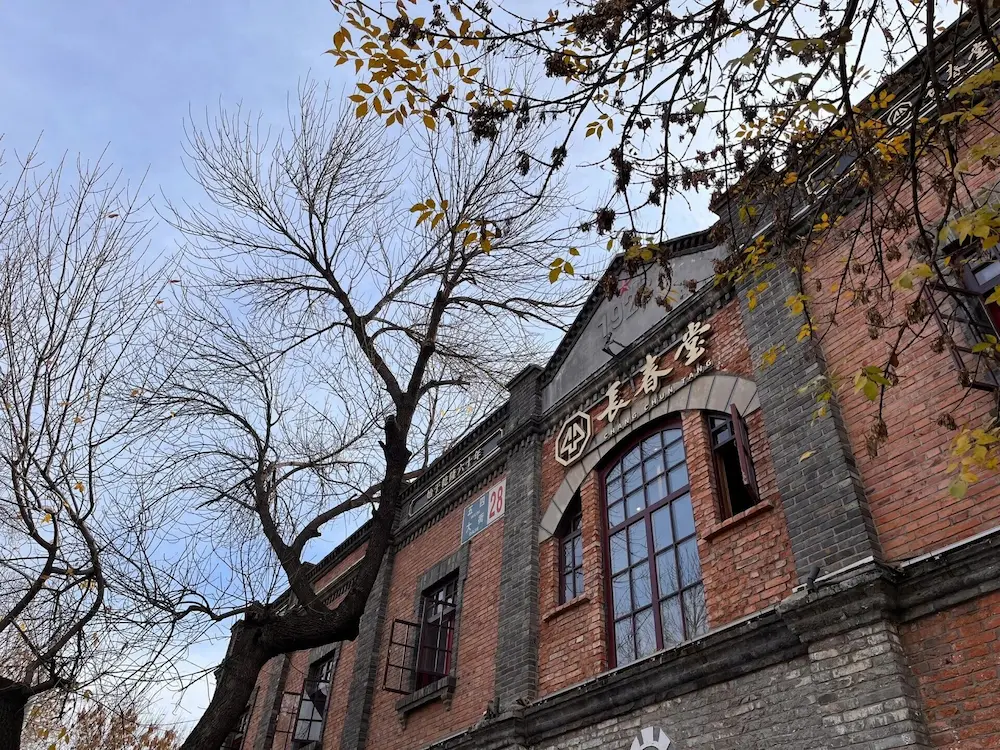
- Highlights: National Art Museum of China (reservation required), Peking University’s historic Red Building, tranquil Imperial City Root Park, and unique cultural and creative boutiques.
- Transportation & Tips: Direct access via Metro Line 8 to the National Art Museum of China Station.
- Note: The museum is closed on Mondays, reservations are required, and driving is not recommended.
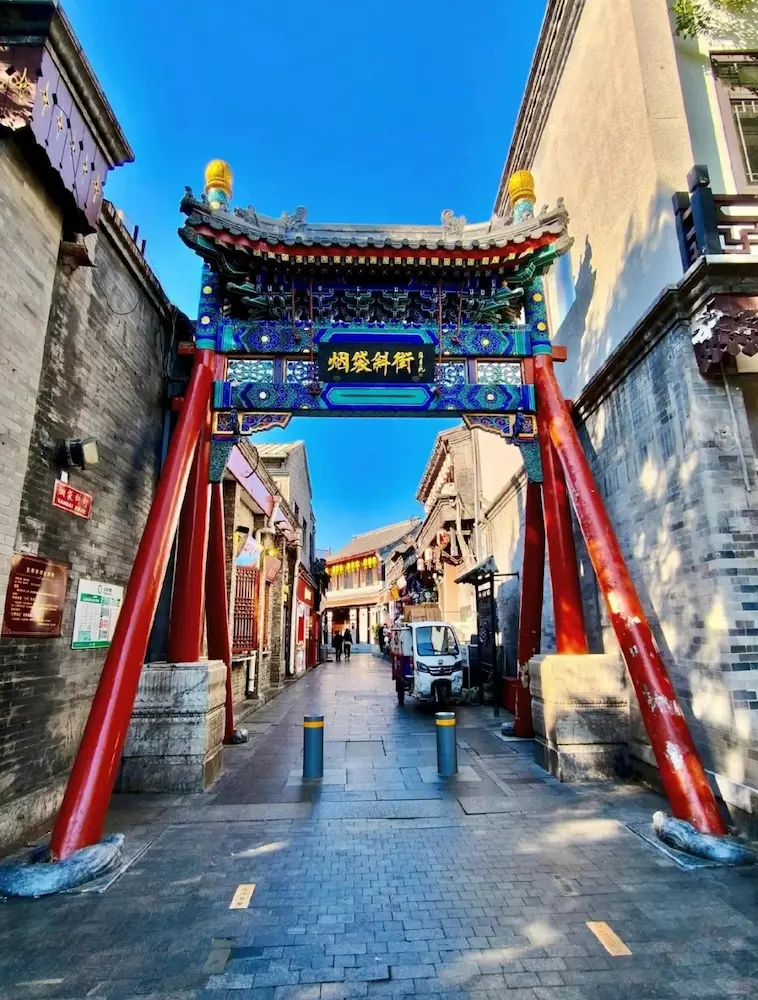
2. Yandai Xiejie: Experience Old Beijing Life in a Yuan Dynasty Hutong
This centuries-old sloping street, shaped like a tobacco pipe, retains its traditional charm. Stroll along cobblestone paths to watch folk artists craft sugar sculptures and clay figurines. At the end lies picturesque Shichahai.
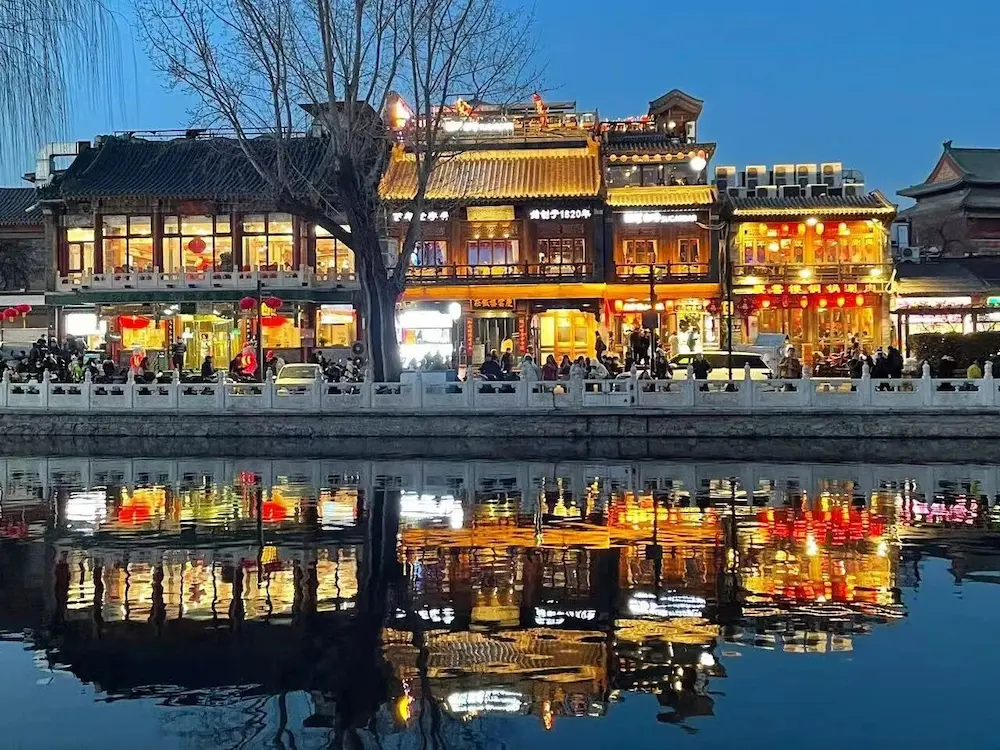
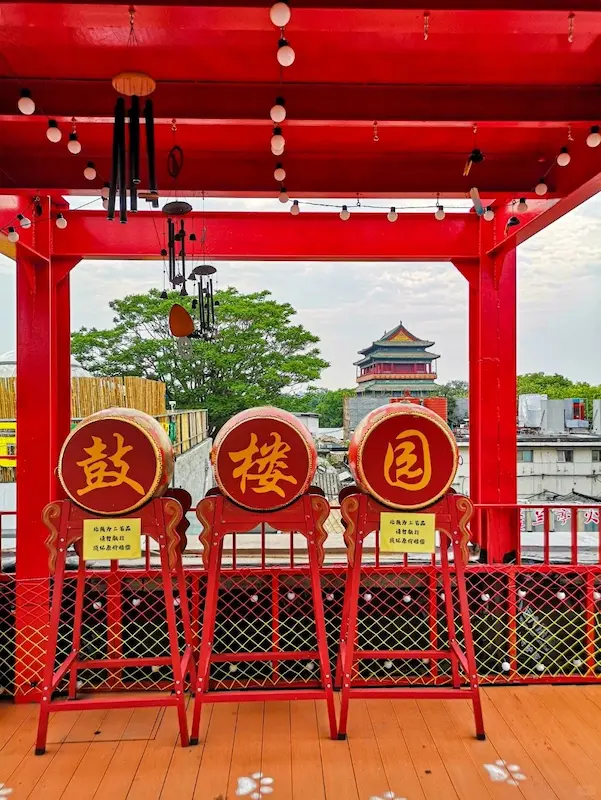
- Highlights: Yuan Dynasty staircase ruins, street performances of intangible cultural heritage, convenient location connecting Shichahai and Drum Tower, and unique specialty shops.
- Transportation & Tips: Direct access via Subway Line 8, Shichahai Station. Visit early to avoid crowds; exercise caution when choosing trendy street snacks.
3. Dongjiaominxiang: European Charm in Beijing’s Hutongs
As Beijing’s longest hutong, this former embassy district offers a distinct style from other alleyways. Lined with Western-style buildings, churches, and an old post office, it’s quiet and perfect for photography.
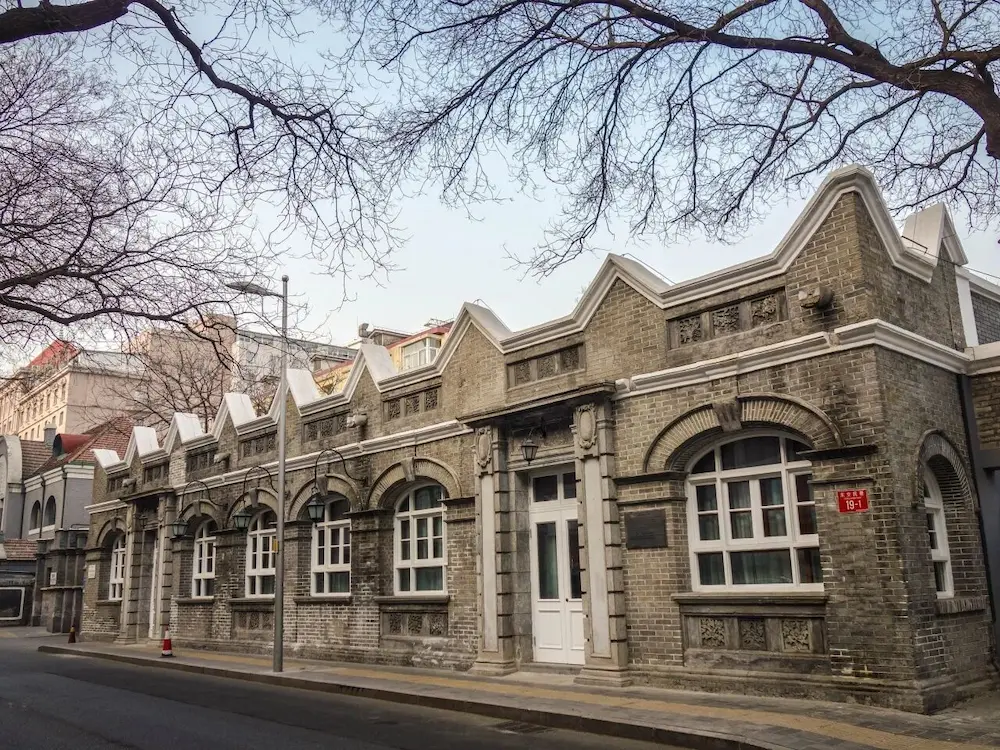
- Highlights: Gothic spires of St. Michael’s Catholic Church, the former French Post Office, and the free China Court Museum.
- Transportation & Tips: Accessible via Chongwenmen or Qianmen stations on Subway Line 2. Note that some buildings serve as offices; wear comfortable shoes and light-colored clothing.
4. Yangmeizhu Xiejie: Artistic Vibes and Slow Living in a Hutong
Quieter than Nanluoguxiang yet more vibrant than Wudaoying, this alley seamlessly blends old Beijing hutong charm with fresh, artistic boutiques. Historically, this area was home to numerous bookstores.
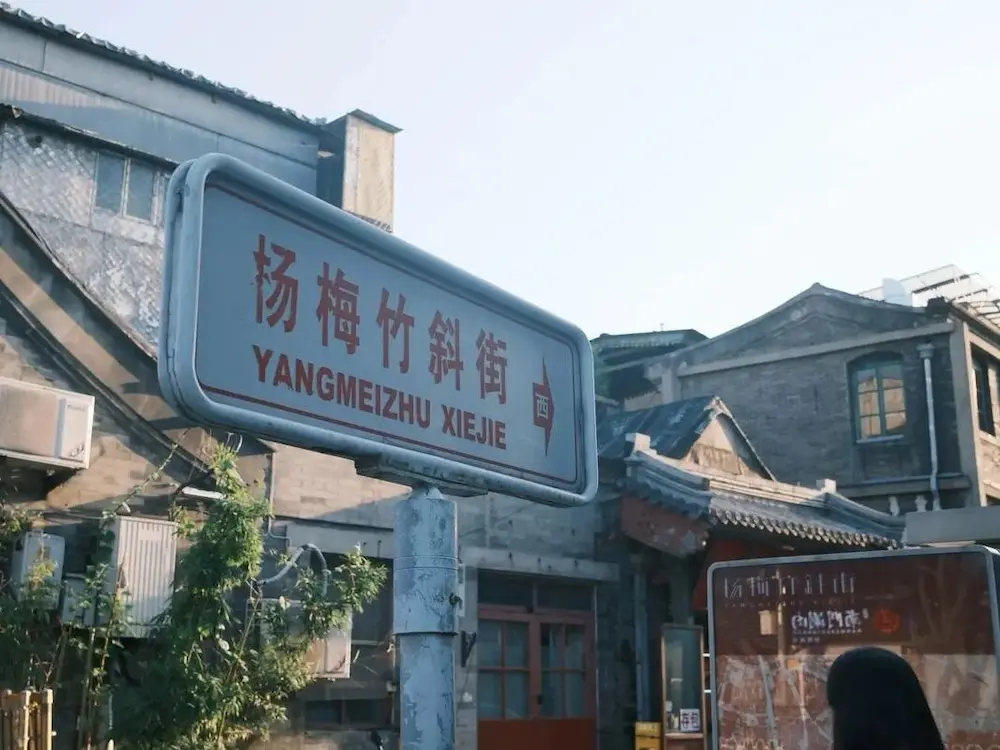
- Key Attractions: The Republican-era architecture and vintage books at Model Bookstore; the star-lit corridor at Meeting Someone restaurant; Cai Ci Fang, where artisans craft jewelry from antique porcelain shards; and views of the White Pagoda Temple glimpsed through the hutongs.
- Transportation & Tips: Accessible via Qianmen Station on Subway Line 2. Note that some shopfronts are inconspicuous, and certain small shops may require a purchase before permitting photography.
5. Guozijian Street (Chengxian Street): A Literary-Infused Ancient Street
Named for the Confucius Temple and Imperial Academy (the ancient highest institution of learning), this tree-lined street exudes tranquil scholarly charm. Along the street, you’ll find shops selling the Four Treasures of the Study and cultural experience centers.
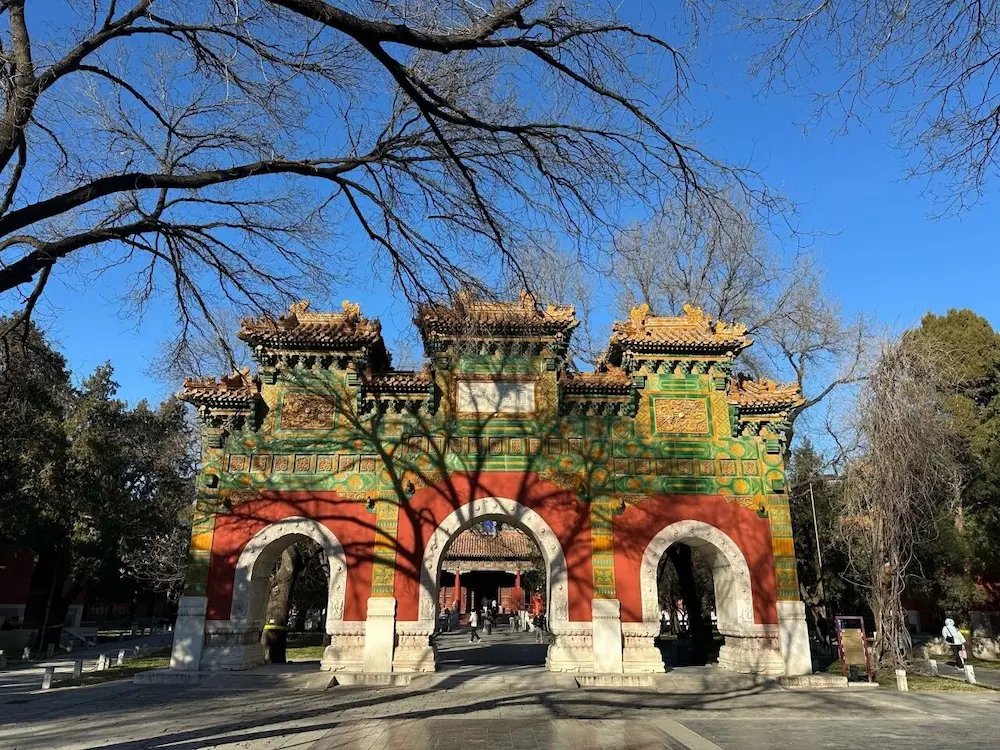
- Highlights: The red-walled, yellow-tiled Confucius Temple and Imperial Academy Museum (reservation required), ancient locust trees casting dappled light in summer, traditional craft workshops, and a popular stall selling freshly made donkey rolls.
- Transportation & Tips: Direct access via Yonghegong Station on Subway Lines 2 or 5. Separate reservations required for Confucius Temple and Imperial Academy; closed Mondays. Compare prices when purchasing stationery items.
6. Liulichang Cultural Street: A Haven for Calligraphy, Painting, and Antique Enthusiasts
This historic street stands as the heart of Beijing’s traditional culture, lined with time-honored shops selling brushes, ink, paper, inkstones, antiques, and calligraphy/paintings, filled with the scent of ink.
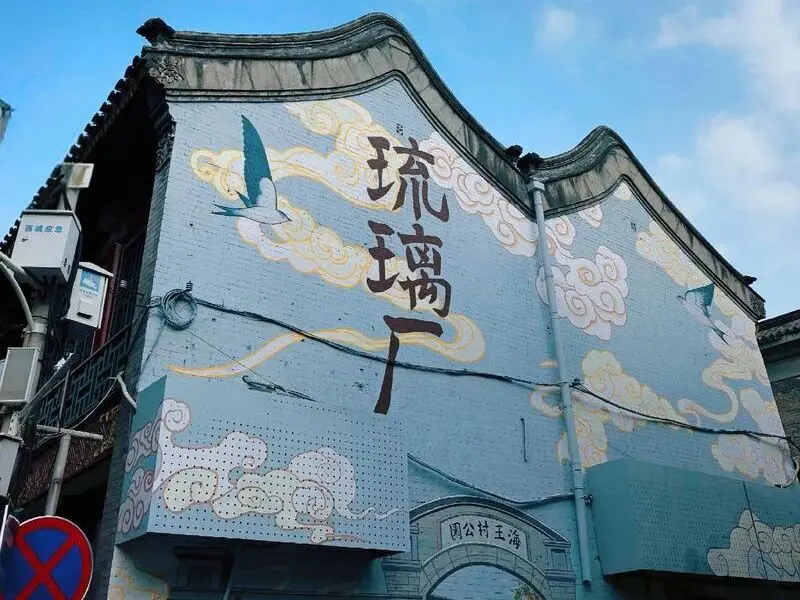
- Highlights: Watch master craftsmen handcraft brushes and grind ink, admire the dazzling array of antiques and artworks, witness street calligraphers at work, and appreciate the distinctive painted decorations on historic buildings.
- Transportation & Tips: Accessible via Caishikou Station (Subway Lines 7/9) or Hepingmen Station (Line 2). Exercise caution when purchasing antiques; opt for stationery from established shops. Note that most stores open after 10:00 AM.
May this guide help you effortlessly plan your itinerary, enabling you to explore Beijing’s story-filled streets and alleys like a local.