Exploring Beijing’s Nan Guanfang Hutong: The History of Grand Courtyard Houses and Siheyuan Architectural Culture
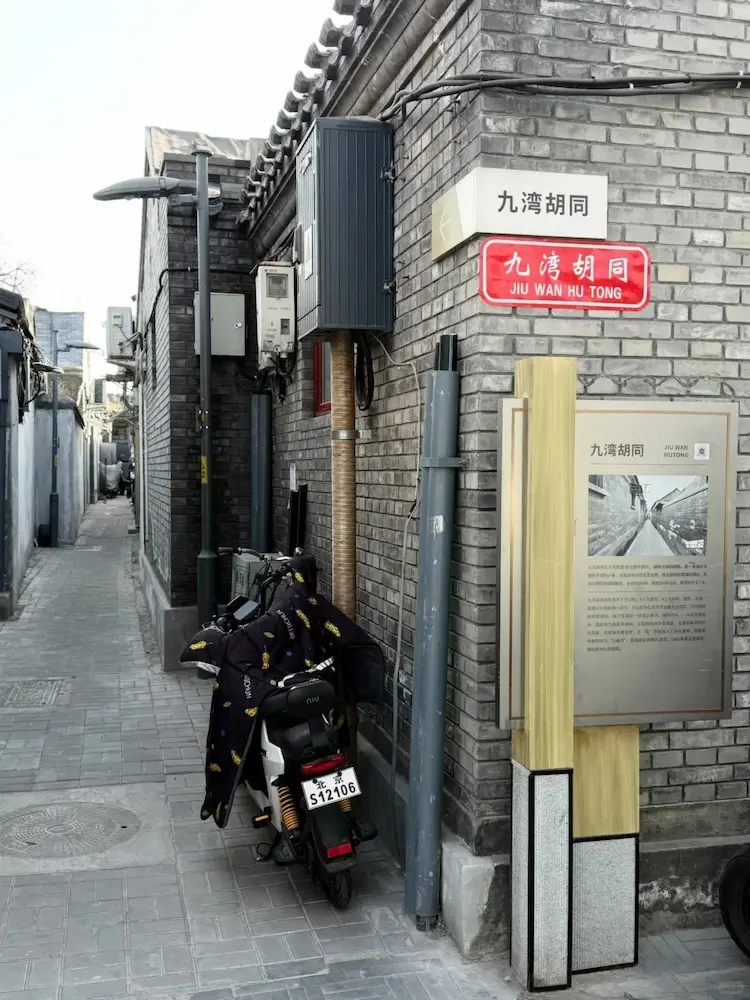
In the picturesque “Jinsitao” (Gold and Silk Set) hutong network of Beijing’s Shichahai area, there is a street full of stories—Nan Guanfang Hutong (South Official Residence Hutong). Like its neighbor, Beiguanfang Hutong, its name originates from the Qing Dynasty.
At that time, to address accommodation needs for officials coming to the capital from other provinces, the government built a large number of “official houses” (官房 guānfáng) here.
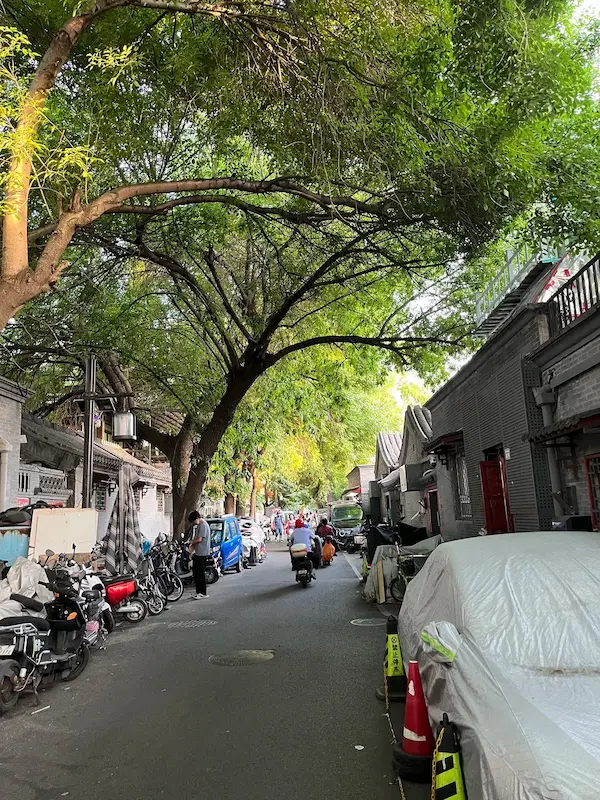
This hutong connects Qianhai North Shore to Yinding Bridge Hutong and is situated right next to the magnificent Prince Gong’s Mansion. It is a classic route for the “hutong tours” of Shichahai.
Every day, the clear ring of bicycle bells, the lively chatter of tourists, and the voices of rickshaw drivers telling stories about Beijing’s traditions all mix, creating a wonderful harmony between history and the present right here.
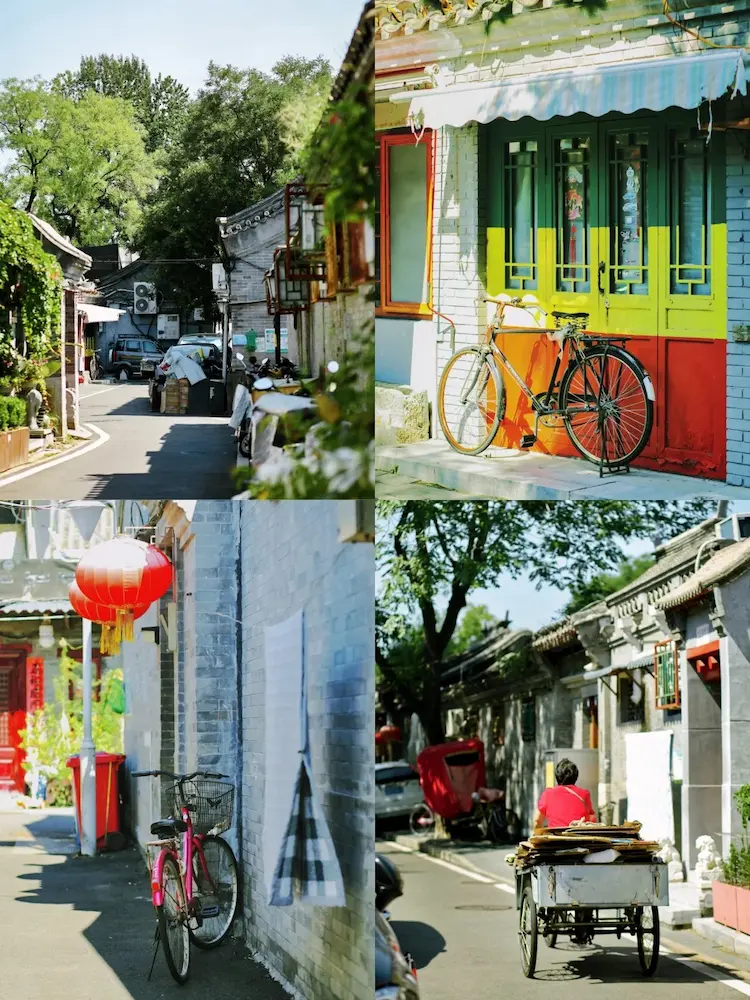
Table of Contents
The “Language” of Hutong Architecture: Deciphering “Matching Doors and Households”
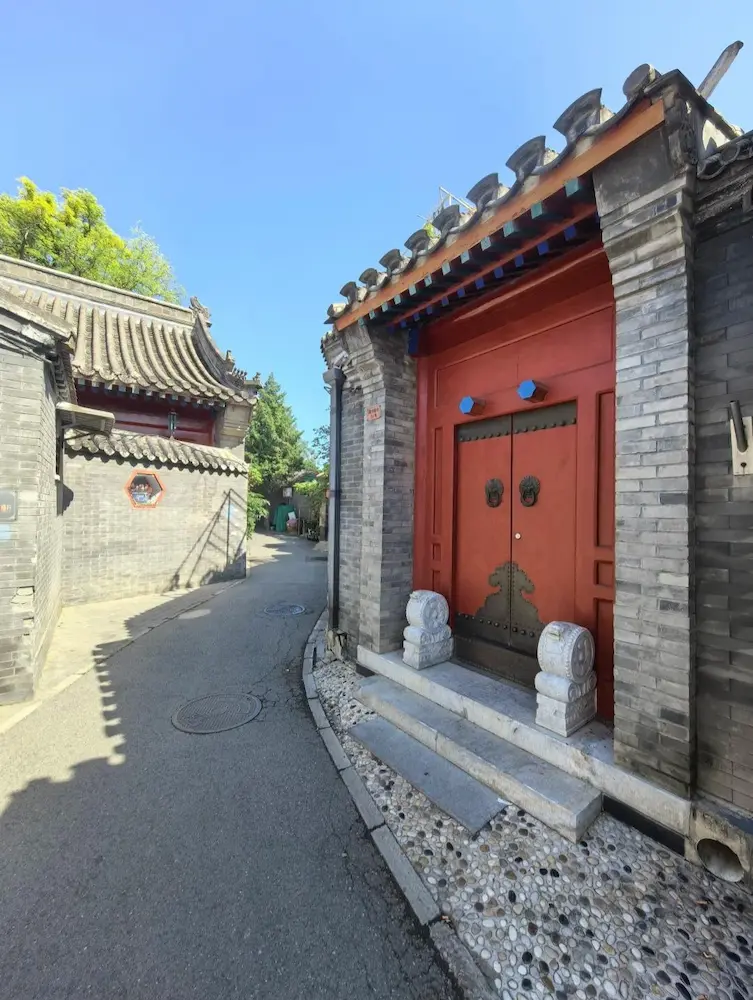
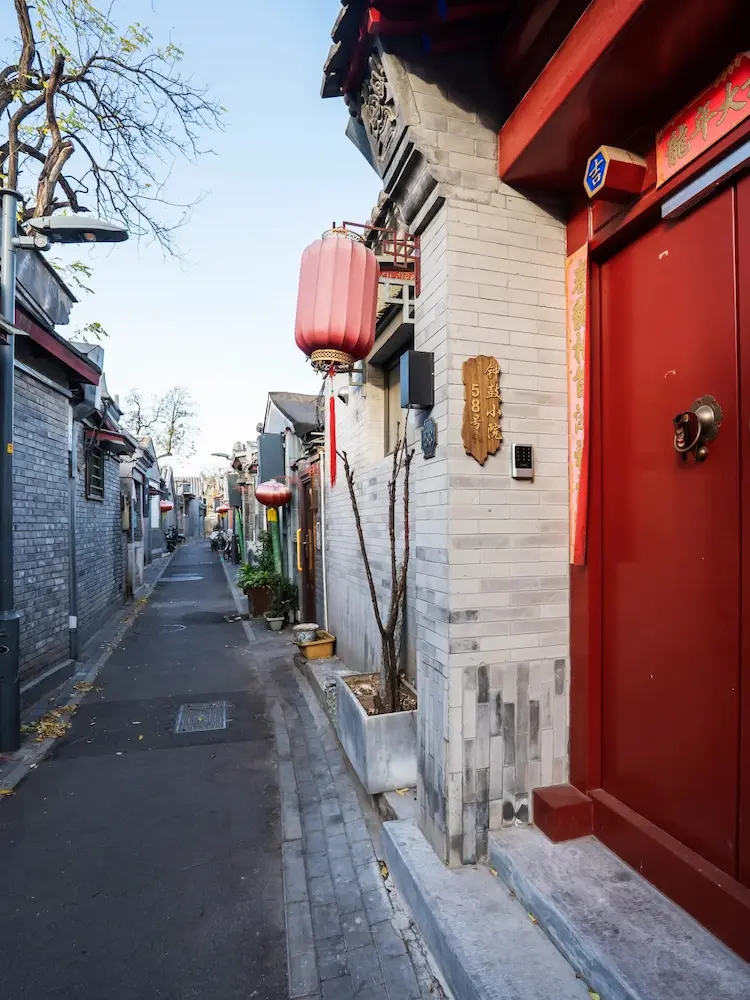
Strolling along Nan Guanfang Hutong, the most eye-catching features are the imposing “Grand Courtyard Gates” (大宅门 dà zháimén) on both sides.
To read the stories behind these old houses, you need to understand an interesting piece of ancient architectural knowledge—mén dāng hù duì.
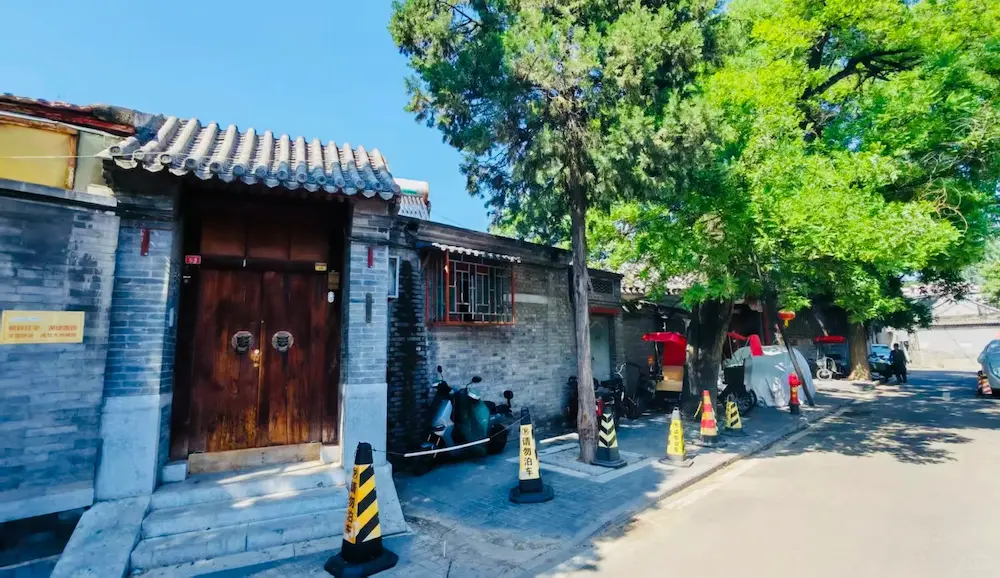
This is not only an idiom describing a well-matched marriage, but also a direct reflection of the hierarchical system in ancient Chinese architecture.
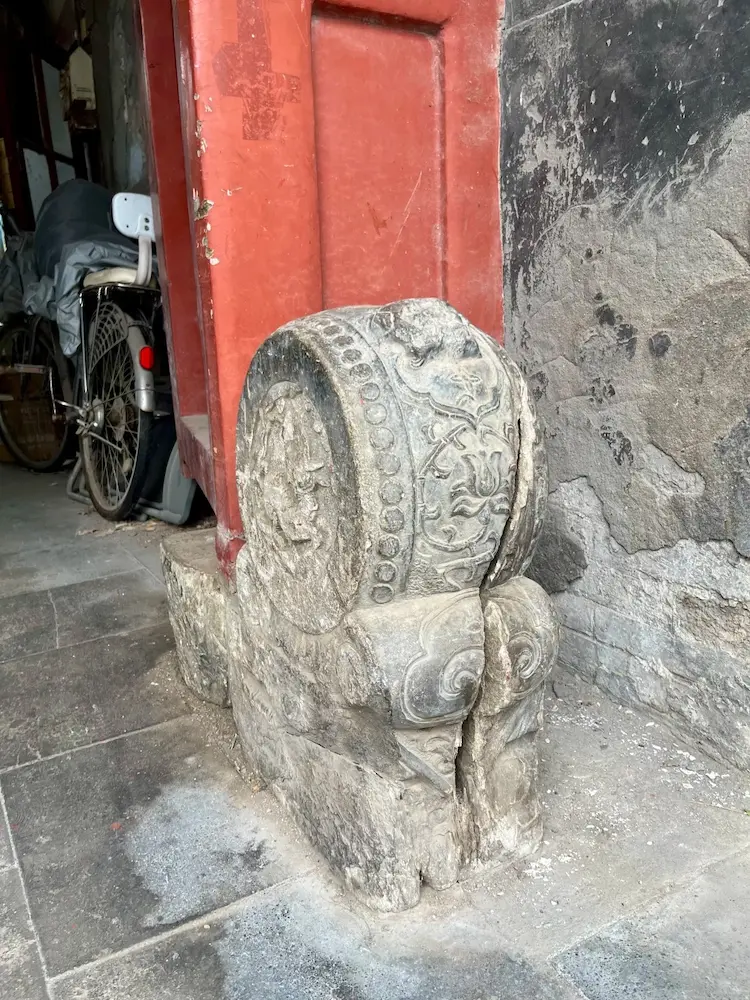
- “Mén Dāng” (Door Pillars): This refers to the door piers (门墩 mén dūn, also called drum-shaped stones) on either side of the main gate. They are not merely decorative; the extended “door pillow” (门枕 mén zhěn) inside bears the gate’s weight. The shape and carvings of the door piers hold significant meaning:
- Round Drum-shaped Door Piers: Typically found at the residences of military officials or high-ranking civil officials (featuring Guǎngliàng Dàmén or Jīnzhù Dàmén gate styles). They are often carved with auspicious motifs such as swastika patterns (万字纹 wànzì wén) or fish motifs.
- Rectangular Door Piers: Usually used for the homes of civil officials or common people (featuring Rúyì Mén gates). Common carving themes include “Two Dragons Playing with a Pearl” or “Kylin Delivering a Son.”
- “Hù Duì” (Household Opposites): This refers to the wooden door studs (门簪 mén zān) on the lintel above the main gate. Their number directly indicated the owner’s social status:
The Prince Mansion ranks the highest. Among ordinary residences, the most superior types—the Guangliang Gate and Jinzhu Gate—have four door hairpins.
The most common Rúyì Mén (ordinary residential gates) had only two door studs. These studs were often engraved with characters like “Peace” (平安 píng’ān) or auspicious floral patterns.
By observing these silent architectural details, the family status and historical stories behind a gate quietly unfold.
Every time I walk by, I love to crouch down and take a closer look:
Some door sills are carved with lotus flowers, others with lions; some are polished to a shine—all bearing the fingerprints of time.
The dignity and propriety of old Beijing are all encapsulated in this single door.
Historical Echoes Within the Deep Courtyards
The depth of Nan Guanfang Hutong lies not only in its architecture but also in the countless historical events it has witnessed.
Prince’s Mansions and Nunneries
Courtyard No. 47 was once the residence of Yin’e, the tenth son of the Qing Dynasty’s Kangxi Emperor, known as the “Mansion of the Tenth Prince.” He was involved in the famous power struggle known as the “Nine Sons Seizing the Succession” and was eventually placed under house arrest by the Yongzheng Emperor.
Today, the courtyard gate remains tightly closed, with a carved screen wall opposite seemingly still narrating that thrilling tale of palace intrigue.
Not far away, Courtyards No. 57 and 61 are the site of the Shengquan Nunnery, one of the “Nine Nunneries and One Temple of Shichahai.” Now, only a plaque remains, hinting at its former incense-filled days.
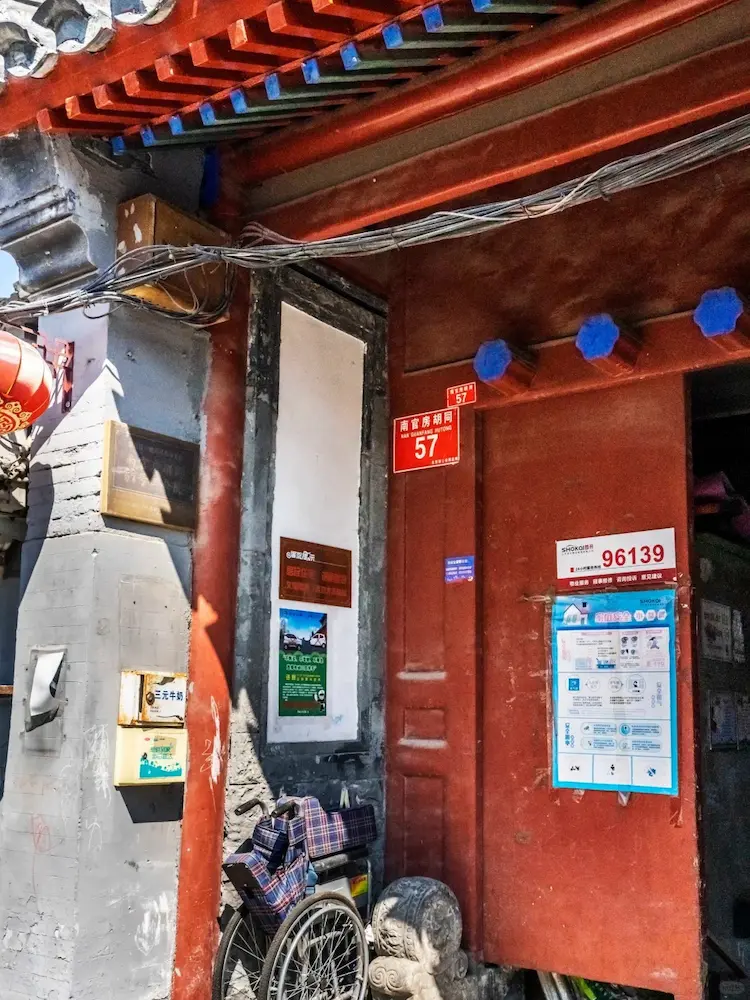
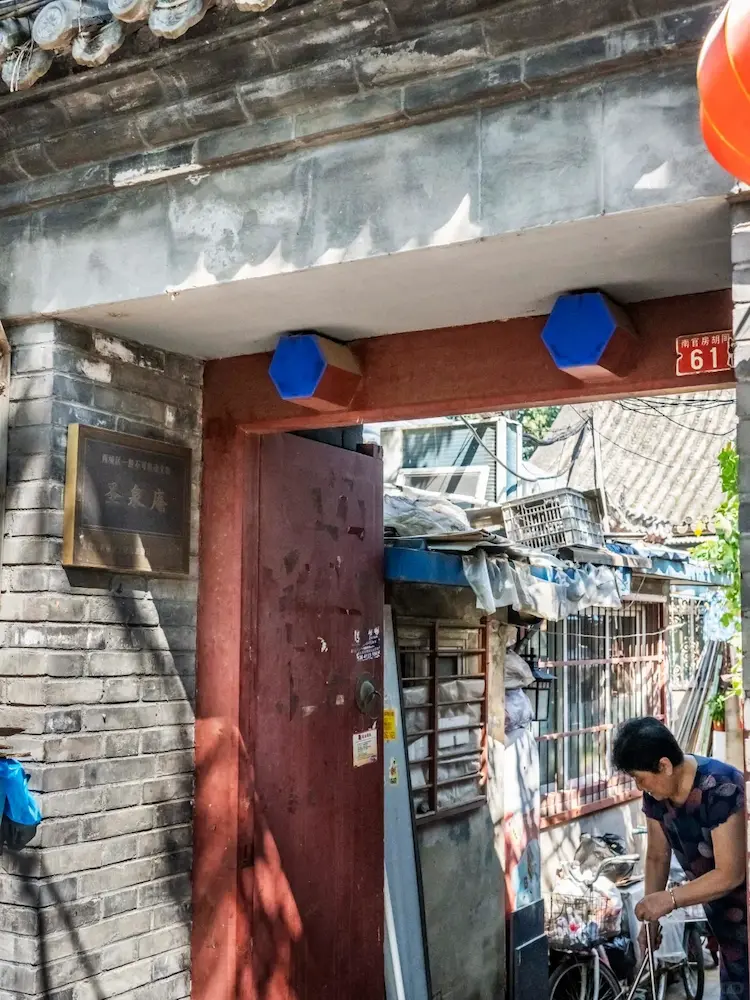
Scholars and Legends: In modern times, this area became a gathering place for cultural elites.
Courtyard No. 53 was once home to a remarkable couple: Feng Zi, former Vice-Chairman of the China Theatre Association (and the first actress to play “Si Feng” in the play Thunderstorm), and her American-born Jewish husband, Sidney Shapiro (Chinese name:沙博理 ShāBólǐ).
Shapiro was an outstanding translator. His Chinese name, meaning “博学明理” (learned and understanding), reflected his life. He titled his autobiography I Chose China, writing affectionately inside: “I fell in love with Feng, and I fell in love with the Dragon. Understanding and loving the Chinese Dragon made me love and cherish my Chinese Feng even more.”
Furthermore, eminent historians like Chen Yuan and renowned aesthetician Gu Sui (whose students include Redology scholar Zhou Ruchang and scholar Ye Jiaying) also lived here, imbuing this hutong with an air of scholarly refinement.
The Soul of the Hutong Amidst Old and New
Nowadays, Nanguanfang Hutong is in a lively state of blending the old and the new.
At the hutong entrance, there is the very popular restaurant Nanmen Shuanrou (South Gate Instant-boiled Mutton). Some courtyards—such as No. 10 Courtyard—have been restored with brand-new formal gateways, while No. 39 Courtyard now serves as a place for receiving tourist groups.
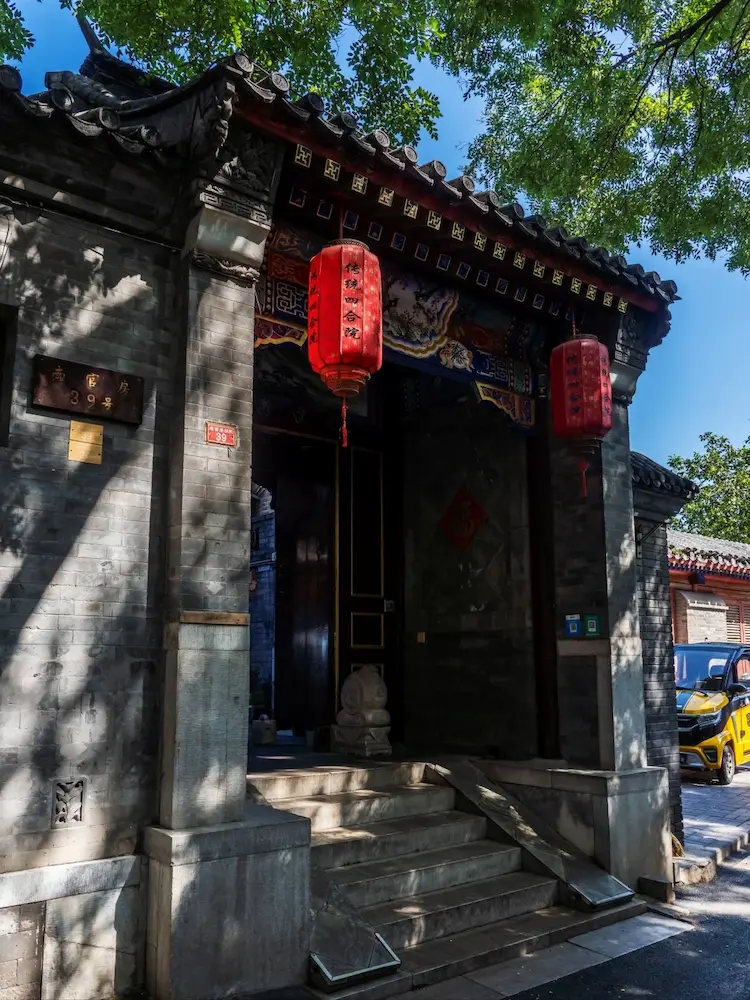
However, amidst these changes, many old courtyards still stand quietly, preserving their original character. Perhaps it is this adherence to tradition that leads to wonderful serendipity.
After several visits, I was fortunate to meet the owner of Courtyard No. 12—Mr. Wang Chifeng. He is the fourth-generation inheritor of the Jin’s Court Kite craft and is known as the “Eagle King.”
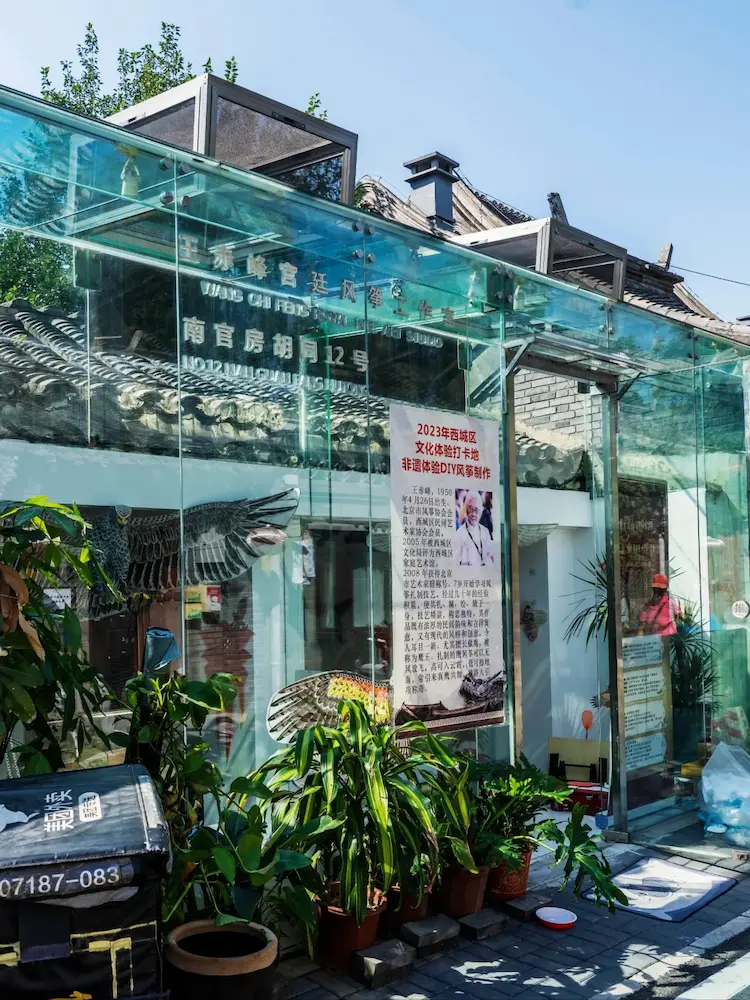
His kites are made with such superb skill that they can “fly without wind.” He has converted part of his small courtyard into a glass-walled kite studio, giving new life to this ancient art form here.
Nan Guanfang Hutong is like a three-dimensional history book, containing both grand narratives and warm, minute details.
From princely mansions and officials’ residences to scholars’ refined abodes, from exquisite architectural symbols to living intangible cultural heritage, it completely preserves “the charm of old Beijing within the siheyuan courtyards”—what many consider the very “soul of Beijing.”
As you walk here, you can not only touch the bricks and stones of history, but also feel the timeless, beating passion for life and the pulse of culture that spans all ages.
The Hidden Charm of Nanguanfang
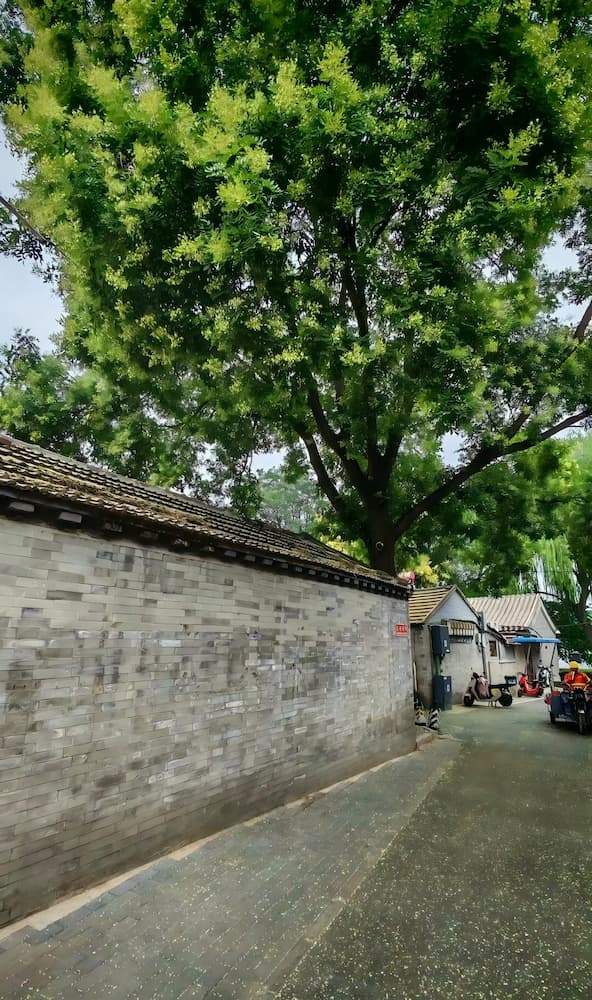
- Some of the old courtyard gates have been newly restored, while others are weathered and worn; the juxtaposition of old and new gives the place a distinct sense of history.
- The flower pots at the base of the walls, the folding stools by the door, and the old trinkets on the windowsills—all capture the authentic essence of life in a hutong.
- The early morning is the quietest time; the sunlight slants across the door sills, casting a glow so gentle it brings tears to your eyes.
- The stories told by the tricycle drivers are sometimes even more fascinating than any travel guide.