Exploring Beijing’s Sanqiaoqiao Hutong: In Search of the Lost Ancient Bridges of Beijing
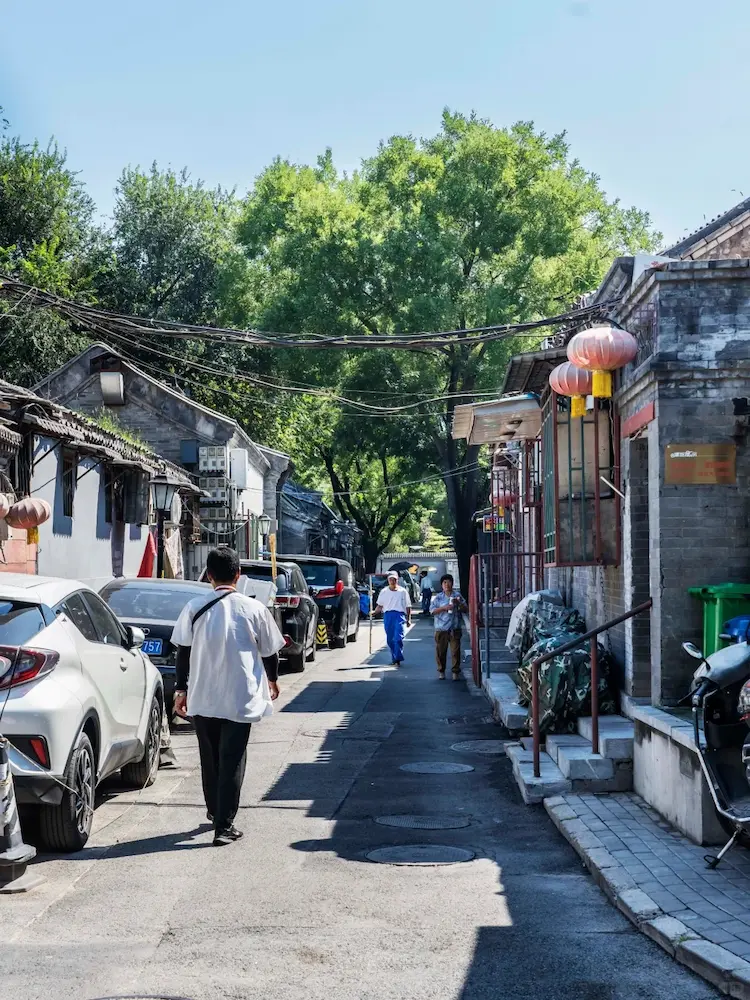
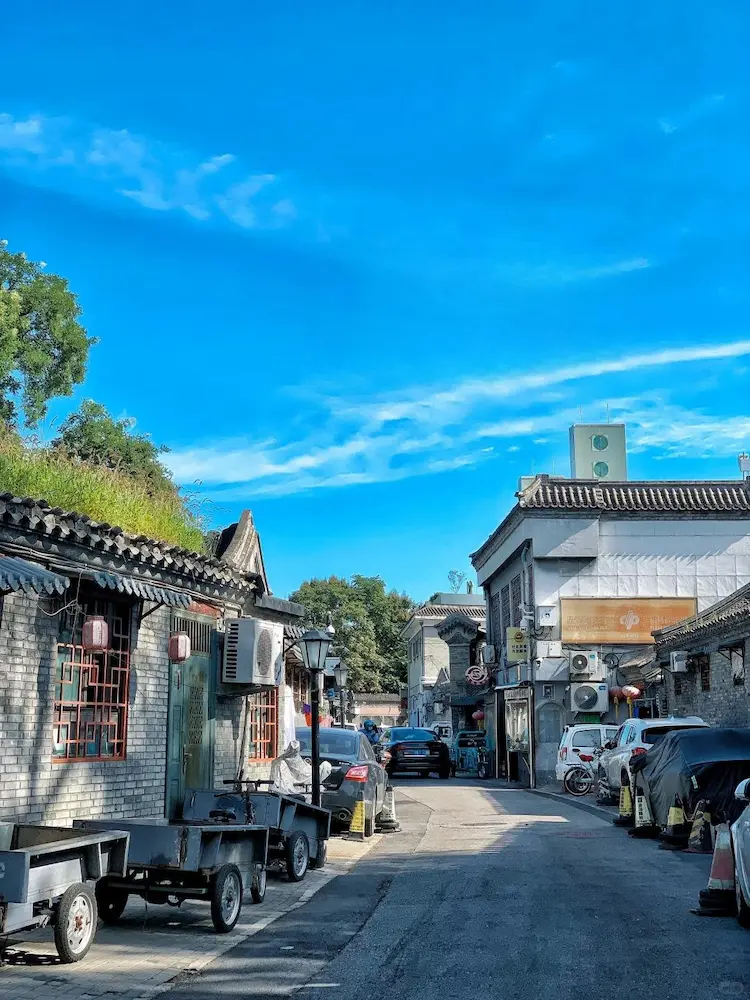
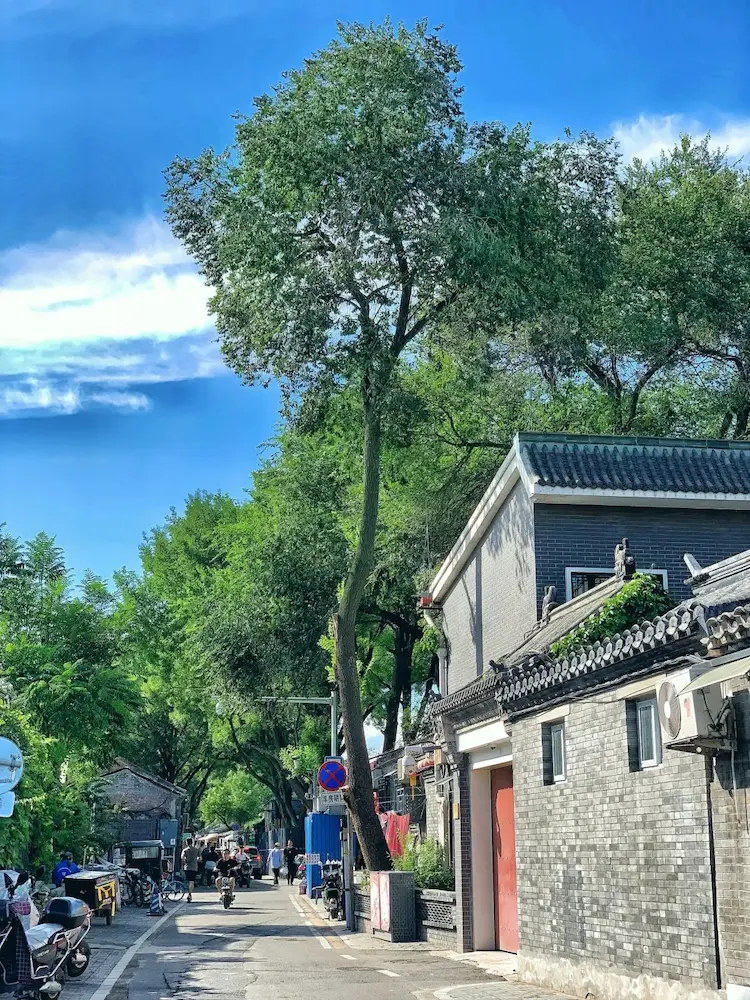
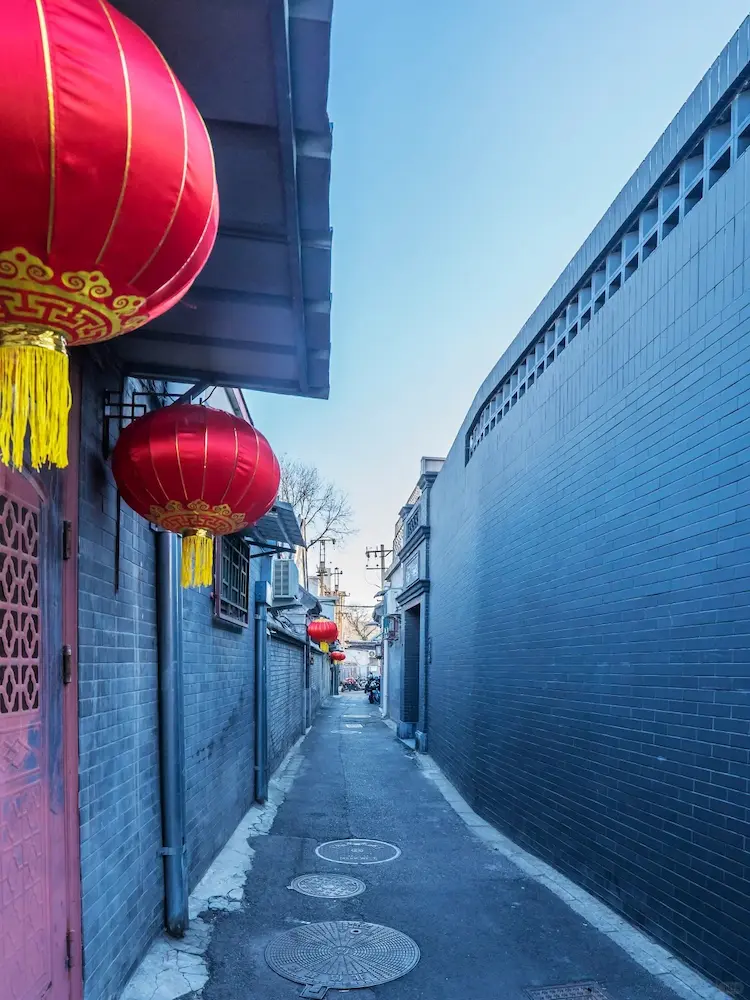
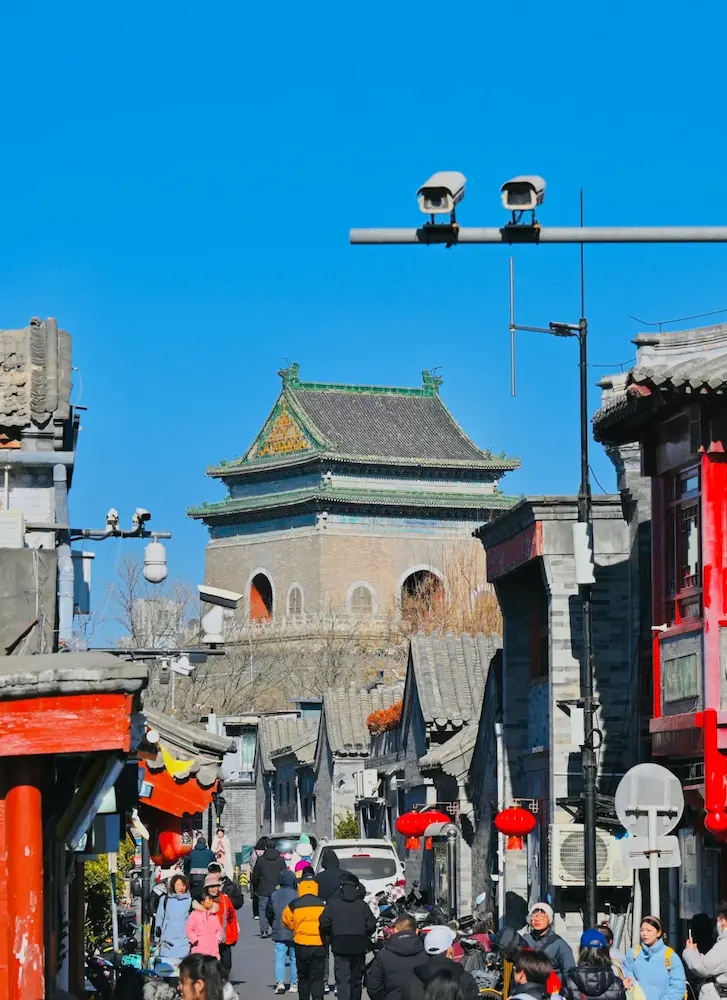
If you wander through the Shichahai area of Beijing, you may step into an ancient lane named Sanqiaoqiao Hutong. Stretching from Qianhai West Street in the north to Di’anmen West Street in the south, it is now a major thoroughfare leading to the famous scenic spot of Prince Gong’s Mansion. But have you ever wondered where the bridge in this hutong’s name is, and what stories lie behind it?
Table of Contents
Where Is the Bridge? The Historical Mystery Behind the Name
Sanqiaoqiao Hutong gets its name from a bridge that has long vanished. According to the Records of Shuntian Prefecture, there was once a stone bridge here called Yueqiao Bridge, also known colloquially as “Sanqiaoqiao (Three Bridges)”. It was a single-arch stone bridge spanning the Crescent River (also named Yuhe River).
The Crescent River is no natural waterway; it was an artificial canal dug during the Ming Dynasty to regulate the water levels of the Three Seas in the imperial city (today’s Zhonghai, Nanhai, and Beihai Lakes). The river once flowed east from Deshengqiao Bridge, passed Liguangqiao Bridge, turned towards Liuyin Street, followed the west wall of Prince Gong’s Mansion, and finally emptied into the Taiye Pool (part of today’s Beihai Lake) via Sanqiaoqiao Bridge, Xiangzhaqiao Bridge, and other water crossings.
Interestingly, despite the name “Three Bridges”, there seems to have only been one bridge here in history. Scholars speculate that the term “Three” may be an abbreviation of “the Third Bridge”, referring to the third bridge from the river’s source. Unfortunately, in 1952, the Crescent River was converted into an underground sewer, and the bridge was demolished. Only the name Sanqiaoqiao Hutong remains, like a historical bookmark marking the scenery of the past.
During the Ming and Qing dynasties, this place was a favourite among literati and poets. Poets such as Hu Yan and Wu Songliang wrote poems like Yueqiao Bridge and Ode to Yueqiao Bridge to praise its scenery, allowing us to imagine the bustling scene of a small bridge over a flowing river back then.
The Hutong Then and Now: From a Living Space to a Tourist Thoroughfare
Today’s Sanqiaoqiao Hutong is a far cry from its former self.
At the northern entrance of the hutong stands the exit of Prince Gong’s Mansion, once the residence of Heshen, a powerful minister of the Qing Dynasty, and later the mansion of Prince Gong Yixin. Now it is one of the best-preserved royal mansions in Beijing and a popular tourist destination. Courtyard No.21 in the hutong was once the stable of Prince Gong’s Mansion, and it was originally part of the same complex as the current Former Residence of Guo Moruo.
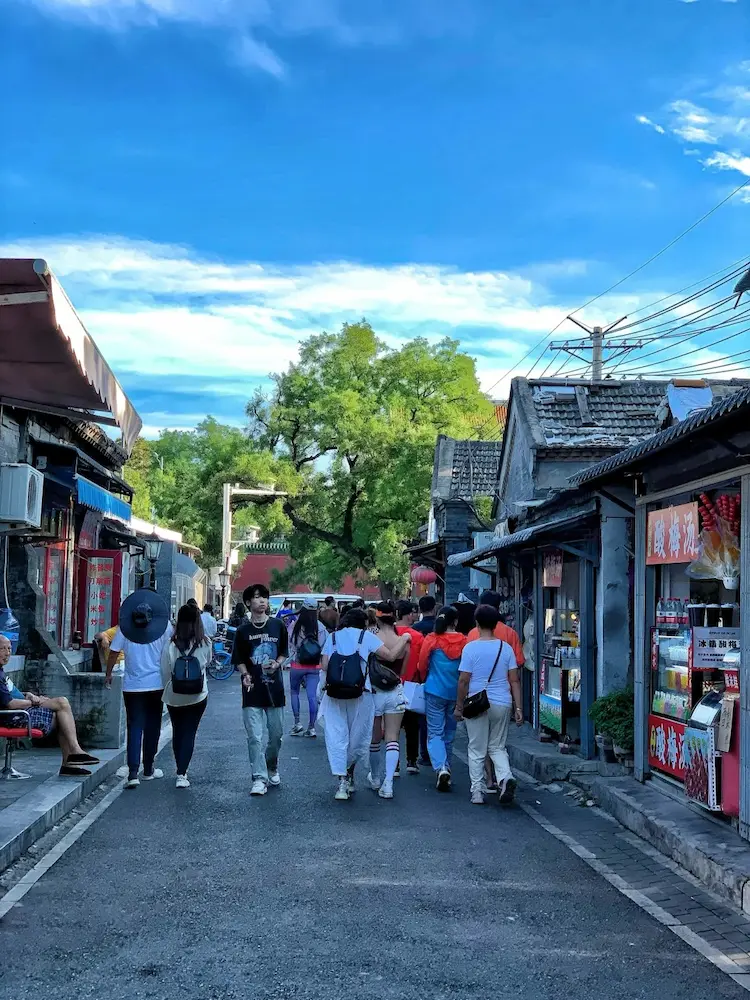
At the southern entrance, the Hong Kong Economic and Trade Office in Beijing is on one side, and Beihai Subway Station on the other. Thanks to its prime location connecting a famous scenic spot and a transportation hub, many of the once-quiet residential courtyards in the hutong have been transformed into cultural and creative shops and snack bars catering to tourists.
Walking down this hutong, you may feel a strange sense of familiarity. The goods sold here are the same generic items found in many other tourist spots across China—bamboo tube milk tea engraved with “Beijing”, T-shirts printed with cartoon emperors, and indistinguishable “old Beijing” pastries. Ironically, the genuine charm of old Beijing is hard to find here.
The Fading Charm and the Rhythm of Daily Life
Sour plum soup is a classic creation of old Beijing. According to Records of Customs in Peiping, the traditional method is as follows: simmer dark plums in plenty of water, add rock sugar and sweet-scented osmanthus during the simmering process, strain out the residue once done, and then chill the broth thoroughly—that’s all there is to it. Yet achieving the perfect balance of the proportions of dark plums, water, sugar and osmanthus is a closely guarded secret of each shop. Back in old Peiping (now Beijing), the sour plum soup served at Xinda Zhai on Liulichang Street was renowned as the finest of all.
However, the sour plum soup the author tasted was overpowered by the taste of artificial additives, a far cry from the pure, exquisitely balanced sweet and sour flavour infused with the delicate fragrance of osmanthus etched in his memory.
This change is far more than just about a single drink. It is a microcosm that reflects the deeper shifts taking place: when a place where generations have lived and settled slowly becomes a mere destination for consumption and tourism, the unique vibe of daily life, forged painstakingly over time, fades away.
Take, for example, the ever-shifting play of light and shadow in the courtyards with the rising and setting sun, the gentle rapport honed by generations of neighbours living in the same courtyard, and the memories embodied in the century-old crafts passed down through the ages… This “rhythm of daily life”—something that cannot be replicated quickly and only grows rich with the passage of time—seems to be fading and dissolving amid the pursuit of instant gratification and commercial gain.
The Name Is the Last Remnant
Thus, the story of the “bridge” in Sanqiaoqiao Hutong is not only a historical tale of geographical changes, but also a modern reflection on cultural memory. Though the bridge is no longer visible, its name endures, reminding people that there was once a river, a bridge, and a different kind of scenery here.
Like many old lanes in Beijing, this hutong stands at the crossroads of the past and the present. It attracts tourists from all over the world who come to explore “old Beijing”, but how much of what they see and experience is the genuine heritage forged by time, and how much is just quickly packaged consumption symbols?
Next time you visit Sanqiaoqiao Hutong, besides taking photos and buying souvenirs, try to imagine this: hundreds of years ago, a poet standing on that single-arch stone bridge, watching the river flow slowly toward the imperial palace; or decades ago, residents of the hutong fanning themselves, chatting and drinking authentic sour plum soup boiled with dark plums and sweet-scented osmanthus on a summer night. These imaginings may help you touch the deeper, more vivid side of Beijing hidden behind this name.