Hongshan Hutong in Beijing: Past and Present, a Century-Old Tapestry of Stories
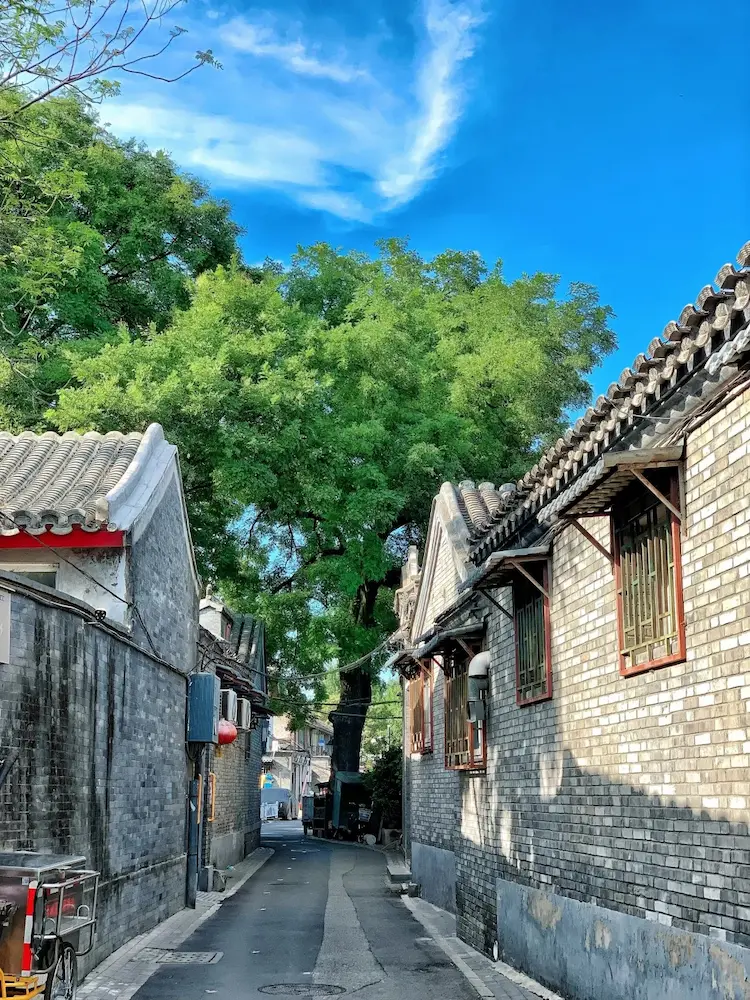
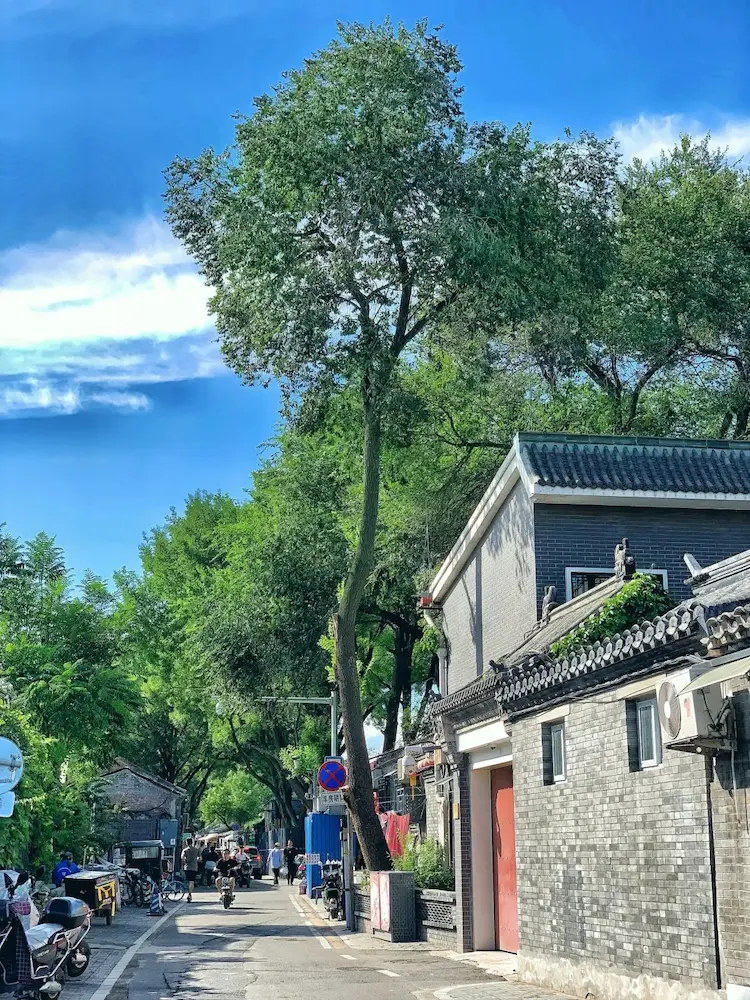
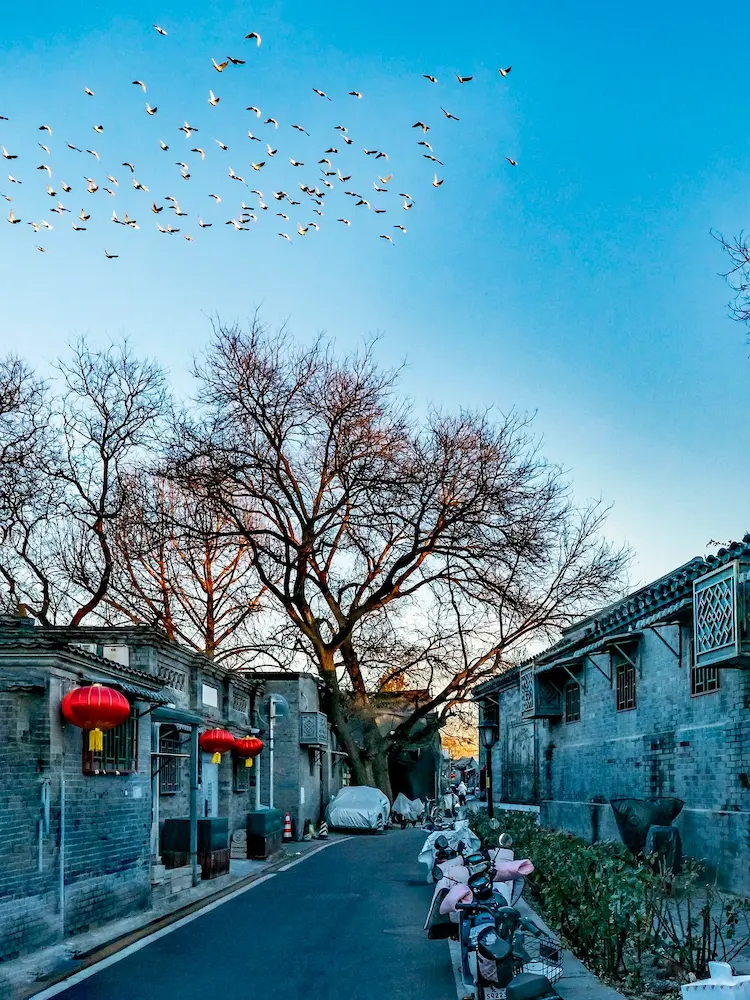
In Beijing, the crisscrossing hutongs are like the capillaries of this ancient city. Today, we’ll take you to a special little lane—Hongshan Hutong. It is short, taking only two or three minutes to walk from one end to the other, yet the stories it holds span centuries.
Where is Hongshan Hutong?
This east-west hutong stretches about 234 meters, running from Songshu Street in the east to Deshengmen Inner Street in the west.
How Did Hongshan Hutong Get Its Name?
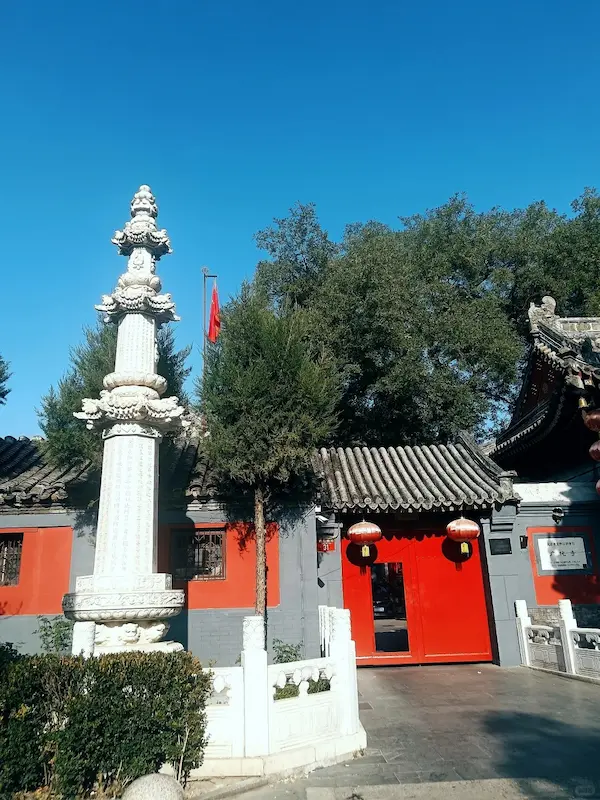
The story dates back to the Ming Dynasty. Back then, a famous temple named Hongshan Temple stood here, built between 1488 and 1505. Because of this temple, the lane was known as “Hongshan Temple Street” in the Qing Dynasty, and it was officially named Hongshan Hutong in 1965. Thus, the temple is the true “soul” of this hutong.
What Happened to the Temple?
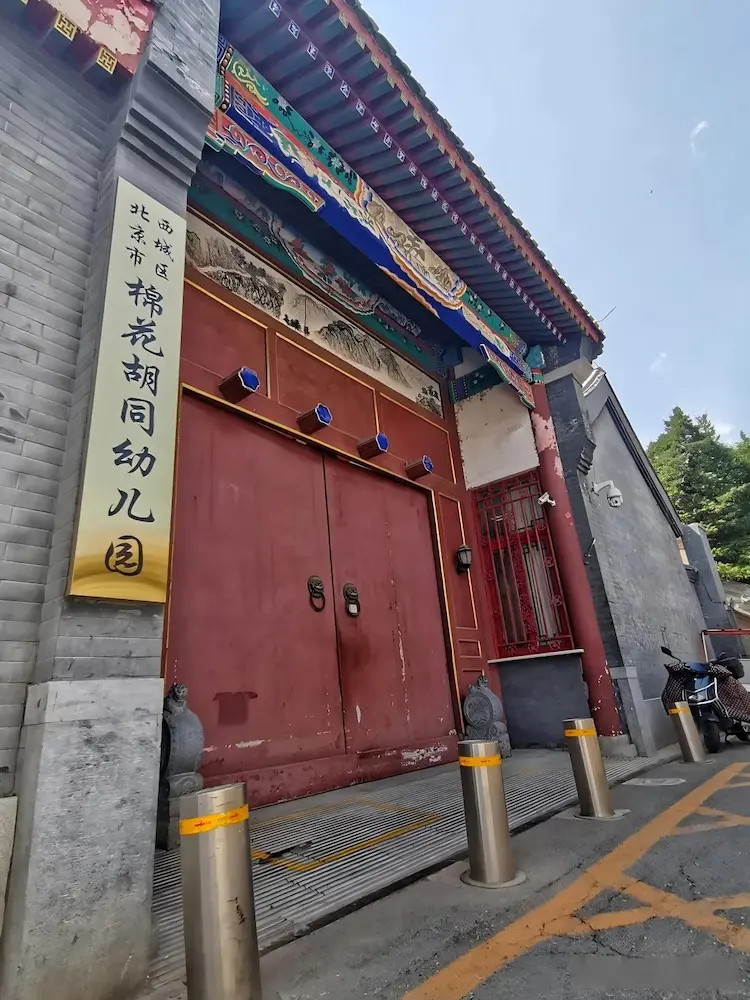
Today, when you walk into the hutong, no trace of the original temple remains. After 1949, Hongshan Temple was converted into a primary school—Hongshan Primary School. The renowned poet Bei Dao recalled his experience of transferring to this school in 1957 in his book The City Gate Opens. He remembered the school bell made of railway tracks and the snack vendors at the school gate. Later, the primary school was turned into the present Mianhua Hutong Kindergarten. Today, all you can see is the kindergarten’s tightly closed gate, with a waiting area for parents at the entrance.
Who Else Lived Here Besides the Temple’s Residents?
This hutong was also home to a renowned calligrapher and scholar, Feng Yiwu (1903-2000). During his time living here, he wrote several books on calligraphy. His former residence is now a calligraphy studio, with no sign hanging at the gate, making it hard for ordinary passersby to notice.
What Does the Hutong Look Like Today?
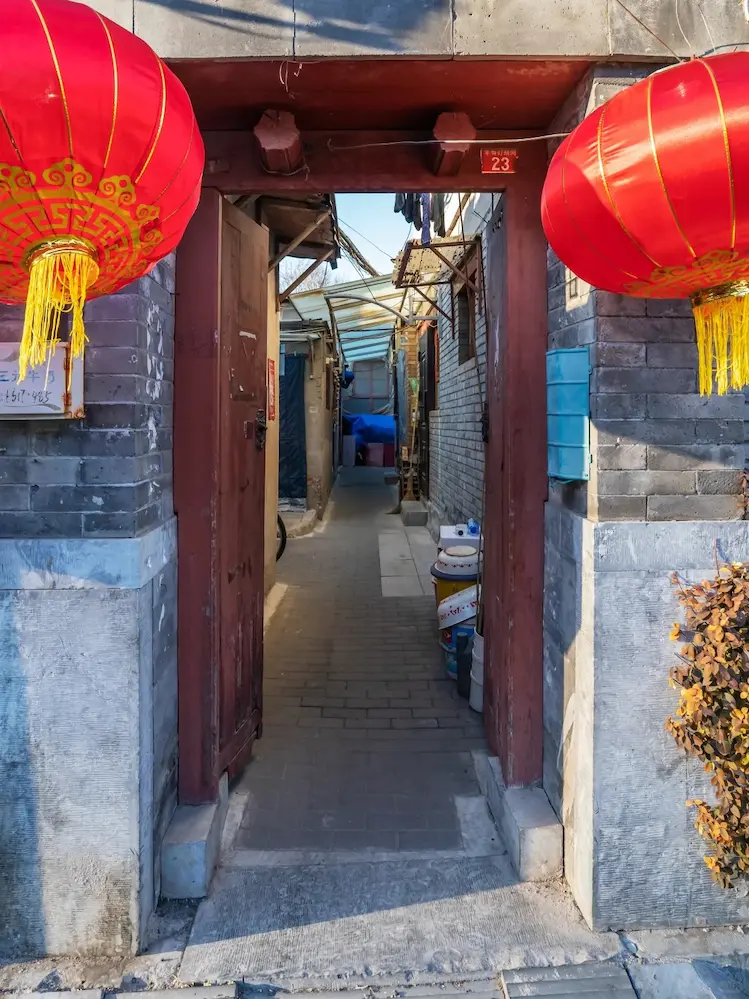
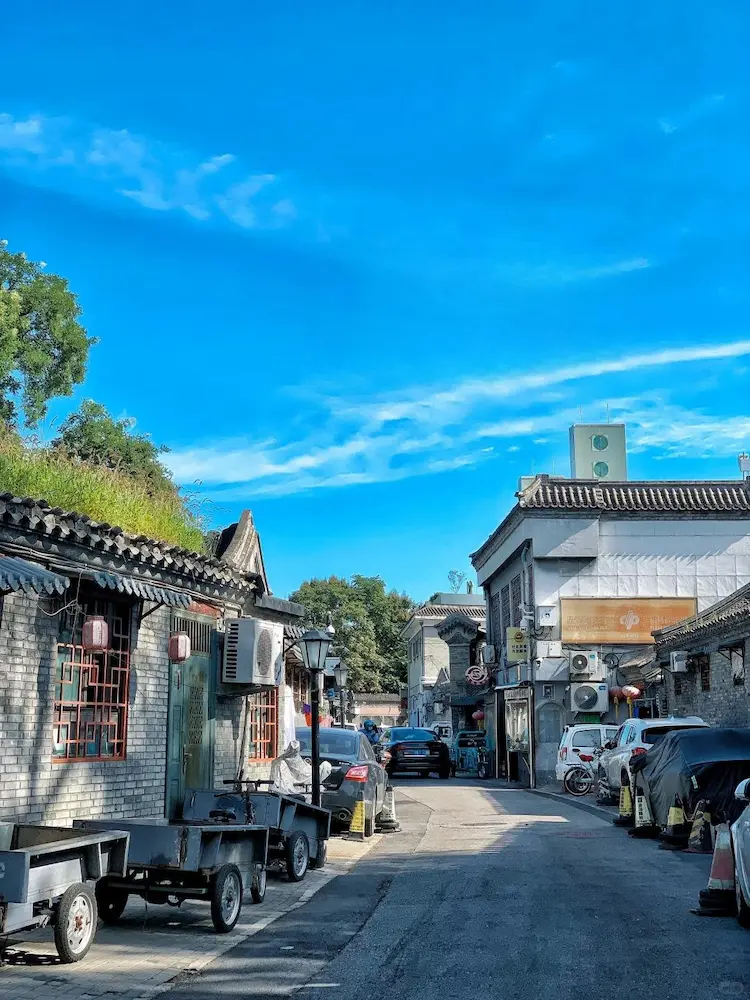
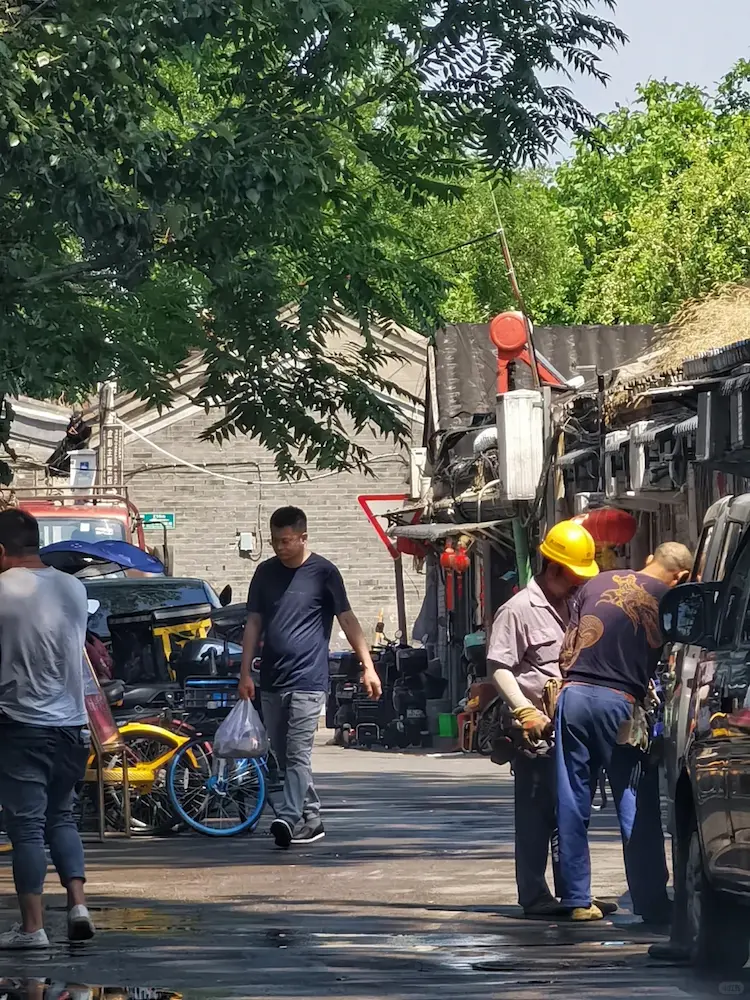
Today’s Hongshan Hutong is like a mosaic of mixed elements. It houses the Tianhongshan Hotel for tourists, a small grocery store, and many simple, modest single-story cottages. Old and new buildings stand side by side, with cars and electric scooters coming and going, making this narrow hutong a little crowded and noisy.
Why Is This Hutong Worth a Visit?
Hongshan Hutong is a microcosm of Beijing’s story. It has evolved from a Ming Dynasty temple, to a school, and now a kindergarten; from the abode of literati and scholars, to a crowded residential area for ordinary citizens. It tells us that Beijing is not just about grand palaces and famous scenic spots, but also about these hutongs brimming with the vitality of daily life. These hutongs are precious cultural “fossils” that record history, while also bearing the real-life pressures and challenges of modern people. They exist in a rich, living complexity—and that is one of the most fascinating things about the city of Beijing.