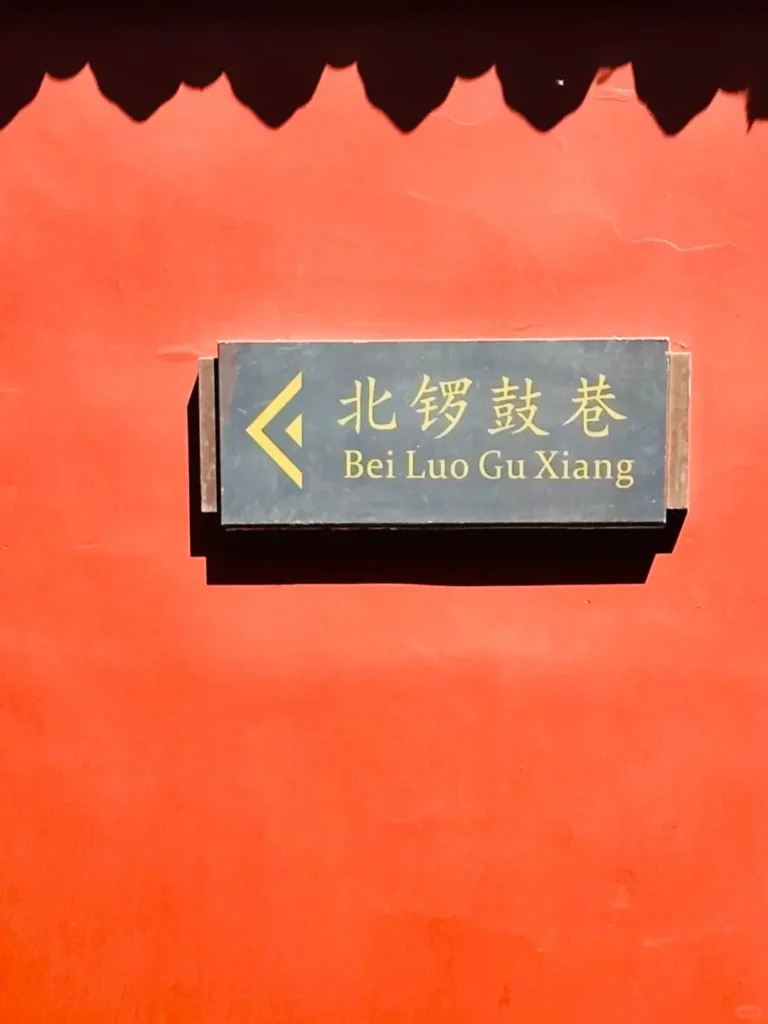
Guide to Yangfang Hutong in Beijing: A Serene, Authentic Hutong Near Qianmen (Travel Guide + Practical Tips)
Yangfang Hutong is one of the lesser-known hutongs in central Beijing. Tucked away from the usual tourist routes, it offers a glimpse into the most authentic local life of old Beijing.
Unlike Beijing’s famous “Instagram-worthy” hutongs, this area is quiet and unpretentious, free from excessive commercialization, and still retains the genuine character of a residential neighborhood.
Having lived in Beijing for over a decade and explored countless hutongs, Yangfang Hutong is one of the few places where you can truly experience the authentic, everyday atmosphere of old Beijing.
This guide will explain its unique features, offer tips for exploring, and detail how to get there, helping you discover this off-the-beaten-path hutong experience near Qianmen.
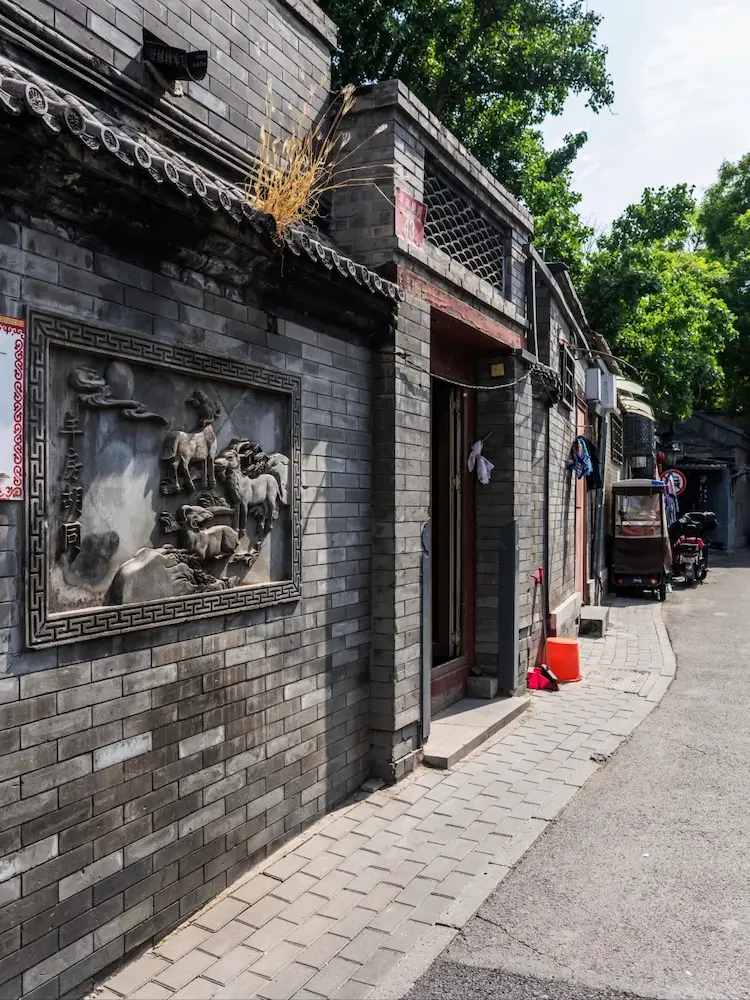
Table of Contents
Is Yangfang Hutong worth a visit?
The answer is a resounding yes—if you want to experience a quieter, more authentic side of Beijing’s hutongs, this place is well worth a visit.
However, it is not a major tourist attraction in Beijing and lacks specific photo spots. It’s best to stop by while exploring the Qianmen area, incorporating it into your itinerary around Qianmen and Tiananmen Square to experience a unique sense of tranquility right next to the bustling city center.
Where is Yangfang Hutong?
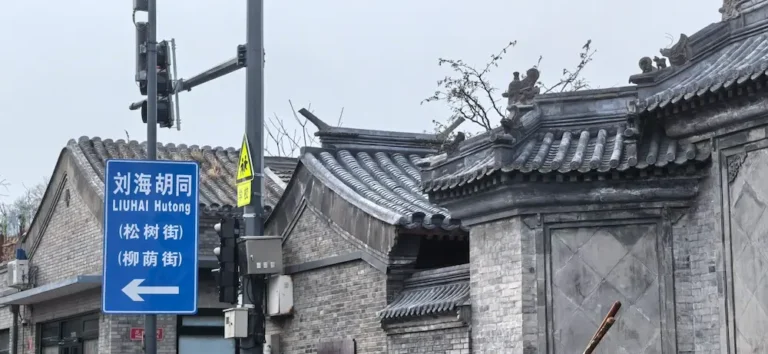
Yangfang Hutong is located in the heart of the Qianmen area in Beijing, right in the city center and not far from Tiananmen Square. It stretches 471 meters from Liuyin Street in the east to Deshengmennei Street in the west.
You can easily walk to nearby attractions like Qianmen and Houhai from here, making it a hidden gem to escape the crowds after visiting the popular tourist spots.
What Makes Yangfang Hutong Unique
An Authentic, Uncommercialized Local Hutong
Yangfang Hutong is a genuine residential neighborhood, free from clusters of trendy shops or creative boutiques, and devoid of the constant clamor of street vendors. It stands in stark contrast to tourist-packed hutongs like Nanluoguxiang and Yandaixiejie. Here, only long-time residents live, preserving the most authentic essence of old Beijing hutongs.
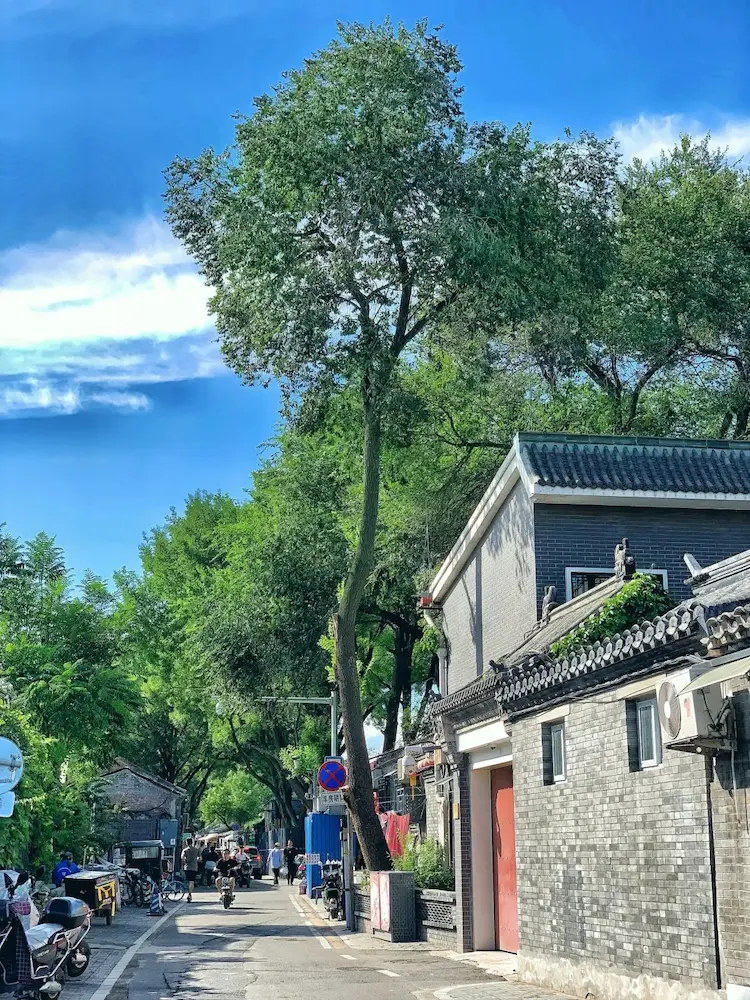
Traditional Hutong Layout, Imbued with Old Beijing Charm
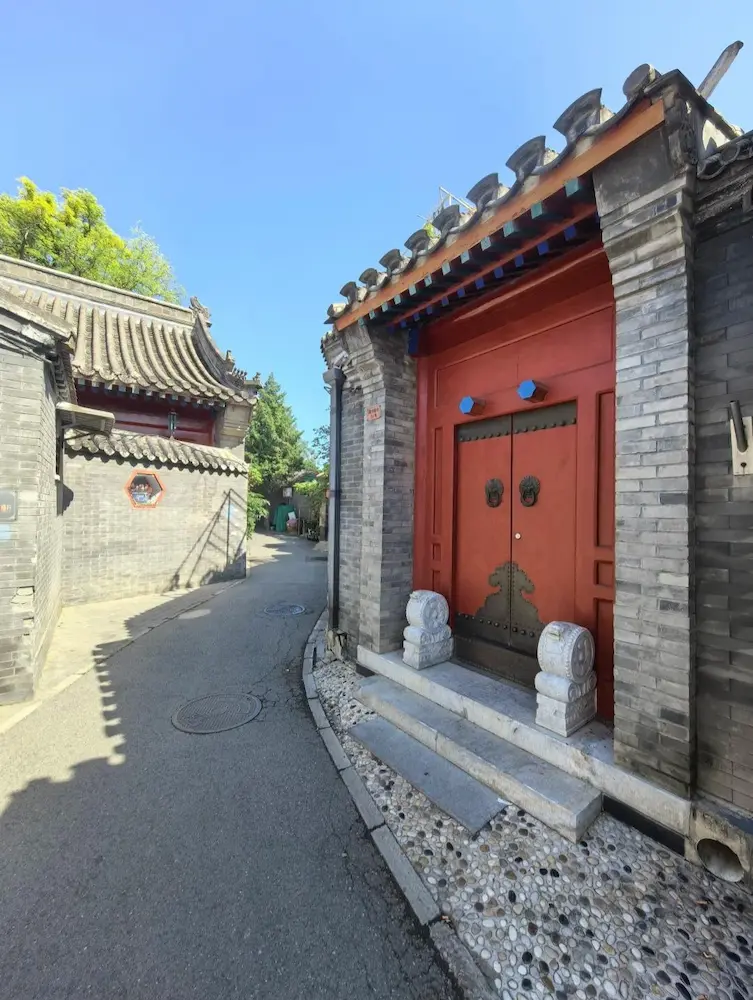
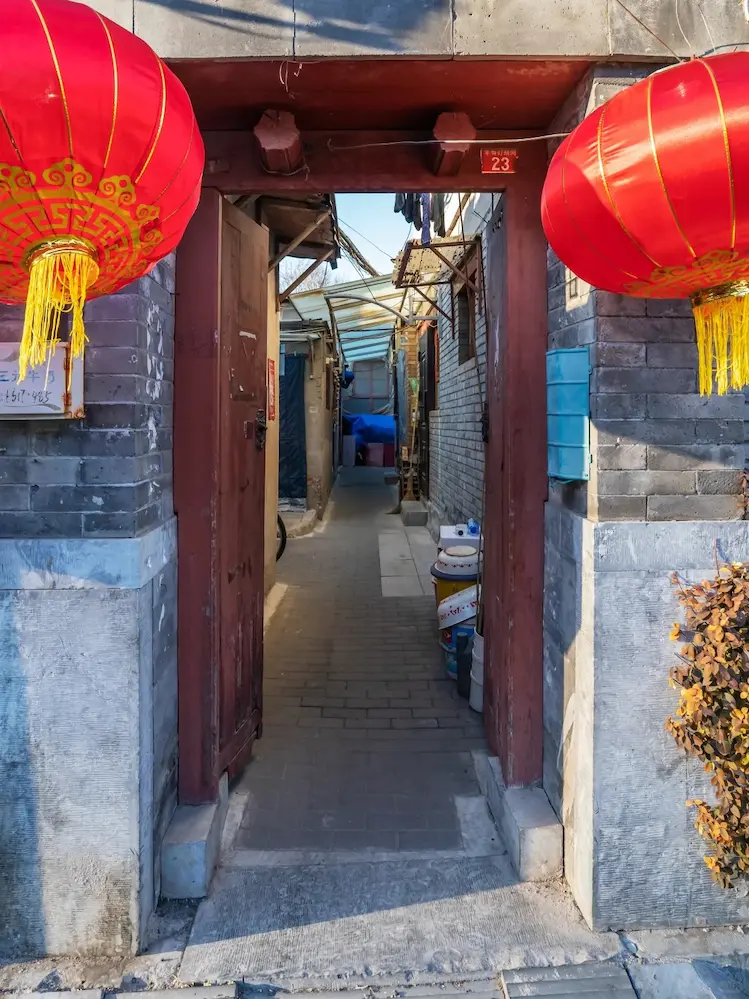
The hutong retains the typical traditional layout of Old Beijing: courtyard houses with gray walls and black-tiled roofs, weathered old walls, and vermilion wooden doors. Every corner bears the marks of time.
Walking through it, you can feel the rich atmosphere of an old Beijing hutong. Without any forced renovations or artificial enhancements, every detail exudes a simple, authentic beauty.
Where Cuisine Meets History: Stories Hidden in Everyday Life
This is not merely a residential area; it also harbors distinctive local delicacies renowned both at home and abroad, as well as traces of historical sites dating back over a century. Here, historical depth blends seamlessly with the vibrancy of daily life.
A stroll through the hutong allows you to savor delicious food while tracing the historical threads of old Beijing—a unique experience that many lesser-known hutongs simply cannot match.
In short, this is not a tourist spot for photo ops, but a place where you can quietly observe the daily lives of old Beijingers and experience the authentic flavor of the hutongs.
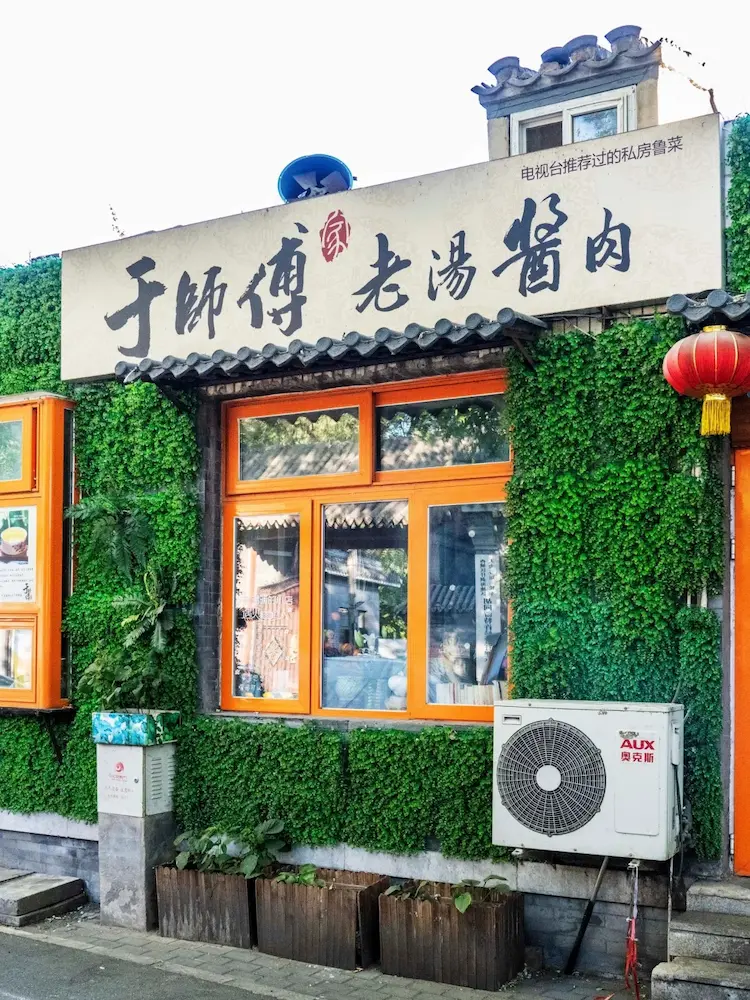
What Can You Expect When Visiting Yangfang Hutong?
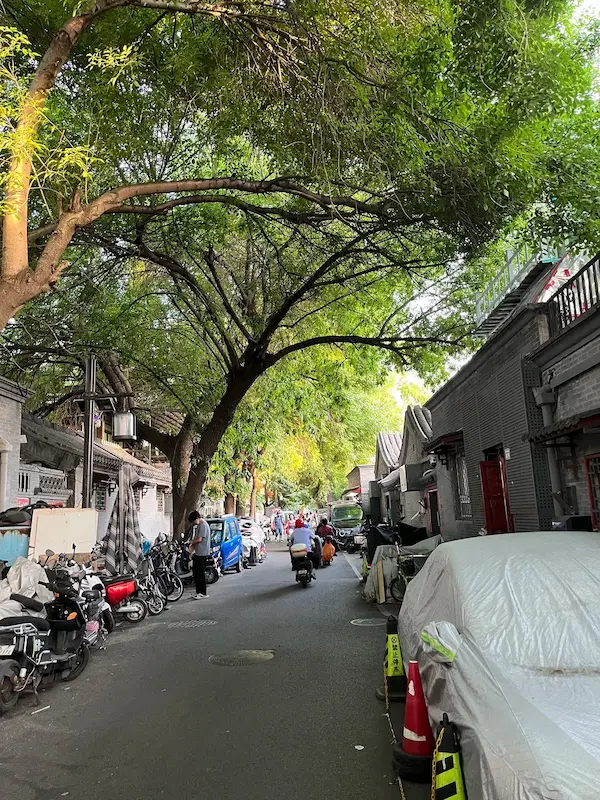
✅ Authentic residential atmosphere: No designated tourist attractions, no guided tours—everywhere you look, you’ll see the daily lives of residents: tending to flowers on their doorsteps, chatting on the street, and bicycles gliding by. Vivid scenes of everyday life are everywhere.
✅ Hidden culinary gems: While the hutong isn’t lined with food stalls, it does hide a renowned imperial cuisine restaurant—a hidden gem and a must-visit for those interested in imperial cuisine;
✅ Subtle historical traces: The hutong is dotted with historical remnants of old Beijing. Former temples have now become ordinary residences; as you walk through them, you can inadvertently discover the small, charming details left behind by time.
❌ No Instagram-worthy spots or commercial amenities: There are no carefully curated photo backdrops here, nor are there convenience stores, bubble tea shops, or other commercial facilities. Do not visit with the expectation of a trendy tourist hotspot; the focus here is on an authentic, unspoiled experience.
Simply put, don’t expect to find a dazzling array of shops or eye-catching photo spots here. The true beauty of this place lies in its quiet alleys and the authentic daily life that unfolds within them.
How to Get to Yangfang Hutong?
Yangfang Hutong is located in the city center and is easily accessible. Taking the subway and walking is the best way to get there, and it’s also convenient to stop by while exploring the Qianmen and Tiananmen areas. It’s beginner-friendly and requires no complicated planning:
By Subway (Recommended)
Take the subway to Qianmen Station or Tiananmen West/East Station. After exiting the station, you can walk directly to Yangfang Hutong. The route is flat, and along the way, you can experience the atmosphere of Beijing’s inner-city streets and alleys while stopping by nearby attractions.
Walking
If you’re already exploring the surrounding areas such as Qianmen, Tiananmen Square, or Houhai, you can simply walk there. Incorporate Yangfang Hutong into your itinerary—no need to make a special detour, saving you both time and hassle.
Best Time to Visit Yangfang Hutong
The best time to visit Yangfang Hutong is in the afternoon (2:00 PM–5:00 PM). At this time, the sunlight is soft, casting beautiful light and shadow effects on the hutong’s gray walls and black-tiled roofs—perfect for a stroll and soaking in the atmosphere.
Additionally, the afternoon brings a stronger sense of local life, allowing you to better experience the everyday life of old Beijing.
We recommend combining a visit to Yangfang Hutong with nearby attractions like Qianmen and Tiananmen Square. After exploring the popular tourist spots, turn into this quiet alley to transition from the hustle and bustle to tranquility, adding depth to your itinerary.
Essential Tips for Visiting Yangfang Hutong
⚠️ Best visited as a stop along the way, not a destination in itself: Yangfang Hutong is not a major attraction and lacks the scenic highlights to justify a special trip. The best approach is to visit it while exploring the Qianmen and Tiananmen areas to avoid a wasted trip.
⚠️ Respect the daily lives of residents: This is a residential area where families have lived for generations. Please keep quiet while visiting, avoid loud noises or taking photos of residents without permission, and do not disturb others’ daily routines—be a considerate visitor.
⚠️ Bring water and snacks: There are no commercial facilities within the hutong, such as convenience stores or small shops. If needed, we recommend stocking up on water and snacks at nearby attractions beforehand.
⚠️ Some sections of the hutong are narrow; please walk slowly. Yangfang Hutong retains the narrow alley layout of traditional Beijing hutongs. Some sections are only wide enough for two people to walk side by side. Please walk slowly and yield to passing bicycles and residents.
Hidden Gems of Yangfang Hutong
Having walked through many hutongs in Beijing, what strikes me most about Yangfang Hutong is its tranquility—a stark contrast to the bustling, popular ones. There are no crowds of tourists jostling shoulder to shoulder, nor noisy shops.
As you stroll through, all you can hear is the residents’ casual chatter and the ringing of bicycle bells. This sense of peace is particularly rare in a hutong right in the heart of the city.
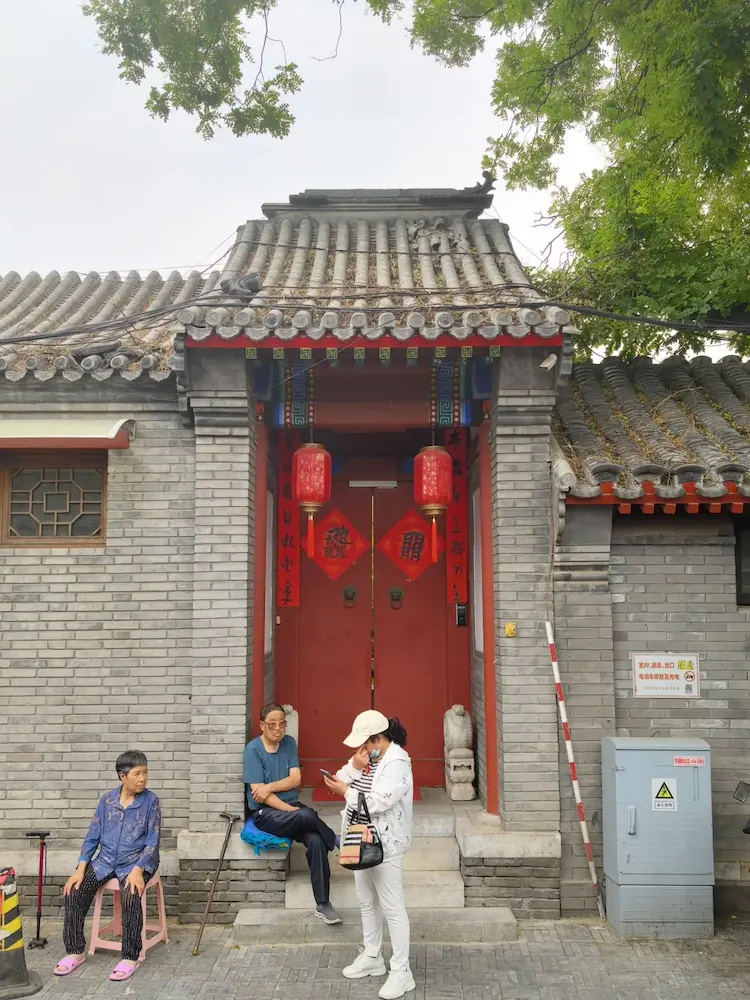
There are no eye-catching sights here, but authentic daily life is everywhere: an elderly man tending to his flowers and plants in front of his house, an elderly woman sitting on a stone bench chatting, and the half-open doors of small courtyards giving off a faint whiff of home life.
Occasionally, you might stumble upon a historical trace or turn into a deep alley to find that famous restaurant, and be rewarded with a surprise.
It’s not a place that requires hours of careful exploration, but after a tiring day touring popular attractions, it offers a corner to rest and experience the authentic flavor of old Beijing—and it gives you a more genuine and profound understanding of Beijing’s hutongs.
The Stories and Scenery of Yangfang Hutong
The Origin of the Hutong: From Imperial Sheep Pen to Neighborhood Alley
The name Yangfang Hutong is both straightforward and rich in history. During the Yuan Dynasty, this area served as a place where the imperial family kept their sheep. Due to its large scale, dedicated buildings were constructed, giving rise to the name “Yangfang” (Sheep House).
By the Ming Dynasty, this name had officially become the hutong’s formal designation, a name that has been in use ever since. To the north of the alley lies Houhai Park, affectionately known by locals as the“ Little Garden.”Built in 1965, it’s a perfect spot to visit after exploring the alley.
The Hidden Gem of Li’s Cuisine: Imperial Flavors Behind a Small Door
While Yangfang Hutong isn’t particularly narrow, the gate to Courtyard No. 11 is small and unassuming. As the saying goes, “Good wine needs no bush”—this small courtyard hides a world-renowned imperial cuisine restaurant: Li’s Imperial Cuisine.
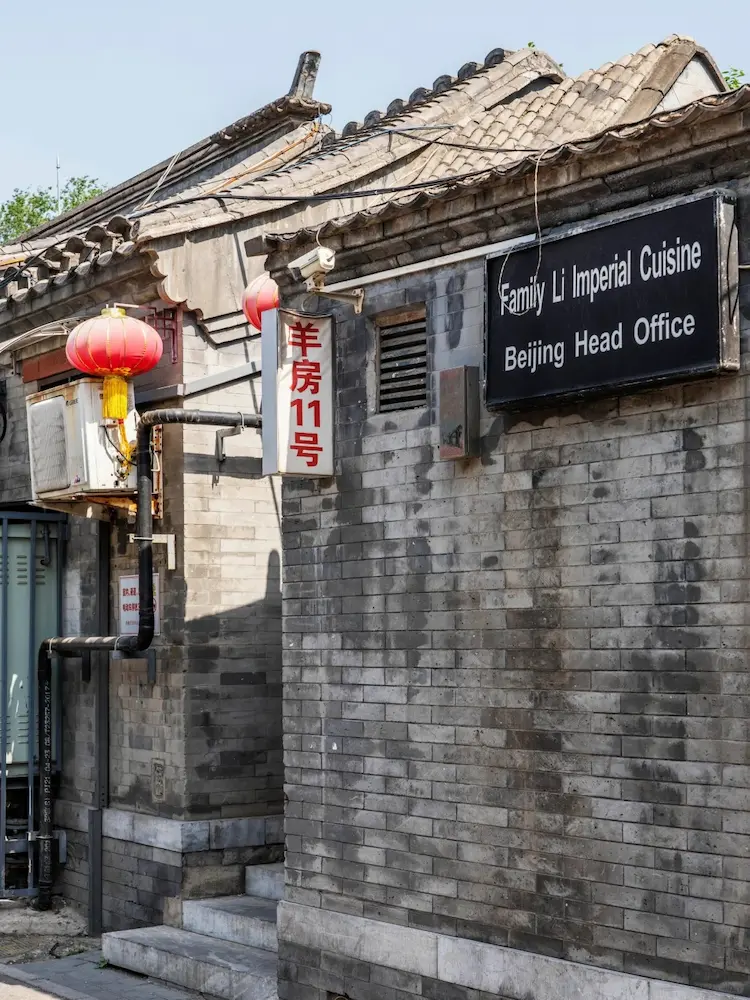
Many prominent political figures and celebrities from home and abroad have come here seeking its fame. Bill Clinton, former British Prime Minister John Major, Bill Gates, Jin Yong, Leslie Cheung, and Jackie Chan have all savored authentic imperial flavors here.
The origins of Li’s Imperial Cuisine date back to the late Qing Dynasty. The owner, Li Shanlin’s grandfather, Li Zijia, was once the Director of the Imperial Household Department, specifically responsible for the imperial palace’s culinary arrangements.
Having tasted every imperial delicacy, he became a true gourmet and passed down the recipes for numerous imperial dishes through the generations.
In 1984, Li Shanlin’s menu design for CCTV’s “National Day Family Banquet Invitational” won first place, bringing these nearly lost imperial dishes to a wider audience.
In 1985, Li’s Family Cuisine officially opened in a side room of the family’s courtyard. Now, after more than two decades in operation and with branches abroad, it has become a culinary calling card for Yangfang Hutong and Beijing as a whole.
To experience this imperial cuisine, you’ll need to know a few things in advance: Step through the narrow courtyard gate, walk down the passageway, and the restaurant is located in the small courtyard on the left. The minimum per-person charge is approximately 537 yuan, and reservations are required to savor this hidden gem tucked away in a back alley.
Other Scenes in the Hutong: History Hidden in Everyday Life
In addition to the renowned Li’s Family Cuisine, Yangfang Hutong is dotted with numerous historical traces, such as Courtyards 3, 5, and 7 within the hutong. which once housed the Ma Lingguan Temple—originally built during the Jiajing era of the Ming Dynasty and renovated during the Qianlong era of the Qing Dynasty.
The temple once enshrined bronze and clay statues, but over time, it has transformed into ordinary residential homes. Here, history and daily life blend seamlessly; as you stroll through the area, you can inadvertently touch the traces of time.
Yangfang Hutong Today: New Stories from the Kitchens
Thanks to its proximity to the picturesque Houhai and the reputation of Li Family Cuisine, Yangfang Hutong has gradually attracted several distinctive restaurants, effectively becoming a hidden culinary street tucked away in a deep alley.
From the sheep pens where the imperial court once kept flocks to the bustling kitchens now filled with the aroma of cooking, over the centuries, Yangfang Hutong has shed its imperial aura. Yet, in the most unpretentious way, it continues to tell Beijing’s stories of food and daily life.
Yangfang Hutong is a hidden gem in the heart of Beijing. It lacks the glitz of trendy, Instagram-famous hutongs, yet it preserves the authentic, down-to-earth charm of old Beijing. Though it has no designated tourist attractions, its narrow alleys offer surprises around every corner.
After exploring the hustle and bustle of Qianmen and Tiananmen Square, why not turn into this quiet alley for a stroll? With no need to rush or hunt for Instagram-worthy spots, simply take your time and wander. Amid the gray walls and black-tiled roofs, soak in the authentic atmosphere of an old Beijing alley, and discover another side of the city’s beauty through its everyday life.