Beijing Travel Guide 2026 | A Must-Read for Foreign Visitors (Tips to Avoid Pitfalls + Authentic Experiences: Details You Won’t Find in Guidebooks)
Planning a trip to Beijing? Beyond popular landmarks like the Great Wall and the Forbidden City, if you want to truly explore the city with ease, avoid unnecessary hassles, and experience authentic Beijing life, you’ll definitely want to bookmark this super-detailed 2026 Beijing Travel Guide!
It covers details rarely mentioned in standard travel guides—from essentials upon arrival to daily travel and cultural etiquette—all the practical information foreign visitors need most to ensure a smooth and unforgettable trip to Beijing.
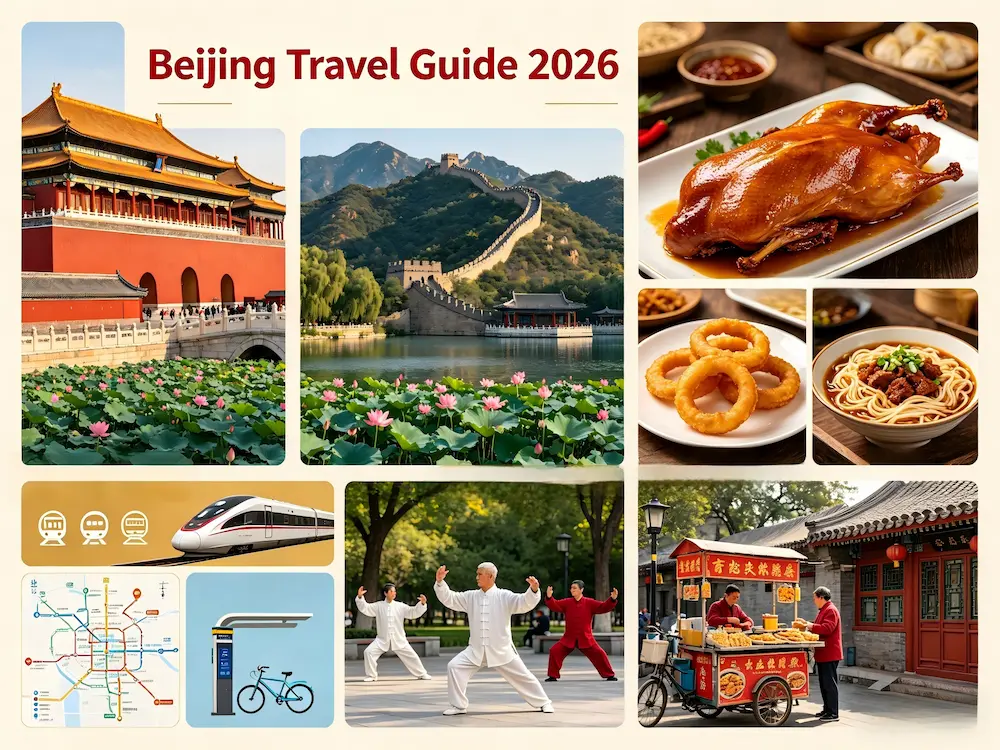
Table of Contents
Take Care of These 3 Things Upon Arrival in Beijing to Immediately Unlock Local Life
1. SIM Card & Payment Apps (Essential for Survival—You Can’t Do Without Either)
Upon arriving in Beijing, the first thing you must do is get a local Chinese SIM card (there are convenient service counters right at the airport; you can choose a short-term plan with no complicated paperwork).
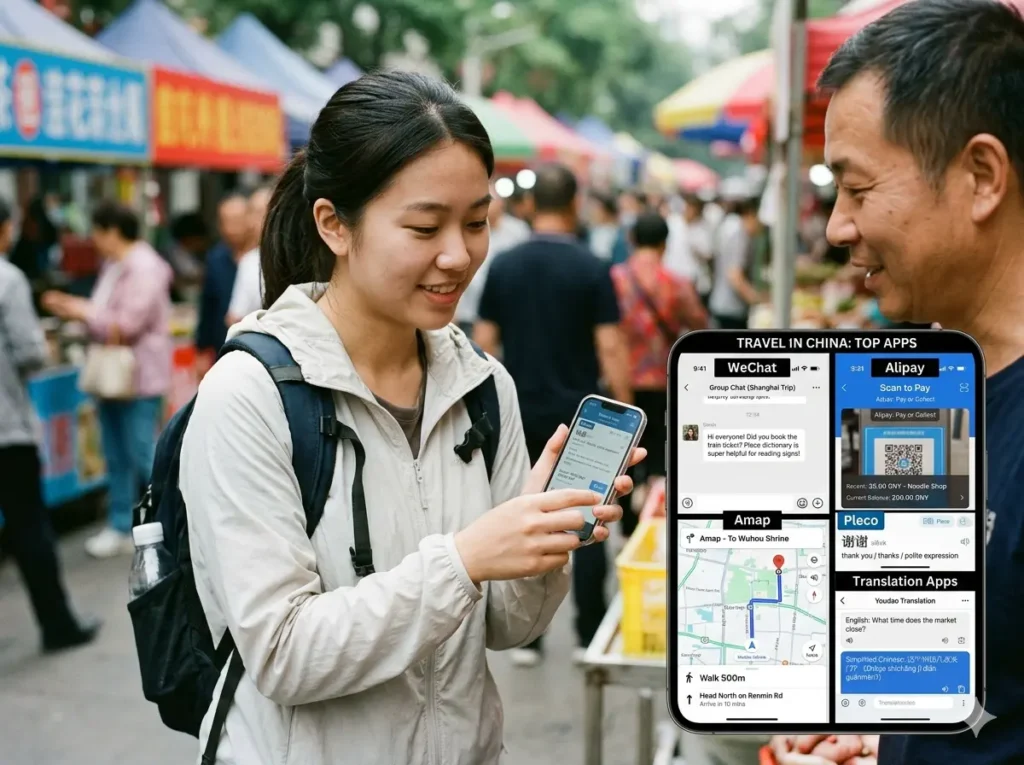
WeChat Pay and Alipay are Beijing’s “universal payment tools.” From street-side breakfast stalls and convenience stores to the subway, taxis, and shopping malls, almost every payment scenario supports these two apps. The acceptance of international credit cards is very limited, and many small shops don’t accept them at all.
✅ Prepare in Advance: Download WeChat, Alipay, Amap (the most accurate local navigation app), and translation apps (we recommend Pleco or Youdao Translator, which support offline translation) before you leave.
Register your accounts and complete real-name verification after arriving in China; linking your local SIM card will make the experience smoother.
2. Opening a Bank Account (Optional, but recommended for large purchases)
If your stay in Beijing is relatively long (over one month) or you plan to purchase large items such as electronics or souvenirs, we recommend opening a standard bank card at a major state-owned bank to avoid high fees associated with withdrawing cash using a foreign bank card.
Recommended banks (with numerous branches, simple processes, and English-language support): Bank of China, China Construction Bank, and Industrial and Commercial Bank of China (ICBC).
You only need to bring your passport to apply. Some branches offer English-language guidance. Once opened, you can link the card directly to WeChat Pay or Alipay for convenient daily transactions.

3. Internet Usage Tips
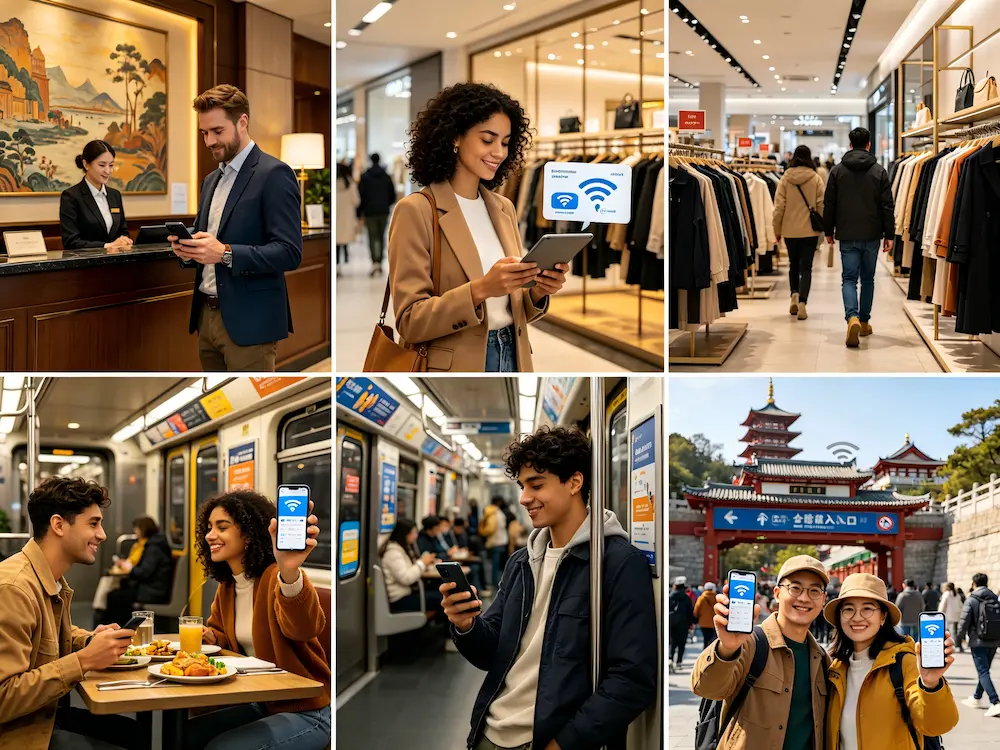
Download commonly used apps (such as social media, translation tools, and navigation apps) in advance. Most public areas in Beijing—including hotels, shopping malls, restaurants, and the subway—offer free Wi-Fi, which you can connect to directly.
If you have specific internet requirements, consult the hotel front desk or airport staff in advance to obtain a compliant internet solution.
Daily Travel & Living Tips: A Guide to Avoiding Pitfalls You Won’t Find in Travel Guides
1. Must-Have: A Pack of Tissues (An Absolute Must-Have)
Unlike many countries, many public restrooms in Beijing (including those in some shopping malls, tourist attractions, and subway stations) do not provide toilet paper. To prevent clogs in the pipes, used tissues must be disposed of in the trash can next to the toilet, rather than flushed down the toilet.
We recommend carrying a small pack of tissues with you—it not only handles emergencies but also enhances your overall travel experience.
2. Digestive Care & Food Safety: Prepare in Advance
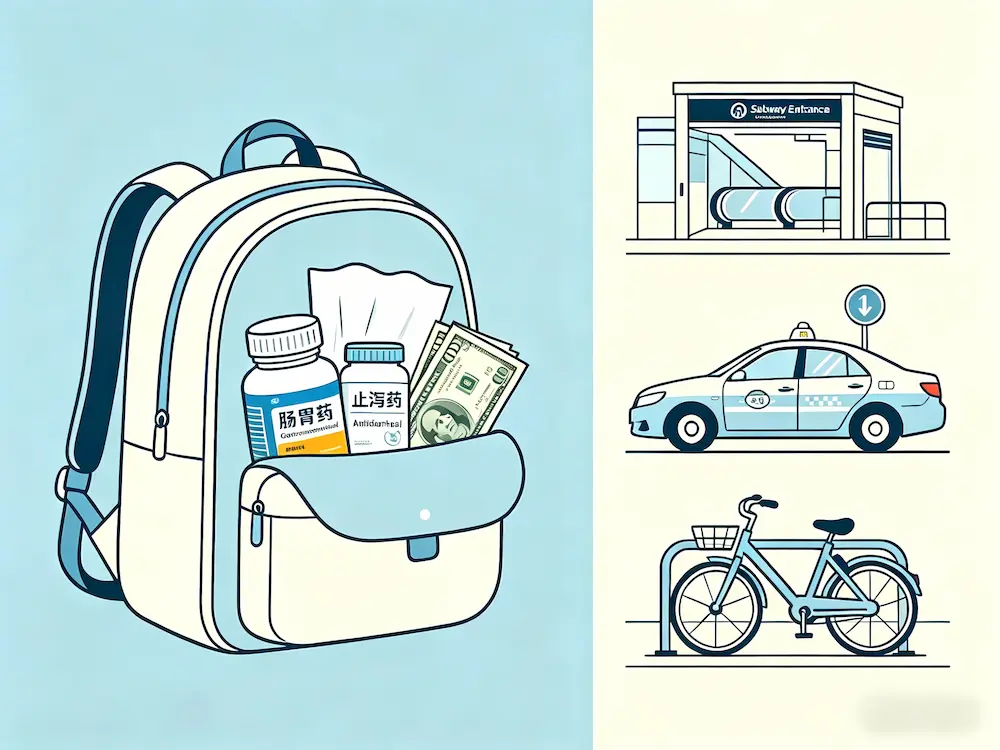
Due to differences in dietary habits and water quality, many foreign visitors experience mild digestive discomfort upon arriving in Beijing. We recommend bringing common anti-diarrheal medications (such as Imodium) and digestive aids with you.
Since these medications require a prescription at some pharmacies in China, preparing them in advance will save you the hassle.
✅ Dining Tips: Do not drink tap water; it is recommended to purchase bottled water. Try to avoid raw foods (such as salads) from street stalls; peeled fruits and cooked foods are safer. Beijing has a lot of spicy food; if you cannot tolerate spice, be sure to specify “no spice” (bù yào là) when ordering.
3. Carry a small amount of cash, just in case
Although mobile payments are very common in Beijing, small stalls in old hutongs, small farmers’ markets, shops in remote areas, and ticket counters at some older attractions may only accept cash.
We recommend carrying 200–300 RMB in cash (which can be exchanged at the airport or banks), which should be sufficient for emergencies.
4. Transportation: Efficient and Cost-Effective Options
Beijing’s public transportation system is highly developed and is the top choice for foreign tourists:
- Subway: Covers major attractions and commercial districts throughout the city. Download the “Yitongxing” app, link it to WeChat or Alipay, and scan the code to enter the station—no need to wait in line to buy tickets. Fares are affordable (ranging from 2 to 10 RMB).
- Taxis/Ride-Hailing Services: Taxis use meters for pricing. Ride-hailing services can be booked via the “Didi Chuxing” mini-program built into WeChat or Alipay, which supports an English interface—simply enter your destination. This is more convenient than taking a taxi.
- Bike-sharing: Ideal for short trips (such as exploring hutongs). Download the relevant app (e.g., Mobike, Hello), link your payment method, and scan the QR code to ride. Prices are low, but be sure to follow the rules (no riding against traffic or entering pedestrian streets).
Avoid the Crowds and Experience Authentic Beijing: Off-the-Beaten-Path Recommendations
1. Explore the Hutongs: Escape the commercialization and soak up the authentic atmosphere of old Beijing
Forget Nanluoguxiang (overcrowded and overly commercialized). Instead, head to “Beiguanfang Hutong” and “Nanguanfang Hutong” near Houhai, as well as the historic hutongs around Xisi and Liulichang.
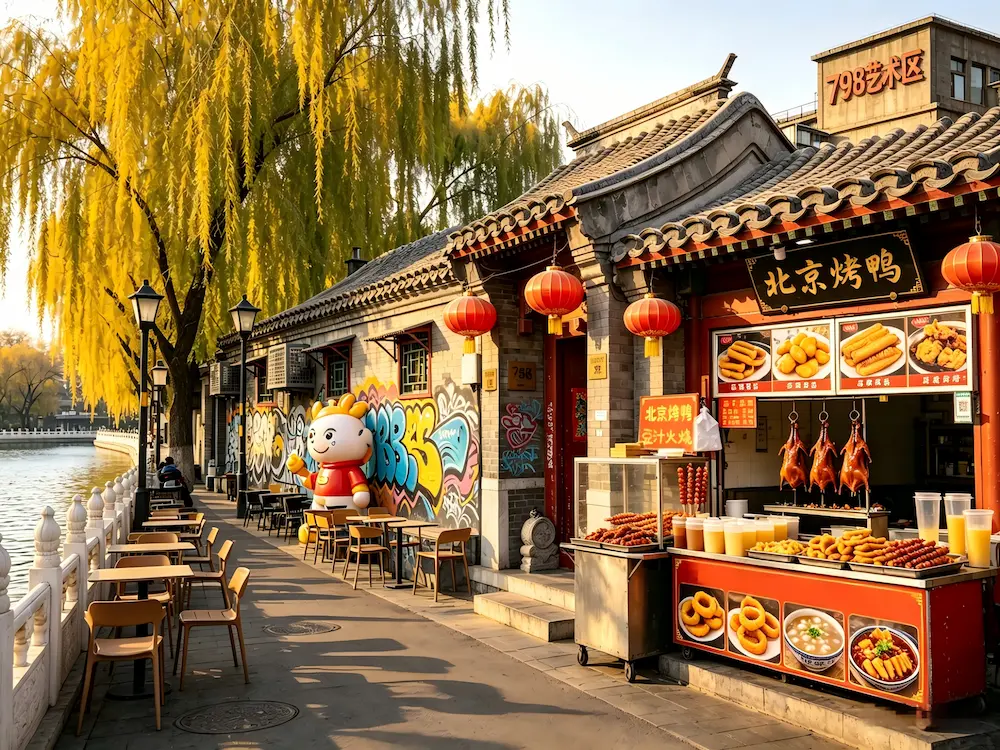
Here, you won’t find crowds of tourists—just courtyard houses with blue-gray bricks and tiles, elderly people basking in the sun, and children playing. You might even stumble upon hidden cafes, artisanal workshops, and traditional craft shops. Take a stroll to experience the most authentic side of old Beijing.
✅ Tip: When exploring the hutongs, please do not enter private courtyard houses without permission; respect the privacy of residents.
2. Off-the-Beaten-Path Landmarks: Skip the Hotspots and Discover a Different Beijing
- National Museum of China: Free admission with reservation (book online or via the official WeChat account). With its extensive collection, you can explore thousands of years of Chinese history and culture in one visit. It’s quieter than the Forbidden City and perfect for an in-depth tour.
- 798 Art District: A creative hub converted from old factories, featuring niche art exhibitions, graffiti art, and designer shops. Ideal for art lovers and photography enthusiasts, it offers a relaxed and free-spirited atmosphere.
- Around Houhai: In addition to exploring the hutongs, you can take a stroll along Houhai or go on a boat tour. In the evening, the bars and restaurants along the shore light up, creating a cozy atmosphere. You can also see locals taking evening walks or singing, giving you a taste of Beijing’s nightlife.
3. Authentic Cuisine: Beyond Peking Duck, These Specialties Are a Must-Try
In addition to the well-known Peking duck, there are many local specialties worth trying. We recommend visiting small eateries frequented by locals, which offer great value and authentic flavors:
- Jianbing Guozi: A signature street snack that’s crispy on the outside and soft on the inside. You can choose to add eggs or sausage, making it perfect for breakfast or a quick snack.
- Baozi (steamed buns): Available in meat and vegetarian varieties, these buns feature thin wrappers and generous fillings. They’re affordable and perfect for a quick bite.
- Hot pot: A favorite among Beijingers, you can choose a clear broth (non-spicy) paired with lamb and vegetables. It’s ideal for sharing with a group and experiencing the local dining culture.
Cultural Etiquette: Small Details to Avoid Awkwardness and Foster Friendly Relationships
1. No Need to Tip—Service Charges Are Included in the Bill
China does not have a tipping culture. Service charges for restaurants, hotels, taxis, tour guides, and other services are already included in the bill, so there is no need to pay an additional tip. If you offer a tip, it may actually confuse the service staff.
2. No Need to Force Yourself to Drink; A Polite Decline Is Sufficient
If you’re socializing with local friends, you may encounter situations involving “gān bēi” (toasting), but this is not mandatory. If you don’t drink alcohol, simply say with a smile, “I don’t drink alcohol” (wǒ bù hējiǔ), and you can politely decline. No one will pressure you, so there’s no need to feel guilty.
3. Strangers’Curiosity Is Always Well-Meant
Many Beijing locals are naturally curious about foreigners and may approach you to ask where you’re from, compliment your outfit, or ask you in Chinese. This isn’t rude—it’s simply a sign of friendliness and warmth.
A simple response like “I’m from [country], and I’m happy to be in Beijing” can easily help you connect with them.
4. Public Order: Queue Conscientiously and Travel Civilly
In public spaces in Beijing (such as subways, buses, attraction entrances, and ticket counters), you should always queue in an orderly manner. and do not cut in line. On subways and buses, offering your seat to the elderly, pregnant women, and passengers with children is considered basic courtesy among locals and a sign of friendliness.
Exploring Nearby Cities: Make the Most of Your Visa
If your visa permits (most short-term tourist visas allow a stay of 30–60 days), you can use your free time to take the high-speed rail to cities near Beijing and discover more of China’s scenery:
- Tianjin: Just a 30-minute high-speed rail ride from Beijing, featuring European-style architecture, Tianjin twisted doughnuts, and Goubuli buns—perfect for a day trip.
- Xi’an: About a 4-hour high-speed rail ride, home to World Heritage sites like the Terracotta Army, Big Wild Goose Pagoda, and the Ancient City Wall, where you can experience ancient Chinese civilization.
- Chengde: About a 1.5-hour high-speed rail ride away, featuring attractions like the Mountain Resort and the Eight Outer Temples. Ideal for a summer visit to experience the charm of imperial gardens.
✅Ticket-buying tip: Download the “Ctrip ”or “12306 ”app in advance. After registering, you can purchase high-speed rail tickets online. Both apps support English interfaces, and booking 1–3 days in advance increases your chances of securing your preferred seat.
Finally: A Message to You, the Visitor to Beijing
Beijing is a city that blends historical depth with modern vitality. It offers both the solemn grandeur of the Great Wall and the Forbidden City, and the vibrant atmosphere of hutongs and street food; it features the bustling skyscrapers of the city center alongside the tranquility of its old neighborhoods.
There’s no need to feel pressured to “check off every sightseeing spot.” Instead, slow down, soak in the local rhythm of life, savor authentic local cuisine, and strike up friendly conversations with the locals—you’re sure to fall in love with this city.
If you encounter any issues during your trip, feel free to ask those around you for help (many young people speak basic English). Most Beijingers are warm and hospitable and will be happy to assist you.
Wishing you a pleasant and unforgettable trip in Beijing!