Exploring Beijing’s Hutongs: The History and Life of Zhishanmen Street Near Beihai Park
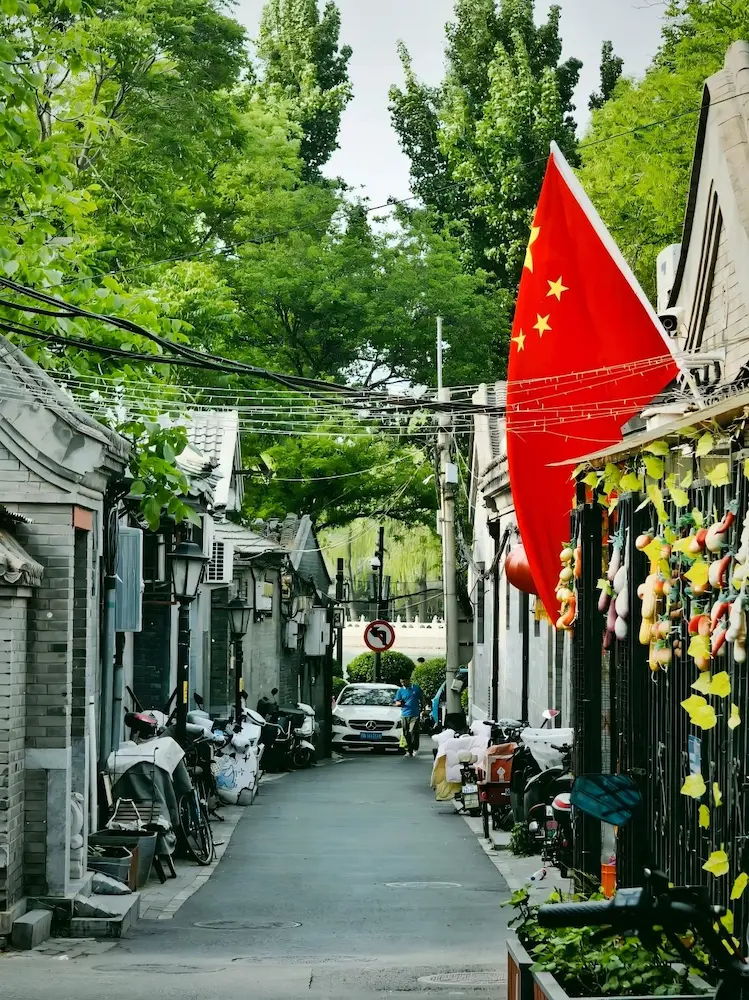
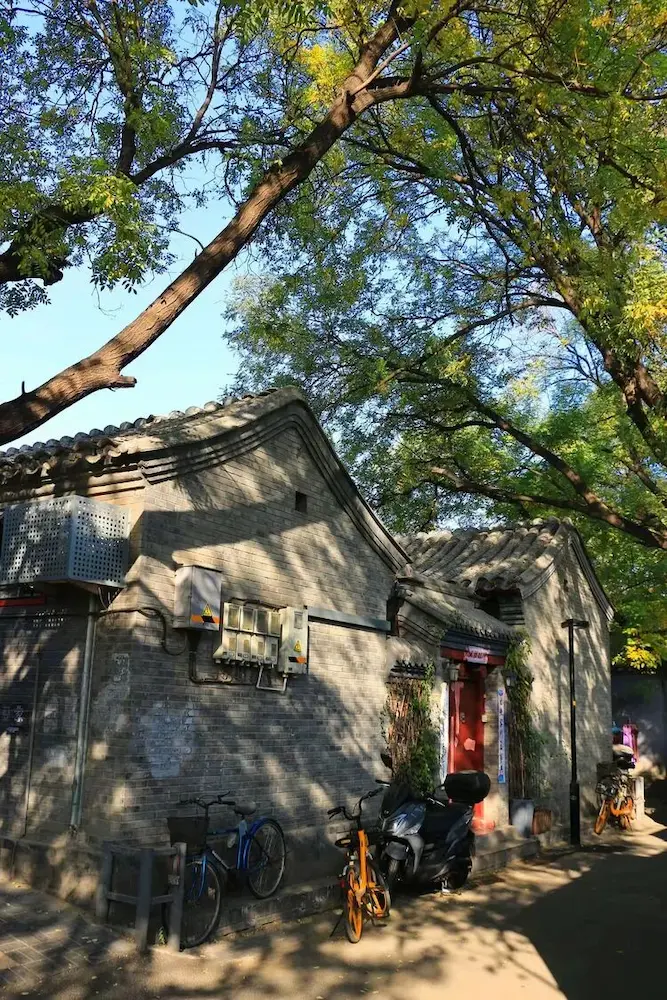
Zhishanmen Street is located in the northeastern part of Beijing’s Xicheng District. It runs east from Jingshan West Street to the Zhishan Gate of Beihai Park, from which it gets its name.
During the Ming and Qing dynasties, this street was not open to the public. It served as an imperial pathway reserved exclusively for the emperor’s procession when traveling from Beihai Park to Jingshan Park for outings.
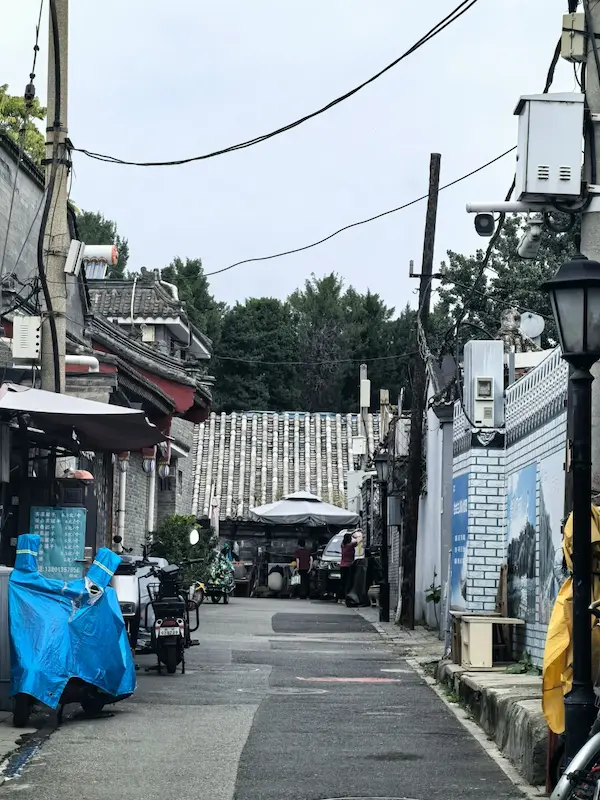
Today, the street is lively and filled with small stalls selling traditional Beijing snacks. Every morning, locals who have finished their exercises in the nearby parks often leave with bags of “Paicha” (a crispy fried dough twist), dried fruits, pastries, and pickles that were bought here.
The character “Zhi” in Zhishanmen means to ascend or climb. The bridge connecting the east gate of Beihai Park and Qionghua Island is called the “Zhishan Bridge.”
Crossing this bridge marks the beginning of the ascent to the White Dagoba, hence the names of the bridge and the gate.
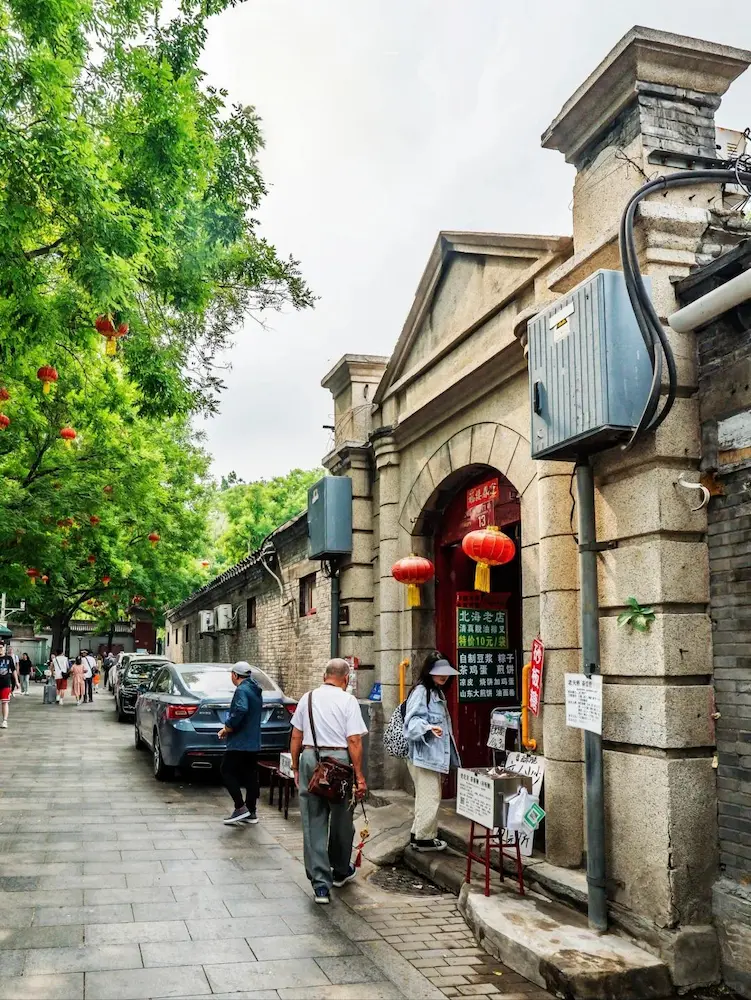
Table of Contents
Historical Imprints in the Alley
No. 5 Zhishanmen Street: The Qing Dynasty’s “Audit Office”
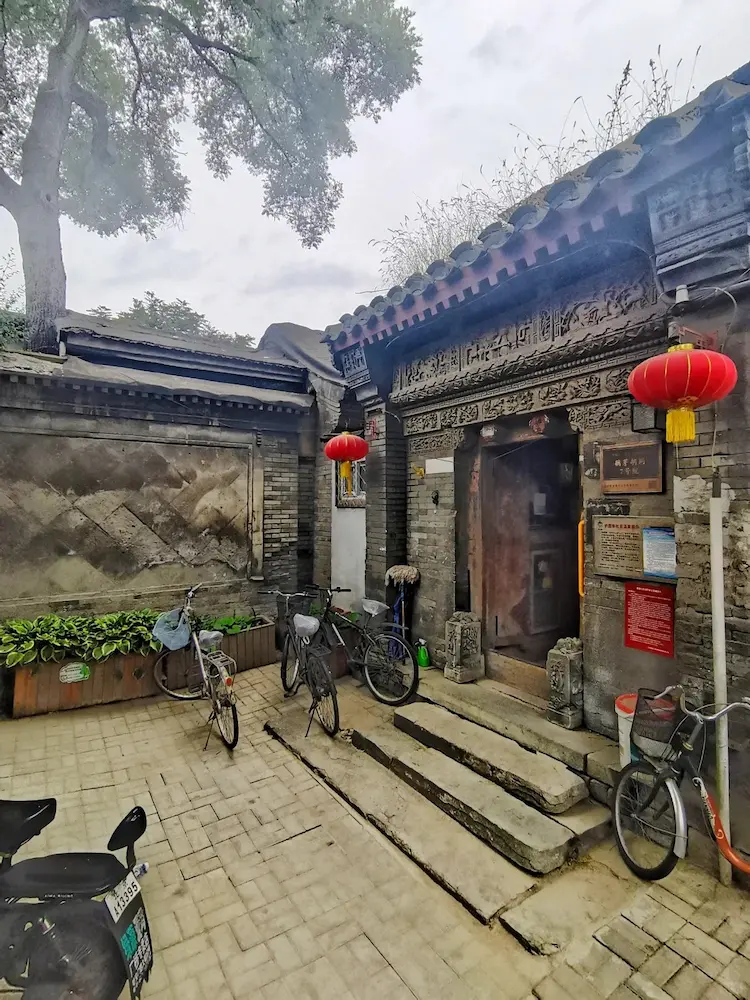
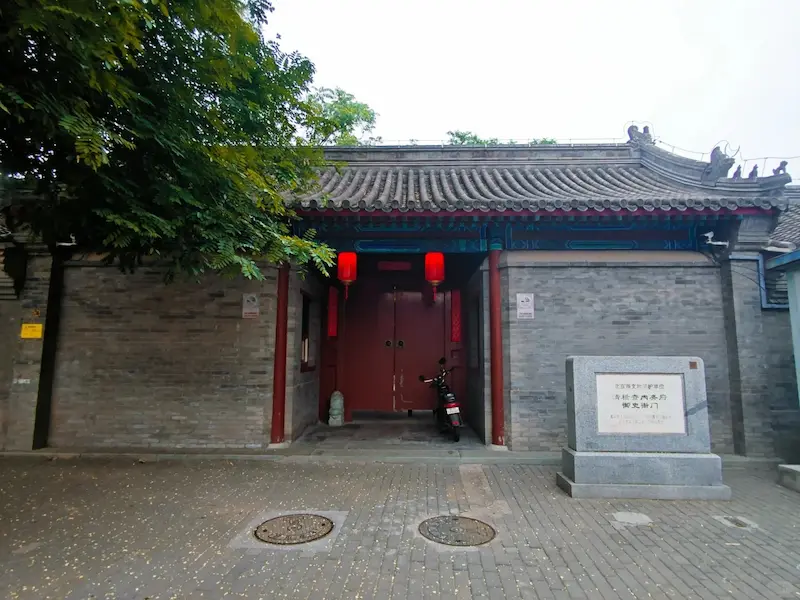
No. 5 Zhishanmen Street is a significant historical building. During the Qing Dynasty, it housed the Jicha Neiwufu Yushi Yamen (the Inspectorate of the Imperial Household), established in the fourth year of the Yongzheng Emperor’s reign (1726).
This institution was primarily responsible for checking and auditing the accounts of the imperial household’s internal affairs, functioning similarly to a modern audit department.
This san jin (three-section) courtyard is the most complete and well-preserved surviving Qing Dynasty imperial administrative building in Beijing. It is worth mentioning that it is said that the infamous late Qing case of “Yang Naiwu and Xiaobaicai” was tried here.
No. 6 Zhishanmen Street: Former Residence of Notable Figures
No. 6 Zhishanmen Street was once the residence of Lin Juemin. Lin Juemin was one of the Seventy-Two Martyrs of the Huanghuagang Uprising and the uncle of the renowned architect and poet Lin Huiyin. The famous modern Chinese scholar Hu Shi also once rented and lived here.
The Connected Old Hutong: Xuechi Hutong
Extending north from the middle section of Zhishanmen Street is a small lane named “Xuechi Hutong” (Snow Pool Hutong). Its name originates from the imperial icehouses established here during the Qing Dynasty.
Six icehouses were built to store ice for the imperial court, used to preserve ritual offerings during sacrifices and for cooling in the summer. The remains of two icehouses still exist today.
During the Republican era, the family of Lin Changmin (Lin Huiyin’s father) lived here, and Lin Huiyin also resided in this hutong.
Another Adjacent Hutong: Jingyuan Hutong
Near Zhishanmen Street is Jingyuan Hutong. It was originally named “Weijia Hutong” (Wei Family Hutong). In 1965, when Beijing standardized alleyway names, it was renamed Jingyuan Hutong, combining the “Jing” from Jingshan Park and the “Yuan” (meaning garden) from Beihai Park, between which it is situated.
Present-Day Atmosphere: The Blending of Old and New in Everyday Life
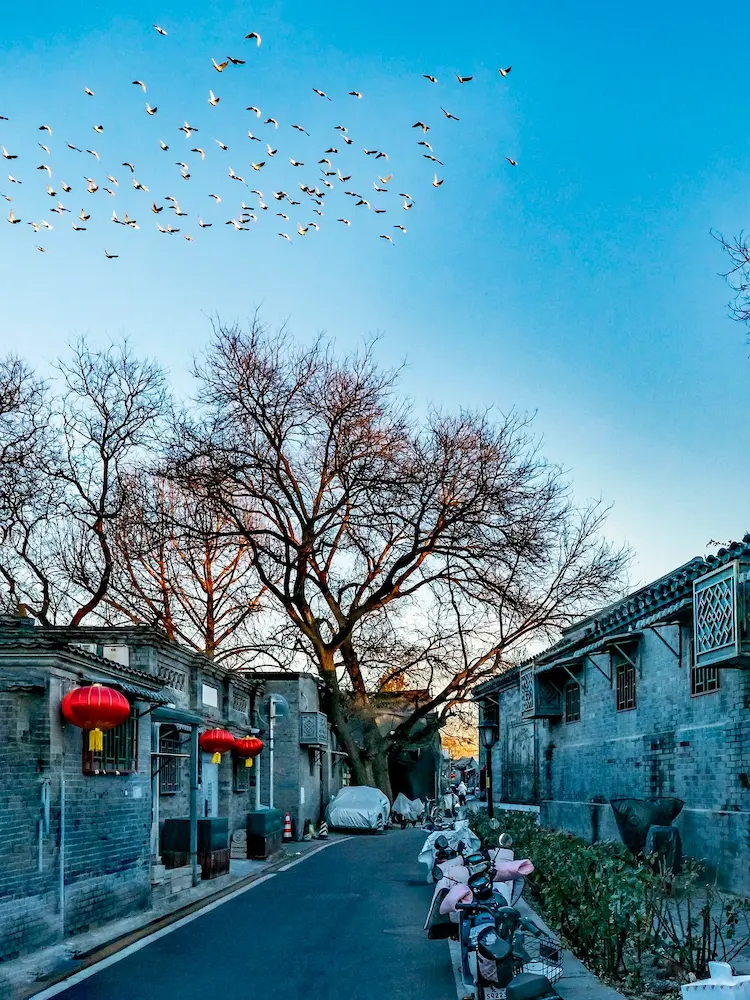
Deep within today’s Zhishanmen Street, stalls run by longtime Beijing residents still sell traditional items like douzhi (fermented bean drink), pickles, and paicha. Many residents rent out their spaces for small businesses, filling the area with a strong sense of local life.
Looking down at this ancient street from the White Dagoba of Beihai Park, one can see the hustle and bustle of traffic interwoven with scenes of elderly people sitting quietly in their doorways, basking in the sun. Traditional ways of life blend with modern rhythms here, creating a unique landscape.
Although Zhishanmen Street is not a long hutong, it is like a living historical archive, witnessing the transformation from an imperial pathway to an ordinary alley. Strolling here allows one to simultaneously touch the weight of history and the warmth of contemporary life.