Beijing Travel Safety Guide: Essential Emergency Checklist for Foreign Visitors
Welcome to Beijing! To help you handle potential emergencies, I’ve compiled this comprehensive safety guide. Save or print it for future reference.
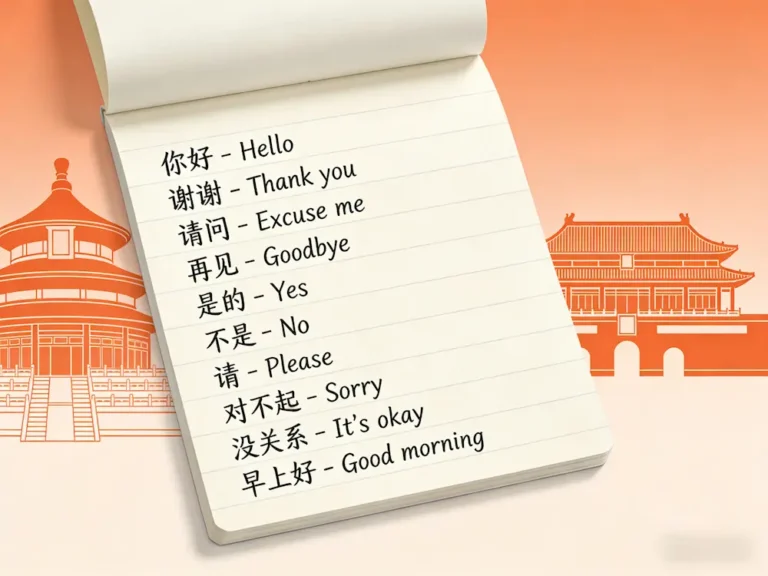
1. Communication & Translation Tools
- Translation Apps: Youdao Translator or Google Translate
Support real-time voice conversation translation and photo translation—the top tools for overcoming language barriers.
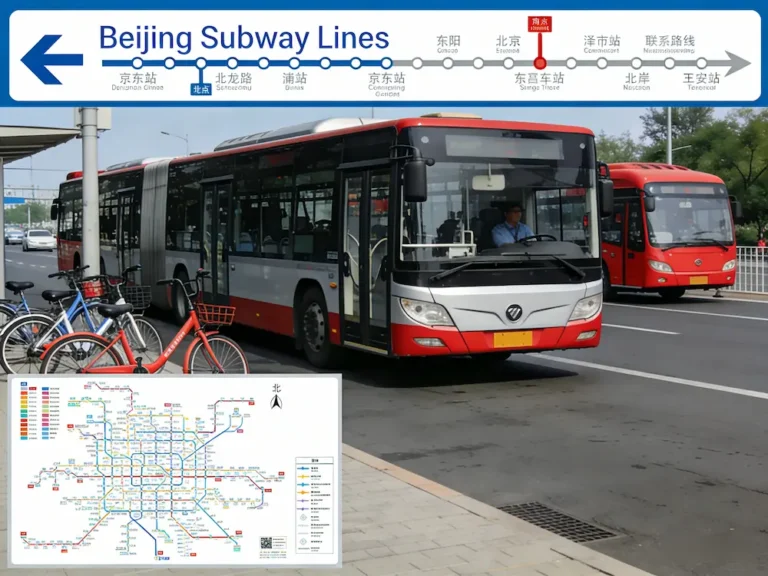
- Map Apps: Baidu Maps or Amap provide accurate local navigation, subway routes, and real-time traffic updates. Apple users may also utilize Apple Maps.
- Network Connectivity: Upon arrival, purchase a local data SIM card or rent portable Wi-Fi at the airport to ensure continuous connectivity.
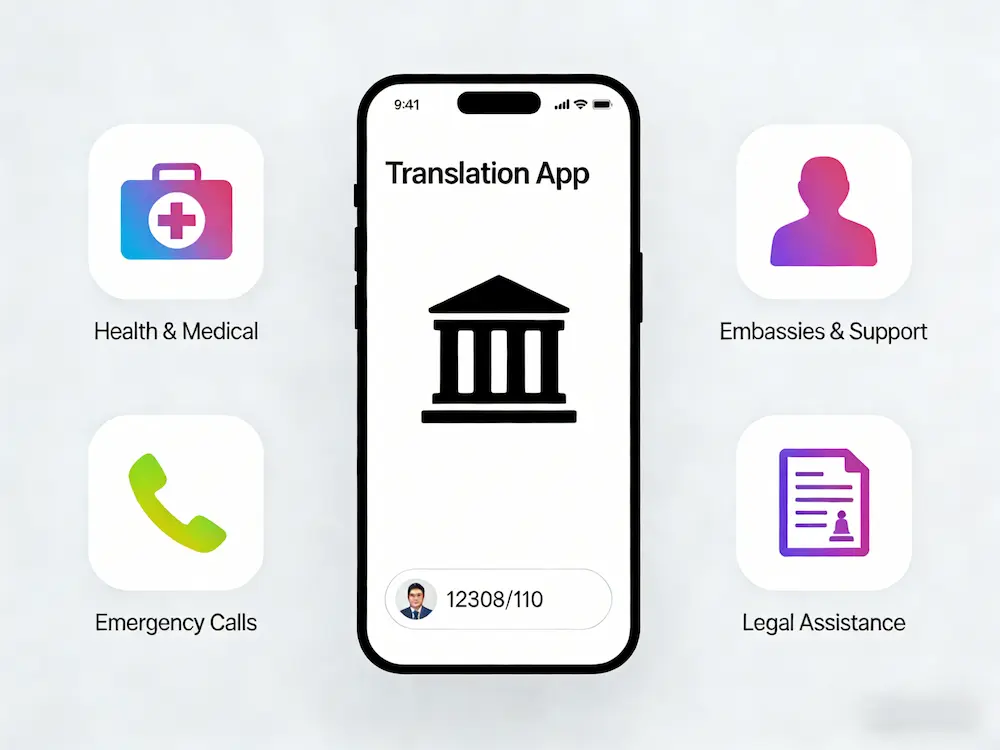
- Essential Speed Dial Numbers: Save the following contacts to your phone in advance.
2. Emergency Contact Numbers (Dial Directly Within China)
General Emergency Assistance: 110 (Police, handles theft, assault, missing persons, etc.)
Fire Reporting & Rescue: 119
Medical Emergency: 120 (Call ambulance)
Traffic Accident Reporting: 122
Multilingual Police Assistance: Police in key tourist areas (e.g., Tiananmen Square, Sanlitun) may offer basic English assistance. For complex situations, you may ask them to contact the Foreign Affairs Police.
3. Embassies, Consulates, and Foreign National Support
Consular Protection: In case of major accidents, lost documents, threats to personal safety, or legal disputes, immediately contact your home country’s embassy or consulate in China. They can provide the most direct guidance and support.
Beijing Municipal Government Foreign Affairs Services: Call the Beijing Multilingual Service Hotline 12345 and follow the voice prompts to select English or other languages for non-emergency government information inquiries.
4. Health and Medical Care
International Travel Insurance: Purchase medical insurance covering China before departure and understand its claims process.
Foreign-Friendly Hospitals: Familiarize yourself with the following internationally accredited hospitals offering multilingual services and their locations:
- Beijing United Family Hospital
- Beijing International Medical Center
- International Medical Department of China-Japan Friendship Hospital
Most large public hospitals have “International Medical Departments” where English communication is generally smoother, though costs may be higher.
Pharmacies: Common chain pharmacies on the street sell over-the-counter medications. Prescription drugs require a prescription from a Chinese doctor.
5. Dispute Resolution and Legal Rights Protection
Consumer Disputes: First negotiate with the merchant. If unresolved, call the Consumer Complaint Hotline 12315 (English service available during certain hours) or file a complaint via its WeChat mini-program.
- Travel Complaints: Call the National Tourism Service Hotline 12301 for inquiries and complaints.
- Visa or Stay Matters: Contact the Exit-Entry Administration Bureau of the Beijing Municipal Public Security Bureau (Inquiry Hotline: 84020101; Address: No. 2 Andingmen East Street, Dongcheng District). Handles visa, residence permit, and related matters.
- Legal Representation: For serious matters, consider hiring a lawyer. Contact your home country’s embassy or consulate for recommended lawyer lists, or consult the Beijing Lawyers Association.
6. Other Practical Safety Tips
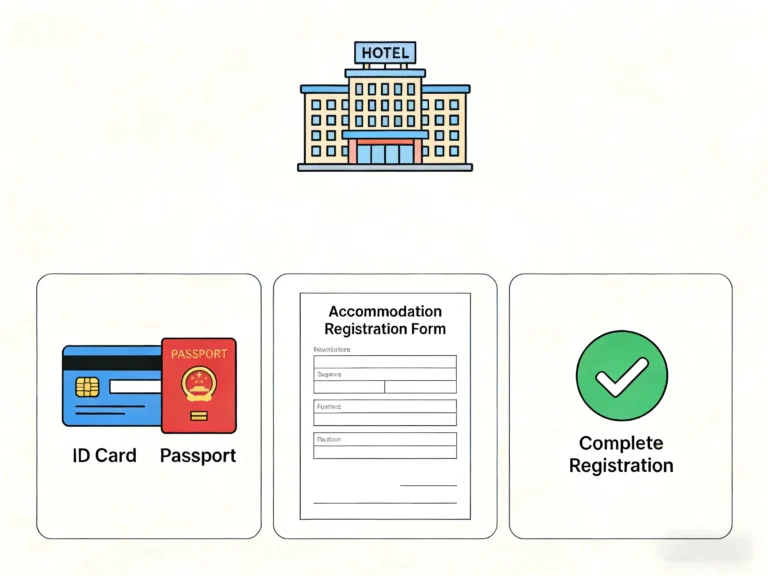
- Document Security: Carry a photocopy of your passport and securely store the original in your hotel safe. Additionally, photograph the passport information page and visa page, storing the images on your phone and in the cloud.
- Property Safety: In crowded tourist areas, subways, and shopping malls, keep a close watch on your belongings and be alert to pickpockets.
- Traffic Safety: Exercise extreme caution when crossing roads. Even at crosswalks, confirm vehicles have come to a complete stop before proceeding. Use licensed taxis or ride-hailing services like Didi, and note the license plate number.
- Cultural Etiquette & Regulations: Cooperate with security checks at airports, subway stations, and other public areas. Photography is prohibited in certain politically sensitive zones and military facilities—observe signage.
May this travel safety guide checklist help you explore Beijing with greater peace of mind. Wishing you a safe and enjoyable journey!