Beijing Winter CityWalk Guide: Discover White Dagoba’s Alleys & Festive Vibes
Want to experience the traditional festive atmosphere and daily life of old Beijing in winter? The area surrounding the White Dagoba (Báitǎ Sì) in Beijing’s Xicheng District is a perfect choice.
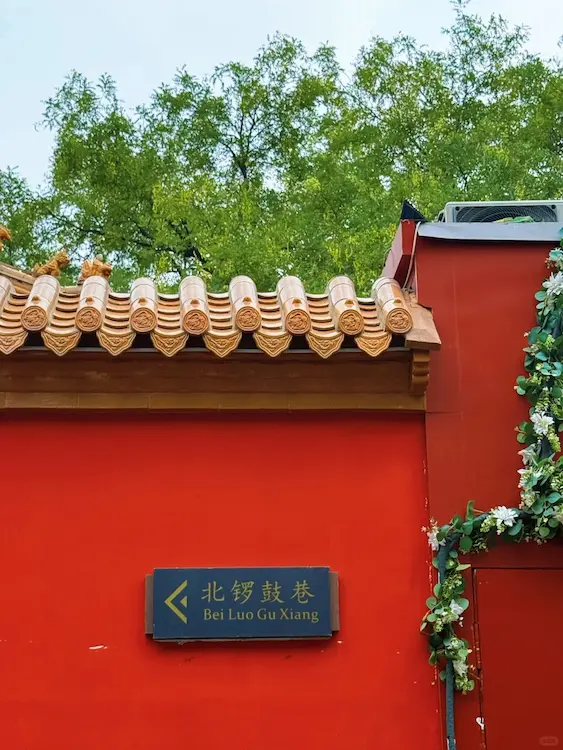
Especially the two hutongs (alleyways)—Gongmenkou East Alley and Gongmenkou West Alley—have been renovated to cleverly blend historical architecture, artistic boutique shops, and strong Chinese New Year decorations. This has created an excellent urban walking route ideal for families, couples, or photography enthusiasts. On a clear day, the red walls, the White Pagoda, and the blue sky frame a perfect shot, making every photo look like a postcard.
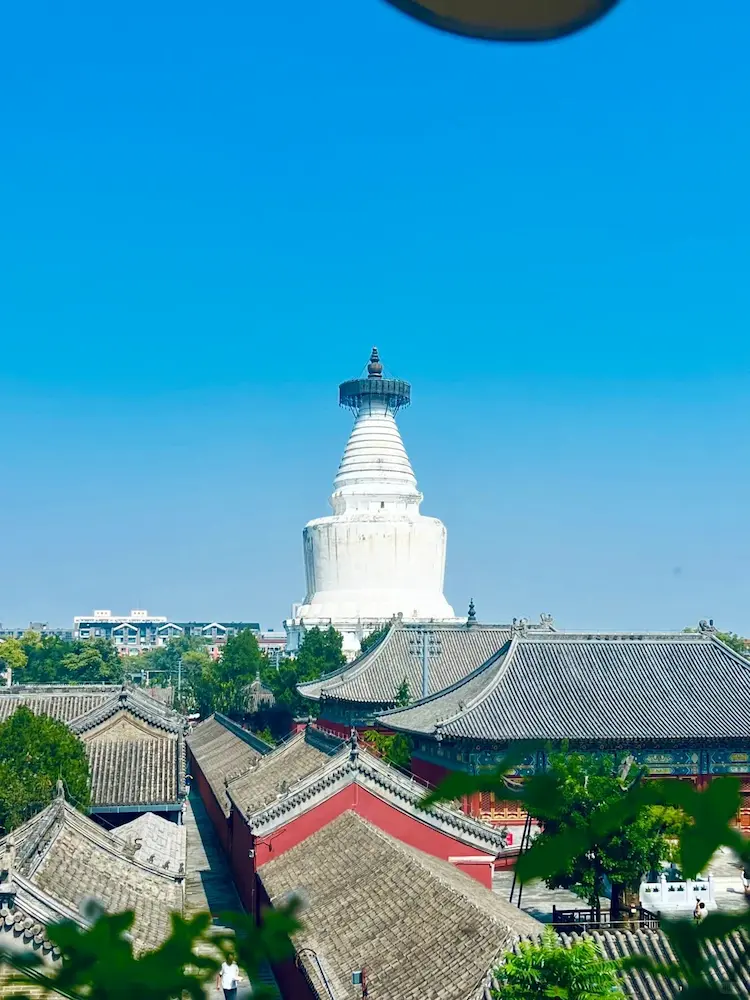
Table of Contents
Basic Information & Transportation
- Core Area: The network of hutongs around the White Dagoba (formally named Miaoying Temple White Dagoba), focusing on Gongmenkou East Alley and Gongmenkou West Alley.
- How to Get There: The most convenient way is by subway. Take Subway Line 2 to Fuchengmen Station, exit from Exit B, and walk a few minutes to enter the hutong area.
- Suggested Time: Leisurely walking the core route takes about 1-2 hours. If you plan to visit museums or cafes, reserve half a day.
- Route Overview: A classic loop walk can start at Sanwei Book House, then proceed to Baicao Garden, East Alley Small Square, the White Dagoba Temple and the Red Wall Alleyway. Take a break on the rooftop of Yao Cafe, and optionally extend your walk to nearby sites like the Lu Xun Museum or the Temple of Ancient Monarchs.
Core Attractions & Walking Highlights
The greatest charm of this route is that within a very short distance, you can simultaneously experience deep history, literary heritage, modern creative energy, and a lively festive atmosphere.
1. Literary Starting Point: Sanwei Book House & Baicao Garden
The start of this cultural walk is filled with elements related to Lu Xun, a giant of modern Chinese literature.
- Sanwei Book House: This is a themed space recreating the study scene from Lu Xun’s childhood. Stepping inside feels like traveling back to an old-style private school. You can get a free walk map and collect stamps here. Most notably, there’s a replica of the desk with the famous Chinese character “早” (meaning “early”) that Lu Xun carved on his own desk.
- Baicao Garden: Right next to the book house, its name and inspiration come from a classic scene in Lu Xun’s essays. Lush with greenery and featuring objects like an old stone well railing, it instantly evokes memories of Chinese literature textbooks. You can enjoy a symbolic cup of rice wine and taste some flavored broad beans here.
2. Historical Landmark: Miaoying Temple White Dagoba
The majestic white dagoba (stupa) is the spiritual symbol of the area and a constant sight along the walk.
Built during the Yuan Dynasty, it is one of the earliest and largest existing Tibetan Buddhist pagodas in China. You can buy a ticket (around 20 RMB) to enter the Miaoying Temple grounds for a closer look or simply admire it from various angles around the neighborhood.
Best Photo Spots: White Dagoba Temple, East Alleyway is the recognized classic spot. The long red wall and the towering White Pagoda in the distance create a stunning composition, popular with many visitors. Another fantastic view is from the rooftop terrace of “Yao Cafe” on the third floor, overlooking the pagoda and the sprawling roofs of traditional courtyard homes (siheyuan), especially charming after snow.
3. Artistic Hutongs: Gongmenkou East & West Alleys
This is the heart of the walk, with two alleys offering slightly different vibes:
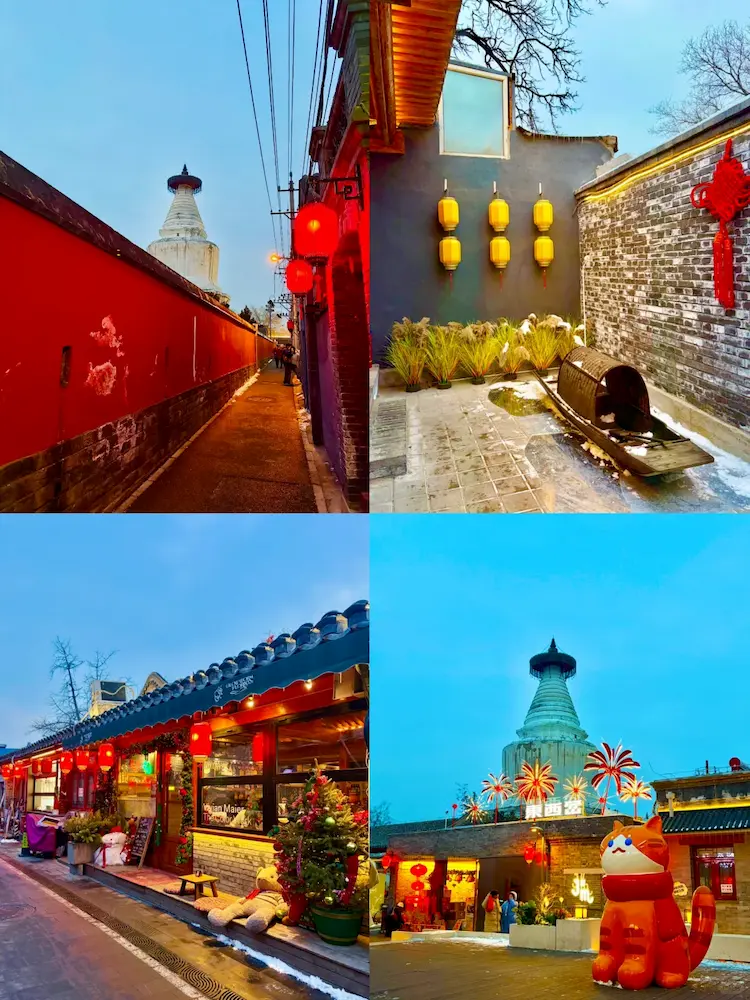
- Gongmenkou East Alley: Lively and vibrant, especially strong in festive atmosphere. The lane is lined with lanterns, “Fu” character decorations, and other New Year adornments. It’s also gathers many exquisite trendy cafes, creative gift shops, and characteristic restaurants, perfect for browsing and taking breaks.
- Gongmenkou West Alley: Relatively quieter and more residential. The grey brick walls and simple doorways allow you to capture more atmospheric and daily-life photos of the hutongs, with the serene White Pagoda still in the background.
4. Cultural Extension: Lu Xun Museum
If you’re interested in learning more about Lu Xun, the Lu Xun Museum is a short walk away (closed Mondays, free admission, ID required).
This is not just a museum about Lu Xun’s life and literary achievements; it also preserves Lu Xun’s former residence. You can see his famous study nicknamed “Tiger’s Tail,” and the two jujube trees in the courtyard he mentioned in his writing. The Lu Xun Bookstore inside the museum is also cozy, where you can order a special drink named after his essay collection “Dawn Blossoms Plucked at Dusk”.
Practical Tips & Experience Suggestions
1. Best Time to Visit: A clear winter afternoon is ideal for the soft, beautiful light and the striking colors of the red walls and white pagoda. Visiting close to the Chinese Lunar New Year allows you to fully experience the bursting festive atmosphere.
2. What to Wear: Beijing winters are dry and cold. Be sure to wear windproof, warm clothing and comfortable walking shoes. Hutong paths can be uneven, so high heels are not recommended.
3. Photography Tips: Using the red walls as a foreground with the White Pagoda in the background is a classic, fail-safe composition. Afternoon sunlight makes the red walls look especially warm. To add layers to your photos, look for lanterns, window paper-cuttings, and other festive decorations in the alleys.
4. Setting the Pace: This route is meant for “slow travel”. There’s no need to rush. Pick a cafe terrace with a view of the pagoda, sit down with a hot drink, and quietly observe daily life in the hutongs.
5. Extended Options: If time permits, nearby attractions like the Temple of Ancient Monarchs, Guangji Temple, and the China Museum of Geology can be added to enrich your journey.
In summary, this CityWalk route around the White Dagoba is like a string of exquisite beads connecting Beijing’s history, literature, everyday life, and modern creativity. It lacks the bustle of some commercialized hutongs but is full of explorable details and warm, lively atmosphere. Whether you want to trace a literary memory, capture a unique set of images of Beijing, or feel the leisurely pulse of the ancient capital on a winter afternoon, this place will not disappoint.