Beijing Ditan Park Complete Guide: History, Ginkgo Trees & Practical Tips
If your Beijing itinerary only includes the Forbidden City and the Great Wall, you might be missing a place equally captivating and closer to the historical and modern pulse of the city—Beijing Ditan Park.
Ditan Park feels completely different from most other attractions in Beijing.
It doesn’t rely on iconic architecture to draw crowds, but rather on its atmosphere and the changing seasons.
Visit at different times of the year, and you’ll discover a completely different Ditan Park: on weekdays, it’s a quiet local park; in the fall, it transforms into a world of golden ginkgo trees; and during the Spring Festival, it becomes one of the liveliest temple fairs in all of Beijing.
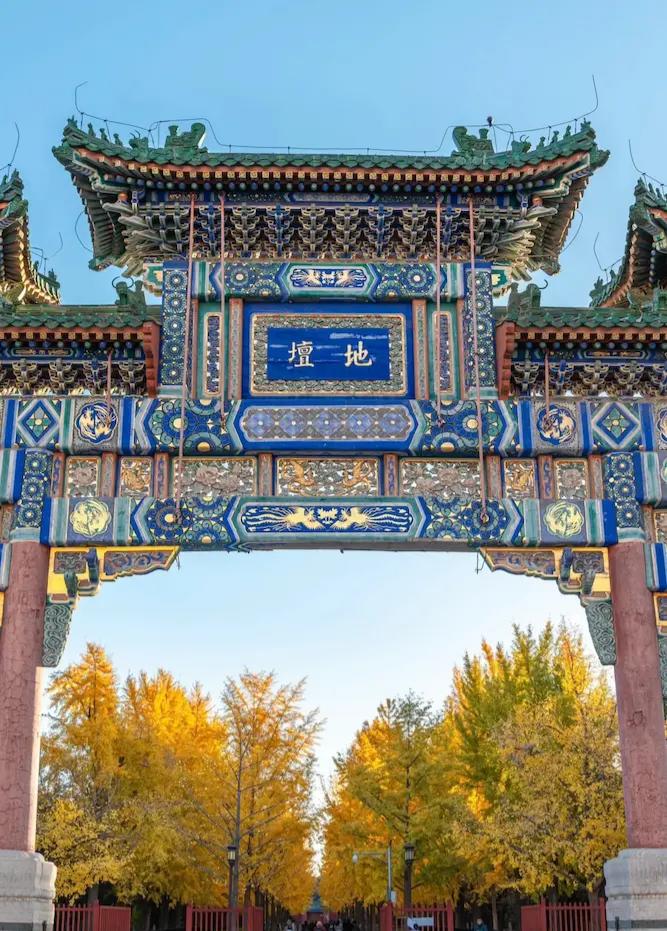
Table of Contents
A Seasonal Experience: Different Times, Different Ditan
The charm of Ditan Park largely depends on when you visit:
- Spring Festival: The liveliest—the Ditan Temple Fair, with street food, performances, and a festive atmosphere
- Fall: Most Beautiful—The golden ginkgo-lined avenue makes for stunning photos
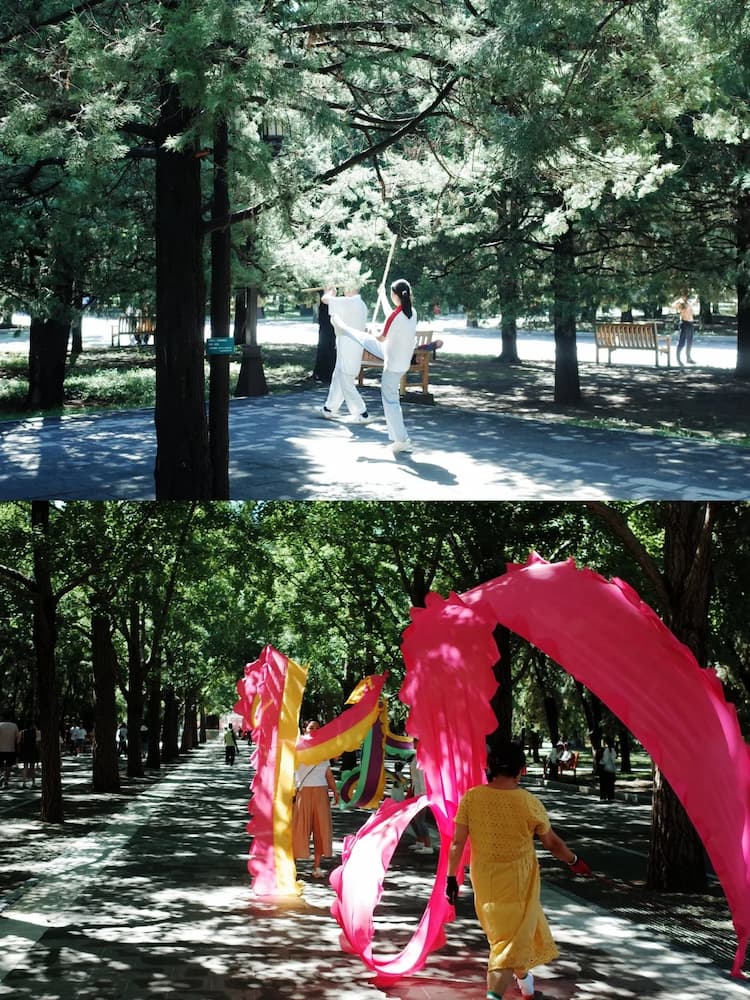
- Early Mornings on Weekdays: Most Local—Elderly residents exercising, dancing, and singing, creating a vibrant atmosphere of daily life
- Spring and Summer: Most Serene—Shaded by lush greenery, perfect for strolling and relaxing
Each season transforms the park into a unique destination.
Ditan Temple Fair During Spring Festival: The Place in Beijing with the Strongest Festive Atmosphere
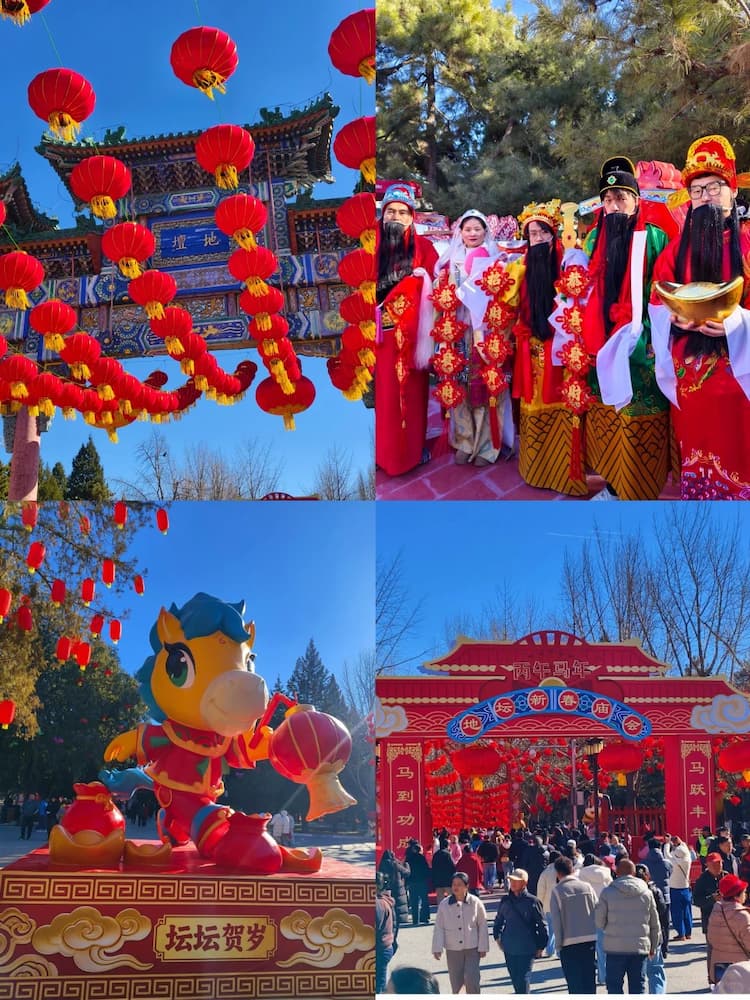
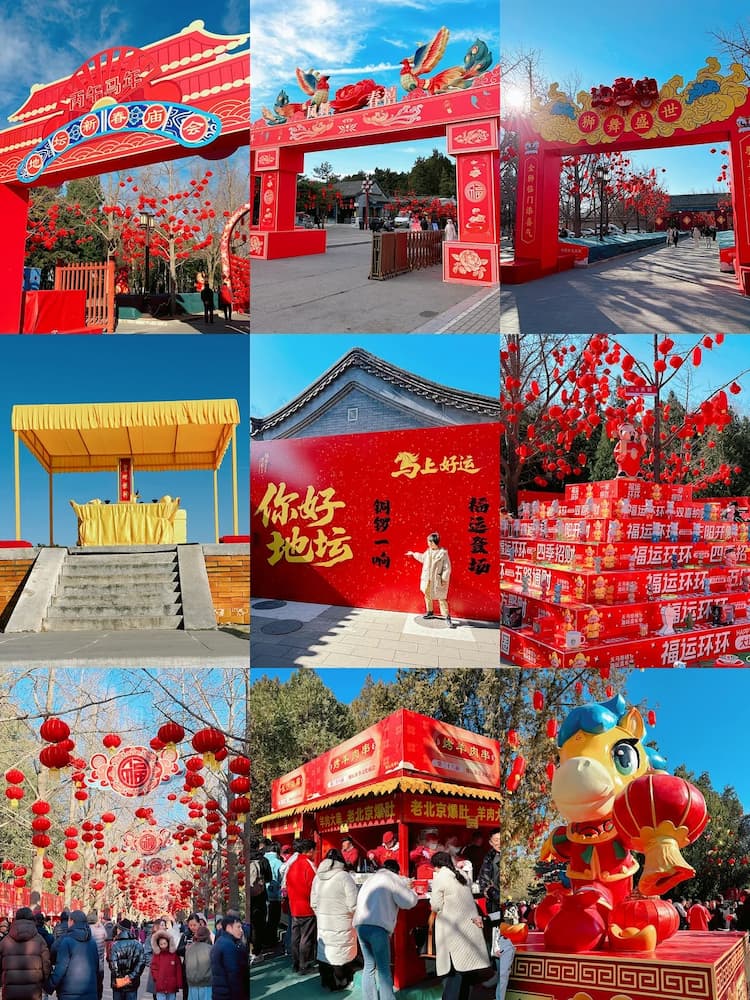
Every Spring Festival, Ditan hosts one of Beijing’s most popular temple fairs.
Red lanterns hang high, food stalls line the entire street, and traditional performances and folk games abound. Though the crowds are massive, the festive atmosphere is incredibly thick.
If you’re visiting Beijing during Spring Festival, this is the best place to experience the authentic Old Beijing New Year atmosphere.
Why Fall Is the Best Season to Visit Ditan Park
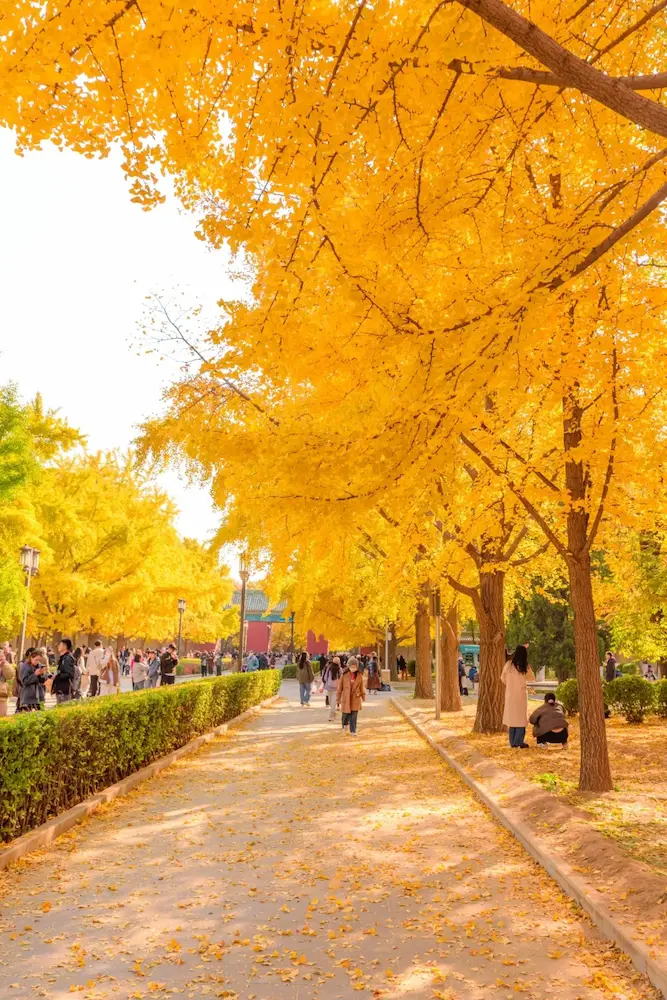
Come fall, Ditan Park transforms into one of Beijing’s most beautiful spots for ginkgo viewing.
The ginkgo trees lining both sides of the main walkway turn a brilliant gold, and fallen leaves carpet the ground. Paired with the red walls and ancient architecture, every snapshot becomes a stunning autumn masterpiece.
The best viewing period is from late October to mid-November, when the scenery is truly unparalleled.
The Ditan Park on a Regular Day: The Authentic Daily Life of Locals
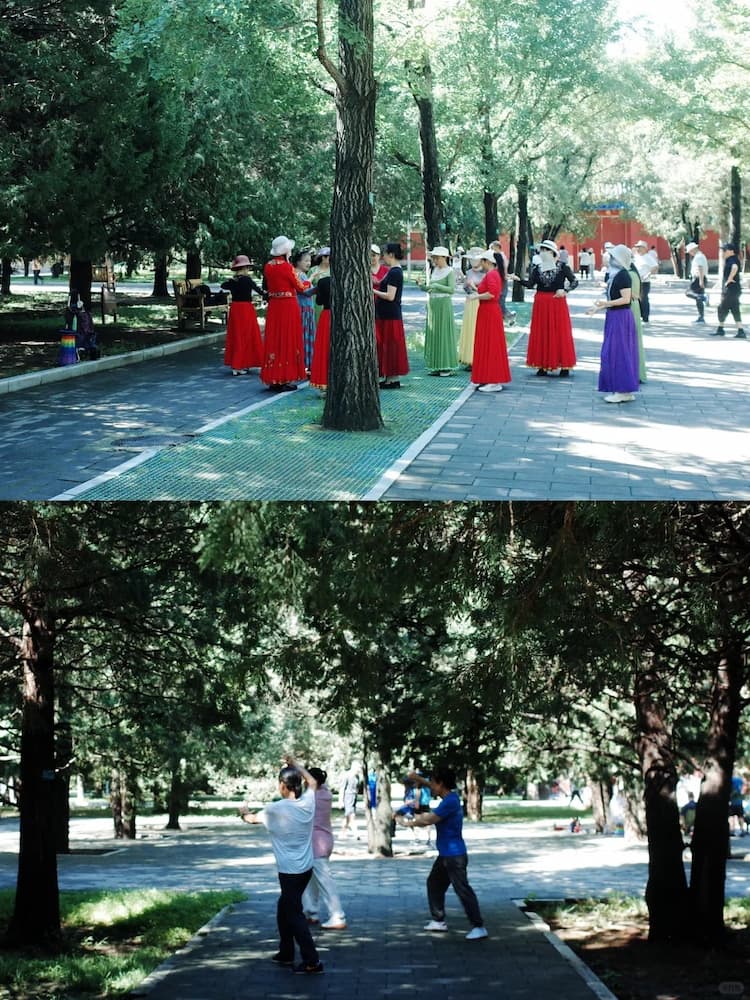
On non-holidays and outside of temple fair periods, the Ditan Park is filled almost exclusively with residents:
- Groups exercising, practising tai chi, or dancing in the early morning
- People chatting under the trees, walking their birds, or playing chess
- Quiet walking paths and expansive groves of ancient cypress trees, perfect for a stroll and relaxation
Here, there is none of the hustle and bustle of a typical tourist attraction—only the most authentic and comfortable side of Beijing life.
The Historical Significance of the Temple of Earth: An Ancient Imperial Site for Earth Worship
The Temple of Earth was first built in 1530, where emperors of the Ming and Qing dynasties performed rituals to worship the God of the Earth.
The altar complex is square in shape, reflecting the traditional Chinese concept of “Heaven is round, Earth is square”—the Temple of Heaven is round for worshipping Heaven, while the Temple of Earth is square for worshipping Earth.
The Square Altar (Fangze Tan) is the core, with all designs, numbers, and layouts centred around the Yin-Yang philosophy of “Earth.”
The Temple of Earth vs. the Temple of Heaven: What’s the Difference?
Compared to the Temple of Heaven, the Temple of Earth:
- It is smaller and quieter
- Lacks such grand architecture
- Has fewer tourists and feels more like everyday life
- It’s more like a park where you can relax and take a stroll
Simply put: The Temple of Heaven is about architecture and rituals, while the Temple of Earth is about atmosphere, the seasons, and daily life.
Visitor Tips
Don’t treat Ditan Park as a typical tourist attraction.
Most of the park consists of green spaces, forests, and walking trails. The atmosphere is relaxed and quiet, making it ideal for a stroll rather than a rushed sightseeing tour.
How to Explore Modern Ditan Park (Practical Guide)
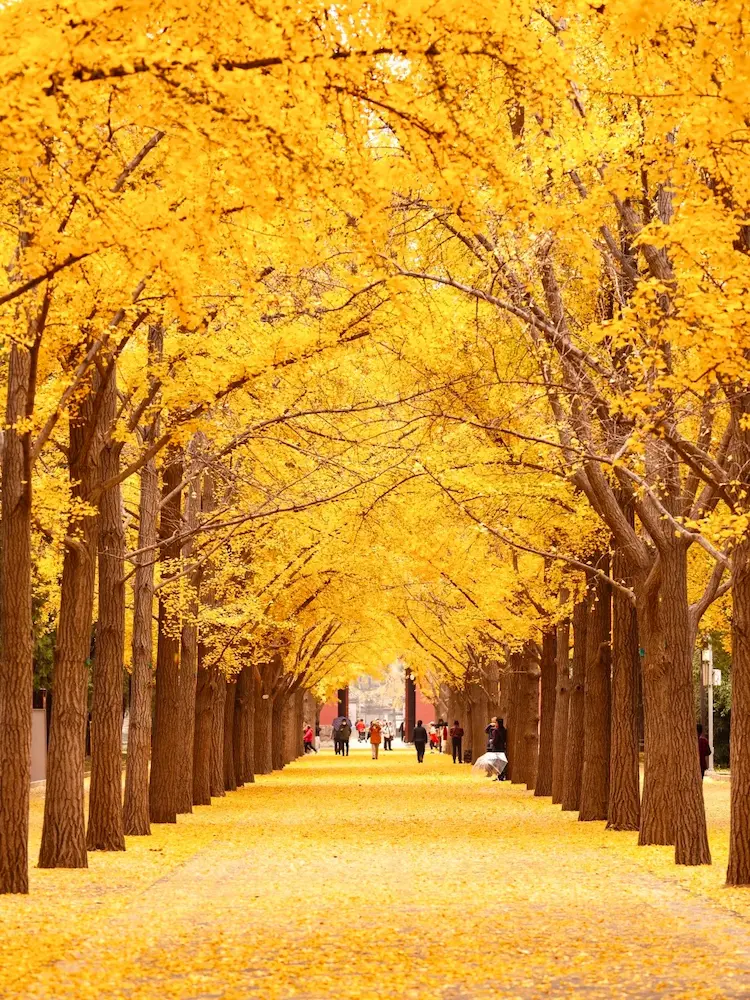
1. Must-See in Autumn: Ginkgo Avenue
- Best Time: Late October–Mid-November
- Recommended Entrance: North Gate—the ginkgo trees are right at the entrance
2. Instagram-Worthy Spot: “The Sea of Ditan”
- Location: Near the East Gate wall
- On a sunny afternoon, the sunlight reflects off the wall, creating a shimmering effect reminiscent of the ocean—a unique photo opportunity
3. Must-See During Spring Festival: Ditan Temple Fair
- Time: During the Spring Festival every year
- Highlights: Street food, folk customs, performances, and the festive atmosphere of red lanterns
4. Everyday Activities
Take a stroll, photograph historic architecture, watch people doing morning exercises, and experience the slow pace of life in old Beijing.
Practical Transportation Information
- Address: Andingmenwai Street, Dongcheng District (near Yonghegong)
- Subway: Take Lines 2 or 5 to Yonghegong Station, Exit G; it’s a 3-minute walk to the South Gate
- Admission: 2 yuan; no reservation required; tickets available on-site
- Recommended duration: 1–1.5 hours
Tips for Enjoying Di Tan Park
If time permits, it’s best to visit twice:
Once in the early morning to experience the daily life of locals;
Once in the fall or during the Spring Festival, experience its most beautiful and lively atmosphere.
The charm of Ditan Park lies not in its famous landmarks but in its fleeting moments and atmosphere.
As long as you choose the right time, it will be the place in Beijing where you feel the most local, authentic, and vibrant atmosphere.
After visiting Yonghegong Temple, come to Ditan Park for a relaxing stroll—it’s the perfect way to round out your itinerary.