Exploring Beijing’s Ya’er Hutong: A Stroll from Ancient Temple to Literary Legacy
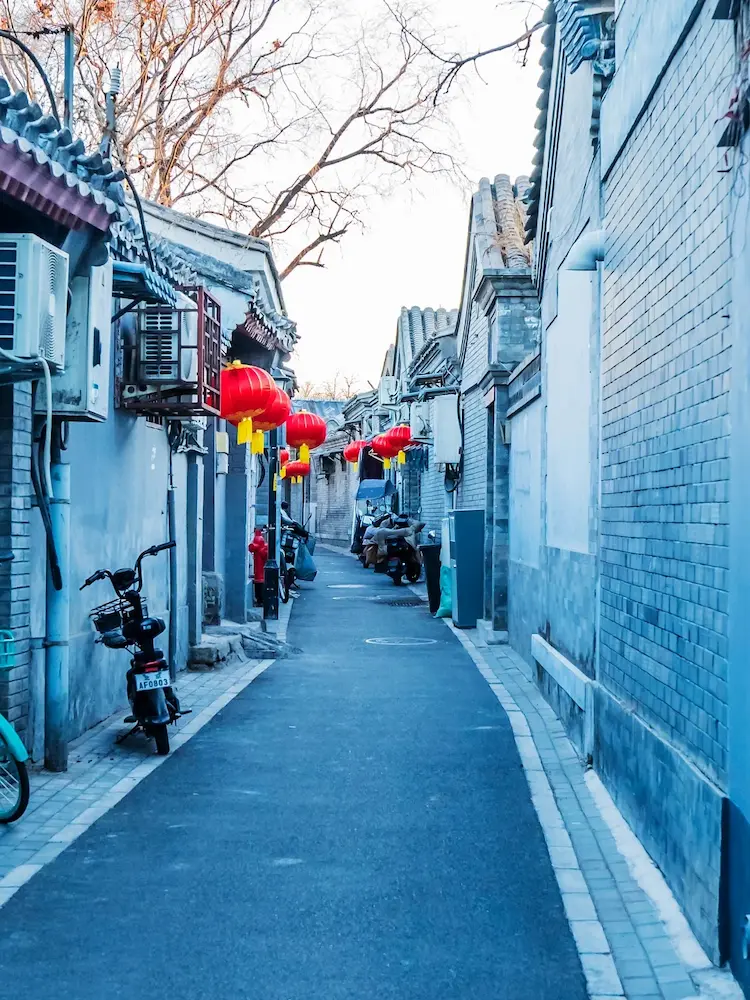
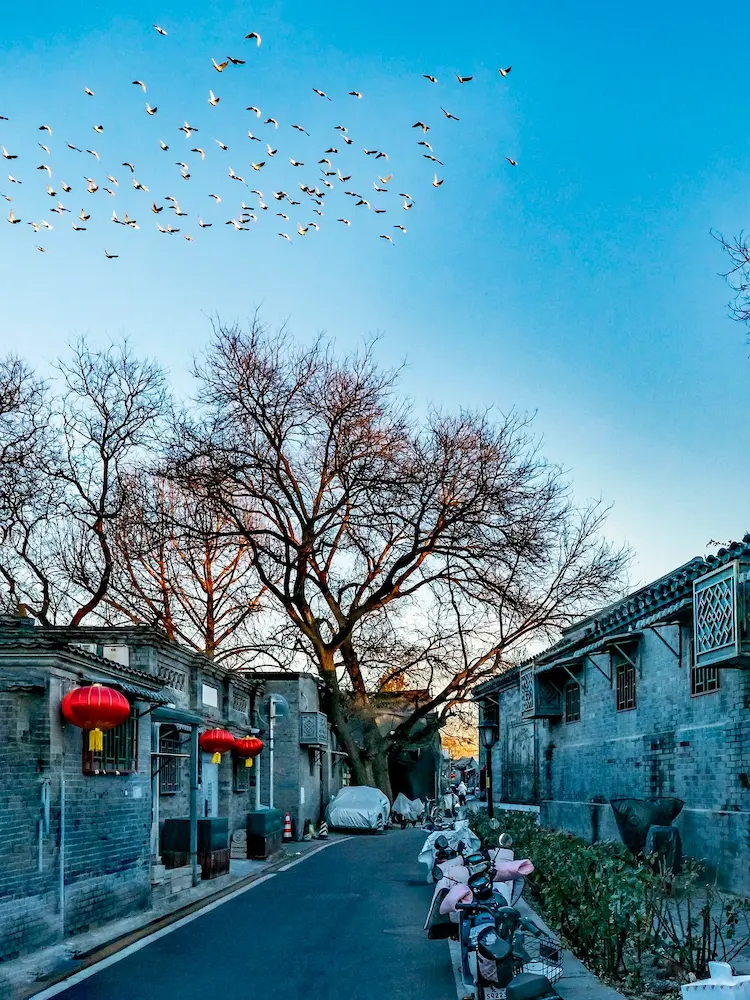
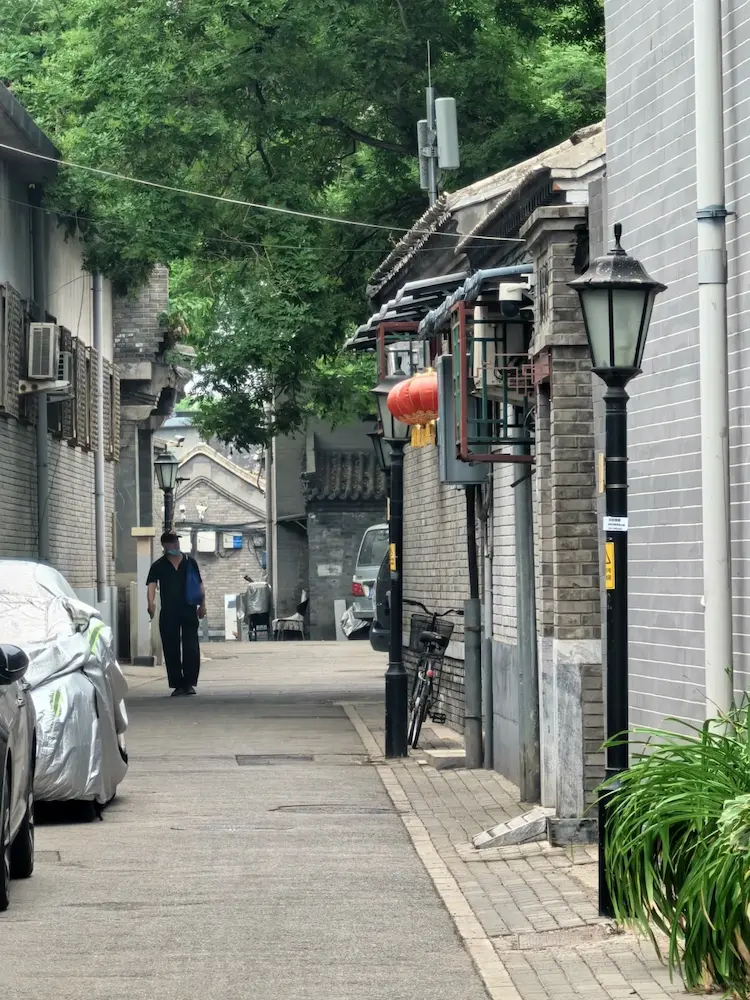
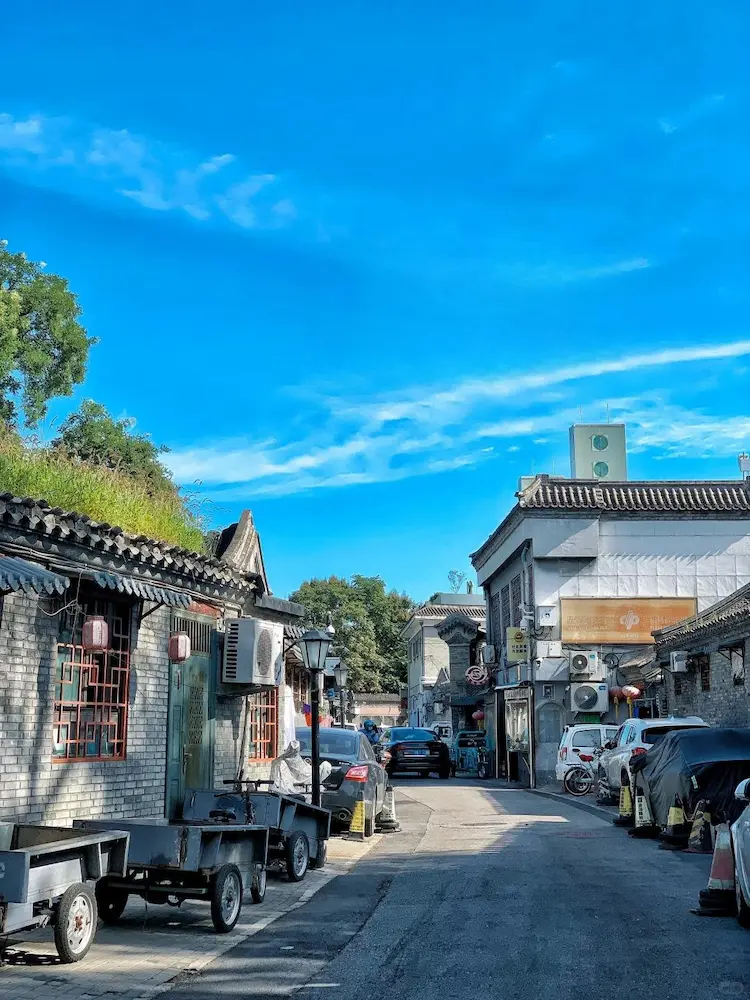
Within Beijing’s intricate network of hutongs (traditional alleyways), Ya’er Hutong stands out as a unique lane where history, literature, and the vibrant pulse of daily life converge. Its story spans centuries, quietly documenting the passage of time from an ancient temple founded in the Yuan Dynasty to the study of a modern literary figure.
Table of Contents
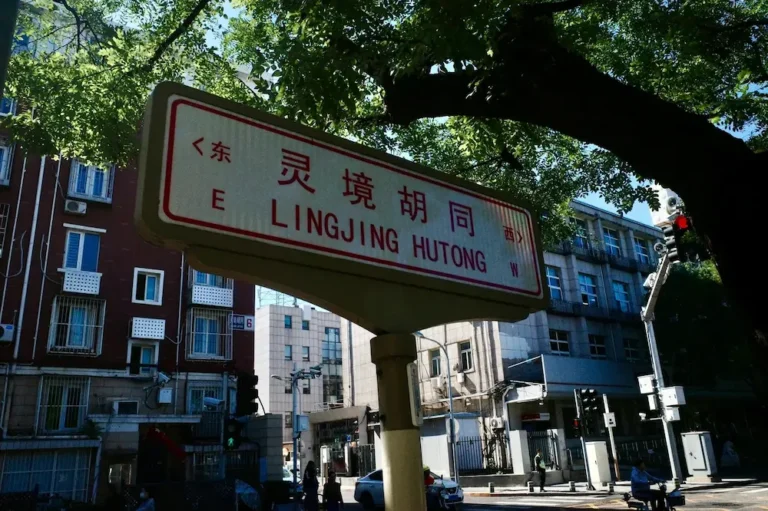
From “Duck” to “Crow”: The Curious History of a Hutong’s Name
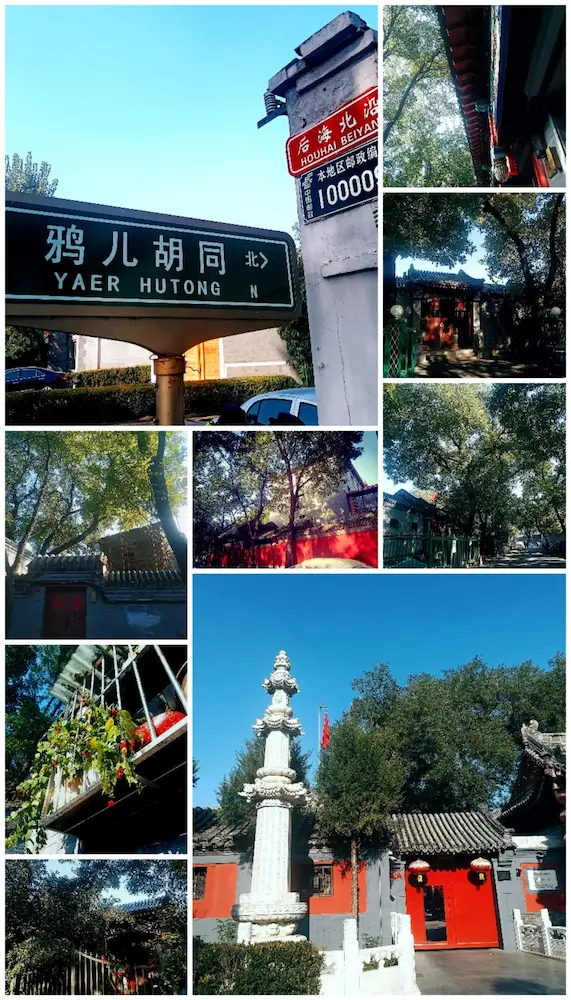
The name of this hutong is itself a capsule history of the area, deeply connected to water. In the Yuan Dynasty, due to its proximity to the waterways, it was first known as “Yan’er Hutong” (Along-the-Shore Lane). Later, as the area became a habitat for flocks of wild ducks, it was aptly renamed “Ya’er Hutong” (Duckling Lane). In modern times, its name finally evolved into the current “Ya’er Hutong”. Each change reflects shifts in the local environment and the imprint of daily life.
Daily Life at the Entrance and the Literary “Snail Dwelling”
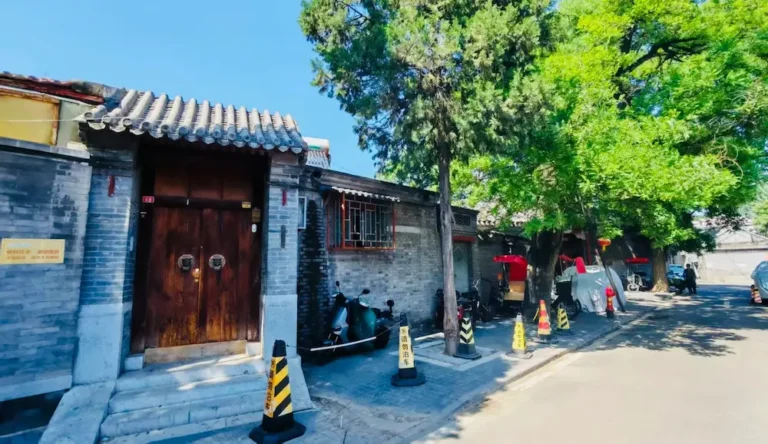
Entering Ya’er Hutong, you are often first greeted by the robust atmosphere of everyday life. You might smell the aroma of sesame seed cakes or see a queue forming outside a time-honored restaurant before you even spot a historic site. This lively street scene is your first lesson in understanding hutong life.
However, within just a few steps, the atmosphere subtly shifts. You arrive at the former residence of the renowned writer Xiao Jun. He gave his modest dwelling a humble yet philosophical name—”Snail Dwelling” (Wo Wo Ju). In this unassuming two-story Western-style wooden house, Xiao Jun lived and created for thirty-seven years, completing major works like May’s Mine.
He likened his study to a “snail’s shell,” suggesting that while the physical space was small, it was ample for a vast inner world. He wrote poems here, expressing a state of mind content in his little corner of the world, serenely observing the changing clouds while dedicating himself to writing. Today, this Beijing Municipal Cultural Heritage Site stands empty, awaiting its next chapter, but the era of literary perseverance it represents continues to inspire respect in passersby.
The Ancient Temple in the Depths: Guanghua Temple
As you venture deeper into the hutong, the space suddenly opens up to reveal a solemn temple complex: the Beijing Guanghua Temple. This temple was first built during the Yuan Dynasty, established through the arduous alms-seeking efforts of a monk, which also inspired its name “Guanghua” (Extensive Transformation). As one of the historically famous “Inner Eight Temples,” it remains an important site for Buddhist activities in Beijing.
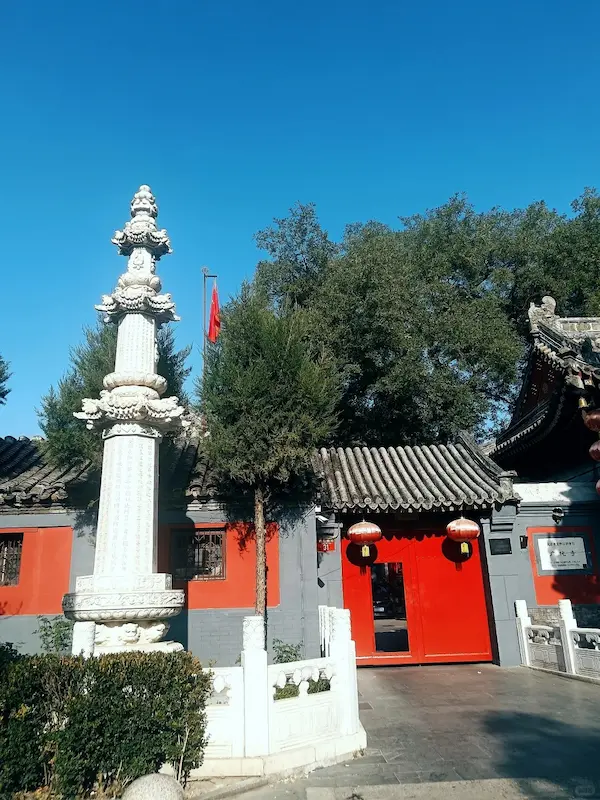
Guanghua Temple is large in scale, with its buildings orderly arranged along a central axis, from the mountain gate and Heavenly King Hall to the Grand Hall (Mahavira Hall) and the Scripture Depository, appearing ancient and dignified. It is not only a precious ancient architectural complex but also a treasure trove of artifacts, housing over a thousand precious cultural relics, including a Ming Dynasty copy of the Avatamsaka Sutra and a Diamond Sutra inscribed by the Qing Dynasty Emperor Yongzheng.
This ancient temple also witnessed the end of a special slice of history. Sun Yaoting, known as “China’s Last Eunuch,” spent his later years here until his passing. His presence adds a final, profound layer to the temple’s history—a shadow from the old era.
One Hutong, Multiple Worlds
Walking from near the Yinding Bridge into Ya’er Hutong, a short stroll feels like a journey through time. You experience:
- 1. The Bustle of Daily Life: The enticing smells of food and crowds lining up.
- 2. The Quietude of Literature: Imagining the writer laboring over his desk day and night in front of the “Snail Dwelling.”
- 3. The Depth of History: Feeling the weight of time amidst the incense and artifacts of Guanghua Temple.
- 4. The Tenacity of Life: Reflecting on the perseverance passed down through generations, from winter swimmers to firsthand witnesses of history.
The charm of Ya’er Hutong lies precisely in how it weaves all these layers—the ordinary and the sublime, the ancient and the vibrantly alive—tightly together. It is not merely a passageway but a living cultural space that invites every visitor to slow down, read the stories behind its bricks and tiles, and listen to the dialogue between history and the present. Here, every turn might reveal a different facet of Beijing.