Exploring Beijing’s Qianchuan Hutongs: Stories Behind the Names and the Mundane Daily Life
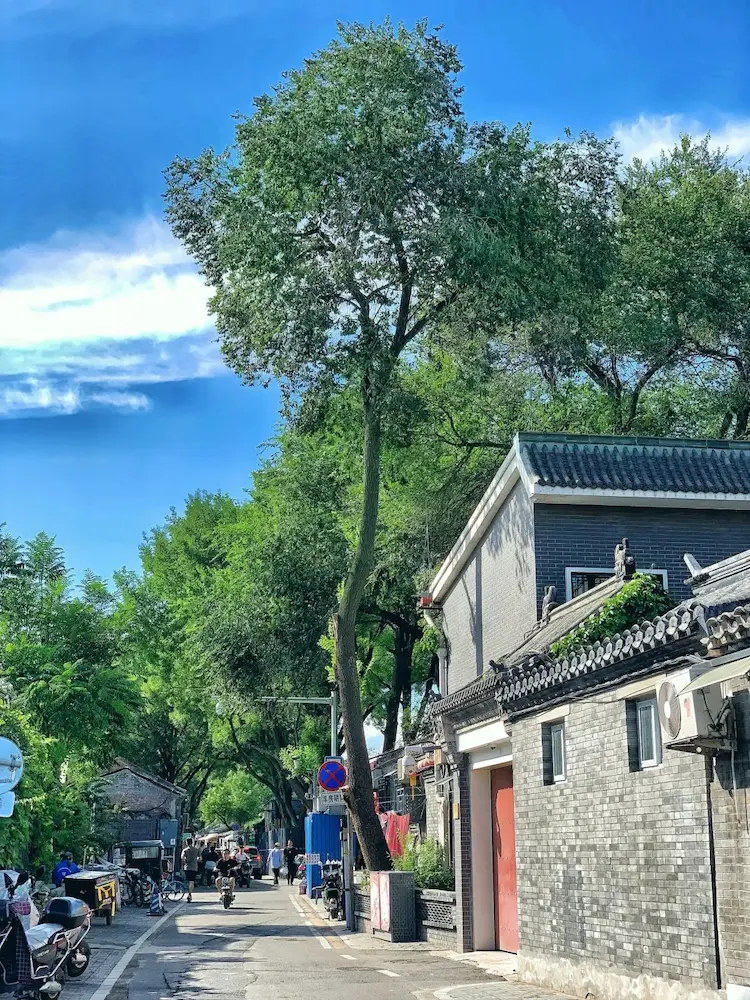
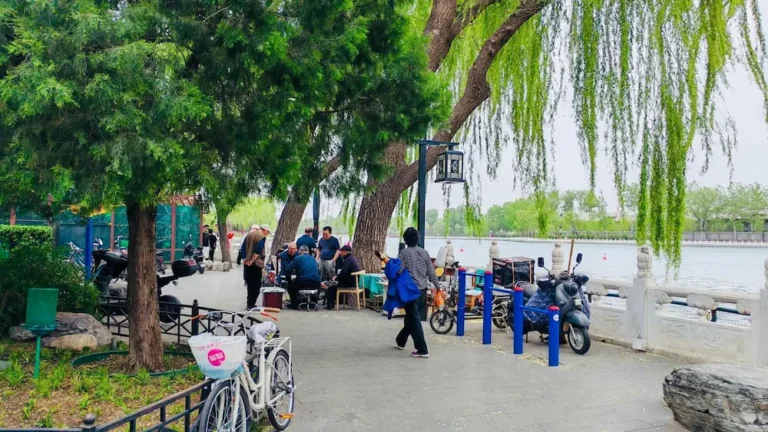
Nestled near Beijing’s Shichahai Lake lie two hutongs with delightfully interesting names–South Qianchuan Hutong and North Qianchuan Hutong.
Their names bear the character for “money”, and there are indeed money-related stories behind them. Linked with the nearby Longtoujing Street, Sanzuoqiao Hutong, Yangjiaodeng Hutong, and other lanes, they form a winding, labyrinthine network of hutongs where strangers easily get lost.
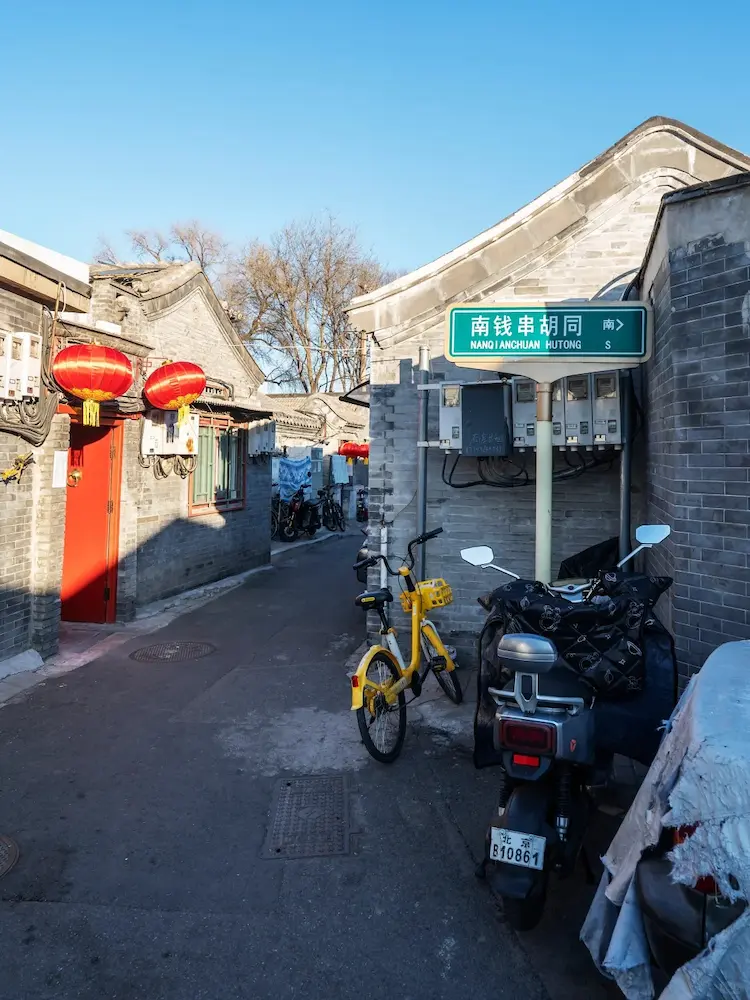
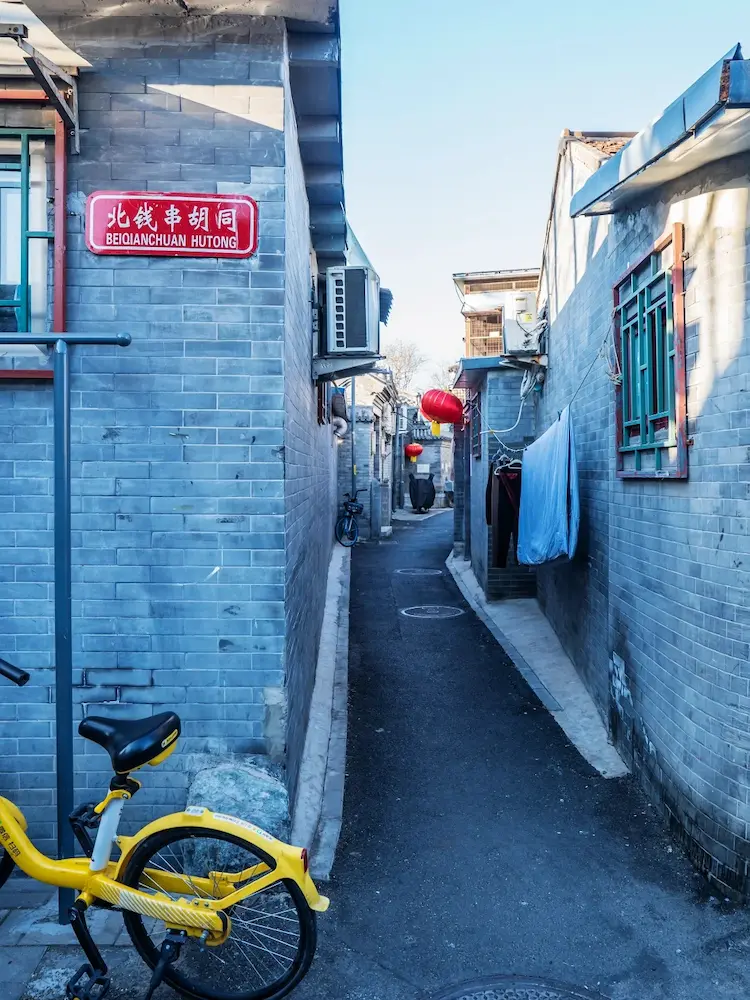
Table of Contents
How Did the Name “Qianchuan (Coin String)” Come About?
Why are they called “Qianchuan”? There are two main theories, both vivid and descriptive:
- The Shape Theory: The two hutongs are narrow and long with branching alleys, their layout resembling strings of ancient copper coins strung together with a rope.
- The Workshop Theory: During the Qing Dynasty, there may have been mints here producing copper coins–the currency of ancient China–hence the name.
Today, if you walk into South Qianchuan Hutong from Longtoujing Street, you will spot a unique sculpture at a slightly spacious spot in the middle, a landmark of the hutong.
Modelled after a string of coins, it is engraved with “Qianlong Tongbao” (a coin minted during the Qianlong reign of the Qing Dynasty), silently reminding passersby of the origin of the hutong’s name.
Interestingly, however, when I found the sculpture, it was “buried” under the clothes hung out to dry and daily sundries piled up by the residents, fully integrated into the ordinary, mundane life, making it hard to connect it with the ancient implication of “coin string” at first glance.
Traces of History in the Hutongs
Though South and North Qianchuan Hutongs look rather simple today, overshadowed by the more imposing hutongs around Shichahai, they too hold many stories within their lanes.
- Qianhai Guanyin Nunnery: Courtyard No.13 in South Qianchuan Hutong is the former site of Qianhai Guanyin Nunnery. First built in the Ming Dynasty and renovated in the Qing Dynasty, it was once one of the famous “nine nunneries and one temple” in the Shichahai area. Today, however, it has become a regular residential compound with many makeshift small rooms added inside, bearing no resemblance to its original appearance.
- Former Residence of a Crosstalk Master: It is said that the side gate of Courtyard No.6 in South Qianchuan Hutong was once a rental home of Hou Baolin, the renowned master of crosstalk. In fact, Mr Hou Baolin lived briefly in several nearby places, including Longtoujing Street and Yangjiaodeng Hutong back in the day, reflecting the peripatetic early life of the older generation of artists. The courtyard now appears to be uninhabited.
- The Lost Taiping Nunnery: Legend has it that Courtyard No.1 in North Qianchuan Hutong was the site of Taiping Nunnery. Yet during my visit to find it, I saw no gateplate for No.1 nor any cultural relic identification plaques, so this remains unconfirmed. Where North Qianchuan Hutong connects with Yangjiaodeng Hutong, several newly renovated siheyuan courtyards can be seen, but most other courtyards in the hutong are quite dilapidated.
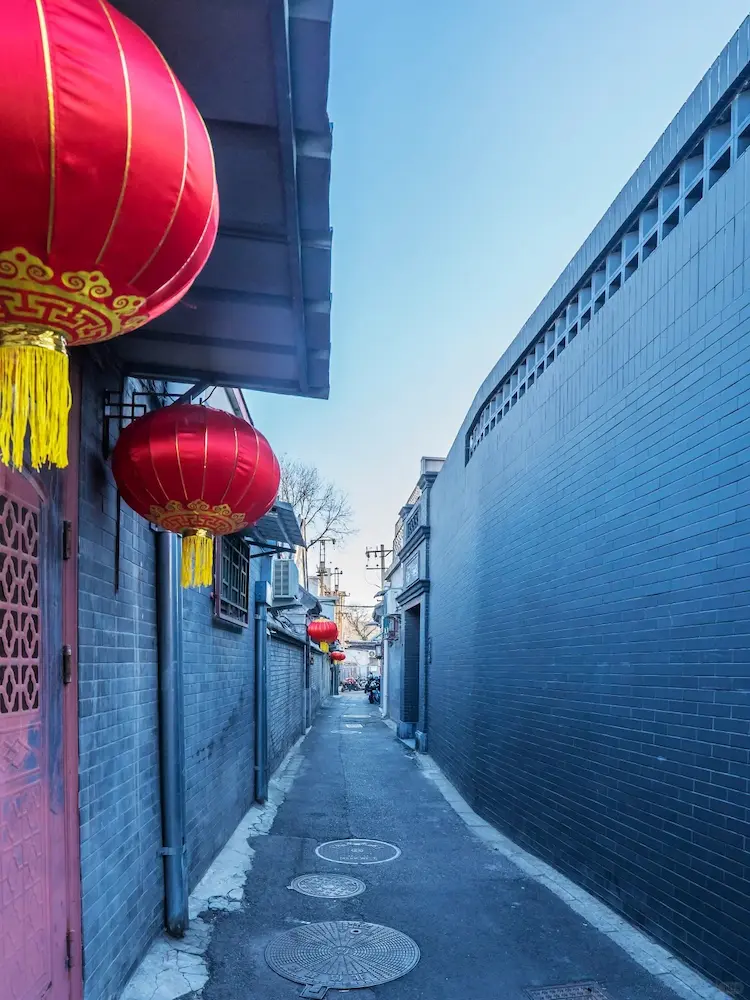
A Quiet Mundane Life
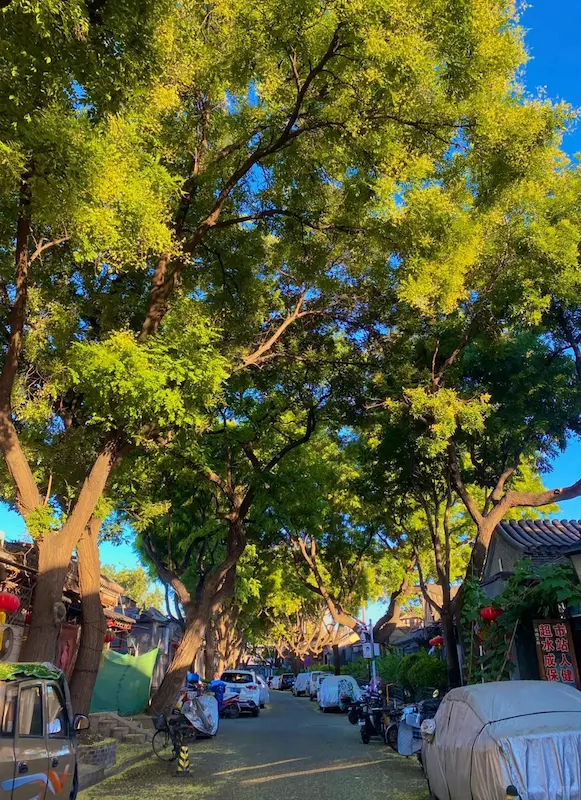
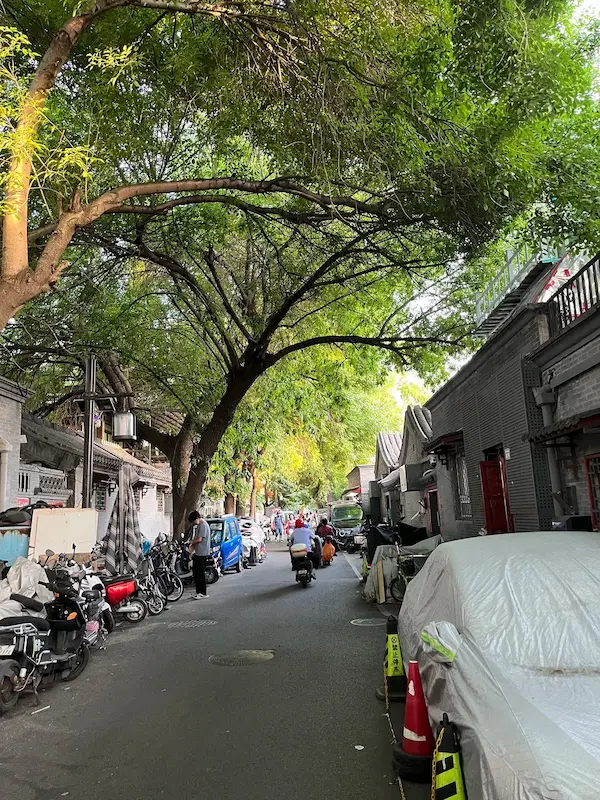
In stark contrast to the bustling main Scenic Area of Shichahai just a few steps away, the Qianchuan Hutongs are exceptionally quiet.
There are few traces of commercial development here, only scenes of the daily life of ordinary old Beijing residents–elderly people sunbathing at the gate, clothes hanging out to dry, and bicycles passing by occasionally.
It is this slightly “simple” atmosphere that perhaps comes closer to the plain and authentic cultural and living vibe that these hutongs once possessed.
Walking through these winding, interconnected hutongs, you will realise that history is not always grand and glorious; it also settles in the names of these ordinary lanes, in the bricks and tiles of the old houses, and endures in the plain daily lives of generations of ordinary people.
Photography Tips: My Secret Techniques for Capturing the
“Hutong Atmosphere”
As a travel blogger who loves photography, Qianchuan Hutong is the kind of place where you don’t need filters—every shot turns out great.
Here are a few of my go-to techniques:
- 2–4 p.m.: The sunlight streams diagonally across the walls, creating the softest, most gentle play of light and shadow
- Photographing Bicycles: Capture a bike slowly riding by for a shot that truly captures the essence of hutong life.
- Photographing Elderly People at Doorsteps: They sit quietly soaking up the sun—don’t disturb them; just capture the moment from a distance.
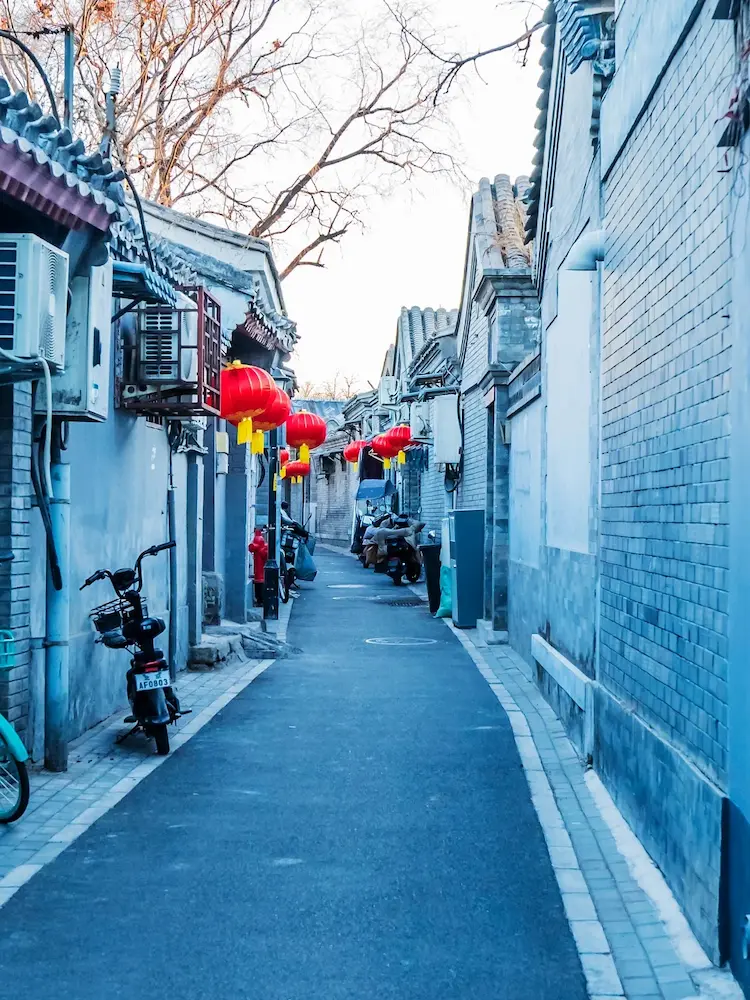
- Capturing the Depth of the Hutong: Stand at the entrance and shoot inward—it’s quiet, soothing, and full of stories.
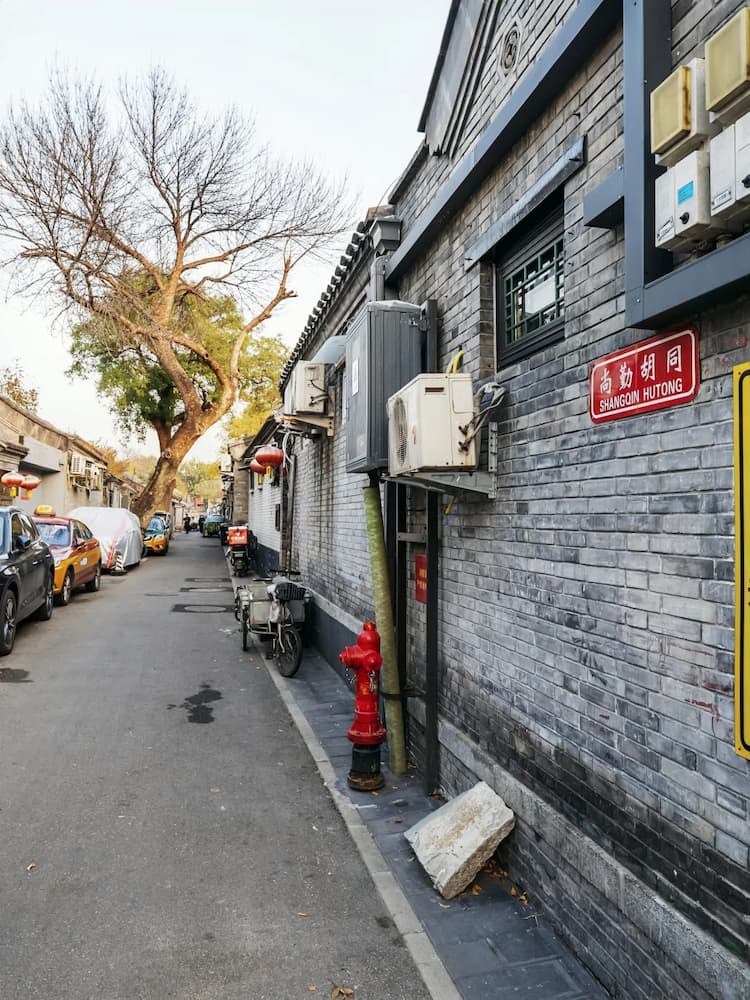
- Photographing Grey Walls + Light and Shadow: Minimalist, sophisticated, and free from the typical “Instagram-y” vibe—it has a truly rich texture.
No need to strike a pose; just walk slowly and snap photos as you go—it’s perfect.
Qianchuan Hutong (South / North) Super Practical Transportation Guide
What’s the most convenient way to get there?
Subway:
Take Subway Line 8 to Shichahai Station or Line 6 to Beihai North Station, then walk 10–15 minutes to reach the Qianchuan Hutong area.
Bus:
Take the bus to Gongwangfu Station or Liuyin Street Station. Walk 5 minutes down Liuyin Street, and you’ll turn into the quiet Qianchuan Hutong.
Driving / Taxi:
Navigate directly to “South Qianchuan Hutong” or “North Qianchuan Hutong.” The alleys are narrow and difficult to park in, so we recommend getting out at the intersection and walking in.