Beijing’s Xiaoshiqiao Hutong: A Mansion-Style Hotel and Its Century of Stories
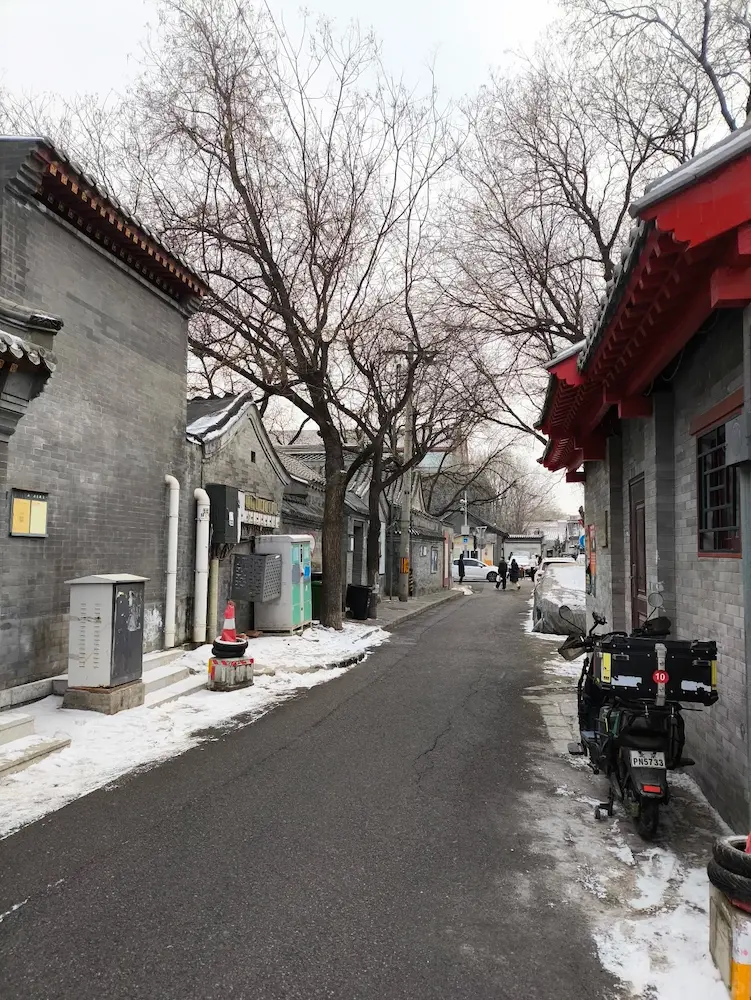
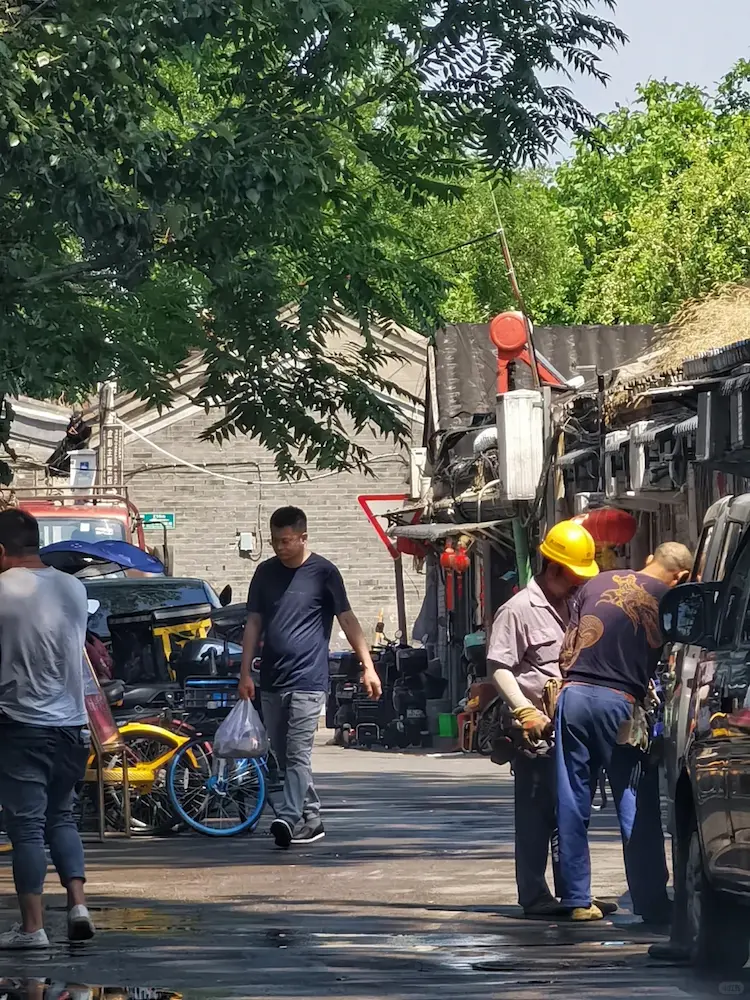
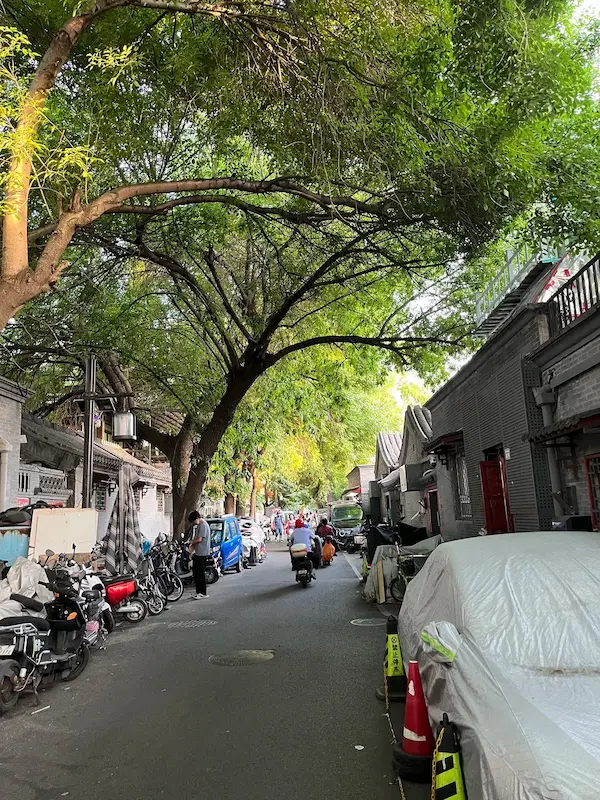
West of Beijing’s Old Gulou Street lies a quiet little lane named Xiaoshiqiao Hutong. Stretching 303 meters and running east to west, it curves slightly at the western end, leading to Dashiqiao Hutong and Xinkai Hutong.
The name “Xiaoshiqiao (Small Stone Bridge)” has been in use here since the Ming Dynasty and remains to this day.
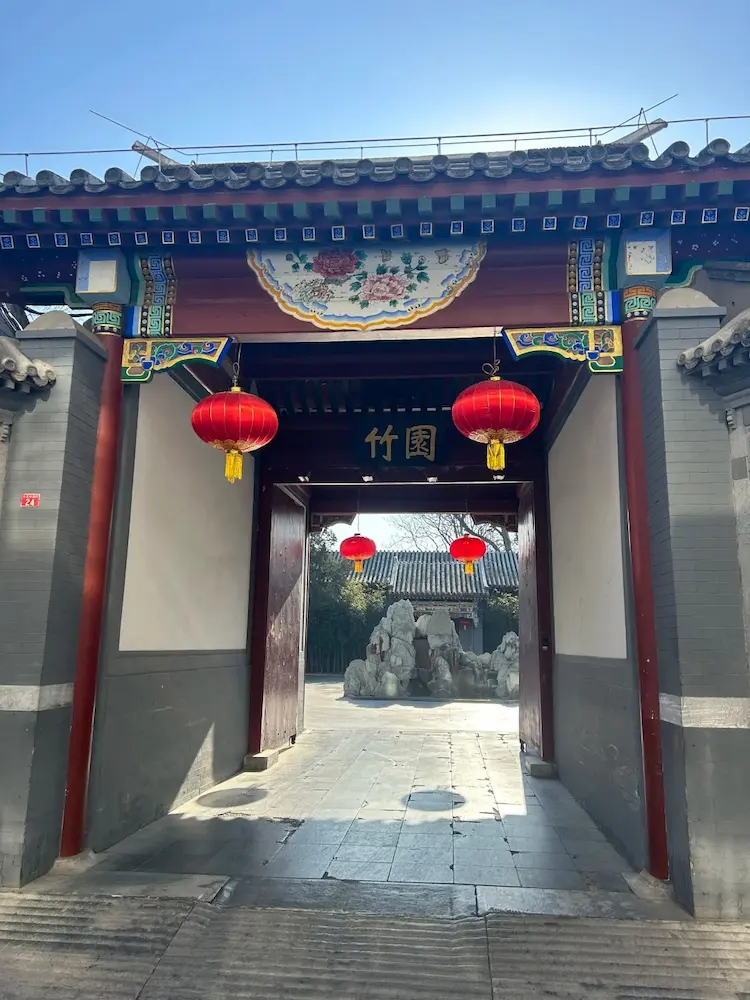
What has made this hutong famous, however, is a storied mansion within it—the present-day Zhuyuan Hotel (No.24 Xiaoshiqiao Hutong). Like a weathered elder, this courtyard has witnessed the historical changes of the late Qing Dynasty, the Republican period, and the People’s Republic of China.
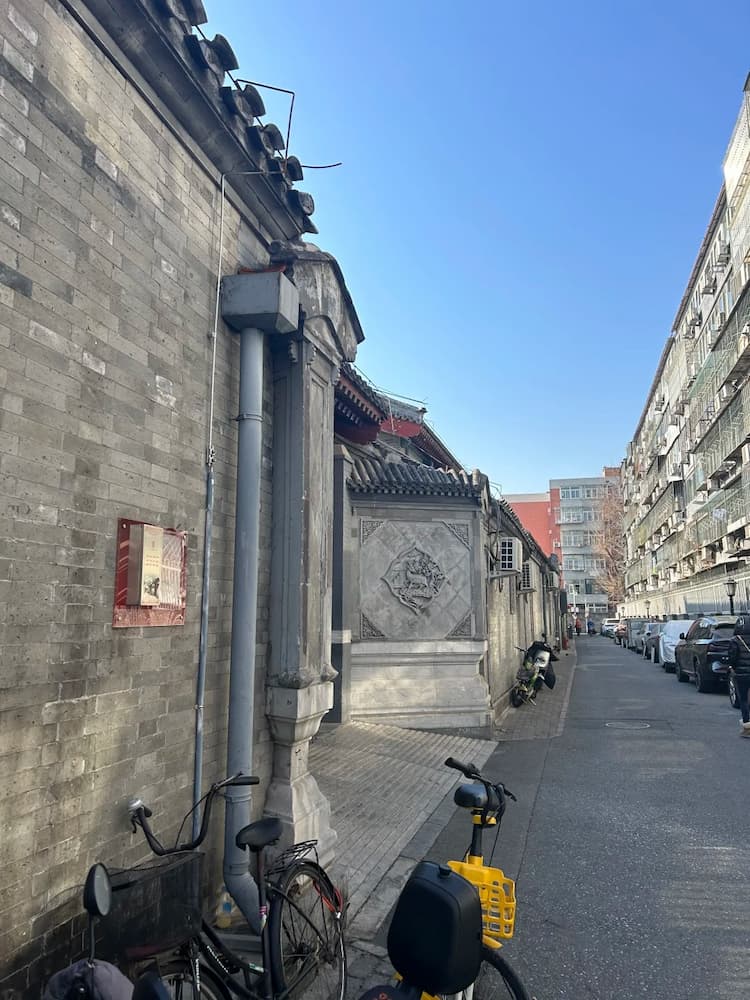
Table of Contents
Quick Overview | Get to Know This Hutong in 10 Seconds
- Highlights: The former residence of Sheng Xuanhuai from the late Qing Dynasty, Zhuyuan Hotel (a blend of Jiangnan and Northern-style courtyard architecture), and a hidden hutong along the Central Axis
- Nearest Subway: Line 8, Shichahai Station / Gulou Dajie Station, 10–15 minutes on foot
- Recommended Visit Duration: 20–30 minutes (for a stroll)
- Current Status: Zhuyuan Hotel is still under renovation in 2026 and is temporarily closed to the public
- Best For: History buffs, those seeking tranquility, photographers looking for traditional hutong scenes, and in-depth travelers wanting to avoid crowds
- Nearby Attractions: Bell and Drum Towers, Yandai Xiejie, Shichahai—all within walking distance
No. 24 Xiaoshiqiao Hutong: The Courtyard of the Late Qing Dynasty’s Wealthiest Man—A Past Preserved by Bamboo Groves
Many people don’t know that the most famous residence in this hutong was originally owned by Sheng Xuanhuai.
Many people don’t know that the most famous residence in this hutong was originally owned by Sheng Xuanhuai.
He is known in history as the “Father of Chinese Industry.”
The China Merchants Steam Navigation Company, the first telegraph bureau, the first railway, the first bank… He achieved 11 “firsts” in China during his lifetime, making him the true wealthiest man and industrial pioneer of the late Qing Dynasty.
His courtyard is exceptionally tasteful:
The East Wing is a traditional siheyuan courtyard, connected by covered walkways, grand and symmetrical.
The West Wing is a garden, complete with rockeries, pavilions, and a flower hall.
The grandeur of a northern siheyuan combined with the elegance of a southern garden is extremely rare in Beijing’s hutongs.
Later, the compound underwent several changes:
During the War of Resistance, it served as an official residence, and in 1952, Mr. Dong Biwu moved in.
He had a particular fondness for bamboo and personally planted a grove of green bamboo, giving the courtyard its gentle name—Zhuyuan (Bamboo Garden).
Later, it became the famous Zhuyuan Hotel, known among old Beijingers for its tranquil elegance.
I’ve visited once before. The moon gate, green bamboo, gray tiles, and white walls make for exceptionally atmospheric photos, especially that moon gate with its Jiangnan-style charm—it’s my personal favorite spot for hutong photography.
Important Notice (Updated 2026)
The Bamboo Garden Hotel is currently undergoing renovation and is temporarily closed to visitors. You can only experience its historic atmosphere from the entrance.
The Other Side of the Hutong: Home to the “Guardians” of the Forbidden City
Courtyard No. 11 across the street is also steeped in history.
This used to be the dormitory for the National Cultural Heritage Administration and the Forbidden City.
Mr. Shan Shiyuan, former deputy director of the Forbidden City and a renowned expert in ancient architecture, once lived here.
You could say:
On one side of Xiaoshibridge Hutong lies the former residence of a late Qing industrial tycoon,
while on the other side live scholars who safeguard the cultural heritage of the Forbidden City.
This collision of history and culture is truly captivating.
My Photography Tips | The Best Angles for Photos in the Hutong
Although you can’t enter Zhuyuan, the hutong itself is still great for photography:
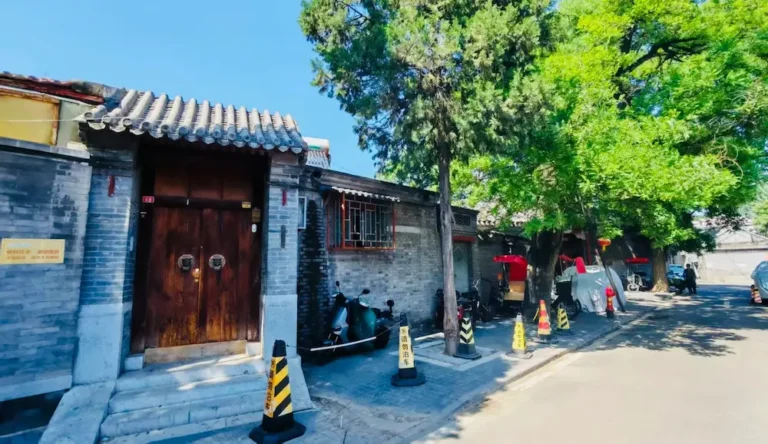
The main gate of Zhuyuan Hotel: A grand old courtyard gate with a distinct sense of history
Gray hutong walls + bamboo shadows: Simple and clean, with a strong antique feel
Hutong Bends: The western section of Xiaoshibridge Hutong features natural curves that make for stunning compositions
Door sills, old gates, and eaves: Rich in detail, exuding the authentic flavor of old Beijing
Style: Quiet, historical, artistic, and minimalist with an antique vibe—not the noisy, trendy “Instagram-worthy” style.
Practical Guide for International Visitors | Explore with Ease and Never Get Lost
What is most moving about Xiaoshiqiao Hutong is not the scenery, but the sense of history it exudes.
In just 300 meters, you walk through the late Qing Dynasty, the Republic of China, and the People’s Republic of China.
you pass by the wealthiest tycoons, scholars, and national leaders;
You experience the gardens of the Yangtze Delta, the courtyards of northern China, and the cool breeze through bamboo groves.
It is quiet, peaceful, and free from commercialization,
yet it hides the most authentic, profound, and little-known side of old Beijing.
If you want to escape the crowds and truly “understand Beijing,”
Take a stroll here, and you’ll realize:
The best hutongs are never mere tourist attractions—they are living history.