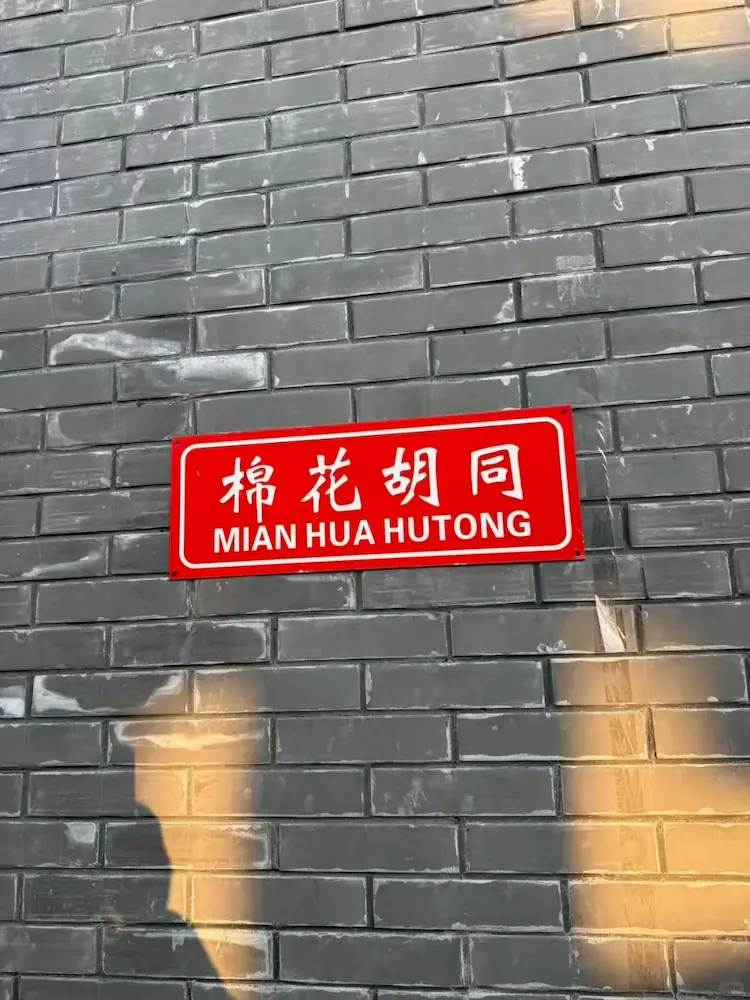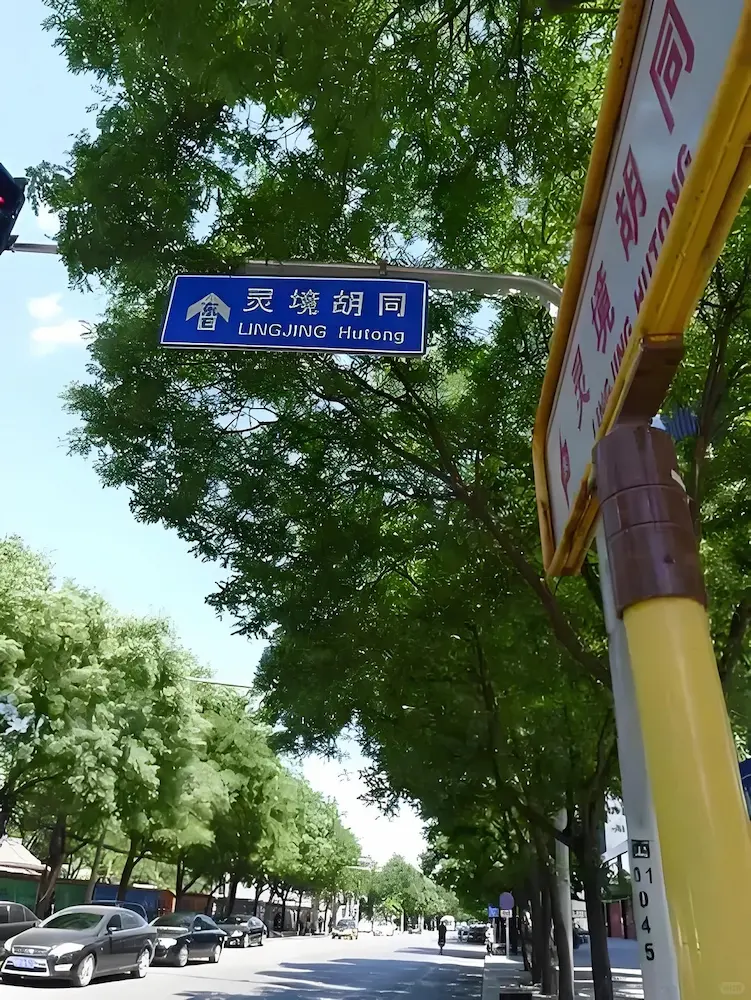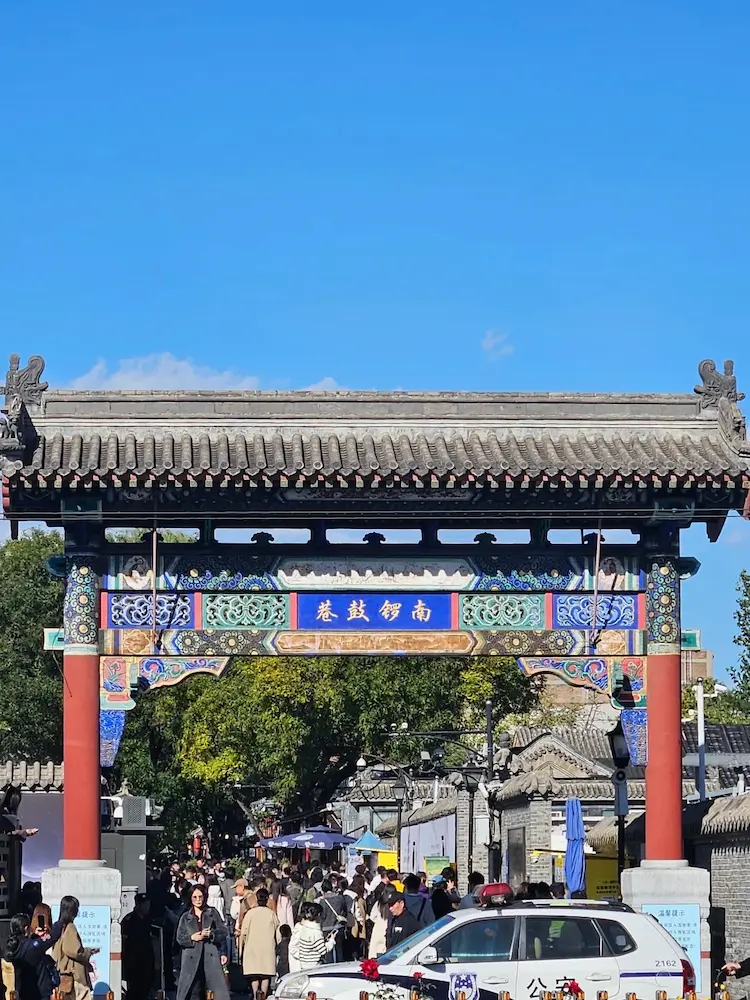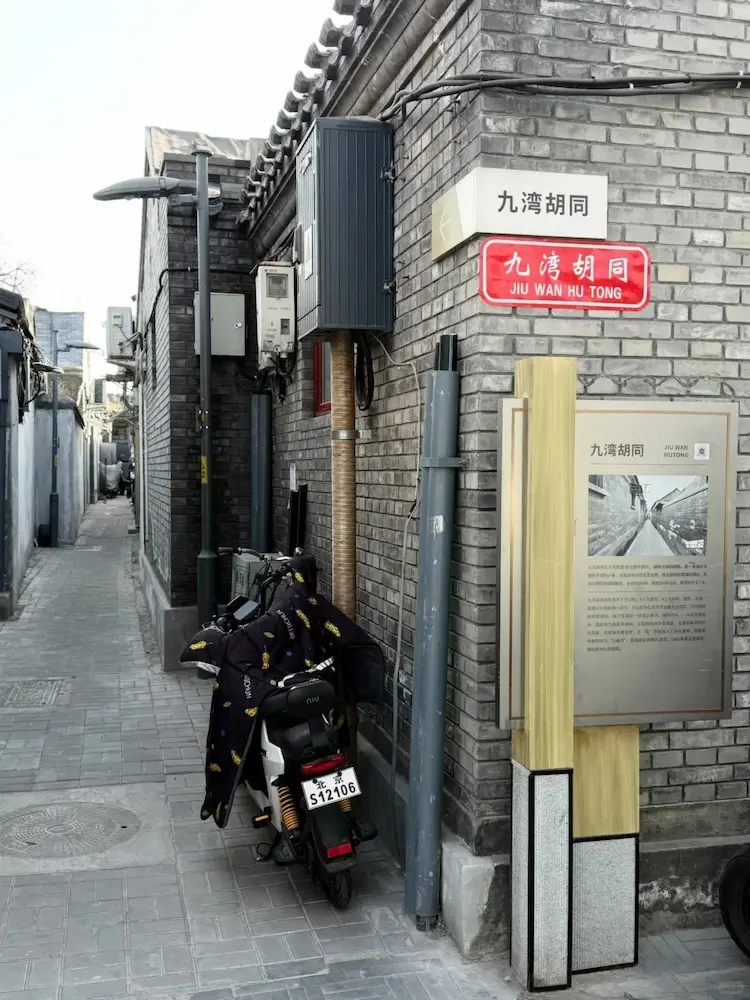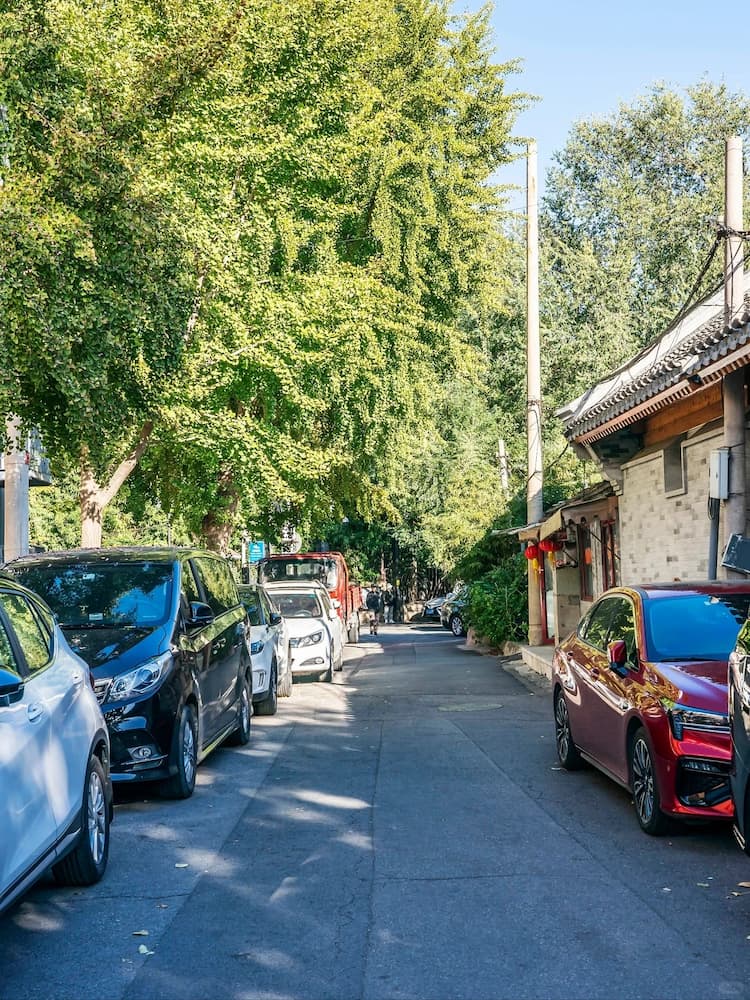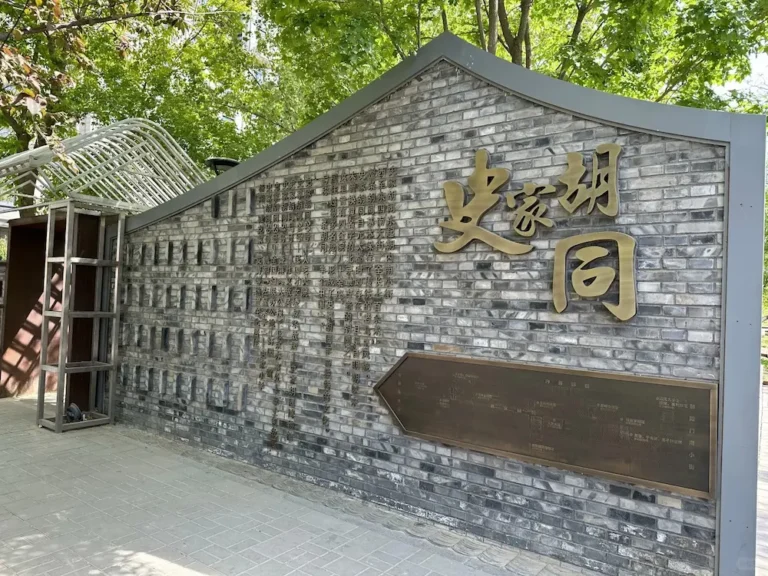
Baimi Xiejie: A neglected side street next to Yandai Xiejie, where Zhang Zhidong and the last imperial consort spent their twilight years
Near the Shichahai Scenic Area in Beijing, in addition to the bustling Yandai Xiejie, there is a quiet and historic alleyway called Baimi Xiejie. It stretches 353 meters from northeast to southwest, connecting Baimi Beixiang and Lechunfang Hutong.
Lechunfang Hutong takes its name from a small garden in the Qing Dynasty where rare birds and goldfish were once kept, while the name of Baimi Xiejie is closely linked to the ancient canal and granaries.
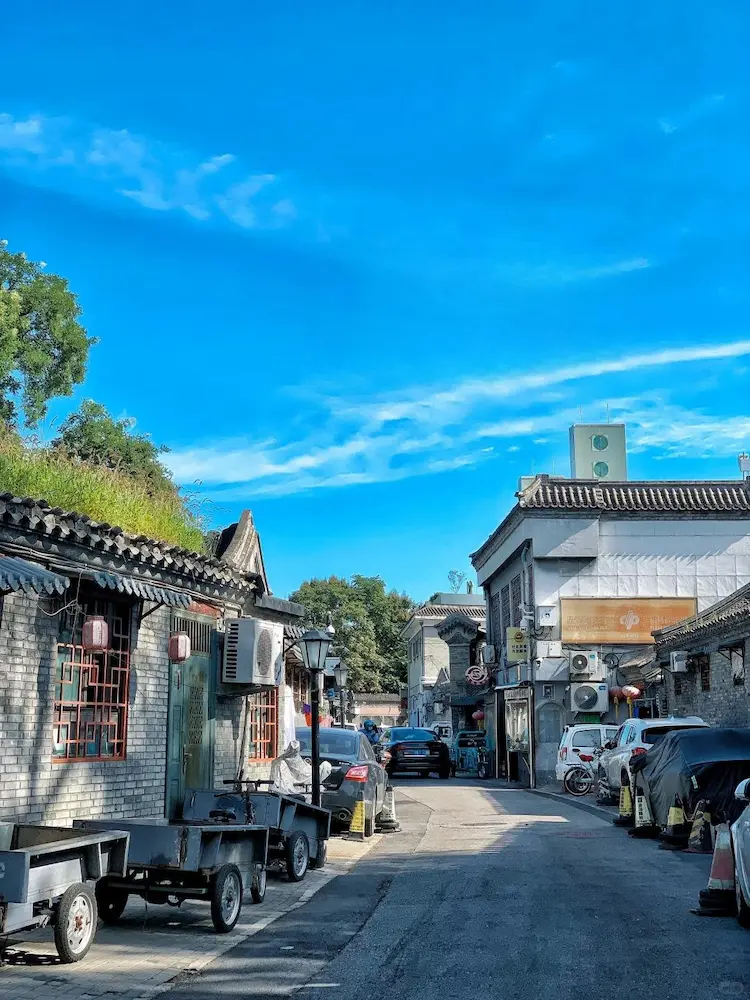
Table of Contents
Quick Guide
- Highlights: Zhang Zhidong’s Former Residence, the Former Residence of Wen Xiu (the Last Imperial Consort), the Grand Canal Grain Transport Site, and the Old Street by Wanning Bridge
- Location: East of Shichahai, adjacent to Wanning Bridge (Houmen Bridge) and the Fire God Temple
- Recommended visit duration: 15–20 minutes
- Keywords: History of the Grand Canal, A Senior Official’s Later Years, An Imperial Consort’s Life as a Commoner, Tranquility Amidst the Hustle
- Best Route: Wanning Bridge → Baimi Xiejie → Yandai Xiejie → Yinding Bridge—quiet streets rich in history
The Origin of the Name: From Canal Granaries to a Lane
There are two main stories about the origin of the name “Baimi Xiejie,” both connected to grain:
The first theory suggests it was named after a Baimi Temple that once stood here, though no trace of the temple remains today.
The second, more vivid explanation is this: in ancient times, boats transporting rice via the Grand Canal (Cao Yun, or water transport) would dock at the nearby Wanning Bridge (also known as Back Gate Bridge). The rice was unloaded on the south bank at the eastern end of the byway, where granaries were built for storage.
Over time, as the water levels changed and the city developed, the former dock and granary area gradually evolved into a lane. Naturally, this sloping street born from storing “white rice” came to be called “Baimi Xiejie.”
Today, the Wanning Bridge, part of the Grand Canal heritage, still stands, and Baimi Xiejie lies on its bank. Across the water from the byway is the now-popular Fire God Temple.
Visiting a Former Residence: The Mansion of Zhang Zhidong
No. 11 Baimi Xiejie is the former residence of Zhang Zhidong, an important late-Qing figure. He was a key representative of the Westernization Movement, advocating for learning Western science and technology under the principle of “Chinese learning as the foundation, Western learning for practical use” (Zhong Ti Xi Yong).
He vigorously promoted modern education and helped formulate China’s first nationally implemented modern school system—the “Guimao School System.” In 1907, the seventy-year-old Zhang Zhidong came to Beijing by imperial decree and lived here until he died in 1909.
Today, it’s hard to imagine the former grandeur when entering this courtyard. The gate is worn, and many structures have been built inside the compound, now home to about a hundred families, giving it a somewhat cluttered feel.
However, the tall screen wall opposite the gate and the courtyard’s scale—occupying nearly half the width of the lane—still hint at the prominent status of its former owner. Inside, an old man waters flowers while an old song plays from a recorder, as if time has slowed down here.
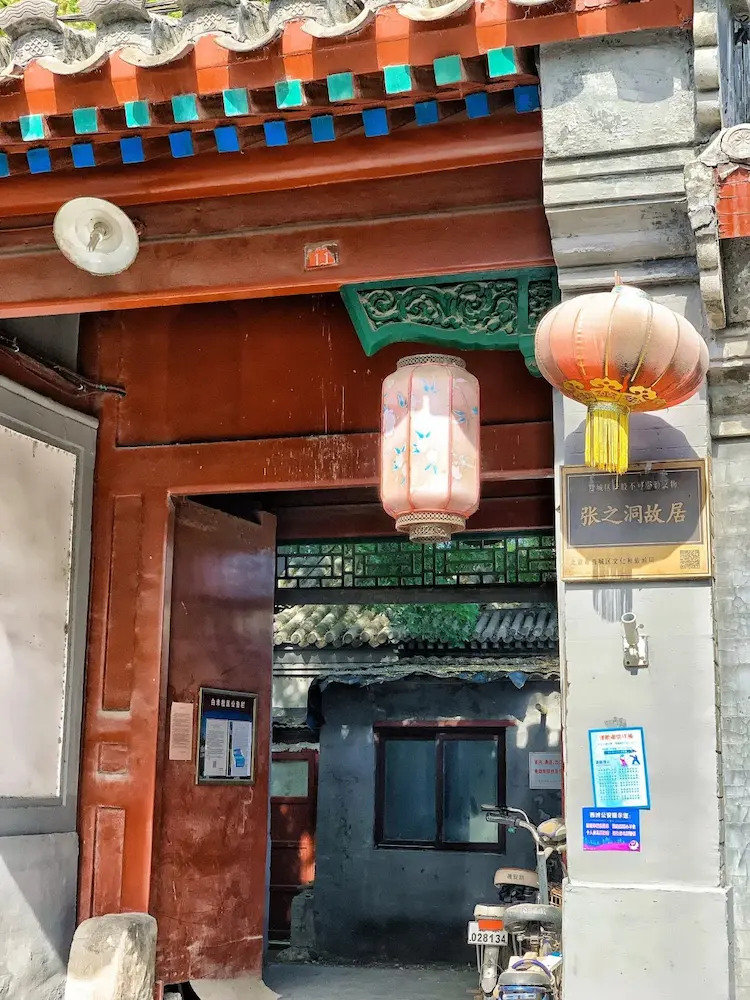
Interestingly, the mansion was extensive. The current No. 11 compound was the main residence, while the adjacent No. 7 courtyard to the east was the mansion’s garden, with internal doors connecting the two.
The mansion also had a back gate opening onto the bank of the South Shore of Qianhai, which has now been converted into restaurants and tea houses.
Another Legend: The Commoner Life of the Last Imperial Consort Wenxiu
Meanwhile, No. 23 Baimi Xiejie holds the story of another historical figure—the last imperial consort, Erdete Wenxiu. Wenxiu was a consort of the last emperor, Puyi, but she is best known as the only woman in Chinese history to formally divorce an emperor, an act seen as a symbol of women’s liberation at the time.
After leaving the imperial court, Wenxiu began life as a commoner. She lived at No. 23 Baimi Xiejie for over two years with her second husband, Liu Zhendong.
After 1949, her husband worked a job that sustained their livelihood, while Wenxiu managed household chores, grocery shopping, and cooking. They shared a good relationship.
In 1953, Wenxiu died of a heart attack at home at the age of 44. Today, the No. 23 courtyard is also filled with many small, densely packed structures. Only two lush old trees at the entrance silently witness that extraordinary past.
The Echoes of Daily Life in the Hutong
Walking through Baimi Xiejie today, one might occasionally hear the calls of scrap collectors or other vendors, though their accents differ from the past.
This inevitably brings to mind the familiar sounds that once filled Beijing’s hutongs: the knife sharpeners calling “Grinding scissors, sharpening knives!”, the goldfish sellers, and the elderly women pushing carts selling “Hawthorn popsicles, three fen each!”… These sounds are part of the memory of hutong life.
Baimi Xiejie, this lane, close to Shichahai yet slightly quieter due to its location, is like a tunnel through time. One end connects to ancient canal docks, the middle passes by the mansion of a late-Qing high official, and the dwelling of a last imperial consort, and the other end leads to the ordinary daily life of today.
In the flow of time, grand history seems to have quietly receded, settling into stories between the bricks and tiles, waiting for passersby to listen and discover.