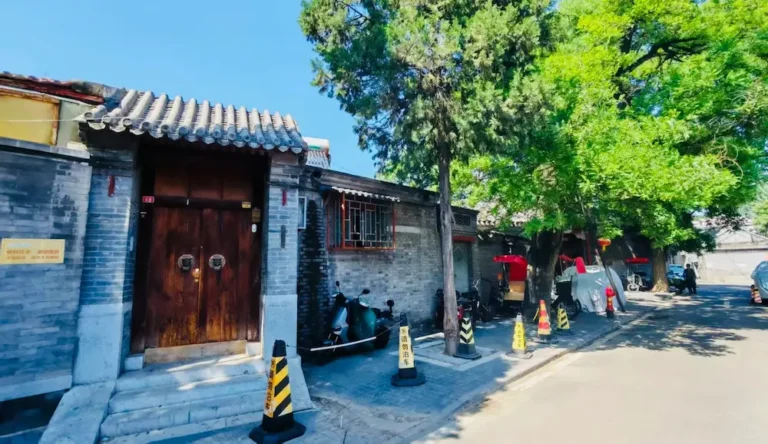
Exploring Beijing’s Hutong Culture: The History and Artistic Stories of Beiguanfang Hutong
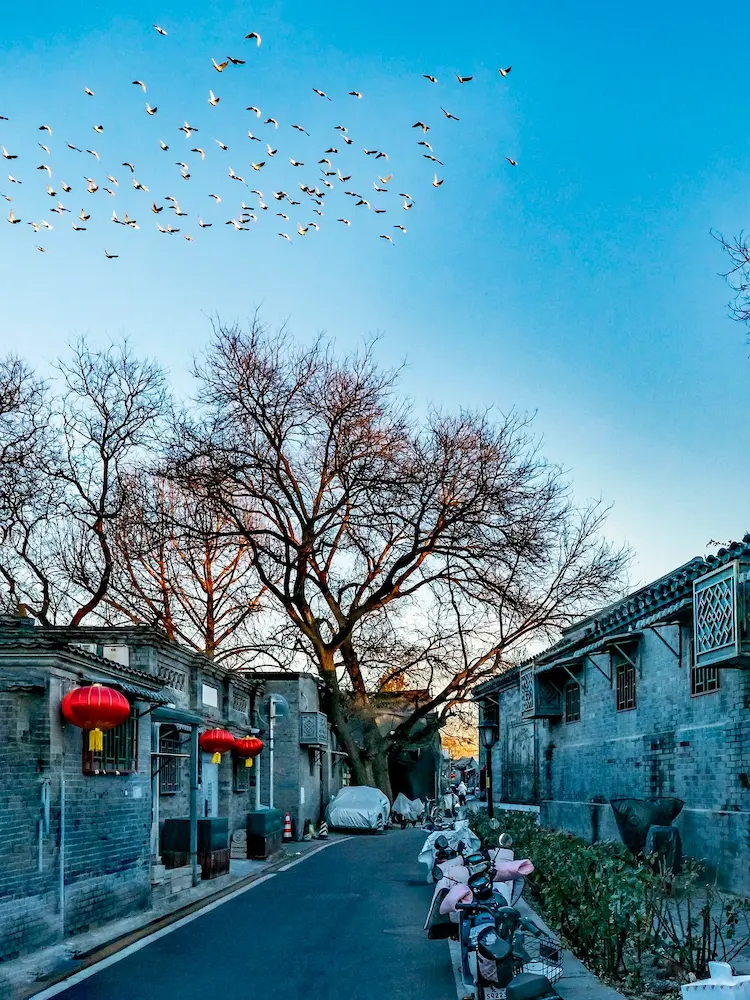
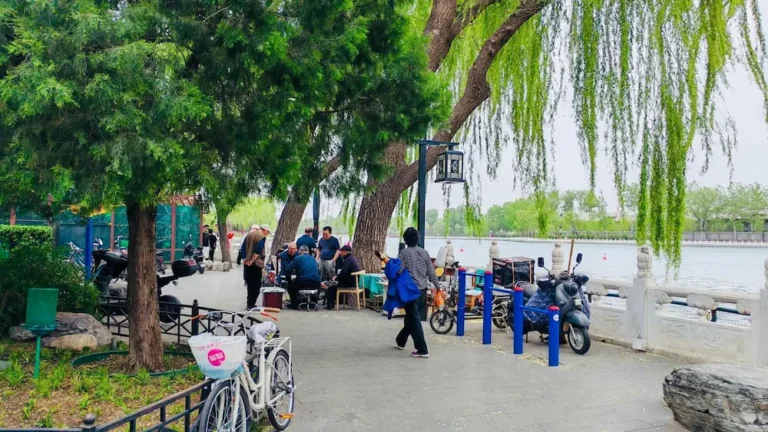
Across from the bustling bar street in Beijing’s Shichahai area lies a quiet, story-filled place—Beiguanfang Hutong.
In Beijing’s Shichahai district, there is an ancient alley known as “Houhai Nan’yan.” Running east to west with a slight northward incline, it begins at Yindingqiao Hutong in the east and ends at Liuyin Street in the west, with a total length of approximately 230 meters.
We walked through Ya’er Hutong. Today, let’s explore its immediate neighbor: Houhai Beiyan. These two lanes are back-to-back neighbors.
Near the Shichahai Scenic Area in Beijing, in addition to the bustling Yandai Xiejie, there is a quiet and historic alleyway called Baimi Xiejie. It stretches 353 meters from northeast to southwest, connecting Baimi Beixiang and Lechunfang Hutong.
Within Beijing’s intricate network of hutongs (traditional alleyways), Ya’er Hutong stands out as a unique lane where history, literature, and the vibrant pulse of daily life converge.
Zhishanmen Street is located in the northeastern part of Beijing’s Xicheng District. It runs east from Jingshan West Street to the Zhishan Gate of Beihai Park, from which it gets its name.
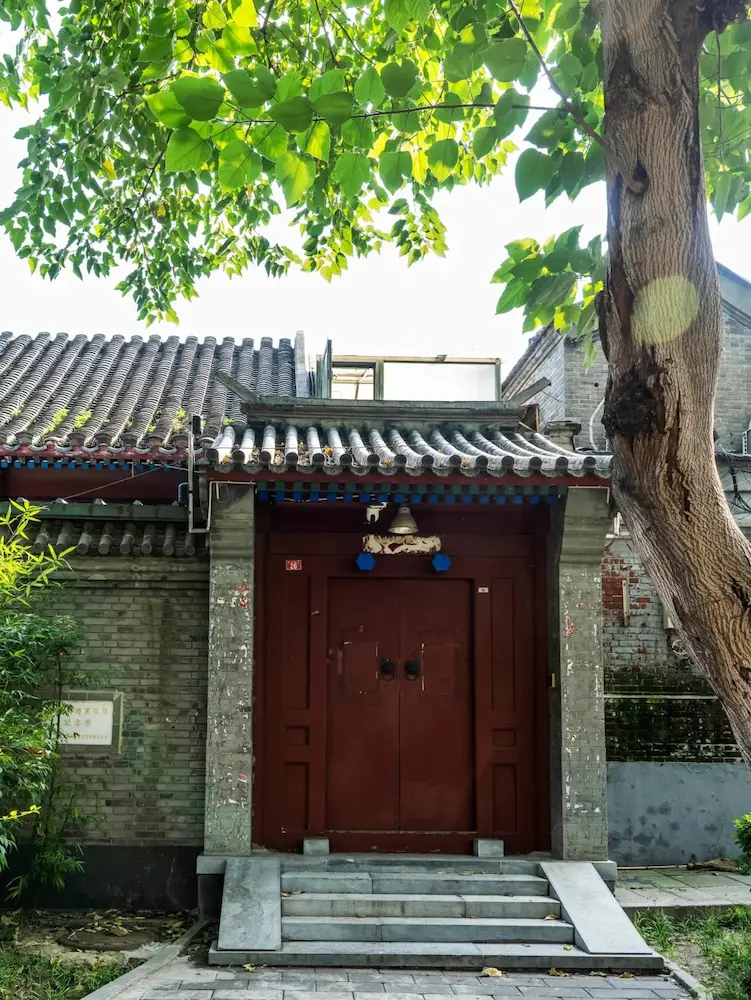
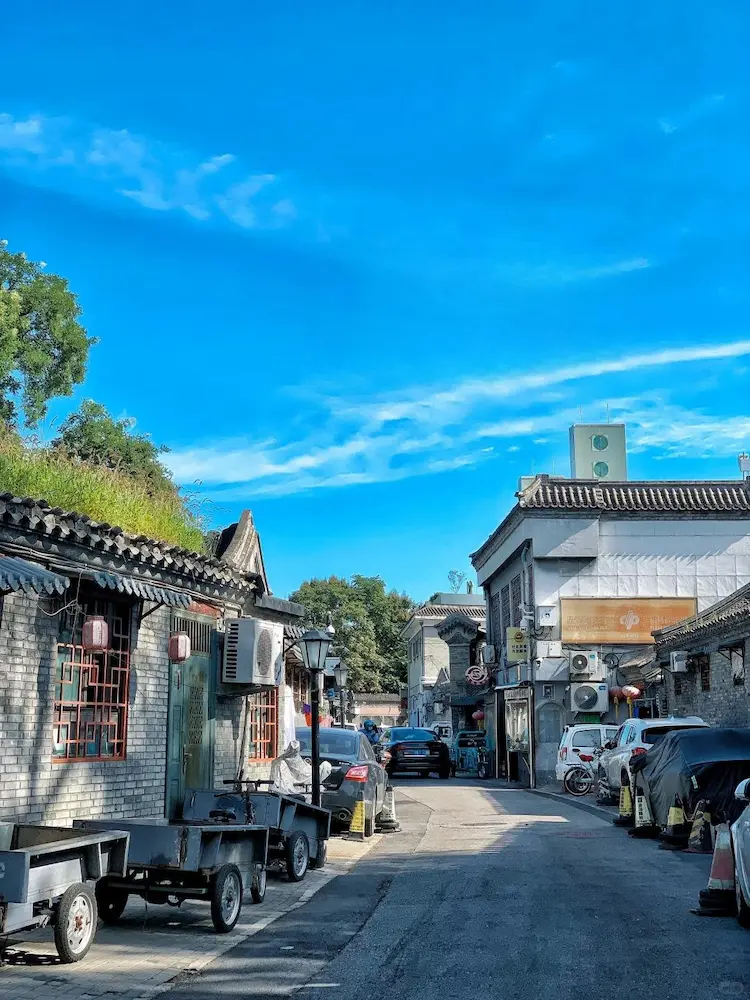
Beijing’s hutongs are far more than ordinary streets connecting the city; they are the beating heart of the ancient capital, a three-dimensional chronicle of history, culture, and social change.
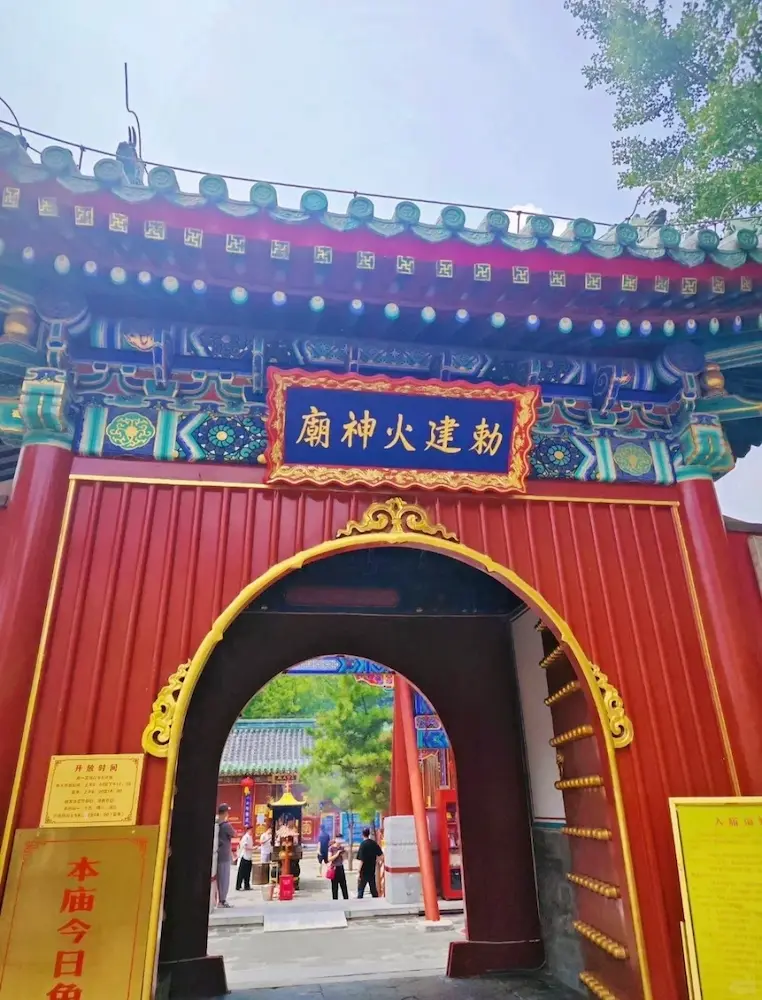
By the picturesque lakeside of Beijing’s Shichahai stands a uniquely colored ancient architectural complex with a long history—the Imperially Built Fire Virtue True Lord Temple.
When you visit Beijing, if you only see the Forbidden City and the Great Wall, your journey isn’t quite complete. In the heart of old Beijing, there is an old lane with 750 years of history—Nanluogu Xiang.