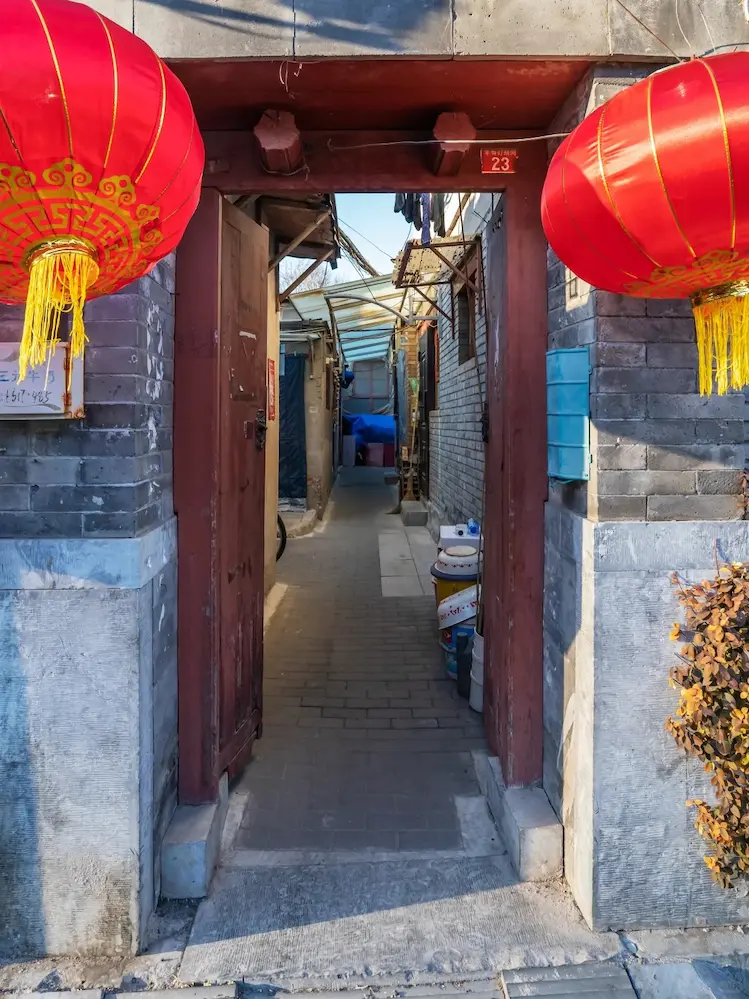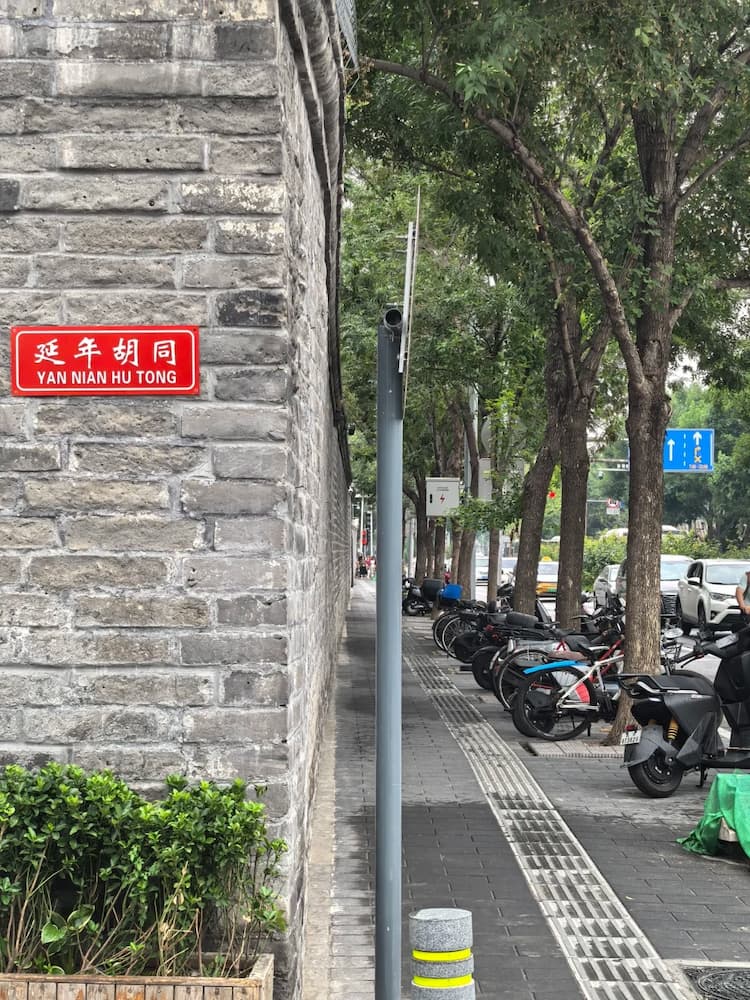
Exploring Beijing’s Qiangan Hutong: Family Legends and Historical Changes in the Ancient Courtyards
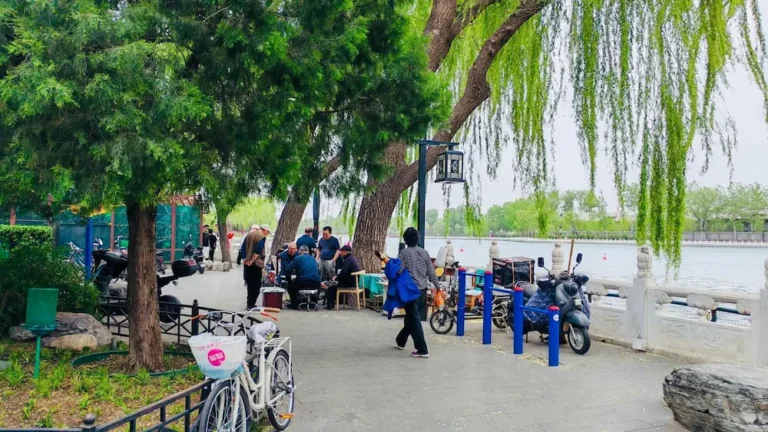
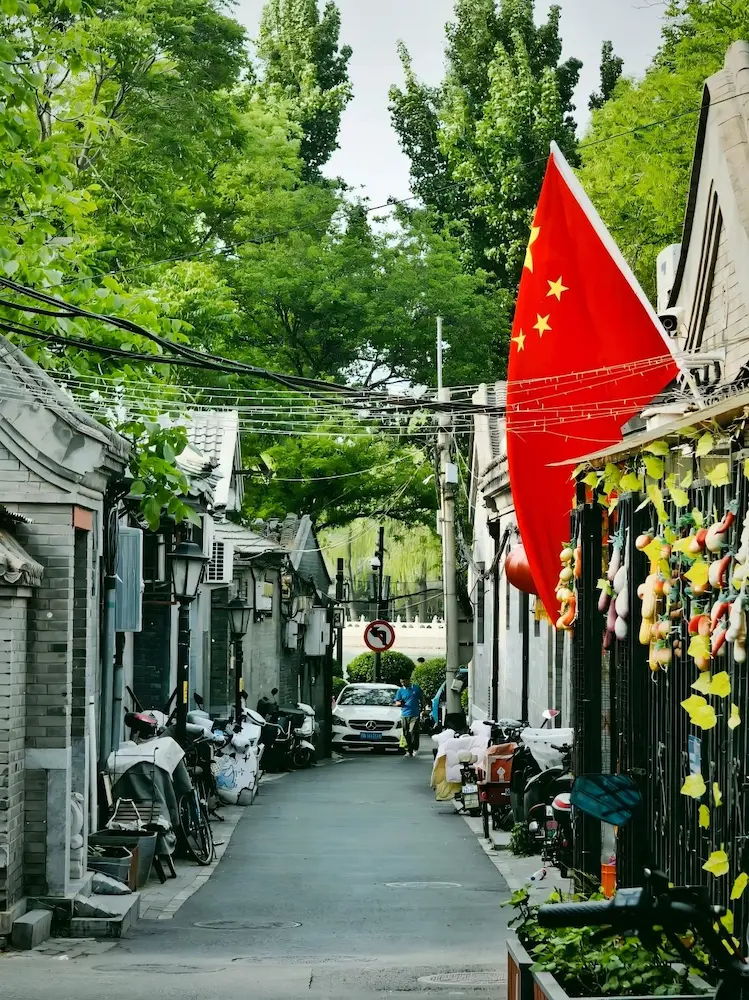
Nestled near Beijing’s Shichahai Lake lies Qiangan Hutong, an ordinary-seeming lane that bears a wealth of history. Stretching straight and narrow from Qianhai West Street in the east to Sanzuoqiao Hutong in the west, it can be seen in its entirety at a single glance.
Its story dates back to the Yuan Dynasty: known as Jiangan Hutong in the Qing Dynasty, it was renamed Qiangan Hutong in the Republican period due to a similar pronunciation. Though the hutong is short, two courtyards within it hold astonishing family stories.
Table of Contents
Quick Overview | Get to Know This Hutong in 30 Seconds
- Key Highlights: The Former Residence of the Le Family at Darentang, the Princess’s Mansion (former residence of scientist Qi Changqing), and the Qing Dynasty-style seven-step staircase
- Location: West of Shichahai, stretching from Qianhai West Street in the east to Sanzuoqiao Hutong in the west
- Duration: 15–20 minutes—perfect for a stroll
- Admission: Free
- Best Itinerary: Sanzuoqiao Hutong → Yangjiao Deng Hutong → Qiangan Hutong → Shichahai—explore them all in one go
How to Get There? The Most Practical Transportation Guide
Subway (Most Convenient)
- Take Subway Line 8 to Shichahai Station; it’s an 8–10-minute walk from the station
- Take Subway Line 6 to Beihai North Station; it’s about a 10-minute walk
Walking Route (My Top Recommendation)
Head inland from Qianhai West Street → Turn into Qianguan Hutong when you see the sign
The street is quiet with few tourists, and the old Beijing atmosphere is particularly strong.
Taxi/Ride-Hailing
Search directly for: Qianguan Hutong (Xicheng District)
It’s only a 5–10-minute walk from the Prince Gong’s Mansion or Shichahai.
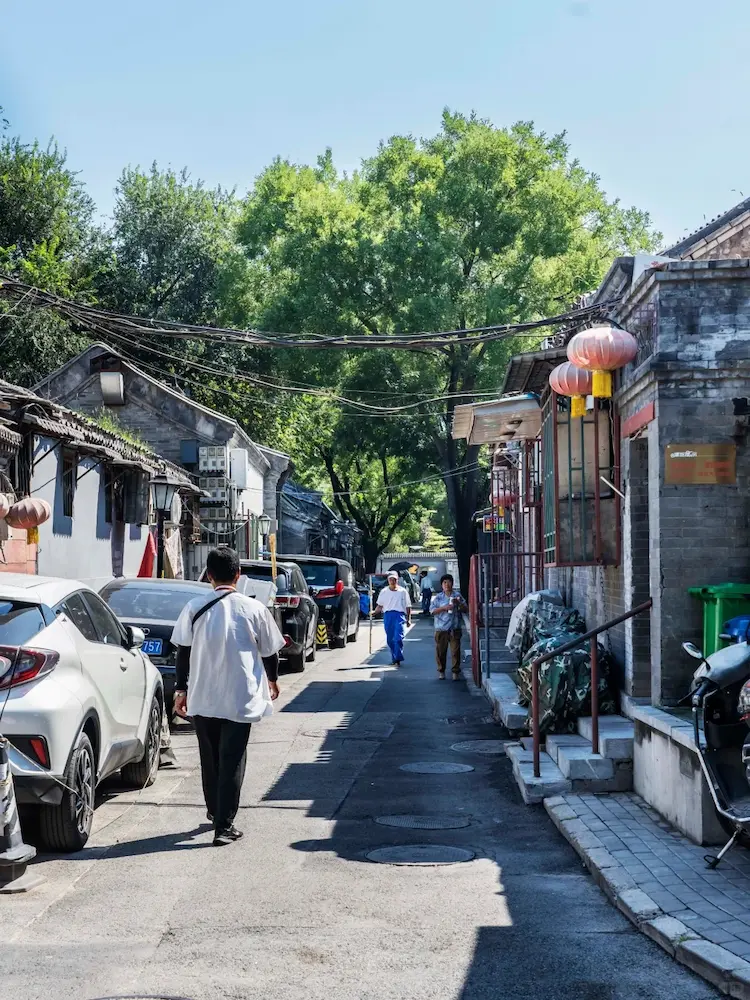
Two Courtyards, Two Closed History Books
Today’s Qiangan Hutong is a place of quiet calm. The bustle of tourists from the neighboring Sanzuoqiao Hutong seems to fade away here, with only the occasional pagoda tree flowers falling in the empty courtyards.
Two courtyards stand out prominently in the hutong: Courtyard No.3 and Courtyard No.5. Their gates are tightly closed now, like two closed history books, yet the stories recorded inside could not be more different.
Courtyard No.3: The Lost Ancient Mansion of a Pharmacy Family
Courtyard No.3 looks unremarkable today, its entrance even blocked off. But this was once the ancestral home of the Le family, founders of Tianjin’s Darentang Pharmacy.
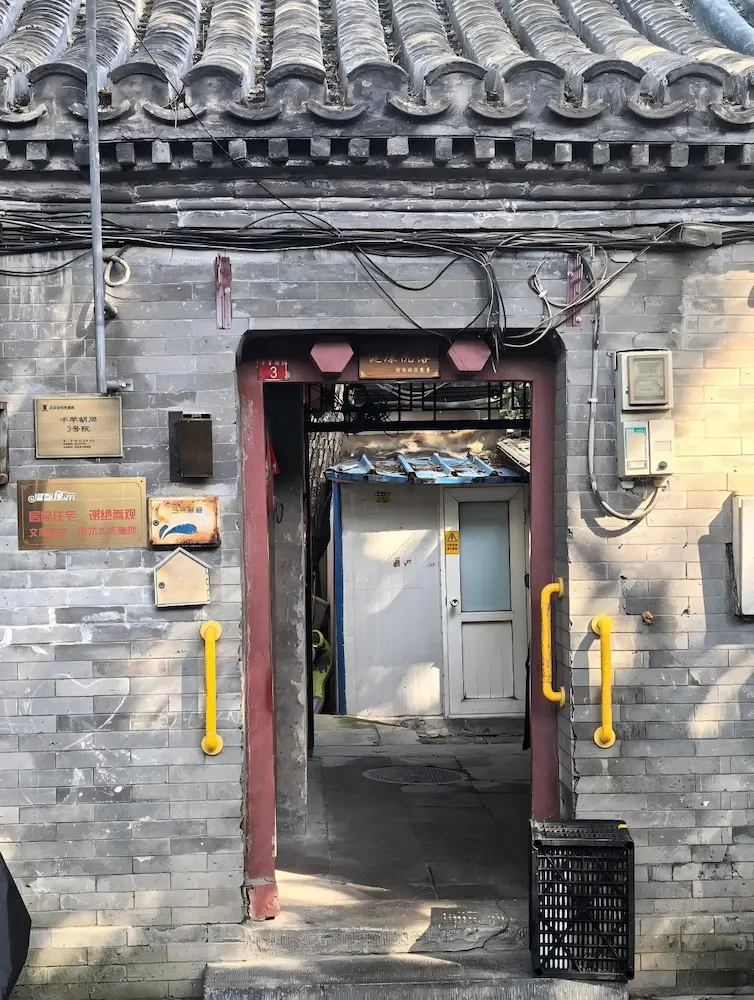
Darentang is a renowned time-honored traditional Chinese medicine pharmacy in China, yet as time has changed, no trace of its connection to this distinguished family can be seen from the courtyard’s exterior today, leaving nothing but space for the imagination.
Courtyard No.5: From the “Princess Mansion” to a Scientist’s Home
In contrast to No.3, the story of Courtyard No.5 is clearer and more legendary. The former owner of this courtyard was a towering figure in Chinese science—Mr. Qi Changqing.
Who was Qi Changqing? He was one of the founders of China’s biological products research and once served as the director of the Lanzhou Institute of Biological Products under the Ministry of Health. His greatest contributions are twofold:
- He developed the Tiantan Strain, a virus strain used to produce the smallpox vaccine. This strain was adopted nationwide and ultimately helped China eradicate smallpox, a terrifying infectious disease.
- He also developed China’s rabies vaccine virus strain, the Beijing Strain, which has saved countless lives.
His family background was equally extraordinary. His first wife was a descendant of Yunxiang, the Prince Yinxian of Heshuo, and also a niece of Puyi, the last emperor of China. Because of this marriage, the courtyard was once known as the Princess Mansion (Gege, the Manchu term for imperial princesses).
A few years ago, Mr. Qi’s descendants opened the courtyard to tourists for visits. After a full renovation, however, it now only hosts custom private banquets. According to neighboring residents, the interior decoration of the courtyard is exquisite.
Seven Stone Steps: A Hidden Code of Social Hierarchy
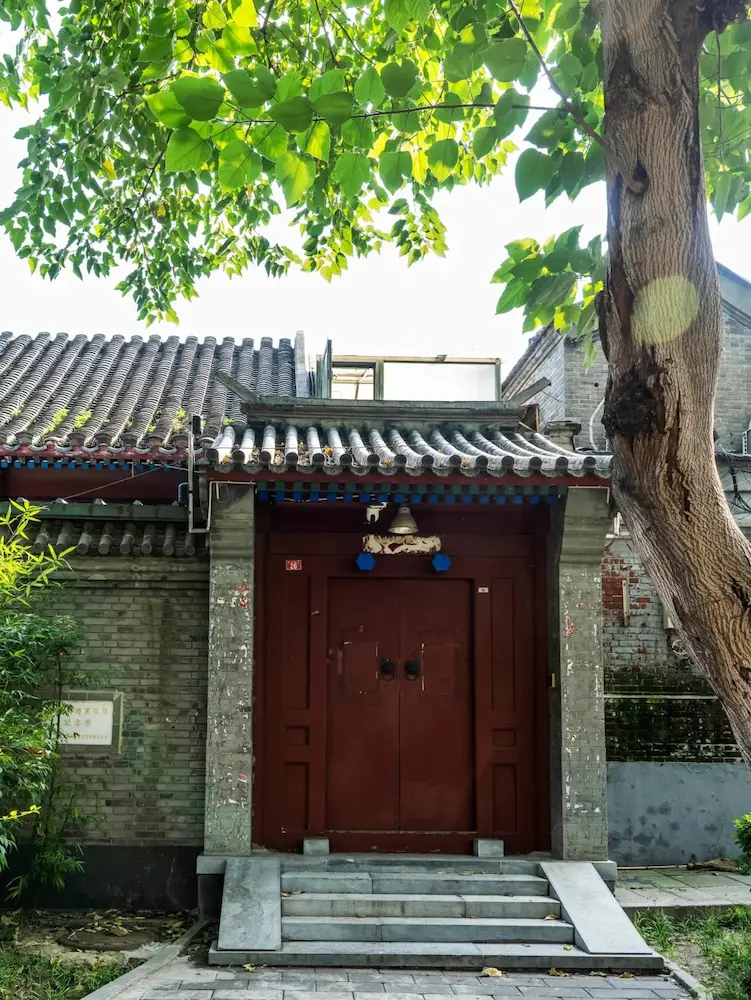
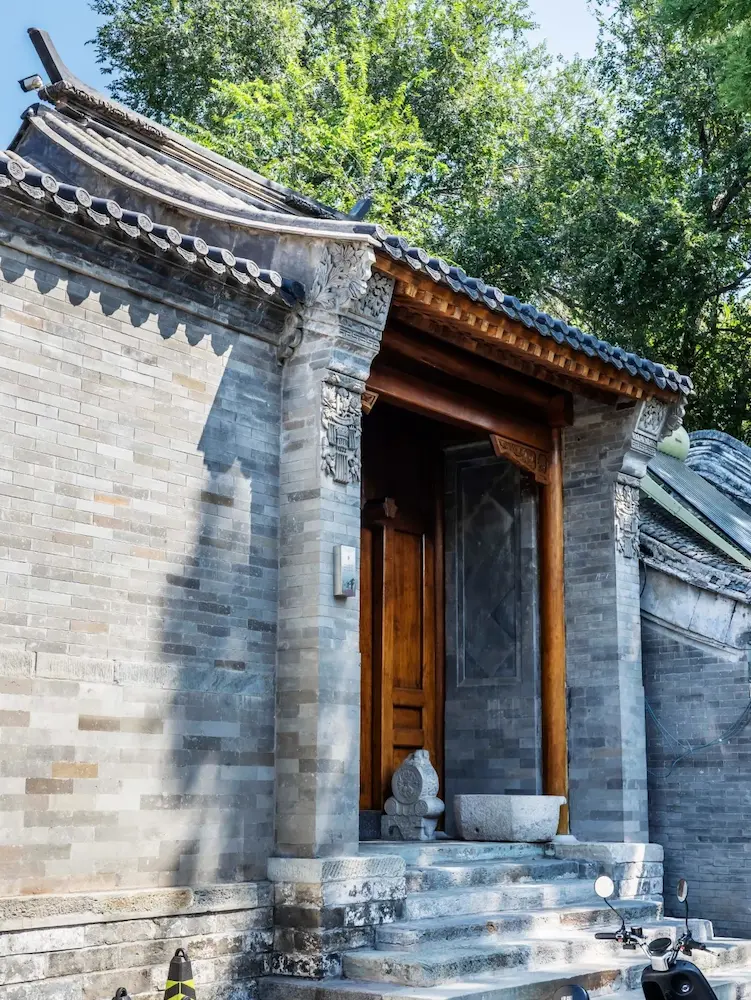
If you look closely at Courtyard No.5, you will notice a special detail: there are seven stone steps leading up to its gate. This was no random design—in the Qing Dynasty, it symbolized an extremely high status and imperial kinship, a feature typically reserved only for royal mansions.
In the minds of ancient Chinese people, the number of steps leading to a gate was of great significance, believed to influence a family’s fortune and moral character.
The number “seven” was regarded as an auspicious and complete number in traditional culture. Seven steps were often used for imperial palaces or important temples, embodying nobility and majesty.
The ancients believed that such steps could channel the righteous energy of heaven and earth into the home, filling the entire building with positive energy and ensuring the prosperity of the family.
Visually, the seven steps also give people the pleasant feeling of ascending step by step, making constant progress in one’s career and achieving greater accomplishments.
A Microcosm of History Within a Hundred Steps
Walking the length of the short Qiangan Hutong may take you no more than a hundred steps. Yet within those hundred steps, you feel as if you have traveled through centuries, witnessing the overlapping figures of different eras: imperial relatives of the dynasty, wealthy merchants, and scientific pioneers who drove social progress… Their stories all once unfolded in this tiny hutong.
Today, Qiangan Hutong has lost the lively residential vibe of a place where diverse families once lived together, and is more like a quiet observer of history. It sits serenely beside the bustling Shichahai neighborhood, its gate towers tightly closed, guarding the unknown stories within.
For visitors who stumble upon it by chance, it is just an ordinary lane; but for those who know its stories, every brick and every stone step here whispers of the rich and profound memories of Beijing.
Insider Tips for Photography
1. Panoramic view of the hutong: Stand at the east entrance and shoot westward—the long, narrow alleyway creates a truly atmospheric scene.
2. Gate of Courtyard No. 5: The red gate and seven-step staircase exude a rich sense of history.
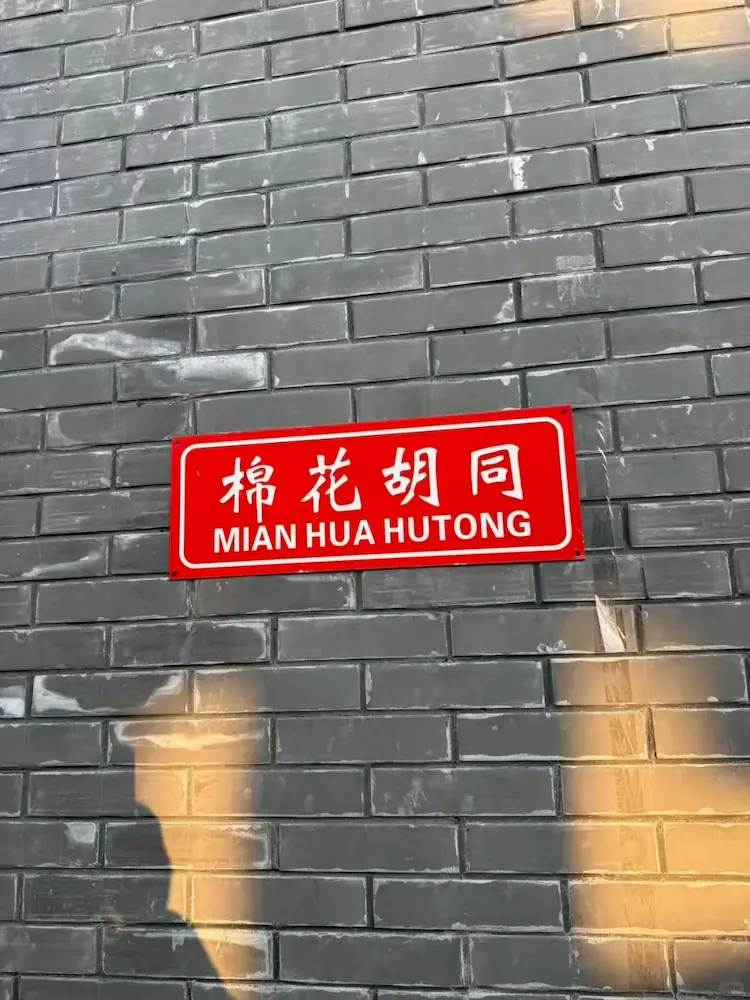
3. Light and shadow on the walls: The afternoon sunlight casting diagonal rays creates a minimalist and soothing scene.
4. West entrance of the hutong: Where it meets He San Qiao Hutong, the atmosphere is steeped in old Beijing charm.