Beijing’s Lanman Hutong Travel Guide: From Guild Hall Relics to Internet-Famous Check-in Spot
Want to experience a Beijing that is both ancient and trendy, brimming with the vibrancy of daily life? Then take a stroll down Lanman Hutong.
Tucked near Caishikou in the southern part of the city, far from the crowded popular scenic spots, it is a lane where you can truly slow down and soak in the charm of Beijing.
Table of Contents
Quick Overview
- Location: South of Caishikou, Xicheng District; stretching from Caishikou in the north to Nan Hengxi Street in the south
- Highlights: Hunan Guild Hall (a historic revolutionary site), creative murals, artsy cafés, and the evolution of the area’s name
- Unique Atmosphere: Half bustling with local life, half artsy and romantic—a charming blend of old and new
- Recommended Duration: 1.5–2 hours (can be combined with a visit to Fayan Temple)
- Best Itinerary: Caishikou → Lanman Hutong → Hunan Guild Hall → Fayuan Temple—a diverse, in-depth tour with no repetition
Practical Guide | Off-the-Beaten-Path Itinerary
- Subway: Exit D/G at Caishikou Station (Line 7), 3-minute walk
- Recommended Route: Caishikou → Lanman Hutong → Hunan Guild Hall → Fayan Temple, 2-hour in-depth tour
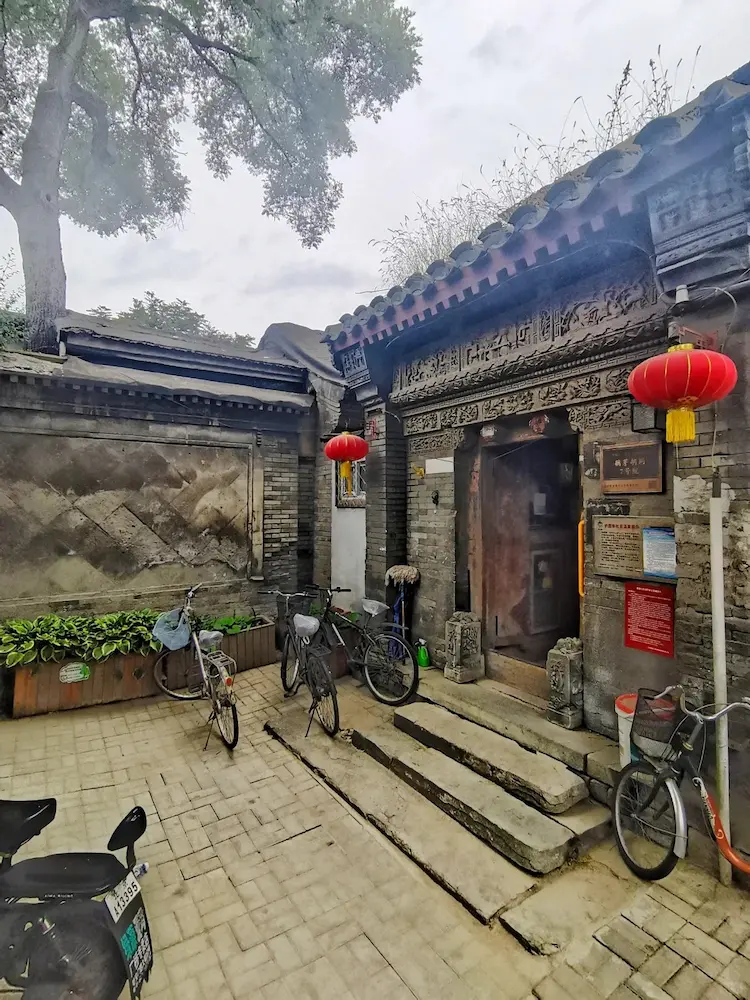
- Photo Spots: Creative murals, vintage café facades, wooden doors of historic guild halls, rose-covered walls
- Note: This remains a residential area; please explore quietly, avoid loud noises, and do not disturb residents
Where is Lanman Hutong, and What Makes It Special?
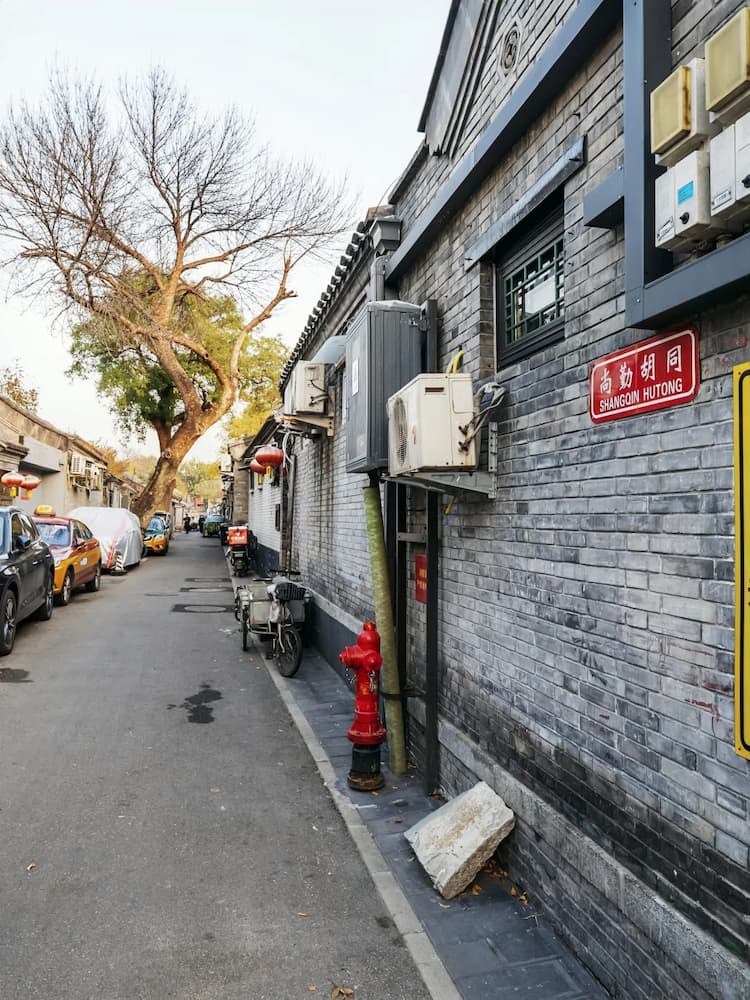
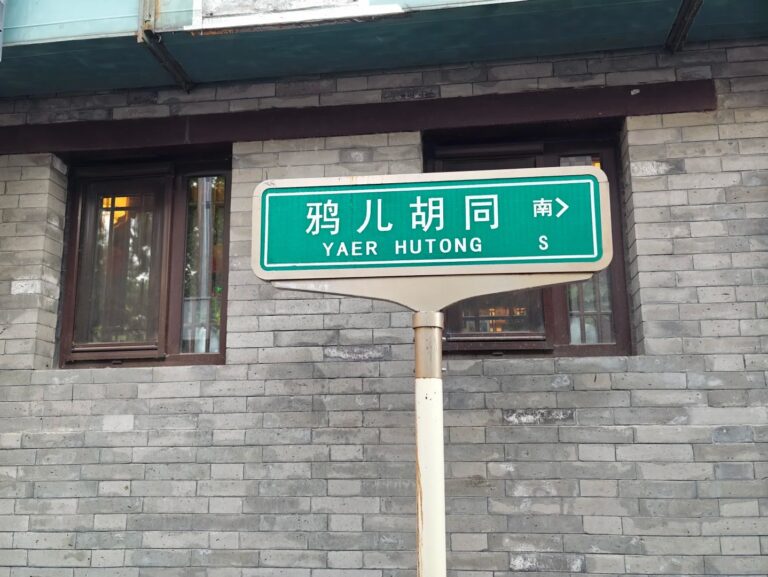
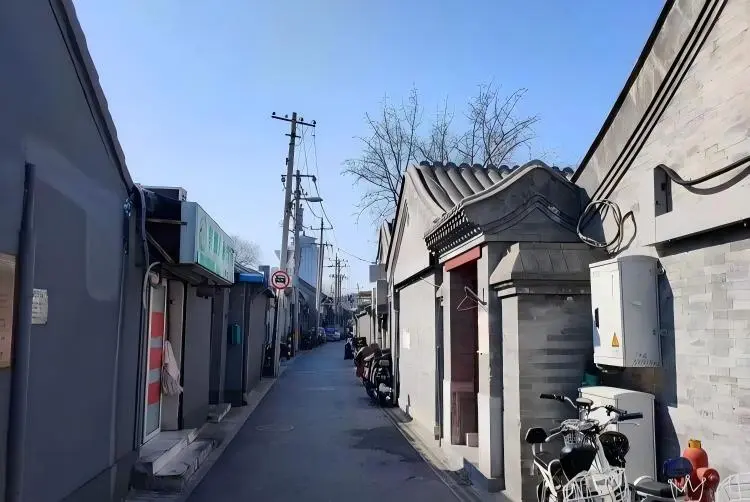
Lanman Hutong is located in Xicheng District, Beijing. Running north to south, it connects Caishikou in the north and South Hengxi Street in the south, spanning about 360 meters.
What makes it unique is that it perfectly blends two worlds: one side is the down-to-earth daily life of old Beijing, and the other is a trendy, romantic artistic vibe with stylish shops and decorations.
The Evolution of Its Name: From “Lanmian” to “Lanman (Romantic)”
The name of the hutong itself is quite interesting, and its evolution bears the marks of history.
- Ming Dynasty: Lanmian Hutong. The name sounds rather unrefined, yet it is rooted in reality. This area was once the course of the moat of Youzhou in the Tang Dynasty, with muddy sludge often found in the ditches—hence the name “Lanmian (muddy surface)”.
- Late Qing Dynasty: Renamed to the elegant “Lanman”.In the late Qing Dynasty, people thought “Lanmian” was an unpleasant name. Taking advantage of the similar pronunciation, they adopted the word “Lanman” from Ode to the Auspicious Clouds, an ancient poem eulogizing auspicious clouds. The word means beautiful and romantic, like colorful clouds. A single character change transformed the entire artistic conception of the name.
Traces of History: Guild Halls and Famous Figures
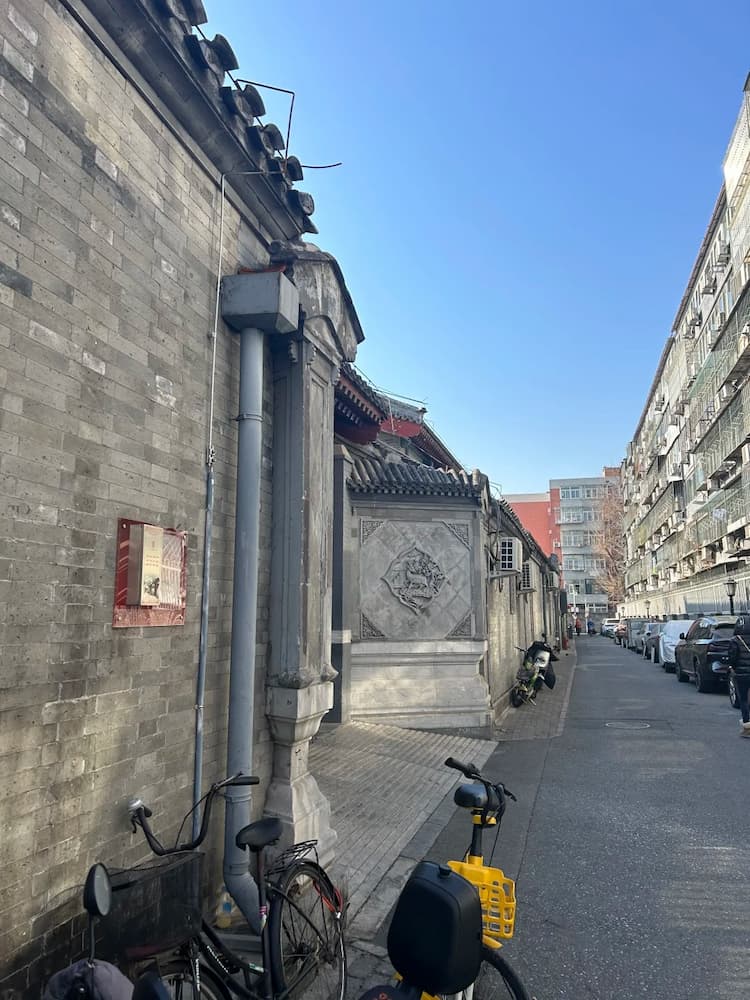
Though not long, the hutong boasts a profound historical heritage. During the Ming and Qing dynasties, it was a gathering place for guild halls from all over the country.
Much like the modern Beijing offices of local governments, guild halls were places where fellow townsmen or people in the same trade could gather and support each other in Beijing.
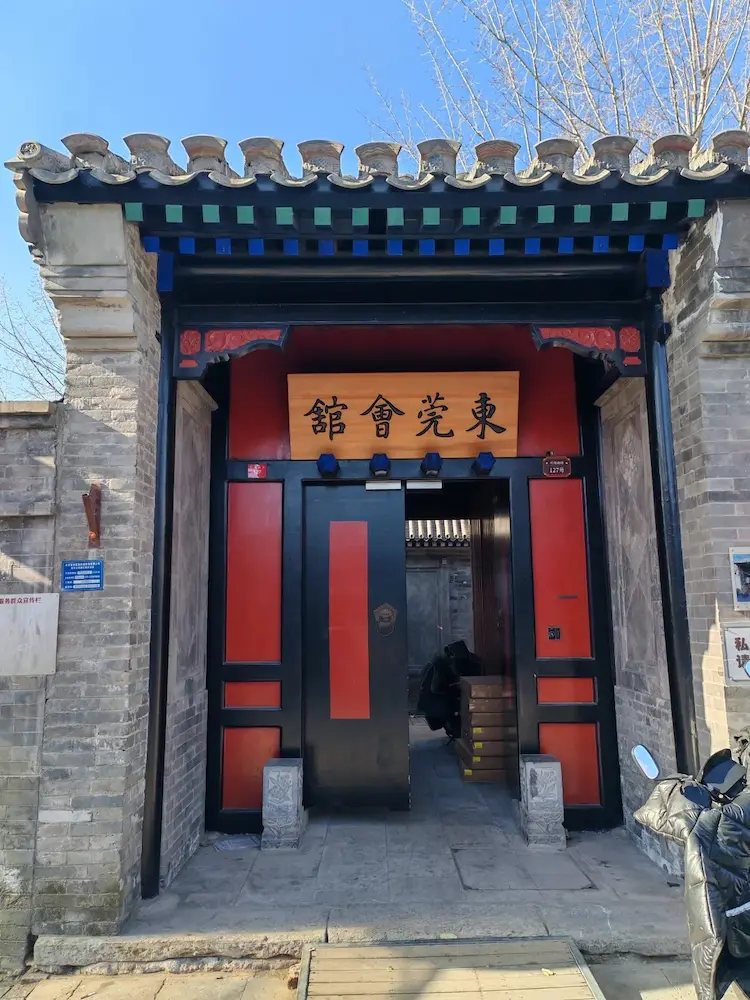
Walking from north to south, you will see the former sites of the Hunan Guild Hall, Dongguan Guild Hall, Changshu Guild Hall, and others. Among them:
- Dongguan Guild Hall: It was the former residence of Zhang Jiayu, a national hero of the Ming Dynasty.
- Hunan Guild Hall: In the 1920s, Mao Zedong and other revolutionaries held activities here. Today, the site houses a kindergarten and is designated a Major National Historical and Cultural Site.
- Changshu Guild Hall: Yang Yunyi, a successful candidate in the imperial examinations of the late Qing Dynasty, once lived here.
These guild halls have linked the hutong to many important figures and events in modern Chinese history.
The New Vitality of Today: A Collision of Tradition and Trend
Thanks to urban renewal and renovation in recent years, today’s Lanman Hutong is more enchanting than ever. It retains the structure and lingering charm of the old hutong while infusing it with new vitality.
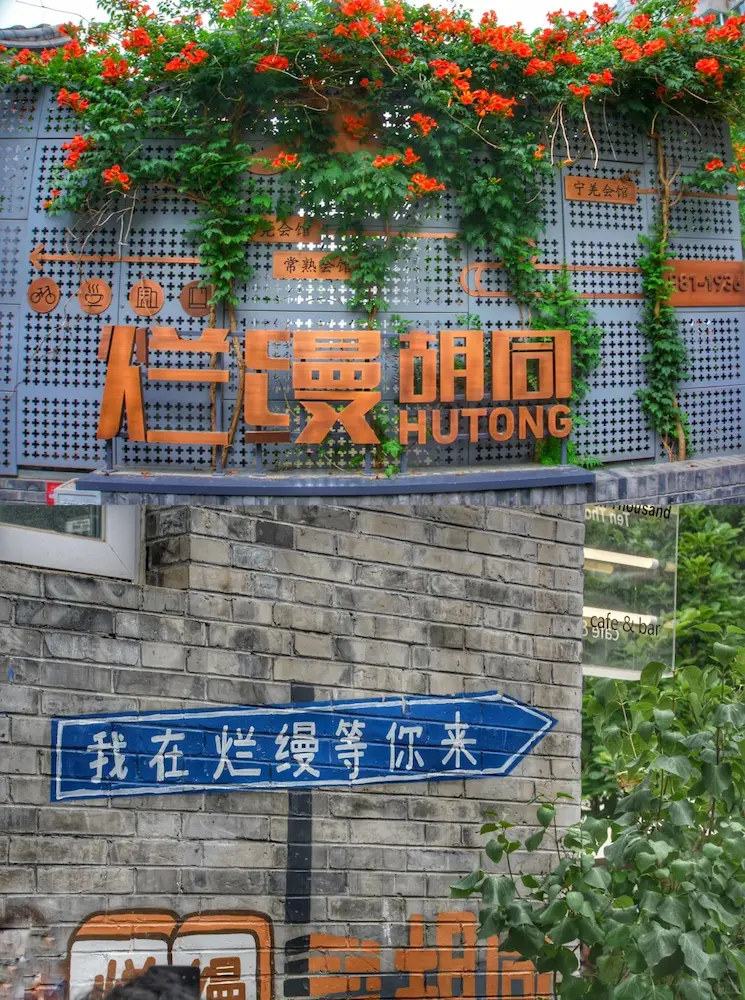
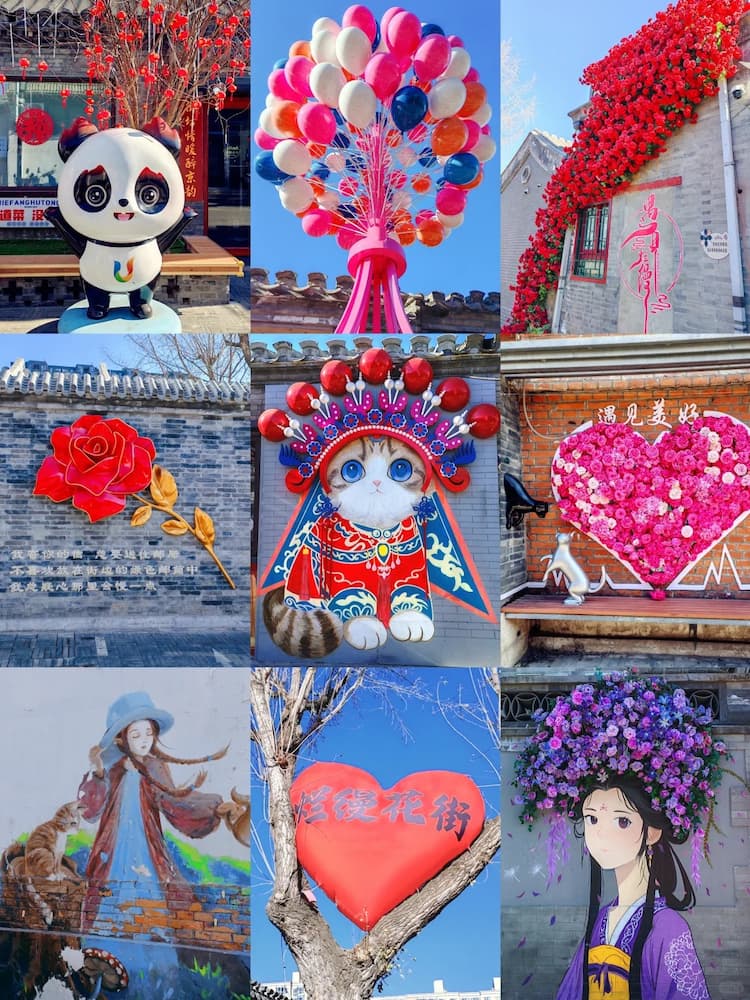
- Romance Around Every Corner: At the hutong entrance stands the huge “Meet Lanman” rose wall. Looking up, you may spot cute cartoon cat sculptures on the rooftops, and the walls are covered with vibrant, colorful graffiti—every nook is perfect for taking photos as a souvenir.
- Artistic Boutiques and Cafes: The deep alleys of the hutong hide many exquisite shops, such as the picturesque Xuannan Bookstore, where you can sip coffee, read books, and enjoy a leisurely afternoon. There is also Firefly Coffee, a tiny shop tucked in the depths of Xizhuan Hutong, with its courtyard filled with flowers and plants, offering a soothing escape.
- Red Reception Hall: The Red Reception Hall at No.108 is renovated from part of the former site of the Qing Dynasty’s Jiangning Prefecture Guild Hall. Now a community public space, it hosts exhibitions on the renewal of the old city and various community events, making it an ideal place to learn about the story of the hutong’s transformation.
Travel Tips
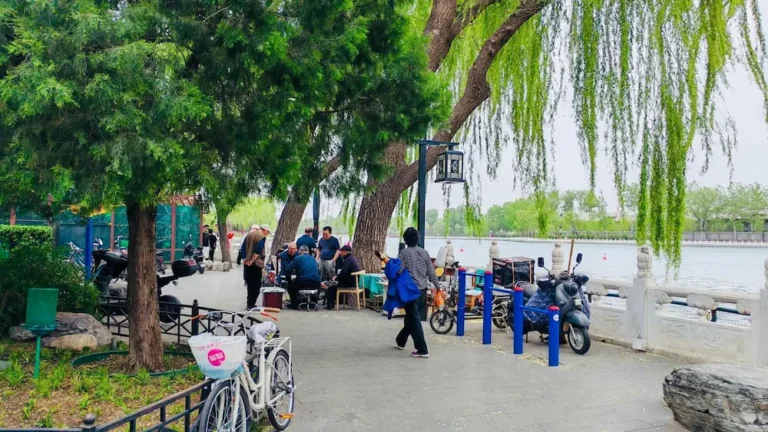
- How to Explore: Wander slowly from north to south. Besides the main street, turn into the adjacent Xizhuan Hutong, where you’ll find a stronger sense of daily life—you can see elderly people enjoying the cool under trees and children returning home from school.
- Notes: This is still a residential area, so please do not speak loudly or disturb the residents’ daily lives during your visit. Simply walk around and quietly experience the romance and leisure here.
Today’s Lanman Hutong is like a trendy young person dressed in traditional clothing. It bears hundreds of years of historical stories while embracing the aesthetic of modern life. Whether you love history, enjoy taking photos, or seek out artistic nooks and crannies, you will find your own unique experience here.