National Museum of China | The Complete Guide for First-Time Visitors: Explore 5,000 Years of Chinese Civilization in 2–4 Hours (2026)
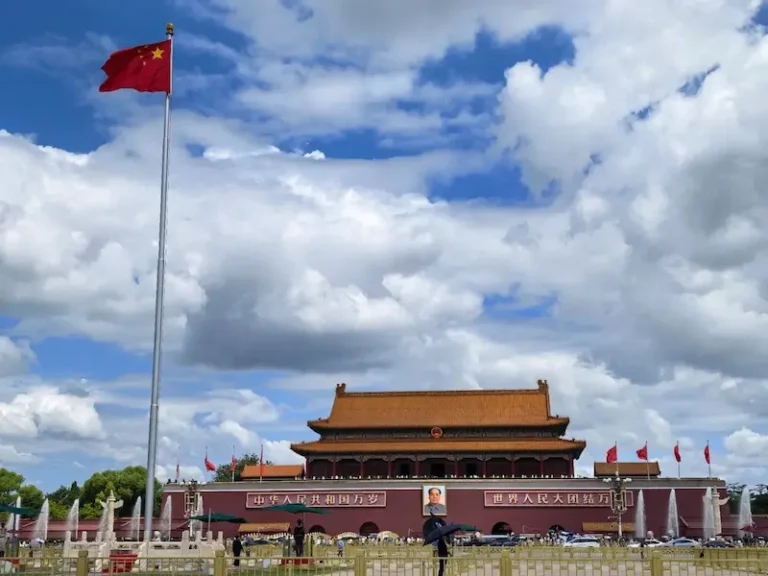
If you can only visit one museum during your trip to Beijing, the National Museum of China is definitely worth adding to your itinerary. Located on the east side of Tiananmen Square, across from the Great Hall of the People, the National Museum of China is one of the world’s largest single-building museums, with a floor area of nearly 200,000 square meters and 48 exhibition halls.
While the Forbidden City can be understood as the imperial palaces and private collections of the Ming and Qing dynasties, the National Museum of China is more like a three-dimensional comprehensive history of Chinese civilization: its exhibits span a timeframe from stone tools dating back a million years to the Qing Dynasty, comprehensively tracing the development of Chinese civilization over more than 5,000 years.
The origins of the National Museum of China can be traced back to 1912, when it was established with the support of Cai Yuanpei, Lu Xun, and others; its history predates that of many universities in China.
Most importantly: Admission to the permanent exhibitions is free, but you must make a reservation using your real name; entry is not permitted without a reservation.
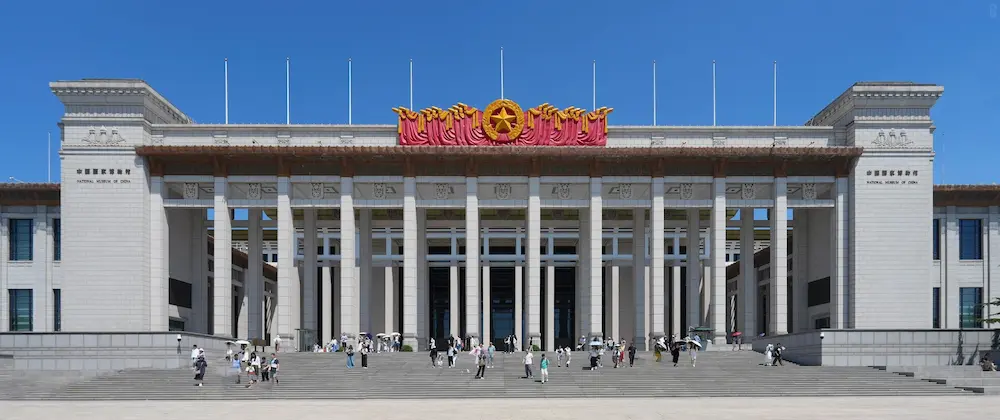
Quick tip: The National Museum of China’s collection totals over 1.4 million items, but the vast majority of artifacts are stored in the museum’s vaults. This article focuses on the exhibits that general visitors can actually see, helping you plan a visit itinerary you can follow step-by-step. This article was compiled in September 2026; opening hours, special exhibitions, and exhibition hall routes are subject to official real-time announcements.
Table of Contents
National Museum of China: 30-Second Quick Reference Guide (We recommend taking a screenshot to save this
| Item | Key Information |
| Recommendation Rating | ⭐⭐⭐⭐ |
| Admission | Permanent exhibitions are free; special exhibitions may require a fee |
| Recommended Duration for First-Time Visitors | 2–3 hours (Highlights Tour) |
| In-Depth Tour | 4–6 hours |
| Core Exhibition Hall | B1 “Ancient China” (Main Timeline of Chinese History) |
| Must-Sees | 10 core national treasures; if time permits, check out 15 additional advanced exhibits |
| Ideal for | First-time visitors to Beijing, history enthusiasts, families with children |
| Requirements | Advance real-name reservations are mandatory; entry is restricted to the reserved time slot |
| Important Reminder | Don’t try to see every gallery on your first visit—focus on the main narrative first |
Key Takeaway: A visit to the National Museum of China isn’t about checking off all 1.4 million artifacts, but about following the artifacts to understand how Chinese civilization evolved step by step.
What to Know Before You Go: Reservations, Hours, Transportation, and What to Bring
Ticket Reservations (Crucial for ensuring smooth entry—this is the most important step)
- Admission: The permanent collection is free; some temporary special exhibitions require separate tickets, which also serve as admission to the permanent galleries.
- Official reservation channels (choose one of the following; avoid scalpers)
- 1. WeChat Mini Program: National Museum of China (most commonly used)
- 2. WeChat Official Account: National Museum of China
- 3. Official Website: www.chnmuseum.cn
- Ticket Release Policy: Slots for visits 7 days in the future are released daily at 5:00 PM.
- Booking Restrictions: Each account may book only once per week, with a maximum of 5 people per booking; all bookings require real-name verification—bookings cannot be made without completing this process.
- Entry time slots are divided into three sessions: 9:00–11:00, 11:00–13:30, and 13:30–16:00; during the summer (June 1–October 31), the third session ends at 16:30. You must arrive during your reserved time slot; if you miss your slot, you will not be allowed entry.
⚠Important Reminder: If you are unable to attend after making a reservation, please cancel it proactively; if you fail to show up three times within a year, your account will be restricted from making reservations for 30 days.
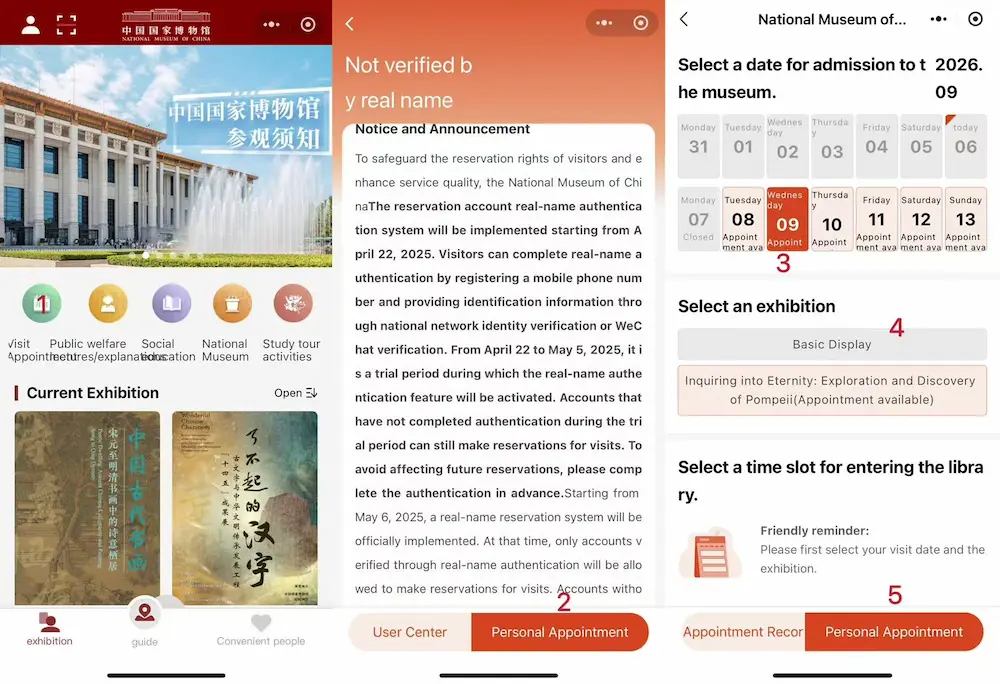
✅Tips for Snagging Tickets & Catching Last-Minute Openings
1. Enter the ID or passport information for all traveling companions in the mini-program in advance;
2. Go to the reservation page at 4:55 PM and wait; submit your reservation promptly at 5:00 PM;
3. Don’t give up if you don’t get a ticket right away: Tickets often become available again between 5:10 PM and 5:15 PM, as well as around 10:00 PM;
4. Ticket availability is much higher on weekdays (Tuesday–Thursday) than on weekends;
5. If you really can’t book a slot for the permanent exhibition, you can purchase a paid special exhibition ticket, which grants access to the regular exhibition halls.
Opening Hours
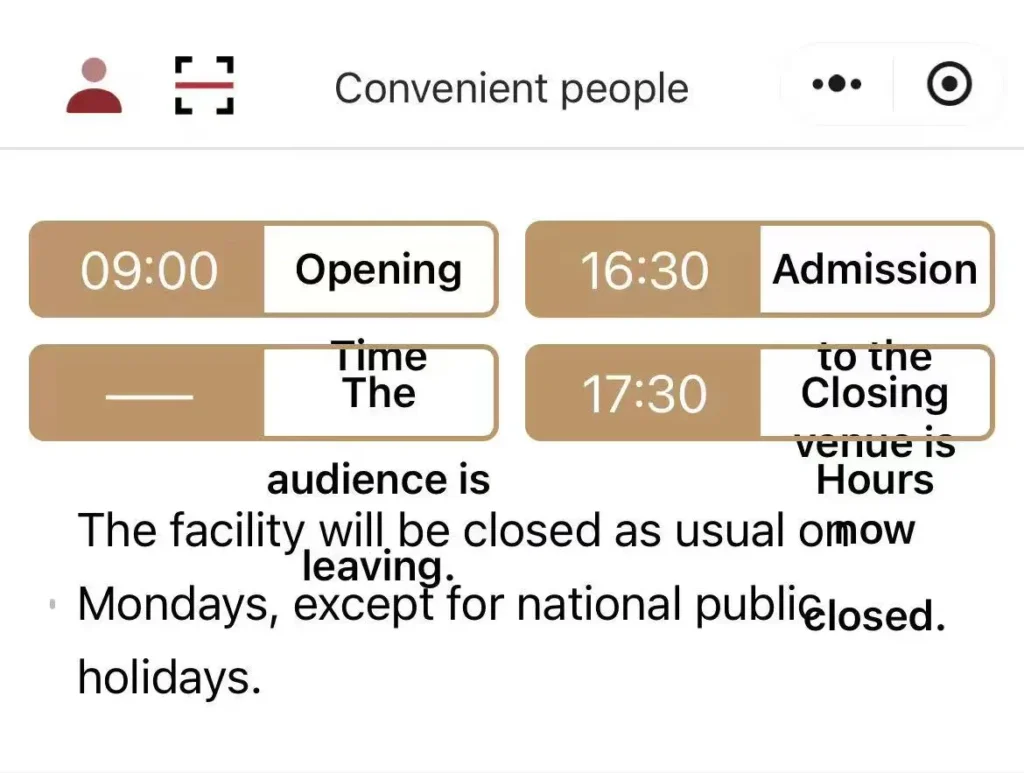
- Regular Season (Nov. 1–May 31 of the following year): Tuesday–Sunday, 9:00 AM–5:00 PM; last admission at 4:00 PM
- Summer Season (June 1–Oct. 31): Tuesday–Sunday, 9:00 AM–5:30 PM; last admission at 4:30 PM
- Closed every Monday (except on national holidays)
Transportation (Subway recommended; taxis and private cars not recommended)
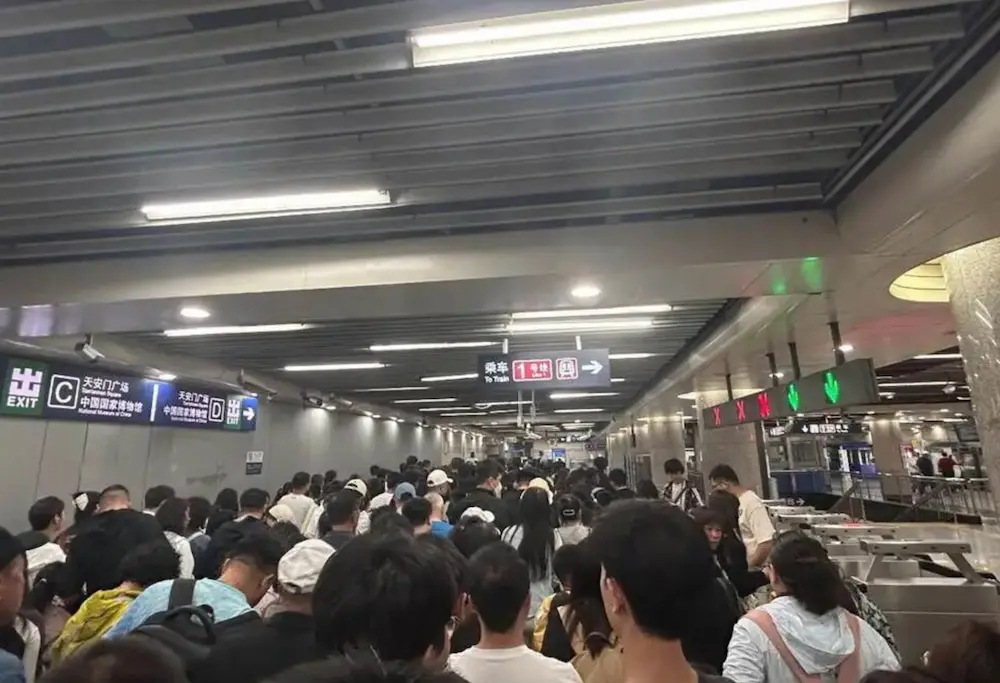
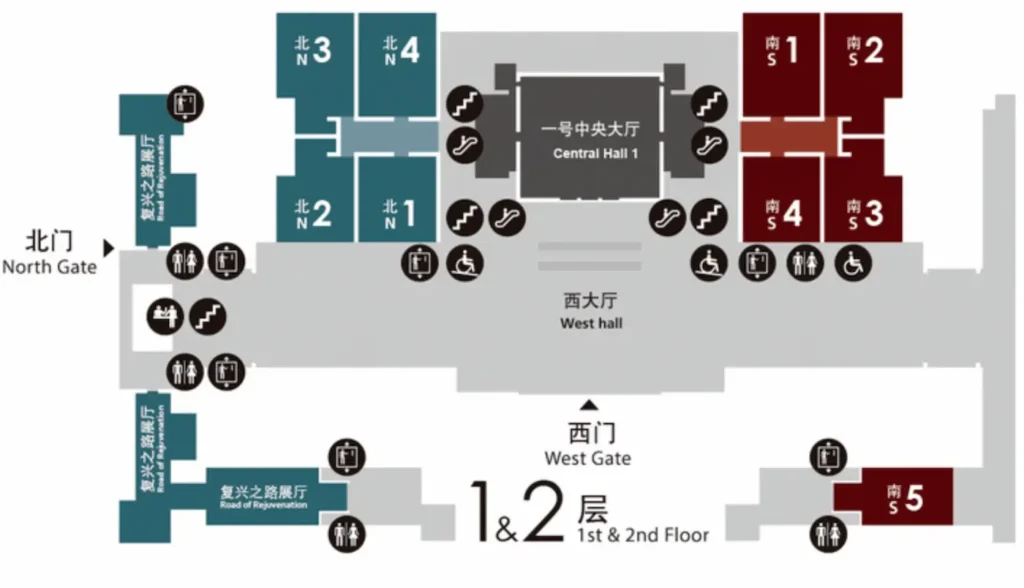
- Subway: Take Line 1 to “Tiananmen East Station” and exit via Exit C or D. Exit C may occasionally have temporary crowd control measures in place; use Exit D as an alternative. Walk 250–300 meters from the station to reach the North Gate (the main entrance).
- Bus: Take Buses 1, 2, 52, 82, or 120 and get off at “Tiananmen East Station.”
- ❌ Taxis are not recommended: Frequent traffic restrictions around Tiananmen Square mean taxis are highly prone to traffic jams and delays; the National Museum of China does not have a public parking lot open to the public, so please do not drive here.
Required Items and Prohibited Items
✅Must-Have Items
1. Original ID: Visitors from mainland China must bring their ID card; foreign visitors must bring their passport. IDs will be checked multiple times throughout your visit; electronic IDs are not accepted.
2. We recommend arriving 45–60 minutes early. Security checks in the Tiananmen Square area are strict, so allow time for queuing and security screening.
3. Bring your own thermos; the museum only provides cold drinking water—no hot water is available.
❌Prohibited Items
- Tripods, selfie sticks, lighters, and self-heating meals;
- Power banks are permitted, provided their rated capacity does not exceed 20,000 mAh; however, their use is prohibited inside the exhibition halls;
- Bottled water and a small amount of snacks are allowed, but eating and drinking are prohibited inside the exhibition halls; food and drinks may only be consumed in the rest areas.
Luggage Storage Services
- Self-service lockers are available on each floor for small bags and coats;
- Large luggage can be stored at the North Gate entrance or at the luggage storage area on the first basement level.
Planning Your Tour Route | Don’t Try to See Every Exhibition Hall
❌ Wrong Approach: Reading every word in every display case, checking off every hall from start to finish, and blindly visiting every floor while ignoring the core historical narrative.
✅ Right Approach: Prioritize thoroughly exploring the main narrative on B1, “Ancient China,” then select thematic exhibition halls that interest you based on the time you have left.
Option A | 2–3-Hour Highlights Itinerary (Top Choice for First-Time Visitors)
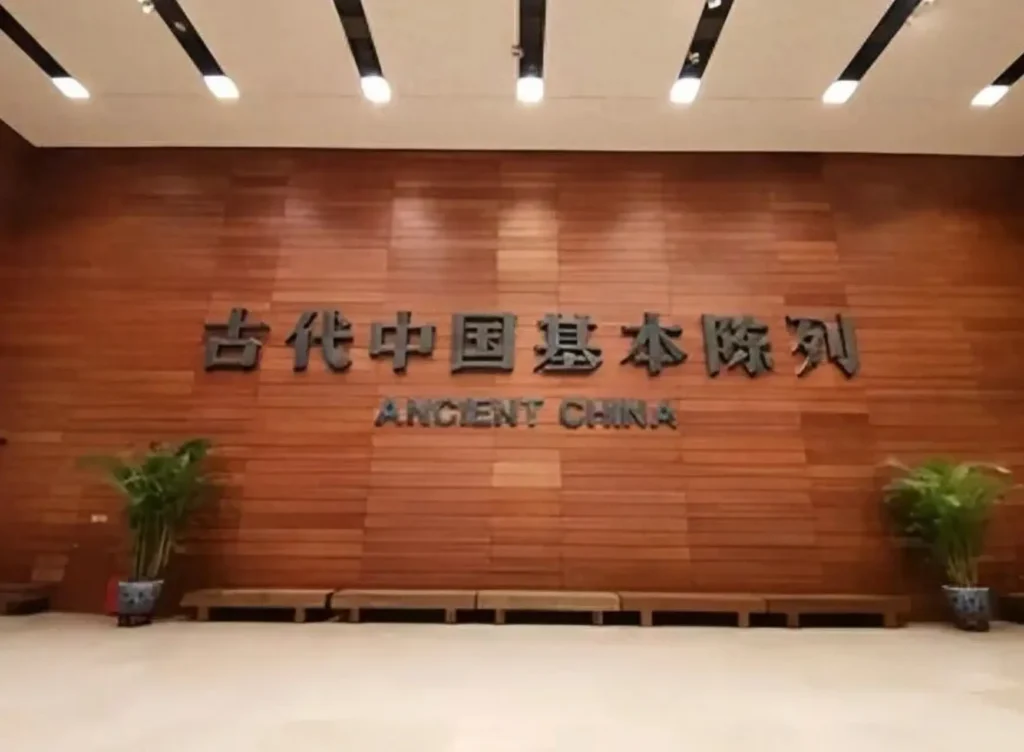
Core Objective: Complete the “Ancient China” chronological exhibition on B1 to understand the complete timeline of Chinese civilization.
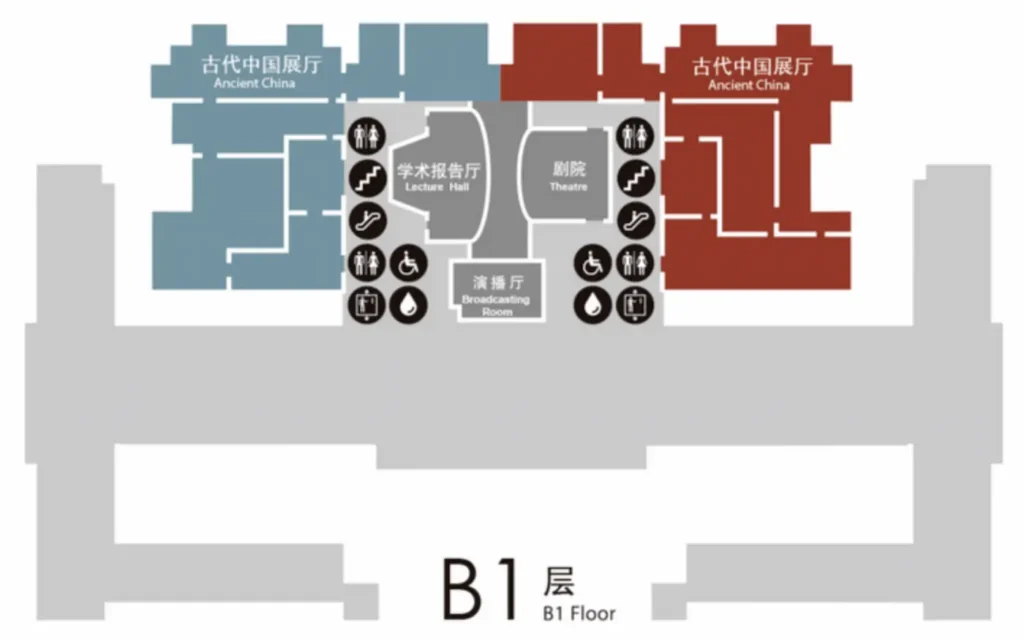
The “Ancient China” exhibition hall on B1 spans 17,000 square meters and features over 2,500 artifacts. It houses the vast majority of the National Museum of China’s most significant cultural relics and serves as the museum’s flagship exhibition hall.
Complete itinerary: Enter through the North Gate → Proceed directly to the B1 “Ancient China” exhibition hall and tour in chronological order: Prehistoric Period → Xia, Shang, and Western Zhou Dynasties → Spring and Autumn, Warring States, Qin, and Han Dynasties → Three Kingdoms, Jin Dynasties, Northern and Southern Dynasties, Sui, and Tang Dynasties → Song and Yuan Dynasties → Ming and Qing Dynasties.
For each historical period, we recommend approaching the exhibits with specific questions in mind rather than simply “checking off” artifacts:
- Prehistoric Period: How did early ancestors express their beliefs and deal with life and death?
- Xia, Shang, and Western Zhou Dynasties: Why did bronze ware become a symbol of state power and ritual worship?
- Spring and Autumn, Warring States, Qin, and Han Dynasties: How did China evolve into a unified empire?
- Sui, Tang, and Five Dynasties: How did ancient China interact with the outside world?
- Song, Yuan, Ming, and Qing Dynasties: What were the material manifestations of the ancient imperial power system?
Once you’ve completed this route, you’ll have covered the most essential parts of the National Museum of China; use the remaining time to explore the thematic exhibition halls on the upper floors as you wish.
Option B | In-Depth 4–6-Hour Itinerary (For History Enthusiasts)
1. B1 “Ancient China” (2–3 hours, must-see)
2. 4th Floor “Exhibition of Ancient Chinese Coins” (30 minutes): From shell money of the Shang Dynasty to modern silver dollars, this exhibition comprehensively showcases the history of currency development; the coin wall is a great spot for photos.
3. Select themed exhibition halls on the 2nd floor as desired: jade artifacts, Buddhist statues, porcelain, etc.
4. Upon entering the museum, check the electronic screens in the lobby and visit any current special exhibitions as desired. Special exhibitions at the National Museum of China are generally of very high quality; please refer to on-site official announcements for specifics.
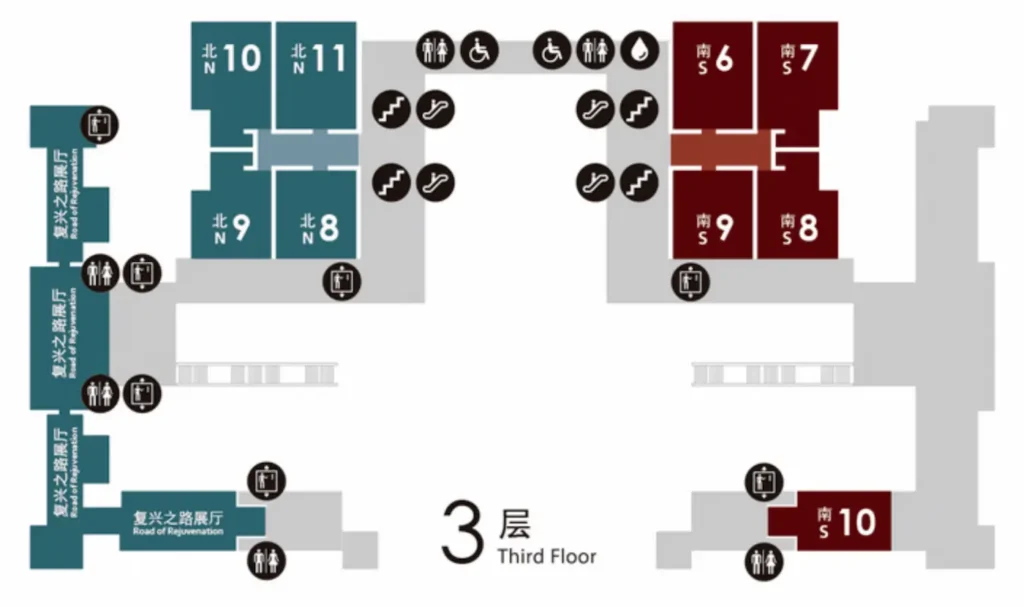
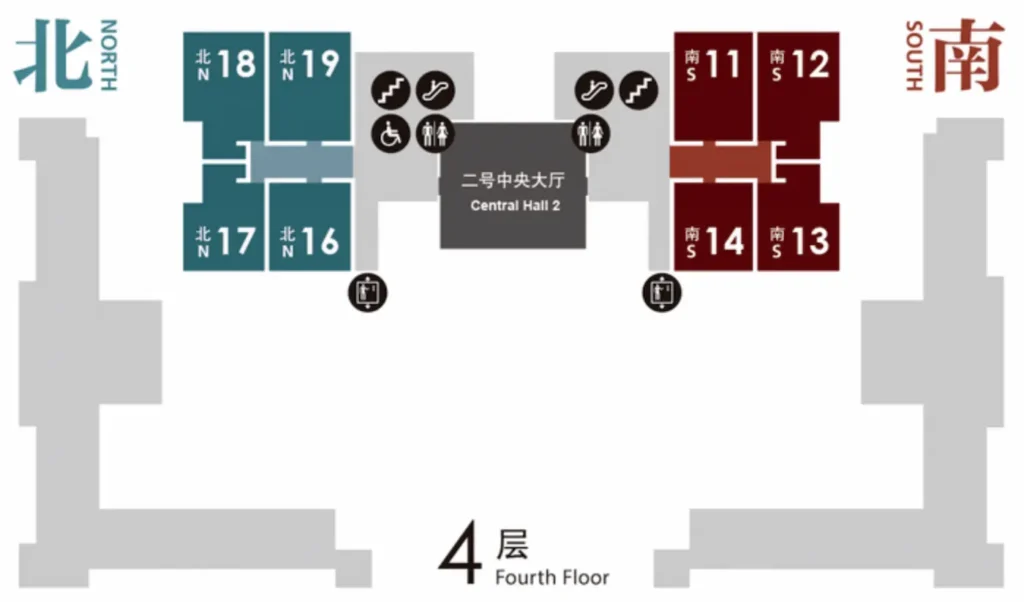
Tiered National Treasure Checklist | Understanding Civilizational Evolution Through Cultural Relics
All national treasures are concentrated in the B1 “Ancient China” exhibition hall and are divided into three tiers: 10 Must-See Items (2 hours); 15 Advanced Items (3 hours); Complete List of 25 Items for History Enthusiasts.
Each artifact is labeled with a recommended viewing time, key observation points, and historical significance, making it easy to locate them on-site.
Tier 1 | 2-Hour Must-Sees (10 items—if short on time, focus on this group only)
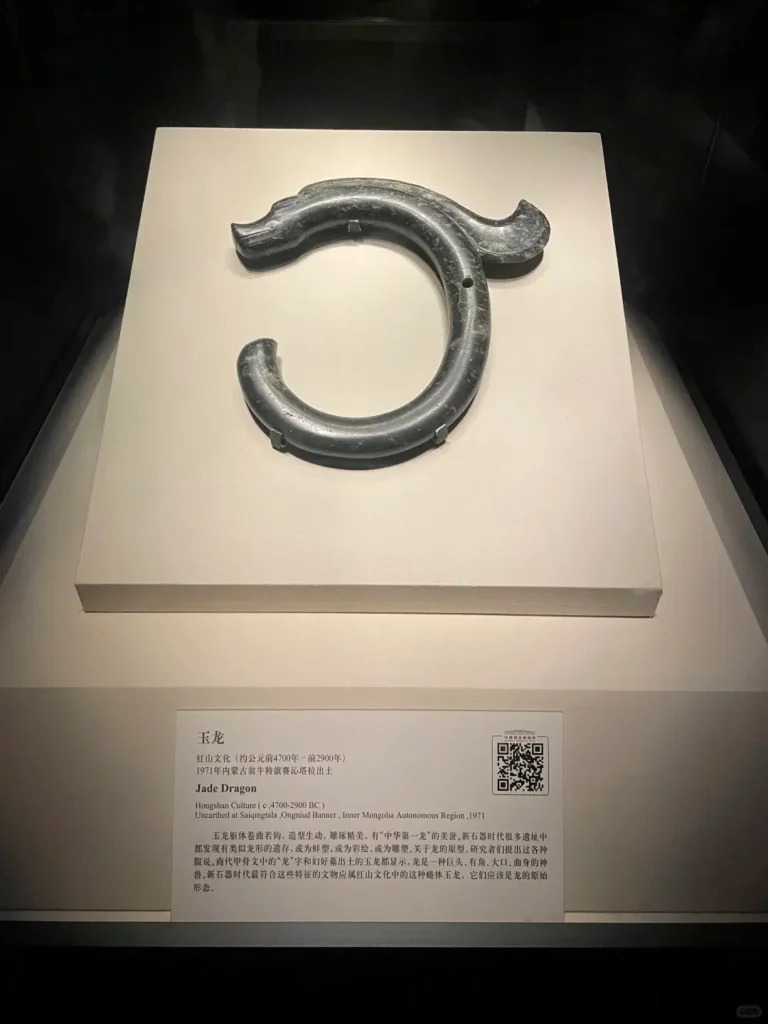
1. Hongshan Culture Jade Dragon | China’s First Dragon | Neolithic Era
⭐ Priority: Must-See | B1 Prehistoric Exhibition Area | ⏱ 3–5 minutes
Key Observation Points: The overall coiled, C-shaped ring form and the smooth, flowing curves of the polished jade.
❓ Why It’s Important: This ritual jade artifact from the Hongshan Culture, dating back 5,000 years, is one of the earliest physical pieces of evidence of the dragon totem and bears witness to the spiritual beliefs of our ancient ancestors.
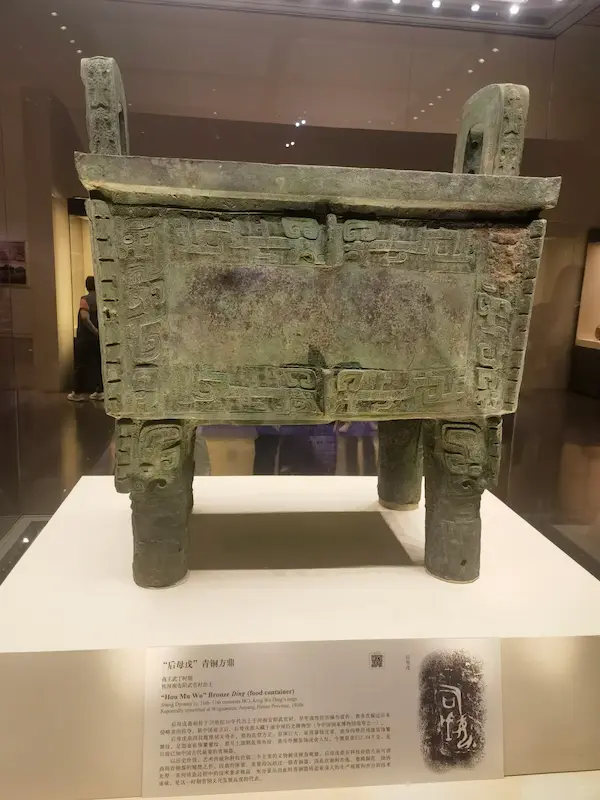
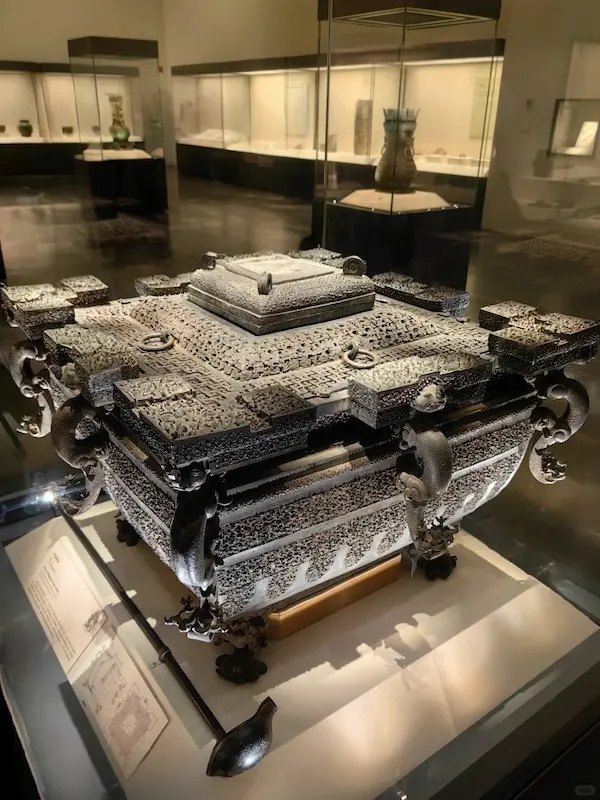
2. Houmuwu Tripod | The King of Bronze | Late Shang Dynasty
⭐ Priority: Must-See | B1 Xia, Shang, and Western Zhou Exhibition Area | ⏱ 5-minute visit
Key Observations: The awe-inspiring sheer size, the taotie patterns on the body of the tripod, and the solid, heavy feel of the casting.
❓Why It’s Important: The heaviest ancient bronze artifact in the world today, weighing 832.84 kilograms, it served as a ritual vessel for the Shang royal court. Its casting required the coordinated efforts of over a hundred artisans, representing the Shang Dynasty’s unparalleled organizational capabilities, bronze smelting techniques, and ritual culture. This artifact is prohibited from being loaned for overseas exhibitions.
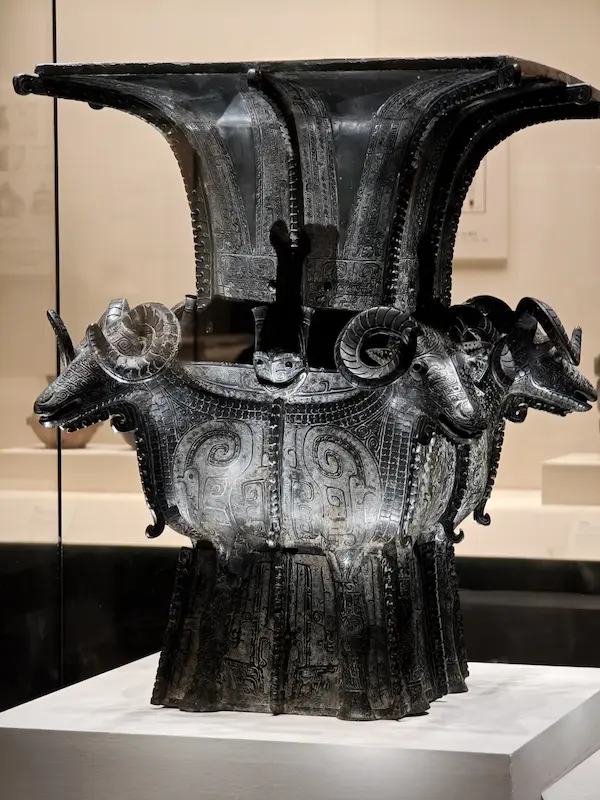
3. Square Vase with Four Rams | The Pinnacle of Bronze Craftsmanship | Late Shang Dynasty
⭐ Priority: Must-See | B1 Xia, Shang, and Western Zhou Exhibition Area | ⏱ 4–5 minutes
Key Features: The four rams with curled horns are seamlessly integrated into the body of the vessel, with no visible joints.
❓ Why It’s Important: The largest surviving square尊 from the Shang Dynasty, this piece represents the pinnacle of ancient bronze segmental casting techniques and is hailed as the ultimate exemplar of bronze craftsmanship. It is prohibited from being exhibited abroad.
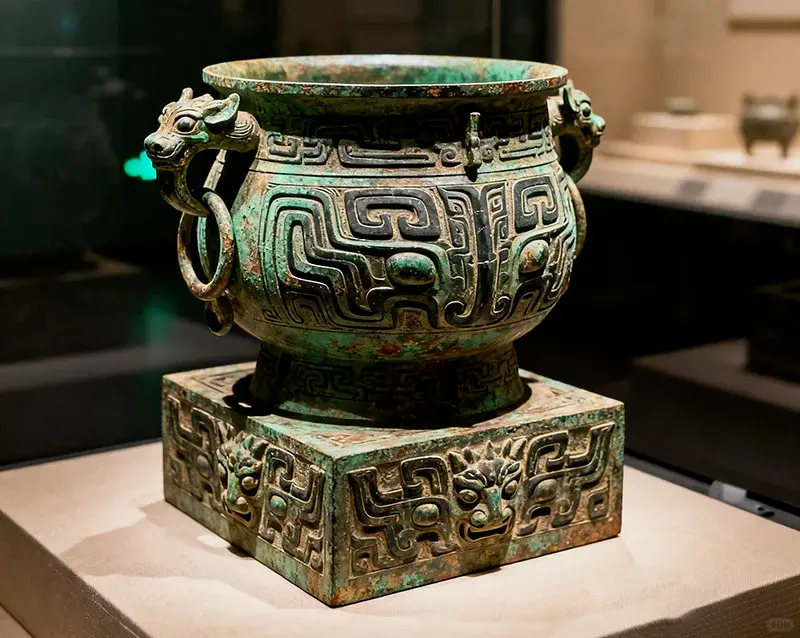
4. Li Gui | Chronicling King Wu’s Campaign Against King Zhou | Early Western Zhou Dynasty
⭐ Priority: Must-See | B1 Xia, Shang, and Western Zhou Exhibition Area | ⏱ 3–4 minutes
Key Observation: The inscription on the inner bottom of the vessel.
❓ Why It’s Important: The inscription on the bottom of the gui records King Wu of Zhou’s campaign against King Zhou of Shang. Archaeologists have used this inscription to calculate the exact year of King Wu’s campaign against King Zhou, making it a crucial piece of chronological evidence from the Early Western Zhou period.
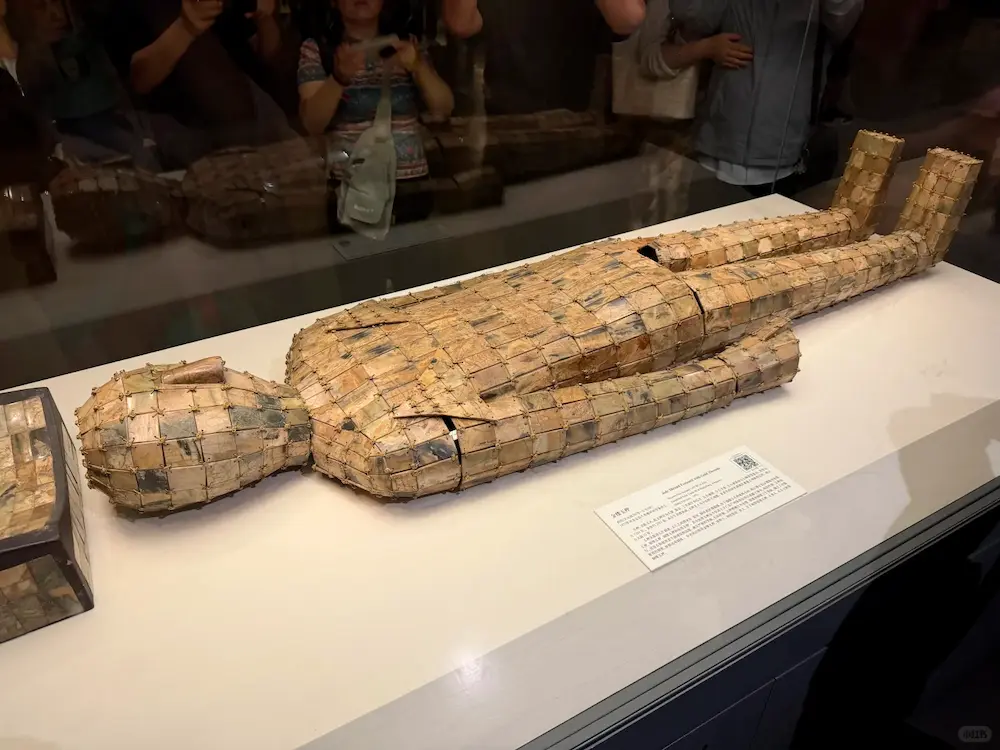
5. Gold-Threaded Jade Suit | Han Dynasty Noble Burial Attire | Western Han Dynasty
⭐ Priority: Must-See | B1 Han Dynasty Exhibition Area | ⏱ 4–5 minutes
Key Observation: A complete, human-shaped burial suit crafted from thousands of jade pieces strung together with gold thread.
❓Why It’s Important: The highest-grade funerary artifact of the Han Dynasty, reserved exclusively for emperors and high-ranking nobles. The Han people believed that jade could protect the physical body of the deceased from decay, making this artifact the most vivid physical evidence of Han beliefs regarding life and death.
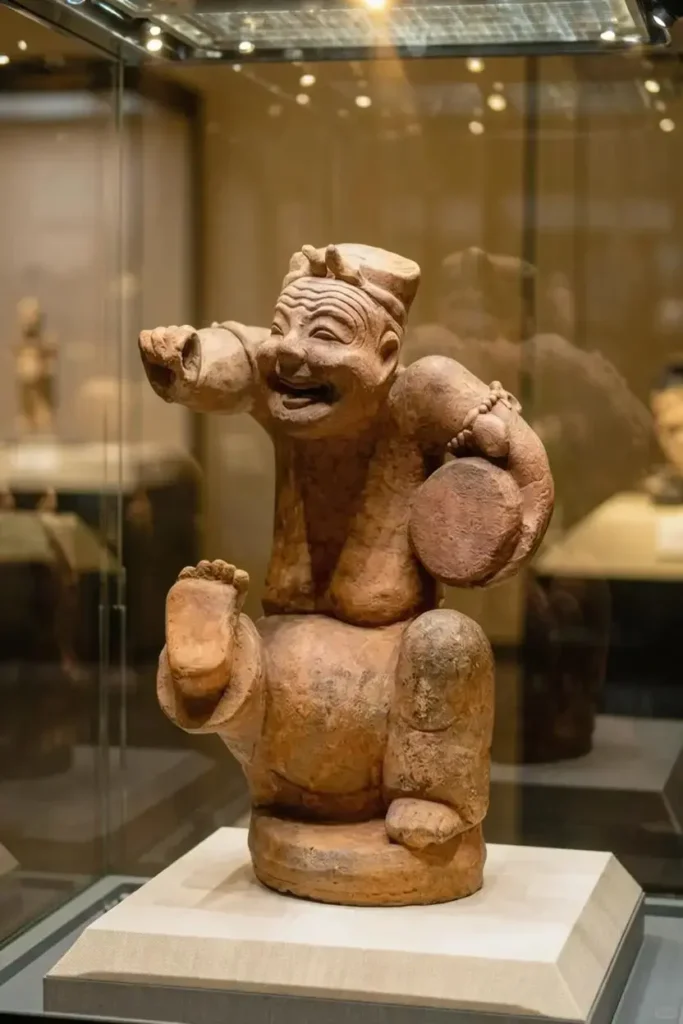
6. Drum-Beating and Storytelling Figurine | Scenes of Everyday Life in the Eastern Han Dynasty | Eastern Han Dynasty
⭐ Priority: Must-See | B1 Qin and Han Dynasty Exhibition Area | ⏱ 3-minute visit
Key Points: The storyteller’s exaggerated and vivid facial expressions and body language.
❓ Why It’s Important: These Eastern Han Dynasty terracotta figurines, playfully dubbed “ancient emojis,” break away from solemn ritual norms to depict ordinary folk storytellers, offering a glimpse into the vibrant lives of common people two thousand years ago.
7. Bronze Ice Vessel | The “Refrigerator” of the Warring States Period | Warring States Period
⭐ Priority: Must-See | B1 Spring and Autumn and Warring States Periods Exhibition Area | ⏱ 3–4-minute visit
Key Observation: The double-layered structure—the outer layer holds ice, while the inner layer contains wine and food.
❓Why It’s Important: A refrigeration device from over 2,000 years ago; it demonstrates how ancient people chilled beverages without electricity, showcasing the ingenious design of artifacts from the Warring States period.
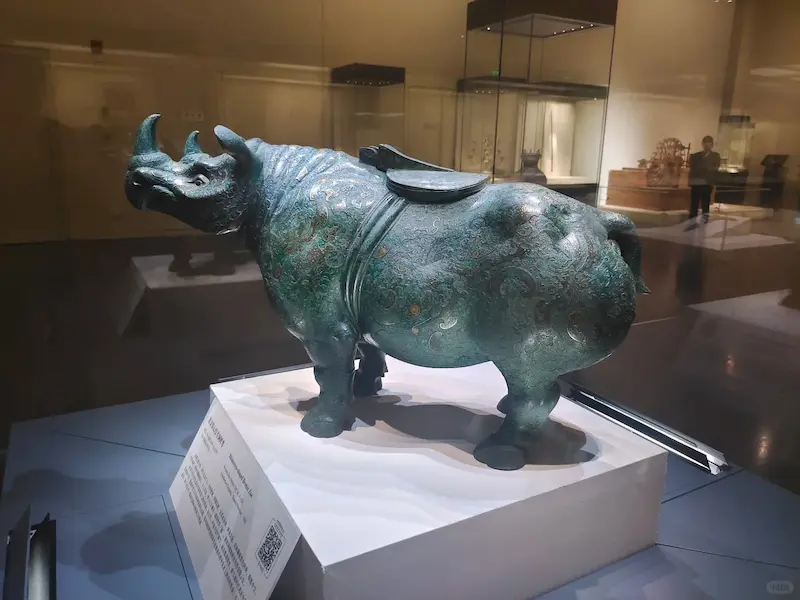
8. Bronze Rhinoceros Vase | Western Han Dynasty Rhinoceros Sculpture | Western Han Dynasty
⭐Priority: Must-See | B1 Han Dynasty Exhibition Area | ⏱3-minute stop
Key Observation Points: The muscular contours of the rhinoceros’s body and the depiction of its skin folds.
❓ Why It’s Important: This realistically rendered bronze rhinoceros serves as tangible evidence that rhinoceroses still inhabited the Central Plains during the Western Han Dynasty. It is a precious physical record of an extinct species and also functioned as a ritual vessel for wine.
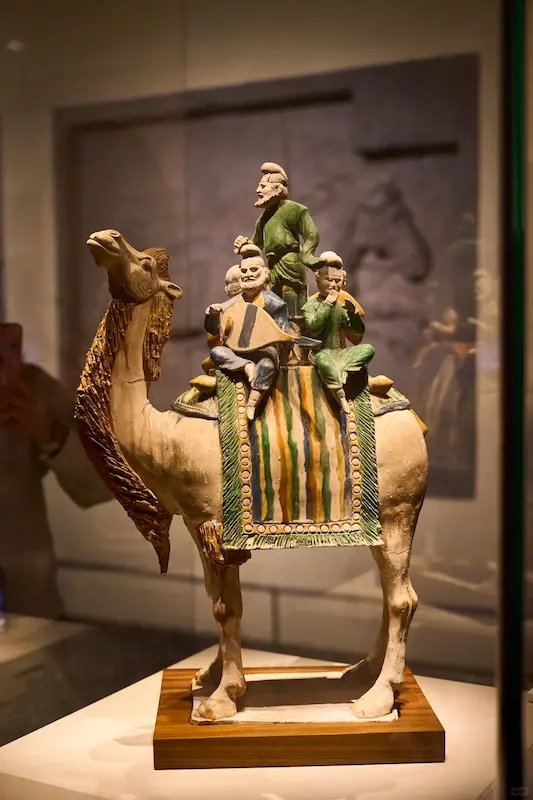
9. Sancai Glazed Pottery Figurine of a Camel Carrying Musicians | A Microcosm of the Silk Road | Tang Dynasty
⭐ Priority: Must-See | B1 Sui, Tang, and Five Dynasties Exhibition Area | ⏱ 4–5 minutes
Key Points: The scene of a group of Western Regions musicians performing on the back of a camel, featuring Tang Sancai glaze colors.
❓ Why It’s Important: Tangible evidence of the Silk Road. Chang’an during the Tang Dynasty was a hub for musicians and artists from Central Asia; this ceramic figurine captures this cross-cultural exchange and is considered one of the finest examples of Tang Sancai.
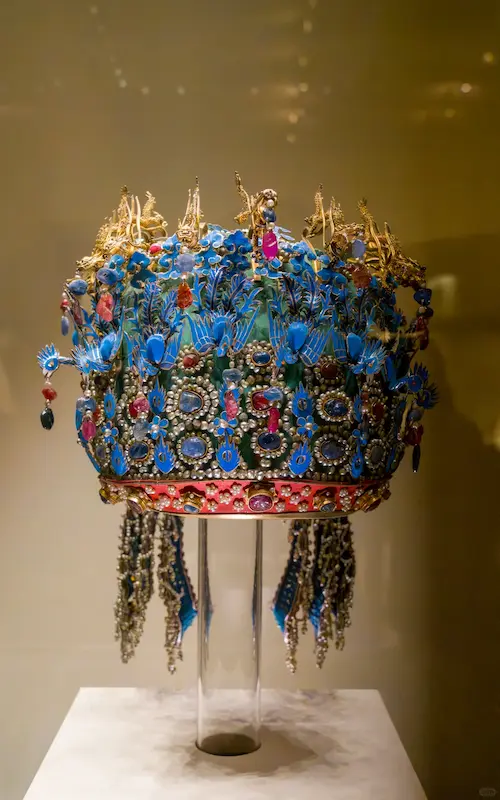
10. Empress Xiaoduan’s Nine-Dragon, Nine-Phoenix Crown | Ming Dynasty Imperial Empress Ceremonial Crown | Ming Dynasty
⭐ Priority: Must-See | B1 Ming and Qing Dynasty Exhibition Area | ⏱ 5-minute visit
Key Features: The designs of the nine dragons and nine phoenixes, inlaid with rubies and thousands of pearls.
❓ Why It’s Important: Unearthed from the Ming Dingling Mausoleum, this is the highest-ranking ceremonial crown of an empress, inlaid with 115 natural rubies and 4,414 pearls. It represents the pinnacle of Ming Dynasty imperial jewelry craftsmanship and is one of the most popular exhibits in the gallery; visitors may need to wait in line during peak hours to view it.
Tier 2 | 3-Hour Advanced Tour (15 additional items, for a total of 25; if you have time, check them off one by one)
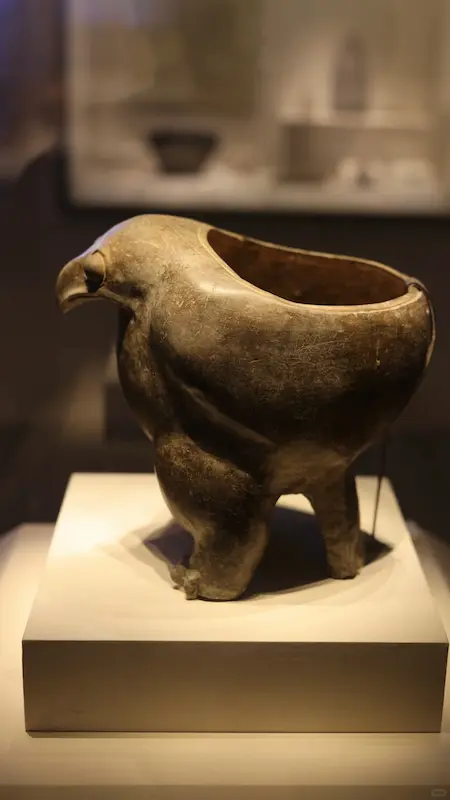
11. Eagle-Shaped Pottery Tripod | Pottery in the Shape of a Male Eagle | Neolithic Era
⭐ Priority: Recommended | B1 Prehistoric Exhibition Area | ⏱ 3-minute stop
Key Observation Points: The overall form of the eagle standing with its wings folded, and the details of the eagle’s head and talons.
❓ Why It’s Important: The only complete bird-shaped pottery from China’s Neolithic era; it was once used by farmers as a chicken feeding bowl. This ordinary, everyday object has become a national treasure.
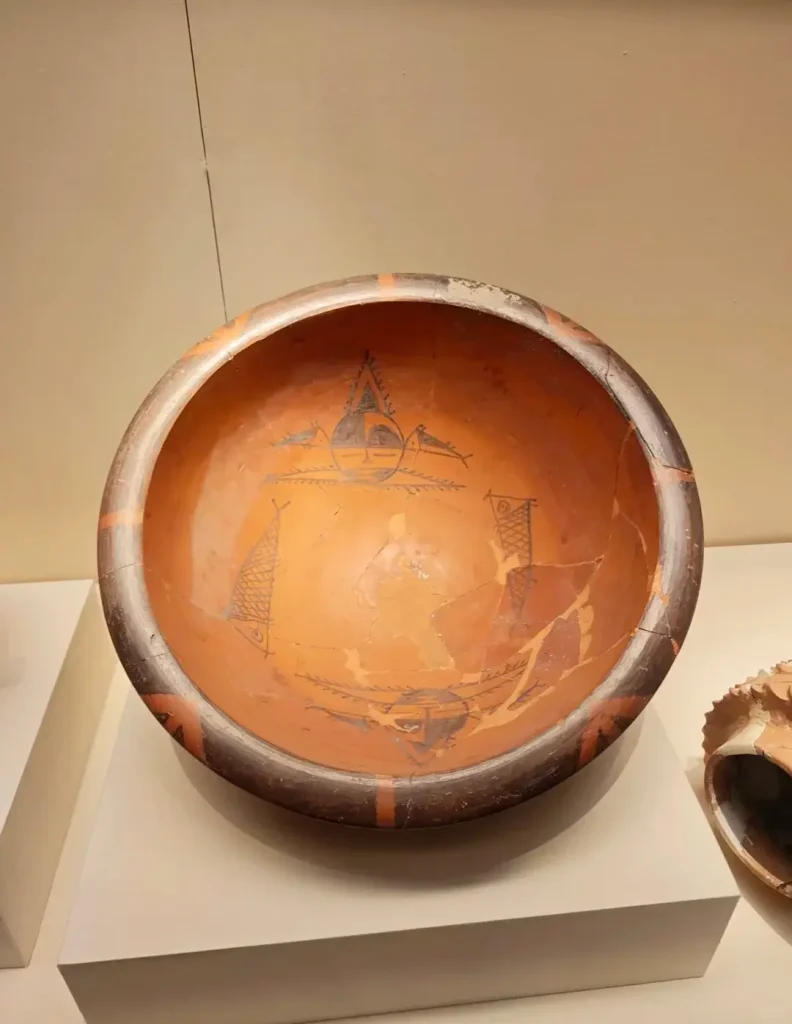
12. Polychrome Pottery Basin with Human Faces and Fish Patterns | Banpo Children’s Coffin Lid | Yangshao Culture
⭐ Priority: Recommended Stop | B1 Prehistoric Exhibition Area | ⏱ 3-minute visit
Key Features: Symmetrical patterns of human faces and fish motifs painted in black on the inner walls of the basin.
❓ Why It’s Important: This is not an everyday washbasin, but the lid of a child’s jar coffin. Six thousand years ago, our ancestors used this to protect departed children, expressing their wishes for peace in the afterlife.
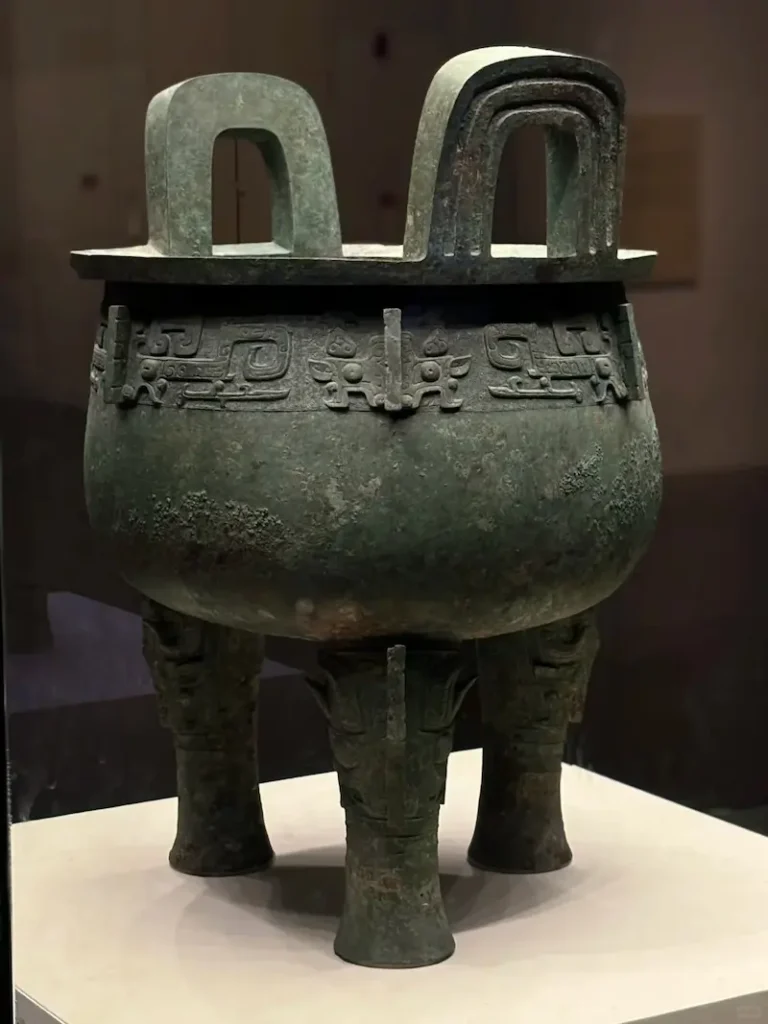
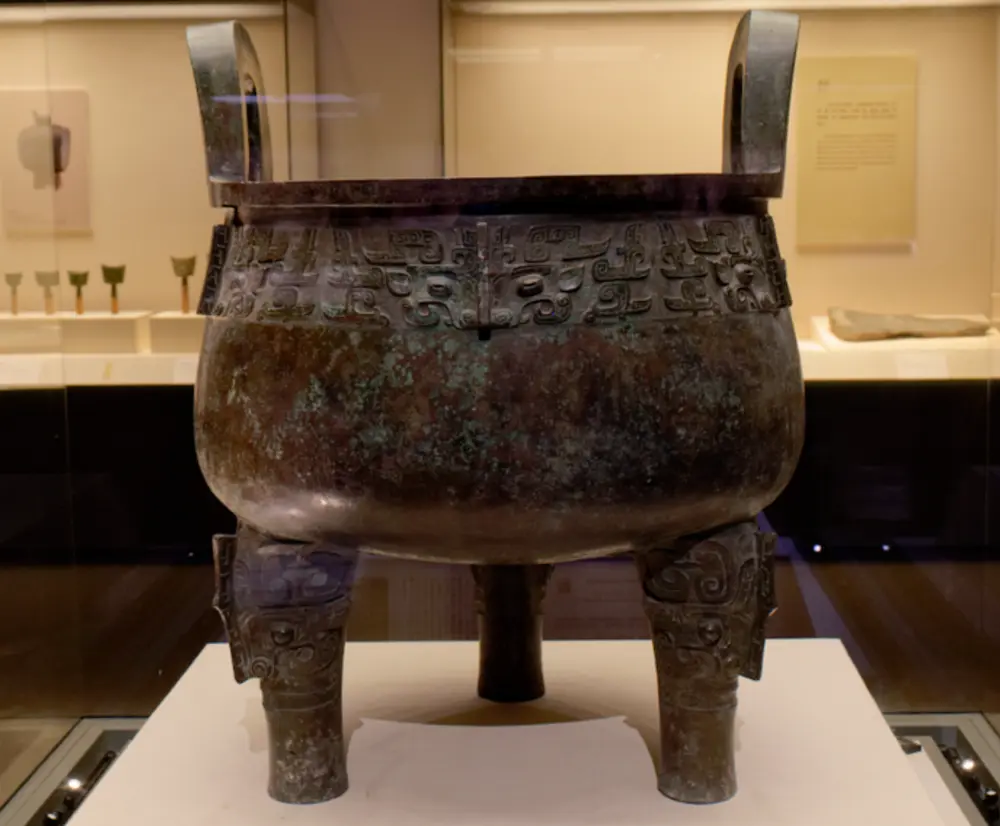
13. Zilong Ding | Largest Round Ding of the Shang Dynasty | Late Shang Dynasty
⭐ Priority: Must-See | B1 Xia, Shang, and Western Zhou Exhibition Area | ⏱ 3–4-minute visit
Key Features: The massive, round body of the ding, with a majestic and substantial form.
❓Why It’s Important: The largest surviving circular bronze ding from the Shang Dynasty, it is regarded alongside the Houmuwu Square Ding as the “Two Giants of Shang Bronze.”
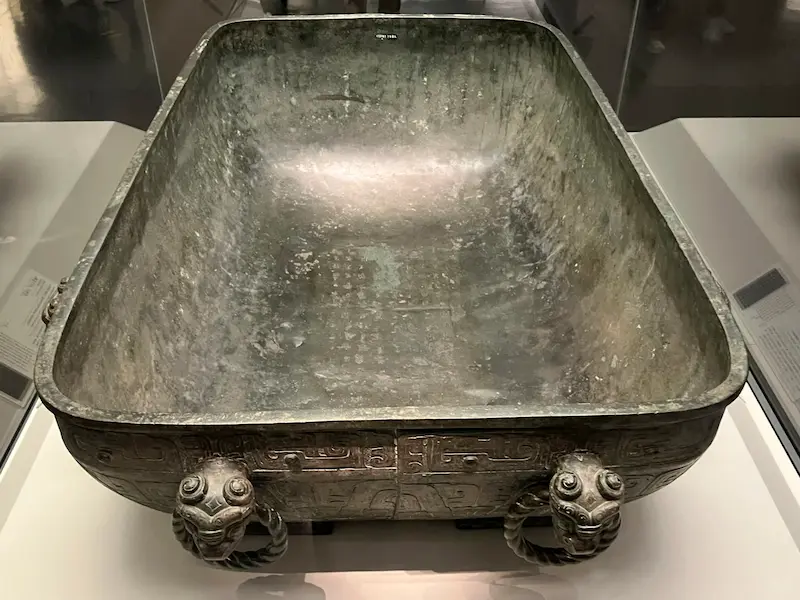
14. Guo Jizi Bai Plate | Giant Bronze Plate from the Western Zhou Dynasty | Late Western Zhou Period
⭐ Priority: Must-See | B1 Spring and Autumn and Warring States Periods Exhibition Area | ⏱ 3–4-minute visit
Key Observation: The lengthy 111-character inscription on the base of the dish.
❓ Why It’s Important: This bronze water vessel, as large as a giant bathtub, bears an inscription documenting a battle during the reign of King Xuan of Zhou, making it a crucial historical source of bronze inscriptions from the late Western Zhou period.
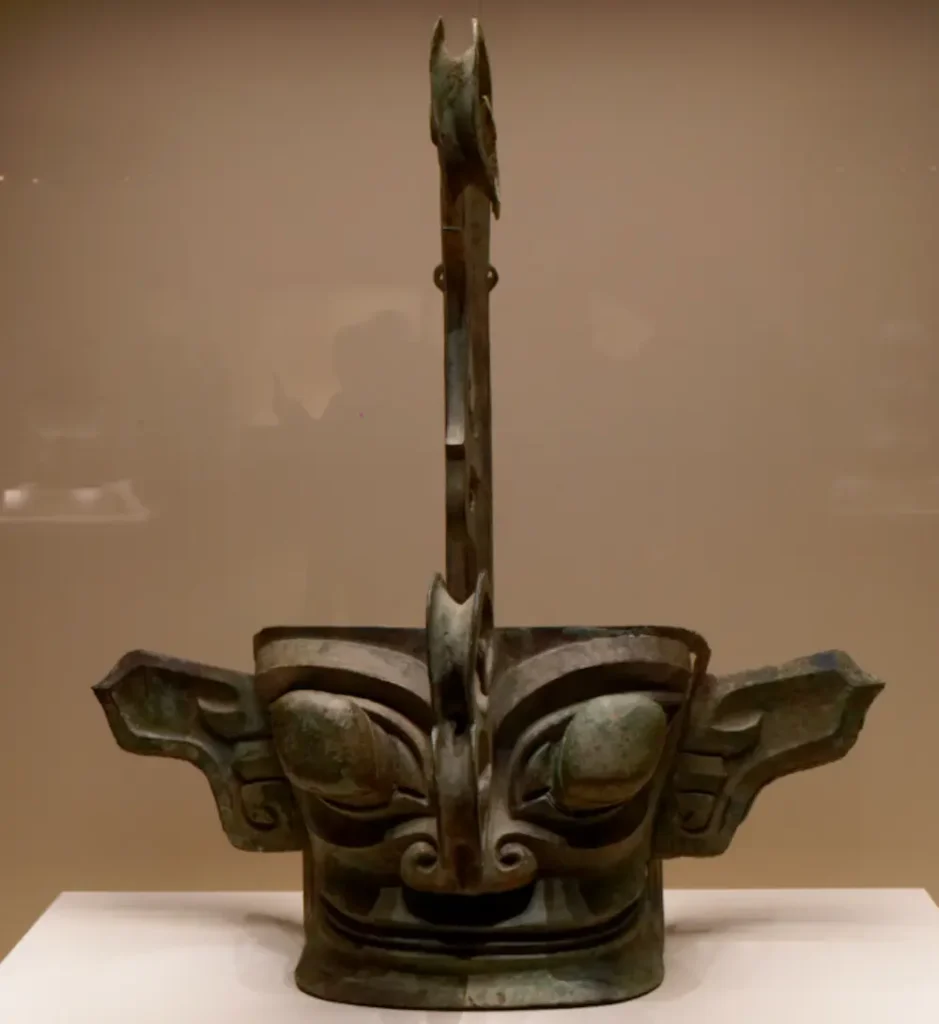
15. Sanxingdui Bronze Mask | Ancient Shu Civilization | Late Shang Dynasty
⭐ Priority: Must-See | B1 Hall, “Xia, Shang, and Western Zhou Dynasties” Exhibition Area, Sanxingdui Special Section | ⏱ 4-minute visit
Key Features: Prominent vertical eyes and enormous ears—an aesthetic entirely distinct from Central Plains bronzeware.
❓ Why It’s Important: Originating from the Sanxingdui site in Sichuan, these artifacts represent the ancient Shu civilization—an independent culture that also engaged in cultural exchange with the Central Plains—and are shrouded in mystery.
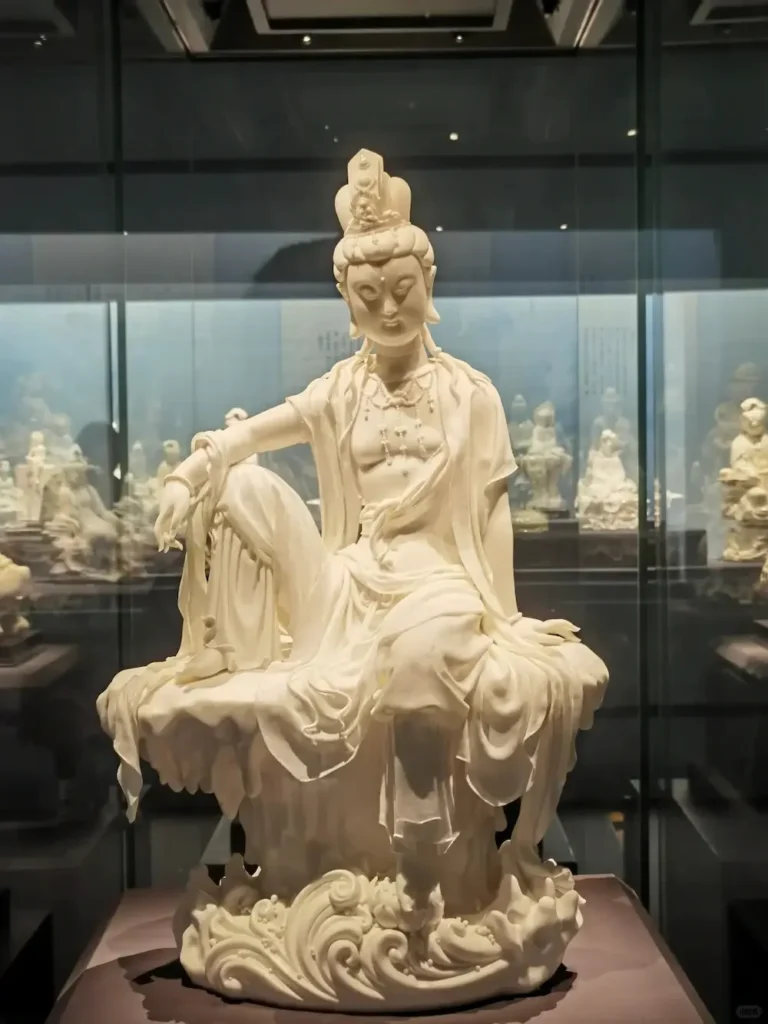
16. Dehua White Porcelain Buddha Statue | Porcelain as White as Mutton Fat | Ming Dynasty
⭐ Priority: Must-See | Dehua White Porcelain Gallery, North Zone, 2nd Floor (Special exhibitions are subject to change; please check on-site) | ⏱ 3-minute visit
Key Observations: The white glaze, as smooth and lustrous as sheep’s fat, and the delicate, flowing folds of the Buddha’s robes.
❓ Why It’s Important: A masterpiece representing the pinnacle of Dehua white porcelain from Fujian, known as “China White,” which takes the delicacy and smoothness of porcelain to the extreme.
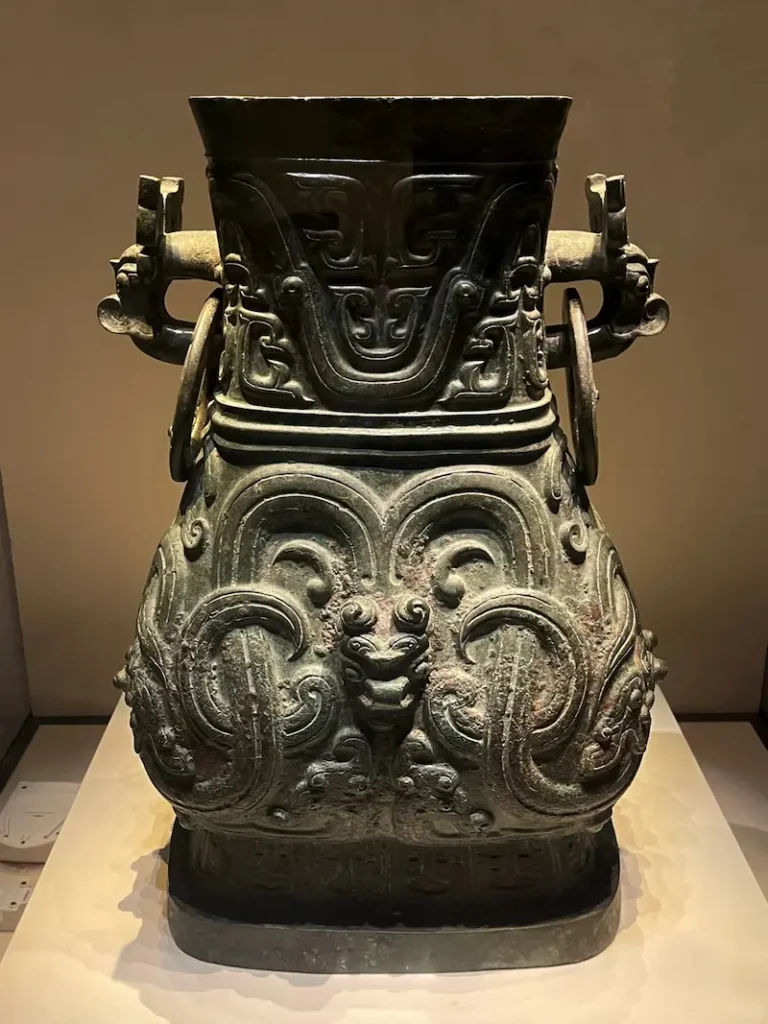
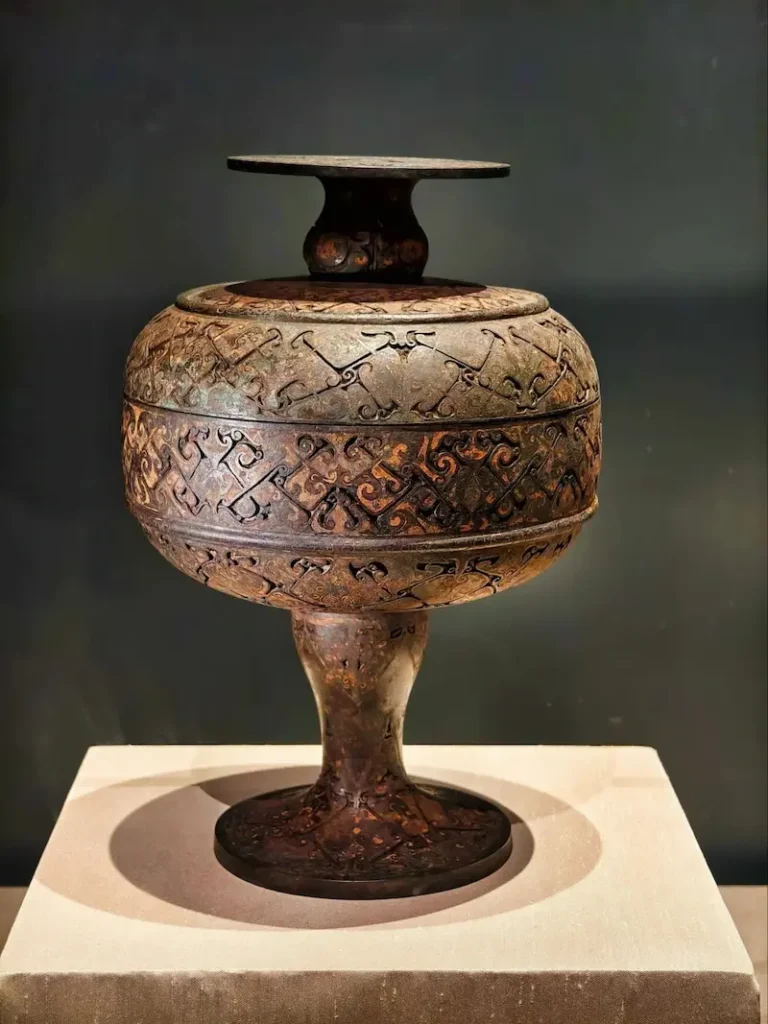
9 Additional Advanced Exhibits: Large Yu Ding, Song Hu, Warring States Period Gilded and Silver-Inlaid Bronze Dou Vessel, Cloud-Patterned Bronze Vase, Polychrome Pottery Drum-Beating Figurine, Tang Sancai Horse, Yue Kiln Celadon Lotus Cup Saucer, Song Dynasty Jun Kiln Bowl, Yuan Dynasty Blue-and-White Yuhuchun Vase (History enthusiasts can follow the exhibition hall signs to locate these items).
Family Visits | Fun Tasks for Kids at the National Museum of China
When visiting with your children, there’s no need to try to see every single artifact. Instead, you can organize a simple “artifact scavenger hunt” to spark their interest:
Scavenger Hunt Checklist
1️⃣ Find the C-shaped coiled jade dragon
2️⃣ Find the massive bronze cauldron weighing over 800 kilograms
3️⃣ Find the camel with a musician standing on its back
4️⃣ Find the ancient “refrigerator”—the bronze ice container
5️⃣ Find the magnificent empress’s phoenix crown
6️⃣ Find the ceramic figurine of a rapper with a funny expression
Tip: Prioritize exhibits with interesting designs and compelling stories. Limit each visit to 2–3 hours, and set aside time for breaks to prevent children from getting tired and resistant.
Museum Facilities | Rest Areas, Audio Tours, Dining, Stamp Collection, and Cultural and Creative Products
Audio Tour Services
1. Free Audio Tours: Access them directly through the “National Museum” mini-program. Children’s and teen versions are also available, making them ideal for families.
2. Paid Audio Guides: Available for rent in the first-floor lobby for 48 yuan, with a 200-yuan deposit.
3. Volunteer-Led Tours: Check the mini-program for the day’s volunteer tour schedule to join a guided tour for free.
Dining and Rest Areas
- Snacks and beverages are available from vending machines throughout the museum;
- A café is located on the second floor of the North Wing; light meals are available on the fourth floor of both the South and North Wings;
- Bringing in self-heating meals is prohibited; outside food may only be consumed in rest areas; eating and drinking are strictly prohibited in the exhibition halls;
- If you find the prices for food and drinks inside the museum unacceptable, you can also exit through the West Gate after your visit and dine on Qianmen Street.
Stamp Collection (Free)
Many visitors enjoy collecting stamps. There are three main stamp locations:
1. Second-floor Cultural and Creative Experience Area: Multicolored phoenix crown stamp;
2. To the right of the cash register at the National Museum of China Café: museum seal and date stamp;
3. B1 Ancient China Exit Cultural and Creative Store: themed stamps.
Stamp locations may change depending on exhibition layouts; please check on-site for the latest information.
Cultural and Creative Stores
There are cultural and creative stores on both sides of the West Gate exit of the National Museum of China, where you can purchase souvenirs such as fridge magnets, bookmarks, and postcards.
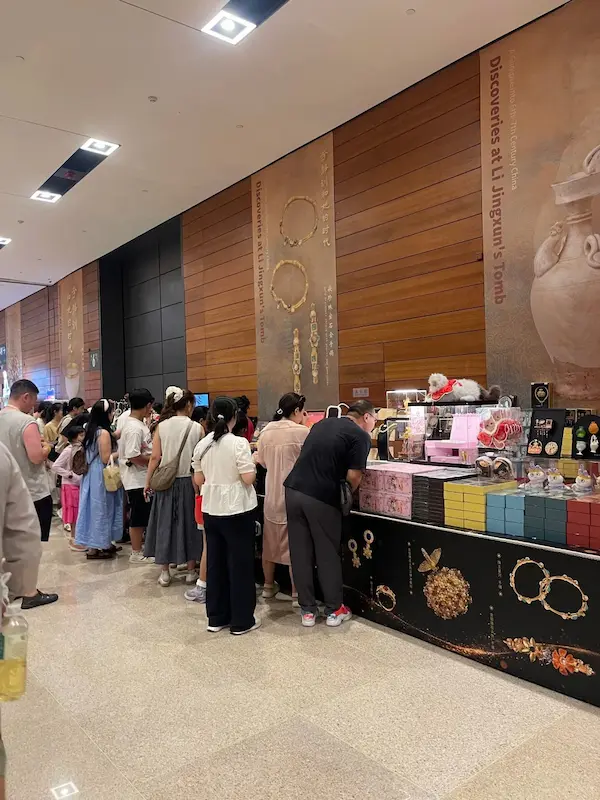
✅Three Things to Do Before Leaving
☑️ Check if any temporary special exhibitions interest you (check the electronic screens in the lobby);
☑️ If you’ve planned to, complete your stamp collection;
☑️ If you need souvenirs, browse the cultural and creative shops.
FAQ
The National Museum of China is not just a place to rush through, check off the list, and take photos. Its greatest value lies in using authentic artifacts to answer the questions: Who are we? Where do we come from?
From the curled jade dragon dating back 5,000 years to the majestic bronze artifacts from 3,000 years ago; from the earthenware figurines depicting storytelling and singing from 2,000 years ago to the dazzling imperial queen’s phoenix crown from the Ming Dynasty—these artifacts are not cold, lifeless displays, but living memories preserved by civilization.
When you visit Beijing, set aside half a day, make a reservation in advance, and follow the historical sequence of the “Ancient China” exhibition on Level B1 to trace 5,000 years of history through these artifacts.
Note: All information in this guide was compiled in September 2026; please refer to the official announcements of the National Museum of China for updates on exhibition hall arrangements, special exhibitions, and visiting policies.
You can save this guide directly to your phone and use it as a reference when you arrive at the National Museum of China.