
What to Do at Beijing’s Xiangshan Park? Fall Foliage, Hiking Trails, and a Guide for First-Time Visitors (2026)
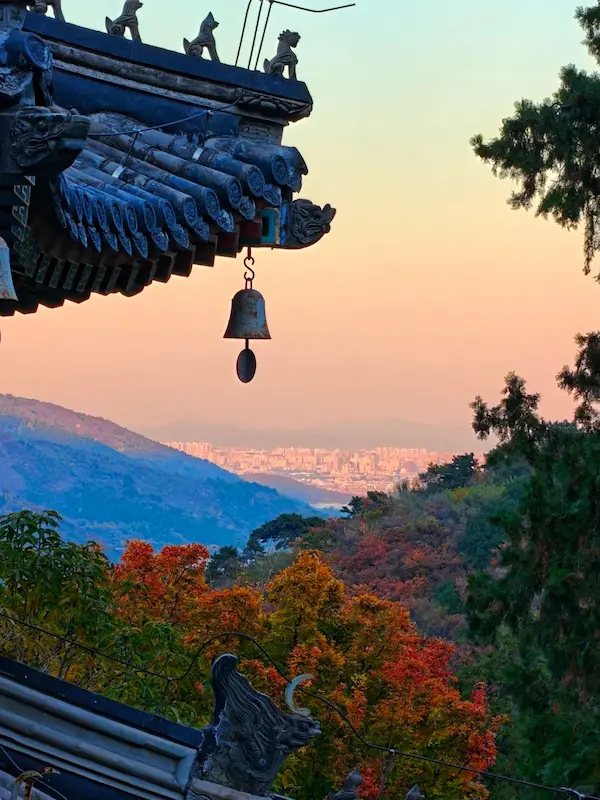
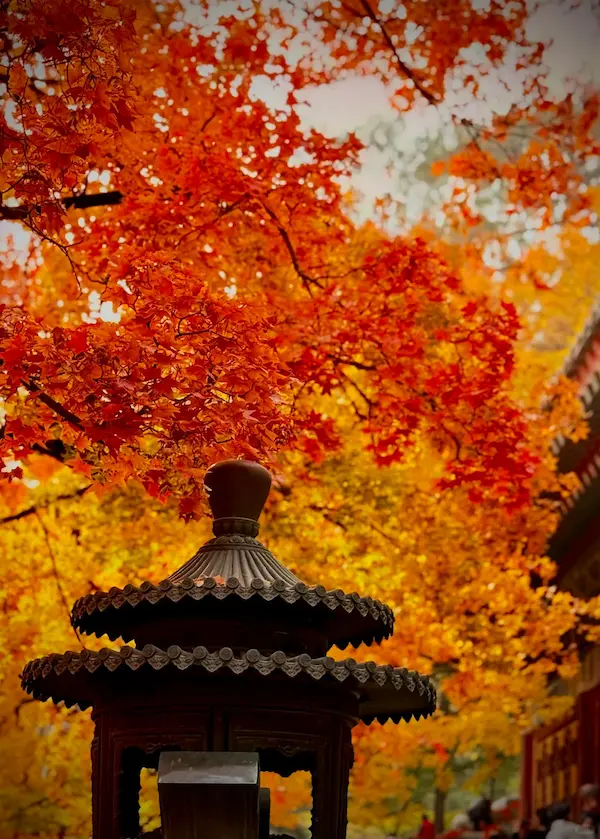
Beijing’s Xiangshan Park is most famous among many visitors for its autumn, when the entire mountain forest is bathed in fall colors, resembling a magnificent oil painting. However, Xiangshan offers more than just red leaves.
It was once part of the imperial gardens, boasting ancient cultural history, and its scenery holds unique charm in all four seasons. Whether you want to hike and admire the foliage or seek a tranquil cultural journey, this guide will provide you with the latest practical information.
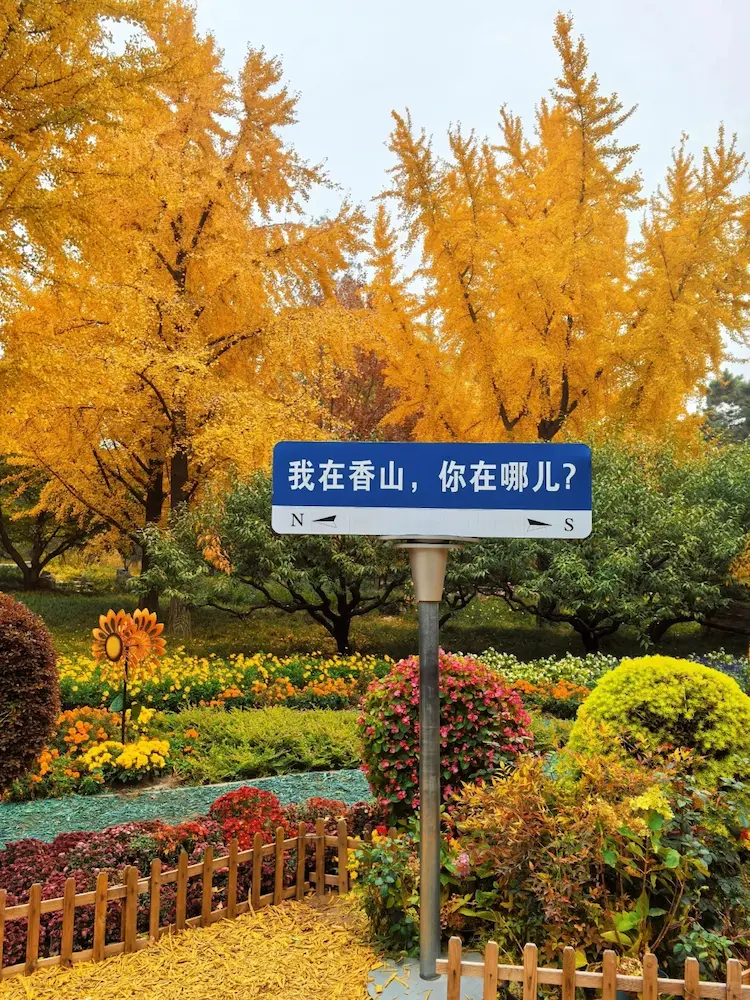
Table of Contents
What Kind of Visitors Is Xiangshan Suitable For?
Here’s a quick guide to help you determine if Xiangshan fits your travel plans:
✅ First-time visitors to Beijing: It’s worth adding to your itinerary, but don’t treat it merely as a “fall foliage” photo spot; since it’s located in the western suburbs, you’ll need to set aside extra travel time.
✅ Hiking enthusiasts: Perfect for you—the park features genuine mountain terrain with elevation gains, offering a true mountain hiking experience.
✅ Main goal is simply to view the autumn foliage: You don’t necessarily have to climb to the summit of Xianglu Peak; there are multiple spots in the Zhongshan area where you can enjoy stunning autumn colors.
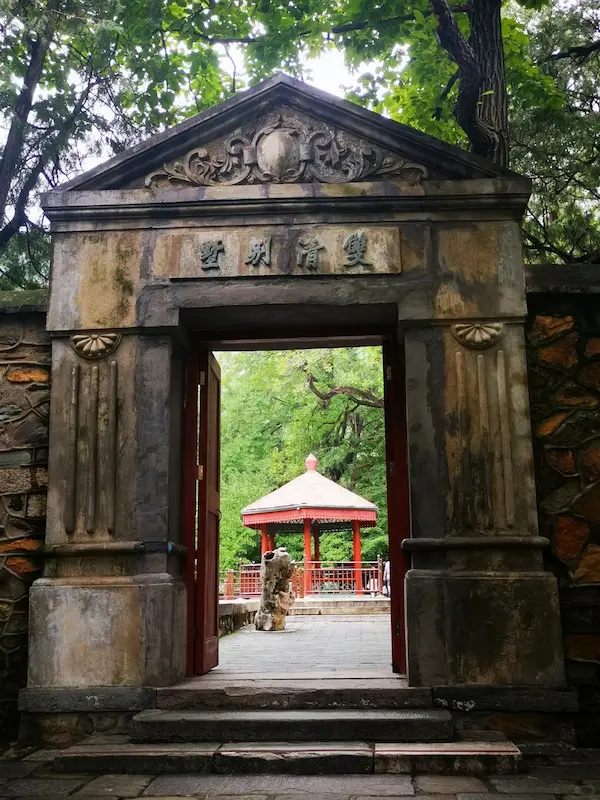
✅ Interested in Beijing’s historical sites: You can combine visits to Xiangshan Temple, Biyun Temple, and Shuangqing Villa to experience imperial gardens and modern history.
✅ Traveling with the elderly or children: We do not recommend the strenuous summit route; prioritize leisurely trails with gentle slopes.
⚠️ If your schedule is tight and you’re dedicating all your time to downtown attractions: The round trip to Xiangshan takes a long time, so you may want to skip it if necessary.
Essential Information Before You Go: Tickets, Reservations, and Opening Hours
Before planning your trip to Xiangshan, it’s important to know some basic details.
- Very Affordable Tickets: Xiangshan Park ticket prices vary between peak and off-peak seasons. The peak season (April 1 to November 15) ticket is 10 RMB, while the off-peak season (November 16 to March 31 of the following year) ticket is only 5 RMB. Biyun Temple within the park requires a separate ticket (10 RMB). You can also purchase a combination ticket that includes both the park and Biyun Temple, which is more economical.
- Reservations are Mandatory: Visiting Xiangshan Park requires an advance real-name reservation. You can make a reservation on the WeChat official account ” Xiangshan Park Service “, up to 7 days in advance. Group visitors should prepare relevant materials ahead of time. Annual pass holders have designated entry time slots to avoid crowds.
- Important Note: Historical sites within the park, such as Shuangqing Villa, require separate reservations. Don’t forget to book these on the official account as well.
- Opening Hours: High season (April 1–November 15) 6:00 a.m.–6:30 p.m.; low season (November 16–March 31 of the following year) 6:00 a.m.–6:00 p.m. The park is typically most crowded on weekends from 9:00 a.m. to 3:00 p.m. If you want to avoid the crowds, consider arriving earlier or later in the day.
A quick note: Xiangshan isn’t just home to the remains of imperial gardens; it also preserves an important historical site from the modern and contemporary eras—the Shuangqing Villa. If you’re interested in this period of history, be sure to check the opening hours and reservation policies in advance.
How to Get to Xiangshan: Transportation Guide
Xiangshan is located in the western suburbs of Beijing, with several convenient transportation options.
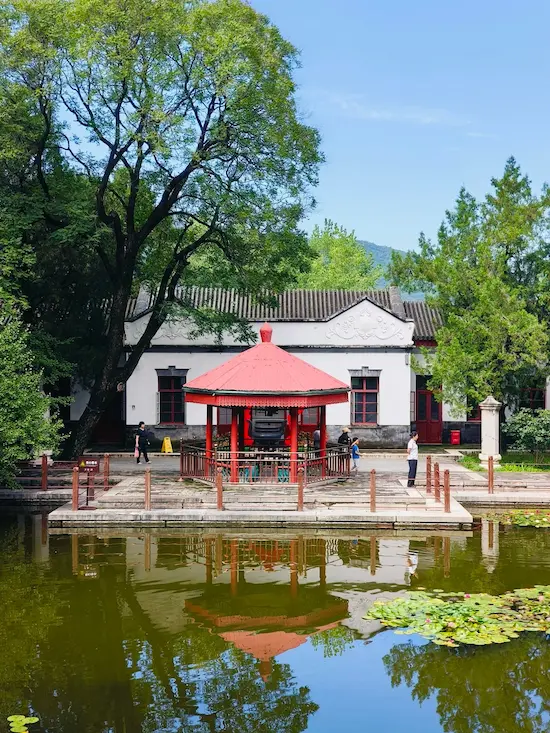
- Most Recommended Public Transport: Taking the subway is the most convenient and reliable way to avoid traffic. You can take Metro Line 10 to Bagou Station, then transfer to the Xijiao Line, which serves Xiangshan. Get off at the terminal station, Xiangshan Station, and it’s about a 5-10 minute walk to the park’s East Gate.
- Bus Options: In addition to the subway, several bus lines (such as 318, 360, and 563) serve “Xiangshan Station” or “Xiangshan Park East Gate Station”.
- Driving Tips: While driving is possible, roads to Xiangshan can become extremely congested, and parking lots often fill up quickly during the autumn foliage season. If you must drive, it’s advisable to park at commercial parking lots around Xiangshan and then transfer to the park’s shuttle bus to enter the area, saving both time and hassle.
Time Estimate: Xiangshan is not located in Beijing’s central business district. We recommend setting aside most of a day for a round trip from downtown. We do not recommend cramming a visit there into the same day as other downtown attractions such as the Forbidden City and Tiananmen Square.
Selected Tour Routes: Find the One That Suits You
First, choose your Xiangshan itinerary (quickly find the route that’s right for you)
| Your travel situation | Top recommended routes |
| First-time visitor looking to experience the classic Xiangshan | Classic Autumn Foliage Trail |
| Your main goal is to see the autumn foliage | Autumn Foliage Trail (Optional: No need to reach the summit) |
| Don’t want to do a lot of hiking; average fitness level | Easy, Leisurely Route |
| Interested in ancient architecture and historical sites | Off-the-Beaten-Path Cultural Route: Xiangshan Temple + Biyun Temple |
| Traveling with elderly family members or children | Family-Friendly Leisure Route (no need to reach the summit) |
| Want to reach the summit of Xianglu Peak but have limited stamina | Easy Summit Route (check cable car operating status first) |
Xiangshan Park is large. Planning a route that suits your interests in advance can greatly enhance your visit.
1. Classic Red Leaf Viewing Route
If your main goal is to see the autumn foliage, this is the classic choice.
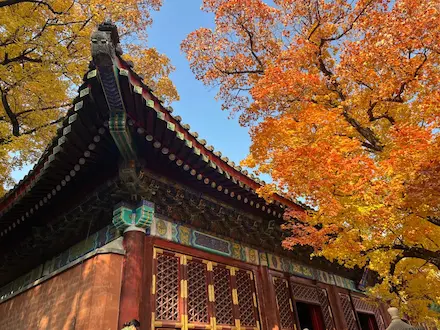
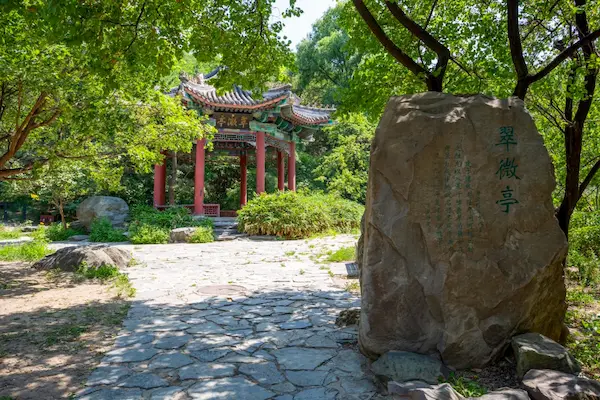
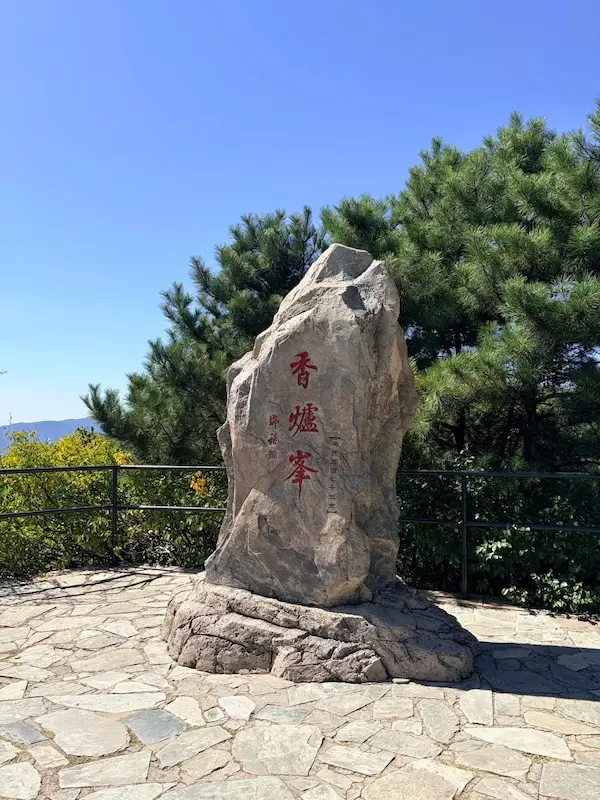
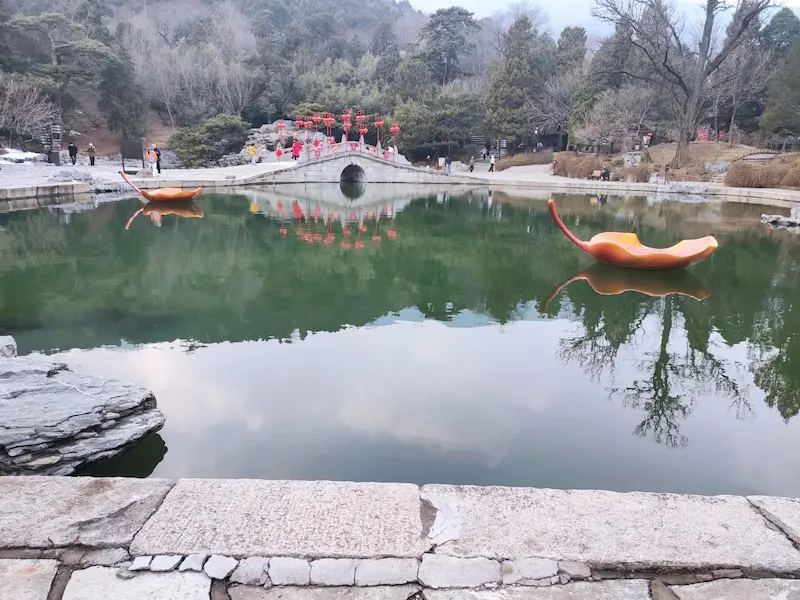
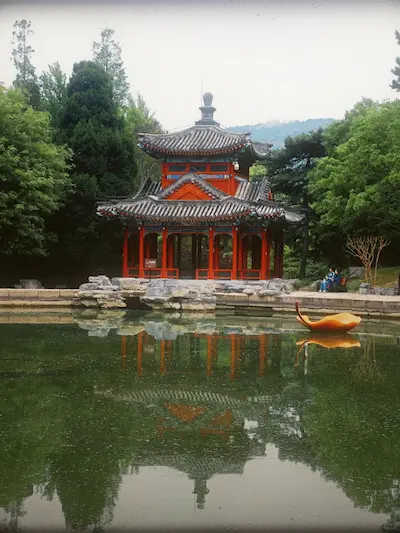
East Gate → Qinzheng Hall [✅ Historic architecture + autumn foliage in the same frame—perfect for photos] → Jingcui Lake [✅ Autumn scenery by the water—ideal for a mid-hike break] → Cuiwei Pavilion [✅ Mountain and forest scenery begins—first rest stop] → Xiangwu Cave [✅ Views gradually open up as you climb] → Xianglu Peak [✅ Panoramic summit view; continue if you have the energy—not a must-visit]
This route connects the park’s officially recommended core fall foliage spots and takes about 3–4 hours to complete. From the summit of Xianglu Peak, you can overlook the entire Xiangshan forest, and on clear days, you can see as far as the city of Beijing.
❗Key Point: Do you have to climb all the way to the summit of Xianglu Peak at Xiangshan? Not necessarily.
If your goal is simply to see the fall foliage, take photos, and explore the imperial gardens, there’s no need to push yourself through a strenuous hike just to “check off” the summit—the views in the central area of the mountain are more than sufficient.
Climbing to the summit of Xianglu Peak is highly recommended only for visitors who love hiking, are in good physical condition, and are visiting on a day with favorable weather.
What Are the Best Views at Different Spots in Xiangshan’s Autumn Foliage?
- Qinzheng Hall: Ancient architecture paired with autumn foliage—perfect for capturing stunning cultural landscape photos
- Jingcui Lake: Reflections on the lake + autumn mountains and forests—enjoy the fall scenery by the water
- Cuiwei Pavilion: Immerse yourself in the mountain atmosphere; take a break here to admire the view
- Xiangwuku: After climbing to the top, enjoy sweeping mountain views
- Yanjing Lake: Low elevation with almost no hiking required—a relaxed way to enjoy the fall foliage
2. Lesser-Known Leisure & Culture Route
If You’re Looking for More Than Just Autumn Foliage: Another Side of Xiangshan
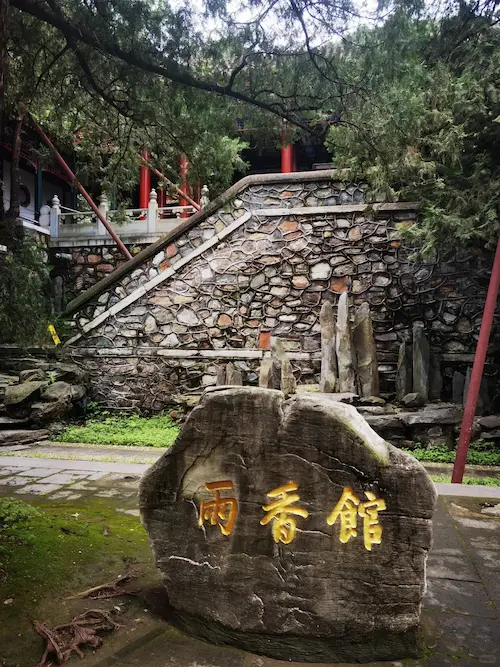
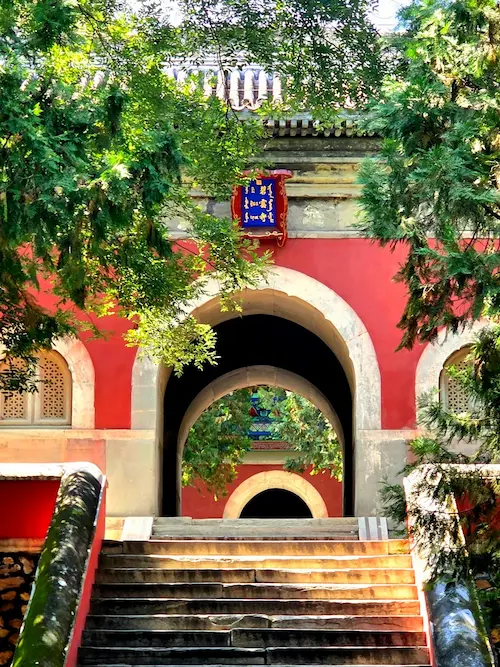
Many tourists visit Xiangshan for the autumn foliage and Xianglu Peak. However, the site was originally the Qing Dynasty imperial garden known as Jingyi Garden, and it still preserves a wealth of ancient architectural ruins.
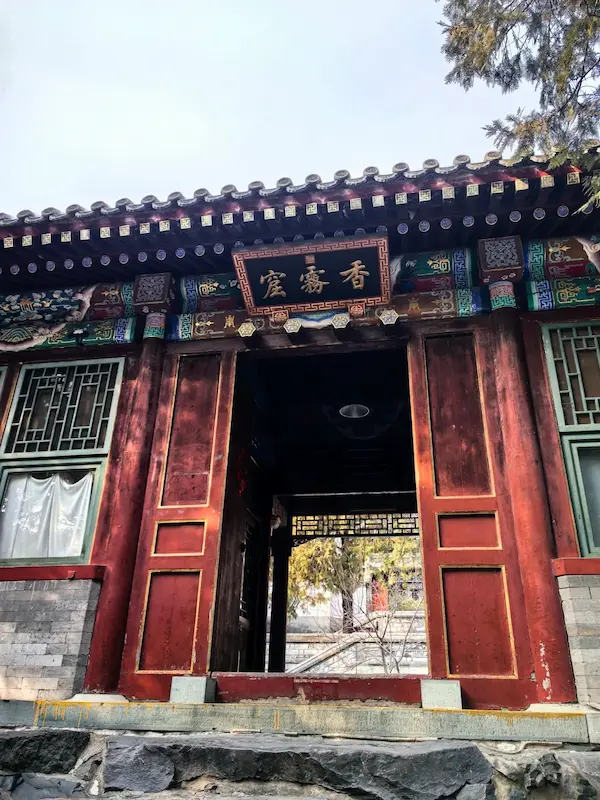
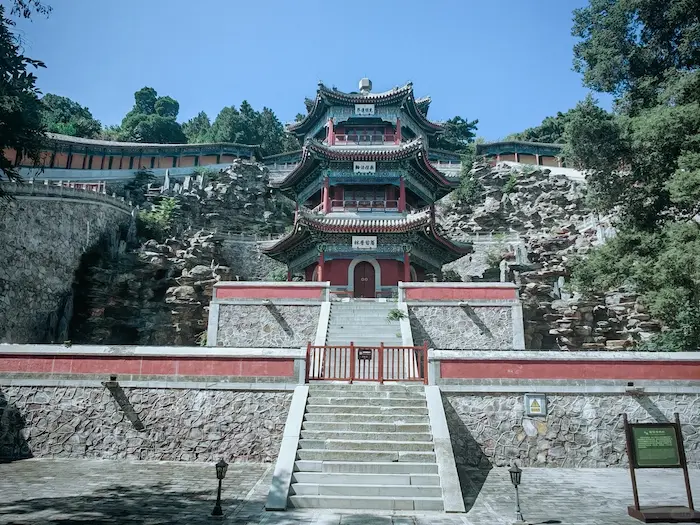
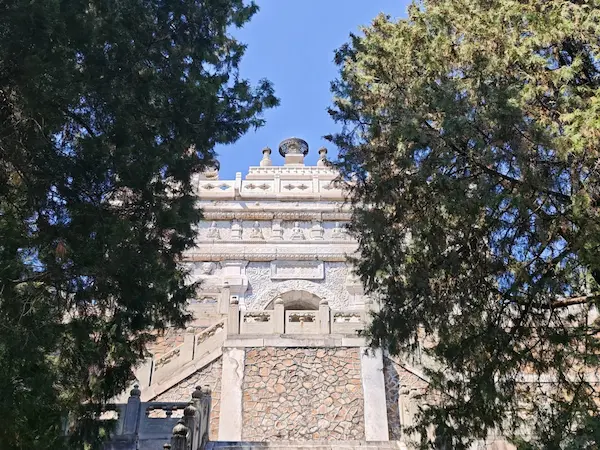
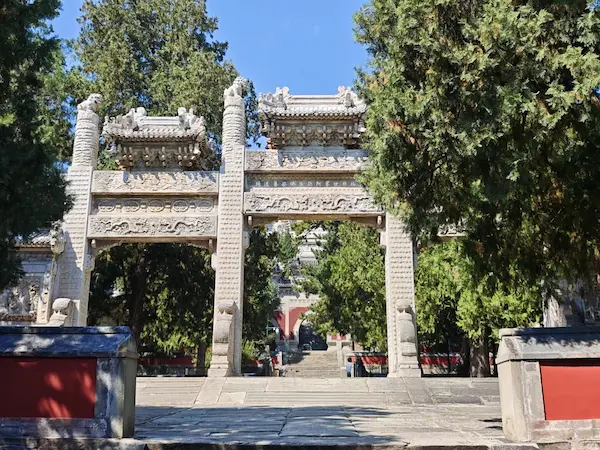
East Gate → Xiangshan Temple [✅ An ancient mountain temple and remnants of an imperial garden monastery] → Yuxiang Pavilion → Xiyang’a [✅ Stone carvings inscribed by Emperor Qianlong] → Exit through the North Gate and head to Biyun Temple [✅ Exquisite stone carvings and temple complex; separate admission ticket required]
Xiangshan Temple is nestled among the mountains and forests, allowing visitors to experience the atmosphere of an ancient mountain temple; at Xiyang’a, visitors can admire stone carvings inscribed by the Qing Dynasty emperor; Biyun Temple, located outside the North Gate, features a tranquil setting and stone carvings and architecture of great historical value, though a separate ticket is required for admission.
3. Easy Family-Friendly Route
If you’re traveling with the elderly or children, I do not recommend making the climb to the summit of Xianglu Peak your goal.
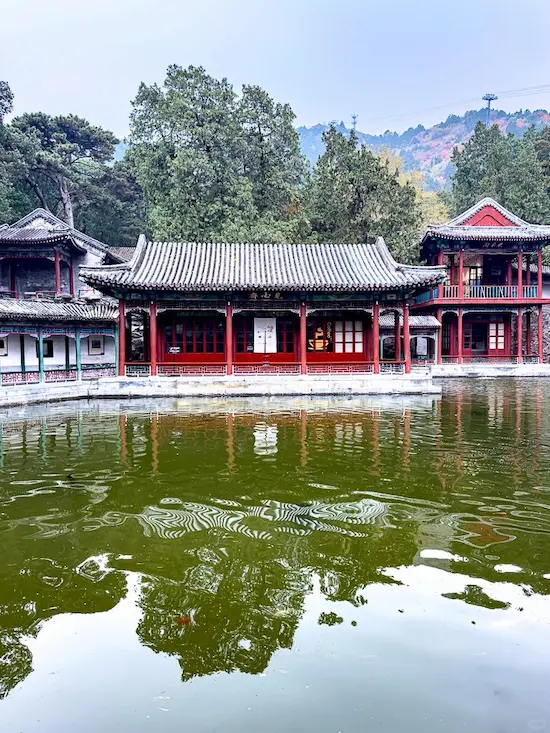
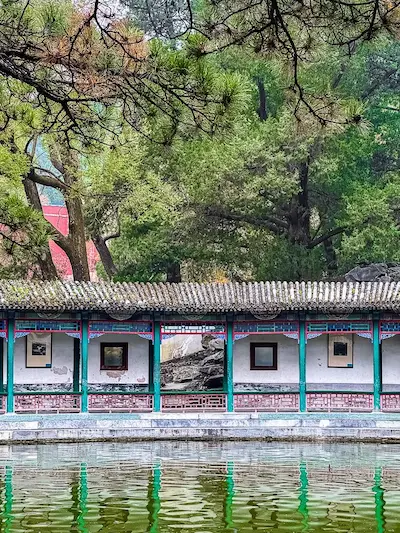
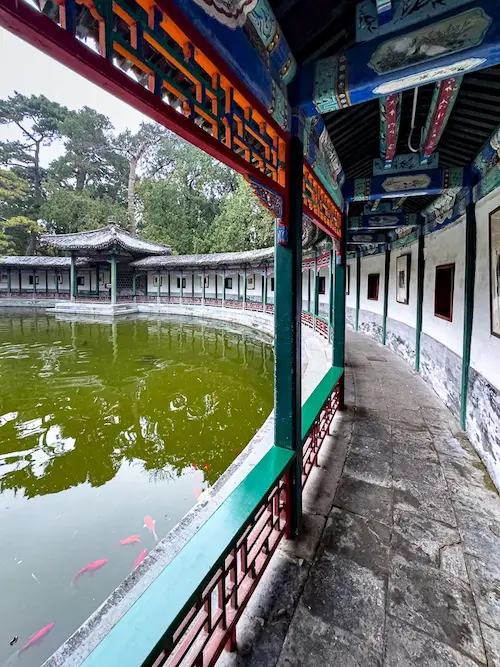
East Gate → Qinzheng Hall → Jingcui Lake → Ancient Tree Exhibition Area → Jianxin Studio.
The entire route features gentle slopes, with mostly flat terrain and mild inclines, and is dotted with benches for resting along the way. You can bring your children to identify different tree species and observe the changing colors of the autumn leaves. If you get tired, feel free to stop and rest at any time; then, based on how you’re feeling, decide whether to continue upward.
⚠Note: The park discourages feeding the fish in the lake without authorization; please do not bring your own fish food to feed them.
4. An Easy Route to the Summit: What if you don’t want to hike the entire way?
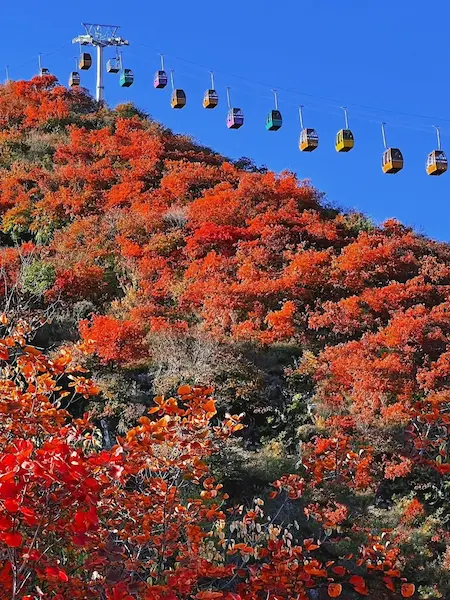
North Gate → Eyeglass Lake → [⚠️ Be sure to check the operating status of the cable car/chairlift before you go—there may be annual upgrades or seasonal suspensions] → Xianglu Peak.
The Xiangshan Chairlift is an open-air ride that takes about 18 minutes and offers unique aerial views. The chairlift is frequently suspended due to equipment maintenance or upgrades, so never assume it will be available—be sure to check official announcements before your trip. For the descent, you can choose to walk or take the chairlift (if open).
How much time should I set aside for a visit to Xiangshan?
- 2 hours: A quick tour of the main attractions without climbing to the summit, just a stroll.
- 3–4 hours: A first-time full tour covering the main trail; if you have the stamina, you can climb to the summit of Xianglu Peak.
- Half a day or more: An in-depth hike that includes visits to Xiangshan Temple, Biyun Temple, Shuangqing Villa, and other historical sites.
10 Things You Really Need to Know Before Visiting Xiangshan for the First Time
1. Xiangshan is not your typical urban park on flat ground; it’s a mountain park with a steady climb, so don’t underestimate how physically demanding it can be.
2. During the fall foliage season, don’t just rely on fixed dates—check the official foliage color progress before you go.
3. Crowds are heaviest in the mornings on weekends and holidays; if you want a quiet spot to take photos, try to enter the park early.
4. Mountain trails are slippery after rain, so be sure to wear non-slip shoes.
5. Climbing to the summit of Xianglu Peak is not a must-do; viewing the fall foliage and reaching the summit are two separate experiences.
6. If traveling with elderly family members, don’t blindly follow online guides for reaching the summit; prioritize gentle, flat routes instead.
7. Chairlifts may be suspended for maintenance; check official operating notices before your visit.
8. If you plan to visit Biyun Temple, set aside separate time for it, as it is not part of the park’s main loop.
9. During the fire prevention period, strictly follow forest fire safety regulations and do not carry open flames.
10. Xiangshan is located in the western suburbs, and the round trip from the city center takes a long time; try not to cram it into the same day as multiple attractions in the city center.
Recommended supplies: Each person should carry 1–1.5 liters of drinking water, as well as portable energy snacks like chocolate and nuts. Hiking is physically demanding, and prices at mountain supply points tend to be high, so bringing your own supplies will enhance your experience.
Dining Tips: The light meals available in the park’s pine forests are intended only as a last resort. We recommend waiting until after your hike to enjoy a full meal in the area surrounding Xiangshan; there’s no need to plan your main meal inside the park.
Photography Tips: Between 6:00 and 8:00 a.m., the park is less crowded, and the light is soft. The red walls of the Qinzheng Hall, the mountain scenery around Cuiwei Pavilion, and the distant view of Xianglu Peak are all excellent photo spots.
Seasonal Highlights: Xiangshan is beautiful year-round, not just in the fall. In spring, you can admire the flowers; in summer, it’s a great place to escape the heat; and in winter, the “Clear Snow on the Western Hills” after a snowfall is one of the famous Eight Scenic Views of Yanjing.
Bookmark Edition | Xiangshan Express Travel Card (Perfect for screenshotting and sharing with travel companions)
✅ Recommended duration for first-time visitors: 3–4 hours
Top spots for autumn foliage: Qinzheng Hall, Jingcui Lake, Cuiwei Pavilion, Xiangwuku, and Yanjing Lake
⛰️ Xianglu Peak: Decide whether to summit based on your fitness level and weather conditions—there’s no need to push yourself just to “check it off the list”
History buffs: Xiangshan Temple + Biyun Temple + Shuangqing Villa
⚠️ Important Reminder: Check the [autumn foliage coloration rate] and [cable car operating status] before heading out
Transportation: Take Metro Line 10 to Bagou Station, then transfer to the West Suburb Line to reach Xiangshan Station
Gear: Comfortable, non-slip hiking shoes
Supplies: Bring your own drinking water and portable energy snacks
If this is your first visit to Xiangshan, here’s how I’d plan your itinerary
- Fall Foliage Edition: Enter through the East Gate in the morning → Qinzheng Hall → Jingcui Lake → Cuiwei Pavilion; depending on how you feel, decide whether to continue hiking up to Xianglu Peak.
- For Those Who Don’t Like Hiking: Focus on the fall foliage spots in the Sun Yat-sen Area and the ancient imperial architecture; skip the summit.
- For History Buffs: The main Xiangshan Park area + Xiangshan Temple + Biyun Temple; if you have time, visit the Shuangqing Villa as well.
- For Families with Seniors and Children: Stick to gentle, flat paths; skip the summit hike and simply enjoy a stroll through the woods.
- If You’re Short on Time (Half a Day Only): Don’t try to do too much—choose one theme and focus on exploring that thoroughly.
Xiangshan Park is a treasure trove blending natural beauty with historical culture. With proper planning of your route and schedule, whether you seek an exhilarating hike or a peaceful cultural stroll, you can find a wonderful experience tailored just for you here.