Exploring Beijing’s Hutongs: The Historical Evolution of the South Bank of Houhai and a Tour of Zhang Boju’s Former Residence
In Beijing’s Shichahai district, there is an ancient alley known as “Houhai Nan’yan.” Running east to west with a slight northward incline, it begins at Yindingqiao Hutong in the east and ends at Liuyin Street in the west, with a total length of approximately 230 meters.
Because it borders Houhai to the north, people during the Qing Dynasty simply called it “Heyan” (Riverbank). After 1911, it was renamed “Houhai Nanheyan.”
In 1965, the nearby Li Guangqiao Dongjie and Sihe Xiang were merged into it, and the alley acquired the name we know today—Houhai Nan’yan.
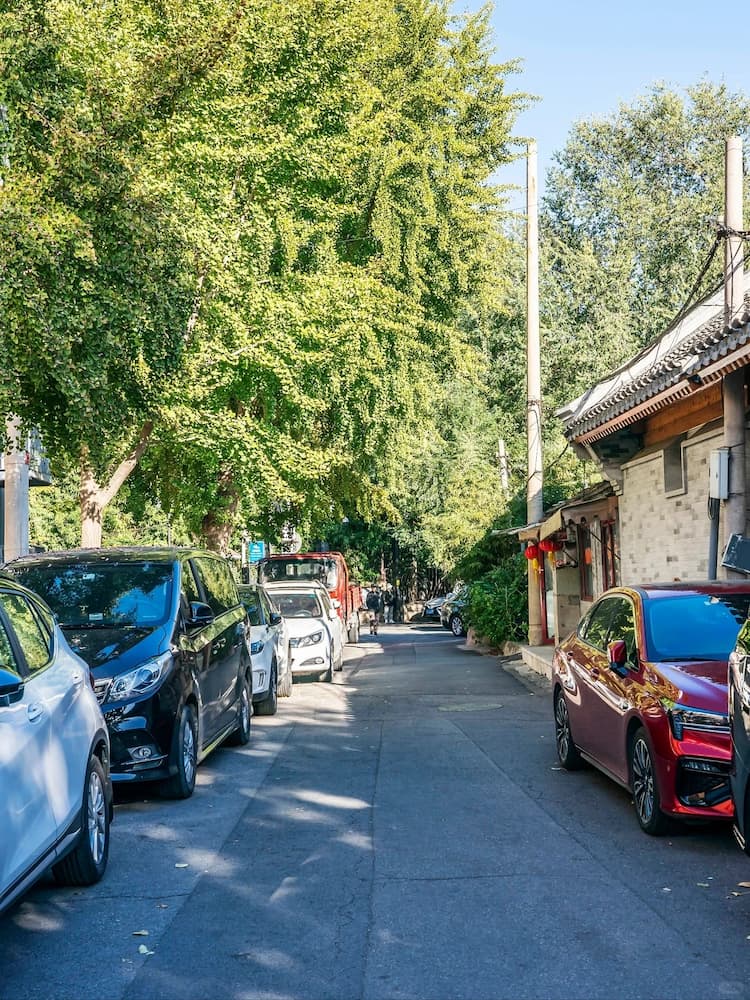
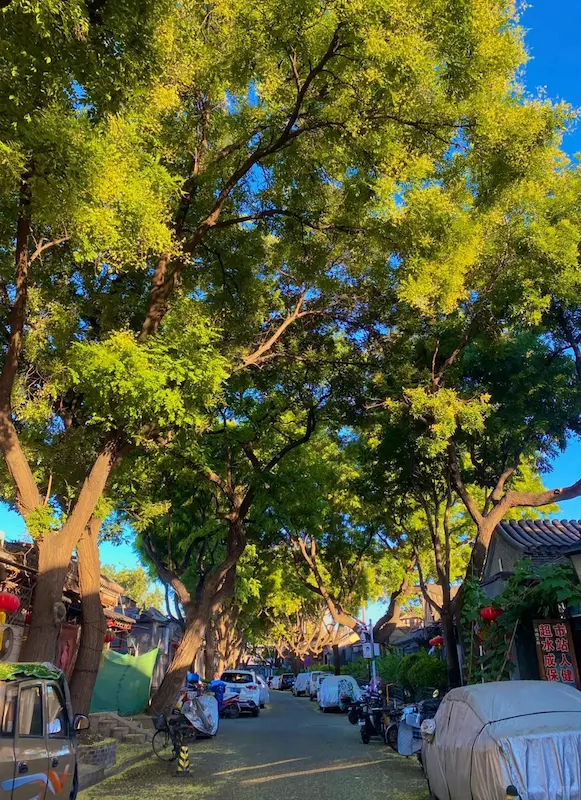
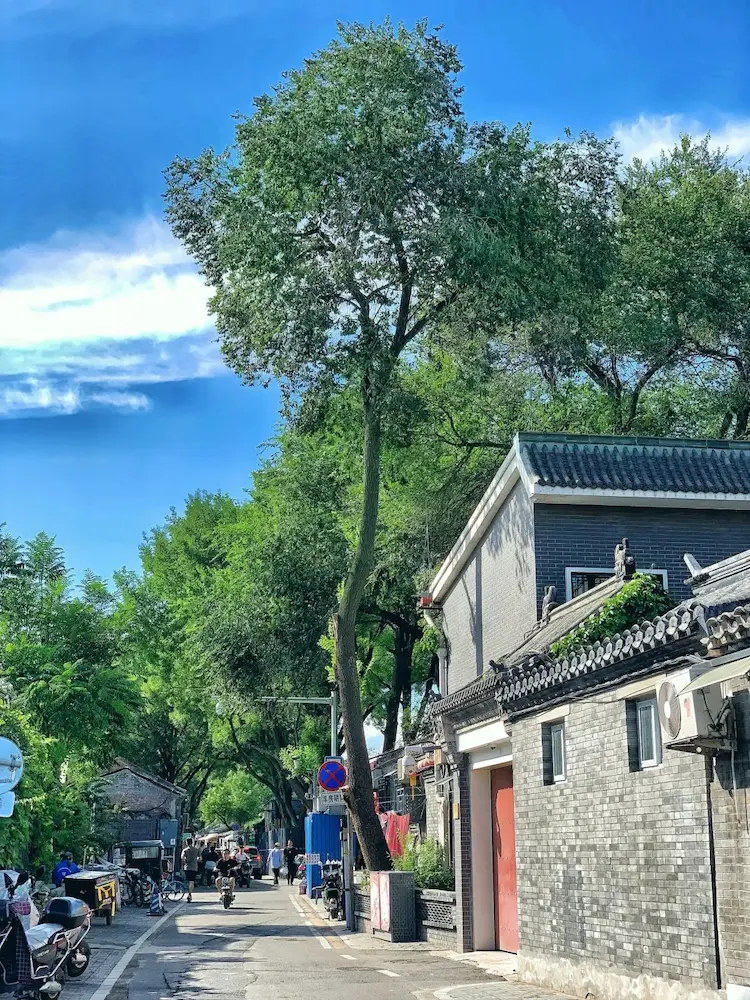
When you set out from Yindingqiao and stroll along Houhai Nan’yan, you’ll experience a fascinating blend: on one side, modern, trendy life; on the other, a rich heritage of history and culture.
Quick Guide
- Highlights: Zhang Boju and Pan Su’s Former Residence, Fengtai An Temple Ruins, Houhai Lakeside Walkway, Day and Night Atmospheres
- Location: South bank of Houhai, Shichahai; bordered by Yindin Bridge to the east and Liuyin Street to the west
- Recommended visit duration: 20–30 minutes
- Keywords: Waterfront Old Street, Stories of National Treasures, Blending Past and Present, Tranquility Amidst the Bustle
- Best Experiences: Morning street life, sunset over the lake in the evening, and reflections of city lights at night
The Smoothest Way to Explore | Copy This Route
- Subway: Exit A2 at Shichahai Station (Line 8) → Yinding Bridge → South Bank of Houhai (head west)
- Recommended Route: Yinding Bridge → South Bank of Houhai → Zhang Boju’s Former Residence → Fengtai Temple → Liuyin Street
- Tip: The area has many bars and is brightly lit at night; it’s quietest and best for photography before 8 a.m.
1. A Legend Deep in the Bamboo Grove: The Former Residence of Zhang Boju and Pan Su
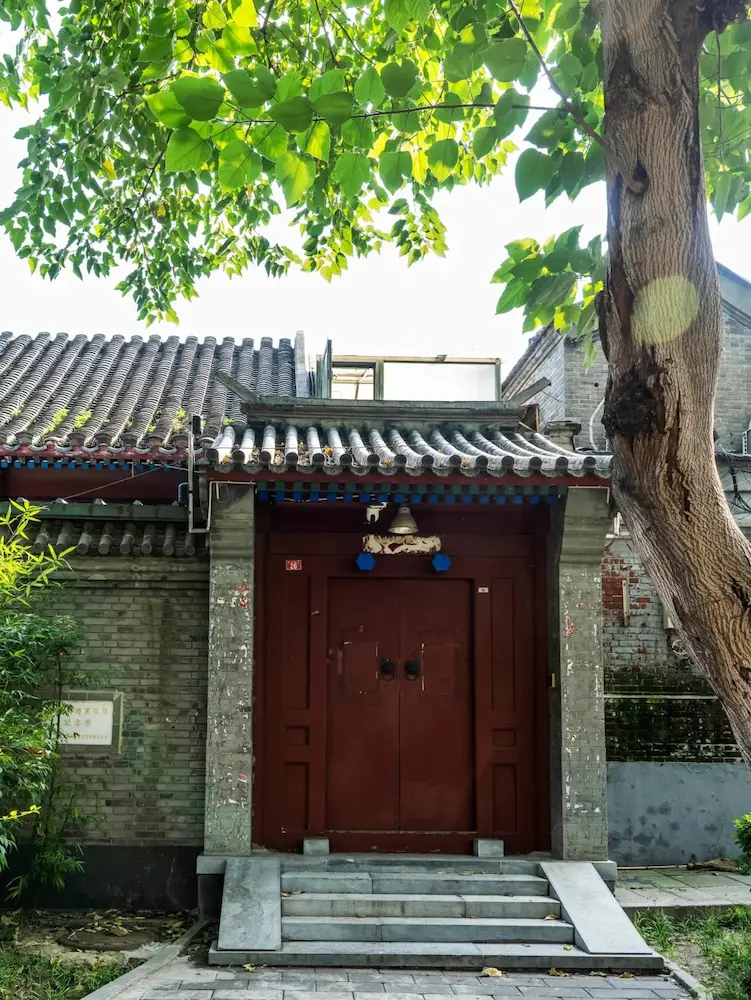
After passing through a row of closely packed bars, a tranquil bamboo grove suddenly comes into view.
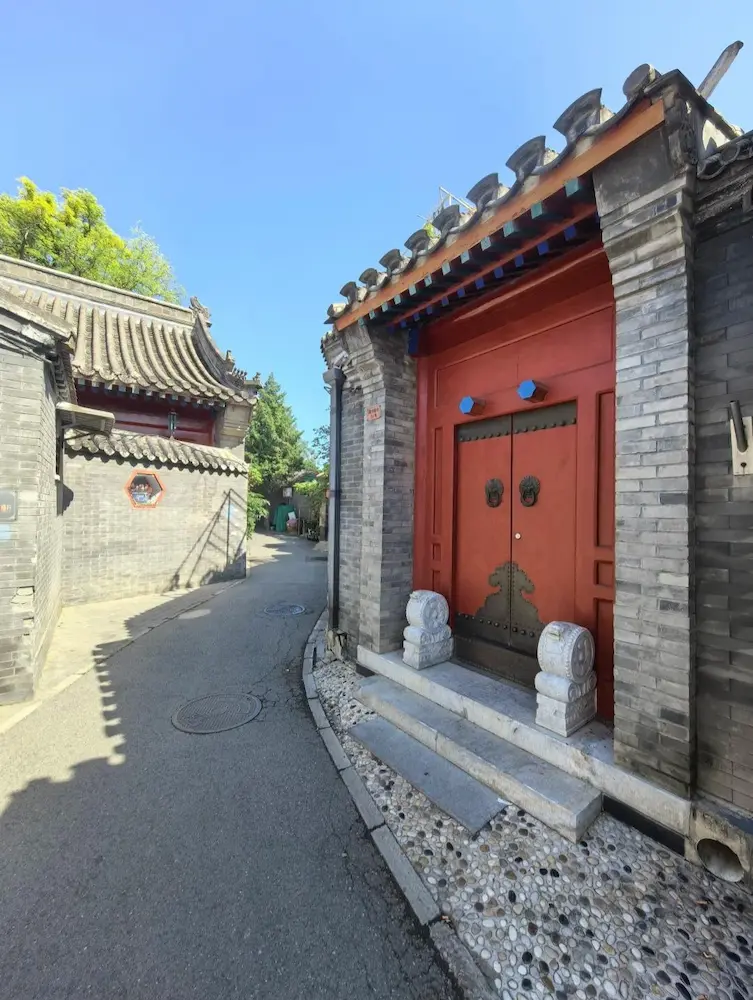
Hidden within the grove is a red-lacquered gate bearing a sign that reads “Zhang Boju and Pan Su Former Residence Memorial Hall”—this is No. 26, South Houguan Road.
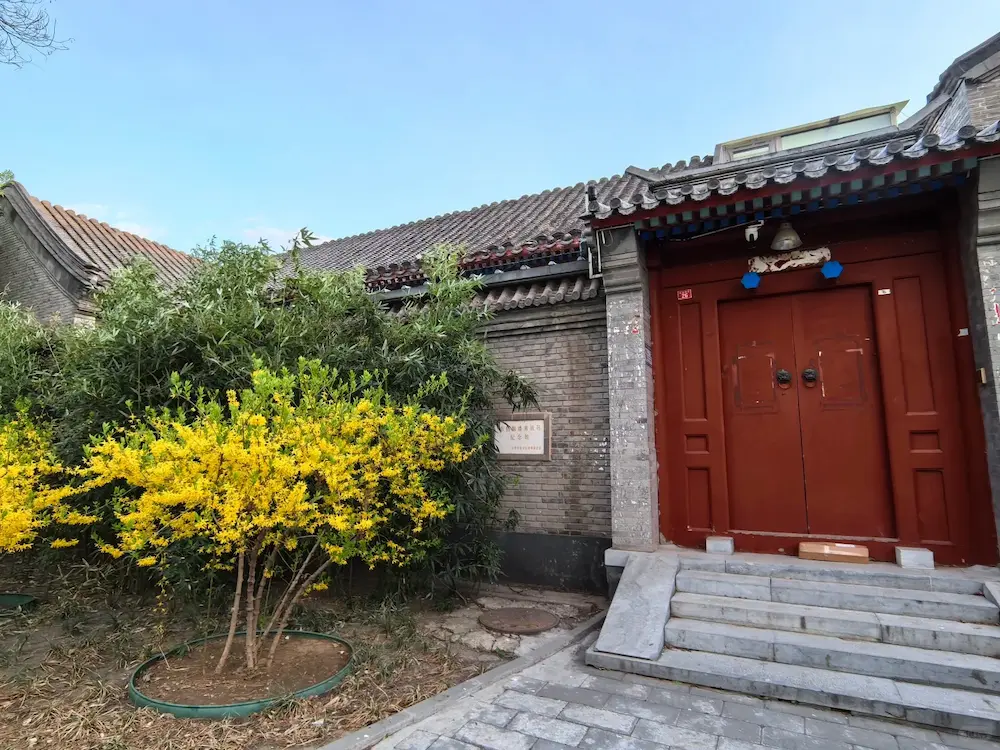
Unfortunately, the memorial hall is currently closed to the public, but judging by the size of the grounds, the courtyard still conveys a sense of its former grandeur and scale.
2. One of the“Four Gentlemen of the Republic”: A Guardian of National Treasures Who Sacrificed His Entire Fortune
Many young people today may not be familiar with Zhang Boju. He was a renowned collector, painter, calligrapher, and poet in modern Chinese history. His father was a highly influential figure of his time, having served as Governor of Henan and later founded the China Salt Bank.
Zhang Boju himself, along with Zhang Xueliang and others, was known as one of the “Four Gentlemen of the Republic of China”—a term referring to four exceptionally famous, talented, and wealthy young men of the era.
He was well-versed in nearly all traditional arts and culture, including poetry, calligraphy, painting, and the guqin.
Zhang Boju’s wife, Pan Su, was also a renowned landscape painter. She initially studied flower-and-bird painting but later specialized in landscape painting. The couple shared a common artistic vision.
3. Spending a Fortune to Save National Treasures: The Rescue of the Pingfu Scroll and the Spring Outing
The most admirable feat of Zhang Boju’s life was his willingness to spend vast sums of money—even going so far as to sell his family estate—to acquire precious ancient Chinese paintings and calligraphy that were on the verge of being lost overseas.
Ultimately, he donated all these priceless treasures to the nation without compensation, and many of them have since become premier collections of the Palace Museum.
For instance, he spent 40,000 silver dollars to purchase the Pingfu Post from Pu Ru, a descendant of the Prince Gong. This handwritten work by Lu Ji, a literary figure of the Western Jin Dynasty, is the oldest extant authentic calligraphy by a renowned figure in China.
A Japanese buyer once offered 300,000 silver dollars to purchase it, but he firmly refused. To prevent the national treasure The Spring Outing from leaving the country, he reluctantly sold a mansion he had previously acquired—which had originally belonged to the Qing dynasty eunuch Li Lianying—and used the 220 taels of gold he received to purchase the painting.
In 1956, Zhang Boju and his wife Pan Su donated many precious paintings and calligraphy works they had treasured for decades to the nation, including the Pingfu Postscript and the Spring Outing painting.
Later, they gradually donated many other items from their collection, such as the Poem for Zhang Hao-hao by the Tang Dynasty poet Du Mu and the Letter to the Venerable Masters by the Song Dynasty calligrapher Huang Tingjian—all of which are extremely important artifacts in the history of Chinese art.
In 1965, Zhang Boju donated his final collection of over 30 ancient paintings and calligraphic works, including The Hundred Flowers, to the Jilin Provincial Museum.
4. Historical Site: The Ruins of Fengtai An and Its Literary Imagery
Continuing further along the alley, No. 36 on the southern bank of Houhai is the site of “Fengtai An.” Fengtai An was one of the “nine nunneries and one temple” in the Shichahai area during historical times, built in the ninth year of the Qianlong reign of the Qing Dynasty (1744). Originally oriented south to north, it featured nineteen halls and rooms.
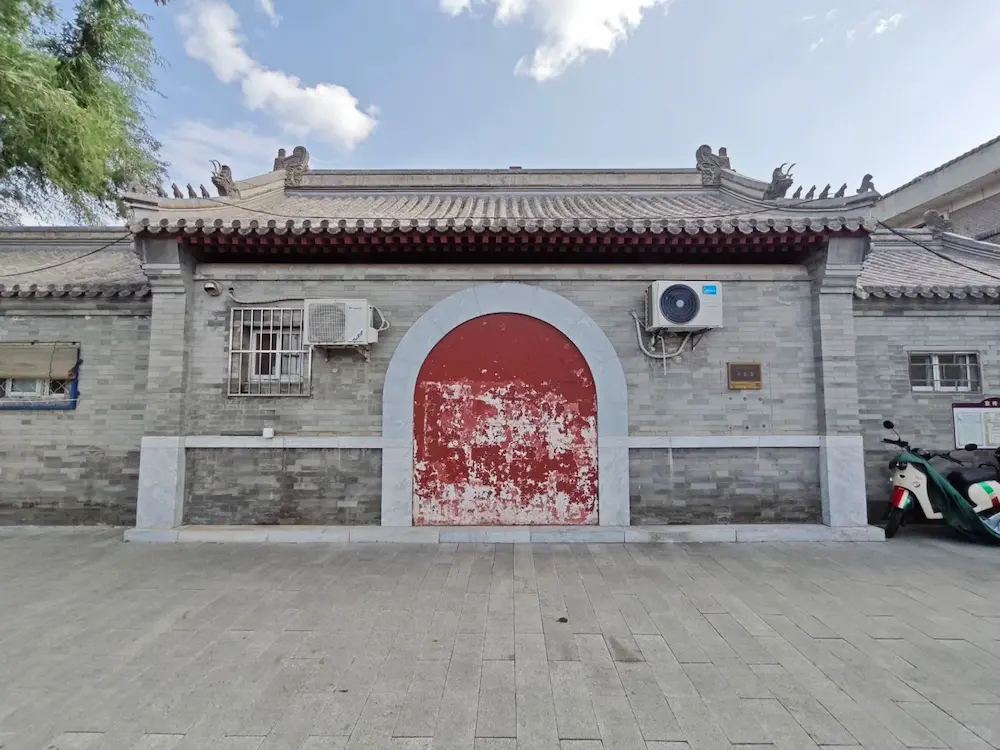
Today, however, the site has been converted into residential housing, with numerous small structures built within the courtyard; only the outer wall still faintly retains traces of its former life as a nunnery. Adjacent to it lies the rear courtyard of the former Qing Dynasty Prince Gong’s villa.
Regarding this area, the writer Wang Bin once penned a historical novel titled Fengtai An. The book narrates history from the perspective of Princess Changping of the Ming Dynasty and fictionalizes a story of her taking vows here, adding a layer of literary legend to the place.
5. A Blend of Past and Present in Daily Life: From the Bustle of Everyday Life to the Neon-Lit Nights
Today, the southern shore of Houhai has been completely transformed after years of planning and development. A large area near Houhai has been turned into a spacious green park, where “water meets hills, and weeping willows gently brush the shore,” making it a wonderful place to relax and unwind.
Ancient residential courtyards, historic princely mansions, and the former homes of famous figures collectively create the area’s unique Beijing charm and historical ambiance. Along the shore, charming dessert shops have sprung up, complete with lounge chairs for visitors to rest.
During the day, you can listen to birdsong, watch wild ducks frolicking on the water, and hear the occasional sounds of elderly residents playing chess or chatting in the distance…
Morning Street Life:
At dawn, the shadows of weeping willows gently sway among the blue-brick and gray-tile courtyards, while dew glistens on the stone railings along the riverbank. The bars, bustling during the day, now appear quiet and serene.
At this hour, wisps of cooking smoke rise from the courtyards in the hutongs, marking the beginning of a day filled with the rhythms of daily life.
A Neon Dreamscape at Night:
As night falls, the bars’ LED lights flicker across the glass like a river, and neon lights cast a reddish glow on the water’s surface. Meanwhile, the courtyard houses hidden behind the bars, sheltered by towering ancient trees, quietly slip into slumber.
Houwai South Lane is a hutong that perfectly blends the ancient with the modern. It possesses both a quiet, leisurely side and a lively, vibrant one, quietly narrating the ever-changing story of Beijing.
Hidden Gems: The Most Captivating Moments Along the South Shore of Houhai
I never come here just to check off a destination; I’m drawn to the subtle beauty that others overlook:
- Early morning: A light mist hovers over the lake as elderly residents walk their birds and play chess along the shore. The bars haven’t woken up yet, and the entire street is as quiet as an ink-wash painting
- Dusk: The setting sun bathes the water, weeping willows brush the shore, and the play of light and shadow along the lakeside path is so gentle you won’t want to leave
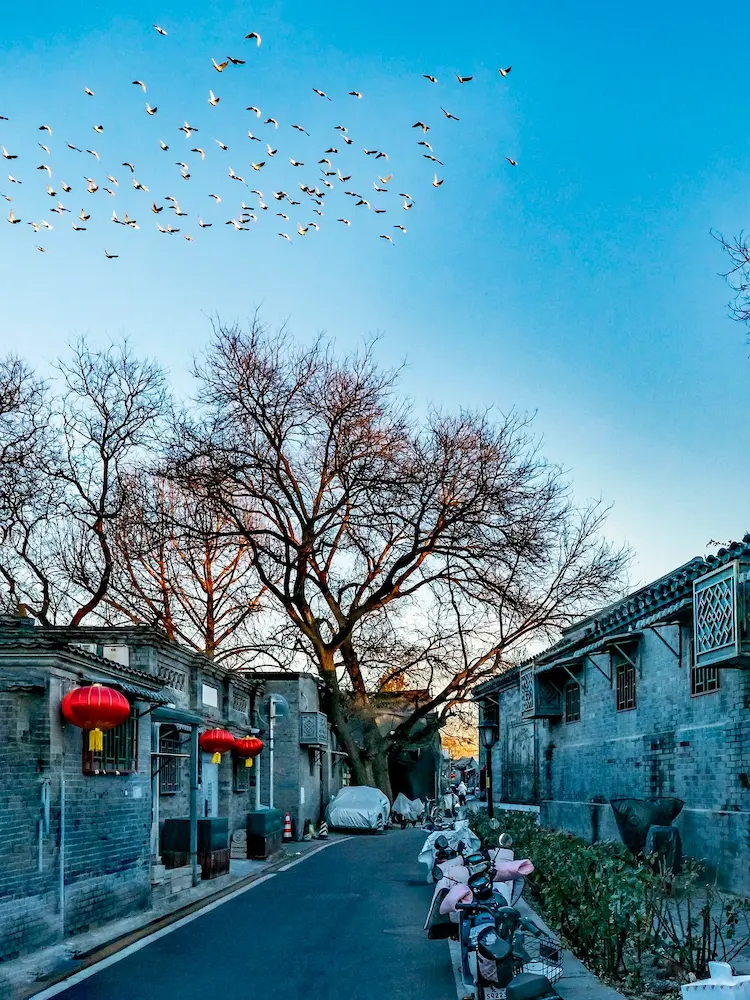
- Night: Bar neon lights reflect in the lake, ancient trees cast dancing shadows, and the red gates of historic residences stand particularly serene amidst the glow
- The best part is how close it all is: the bustle of the bars and the tranquility of the historic homes are separated by just a wall and a grove of bamboo