Beijing’s Zhengjue Hutong: The Little-Known Site of a Ming Dynasty Ancient Temple
Beijing is home to numerous old hutongs whose names hold hidden stories. Today, we take you on a tour of a quiet lane—Zhengjue Hutong—and tell the tale of an ancient Ming Dynasty temple that once stood here.
Table of Contents
Quick Guide
- Highlights: Ruins of Zhengjue Temple (Courtyard No. 9), a plaque inscribed by Emperor Xianzong of the Ming Dynasty, the temple’s three-courtyard layout, and the story of a Ming Dynasty eunuch who donated his residence to build the temple
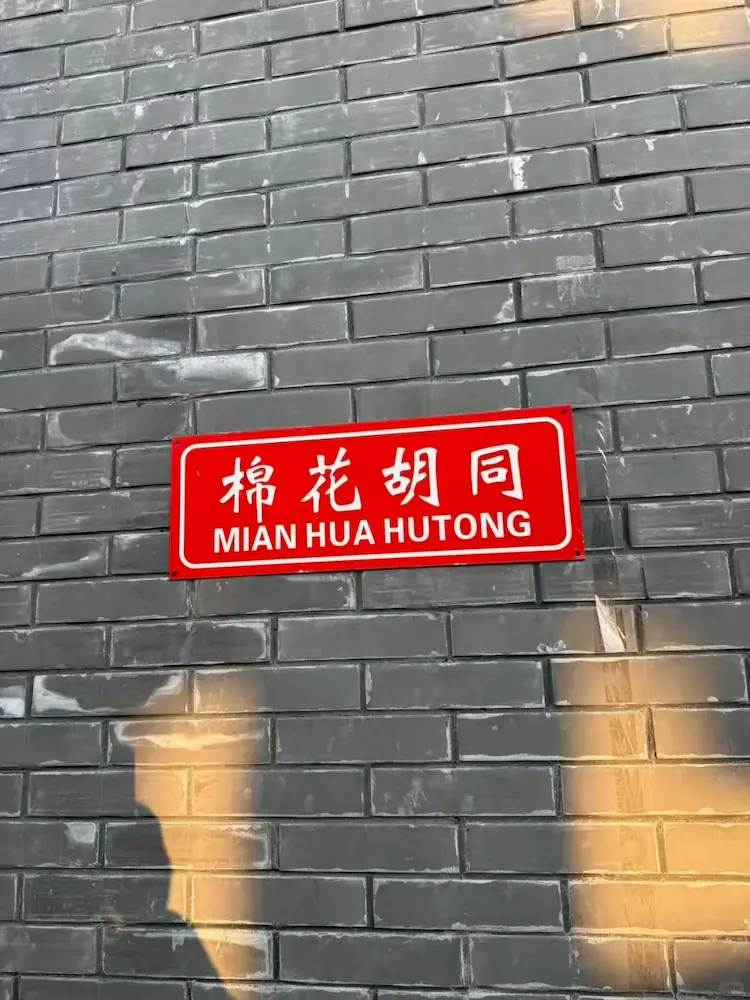
- Location: Near Huguosi Temple in Xicheng District, bordering Mianhua Hutong to the east and Xinjiekou South Street to the west
- Recommended visit duration: 15–20 minutes
- Keywords: Ancient Ming Dynasty temple, vanished Zen monastery, hidden gem in the hutongs, sense of history and archaeology
- Best Itinerary: Mianhua Hutong → Zhengjue Hutong → Site of Temple No. 9 → Huguosi Street—a unique, off-the-beaten-path route
Easiest Way to Get There | Copy This Walking Route
- Subway: Take Line 4 or 6 to Ping’anli Station, Exit B, then walk 4 minutes
- Recommended Route: Huguosi Snack Street → Mianhua Hutong → Zhengjue Hutong → Site of No. 9 Zhengjue Temple
- Quick Tip: The hutongs are residential areas—please walk quietly, avoid loud noises, and do not trespass on private property
Where is Zhengjue Hutong?
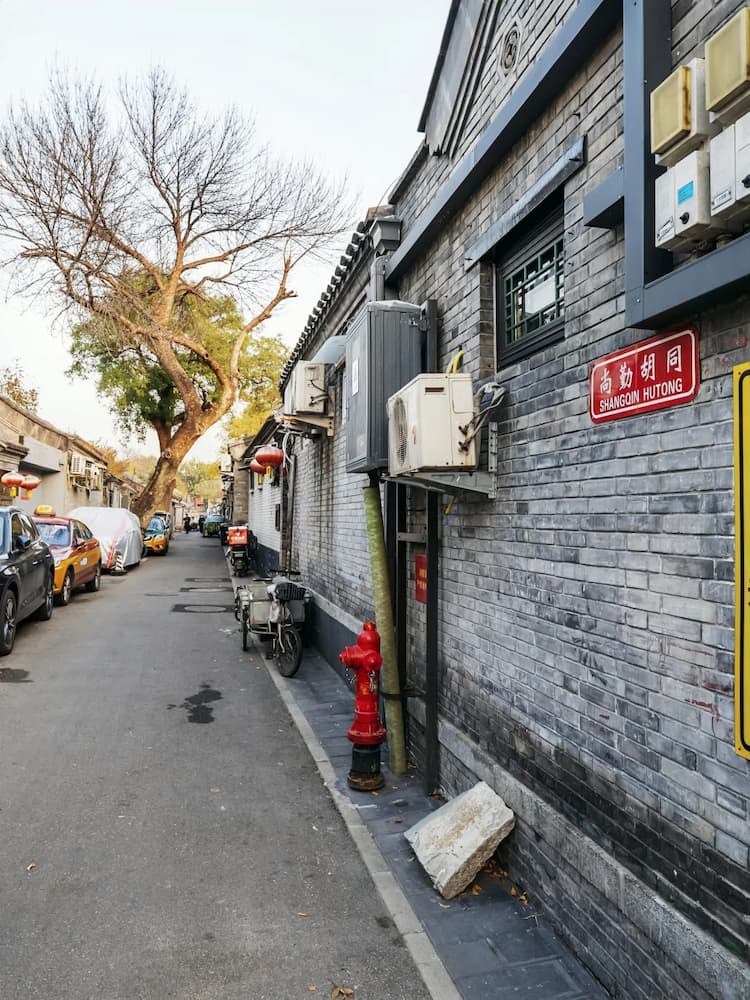
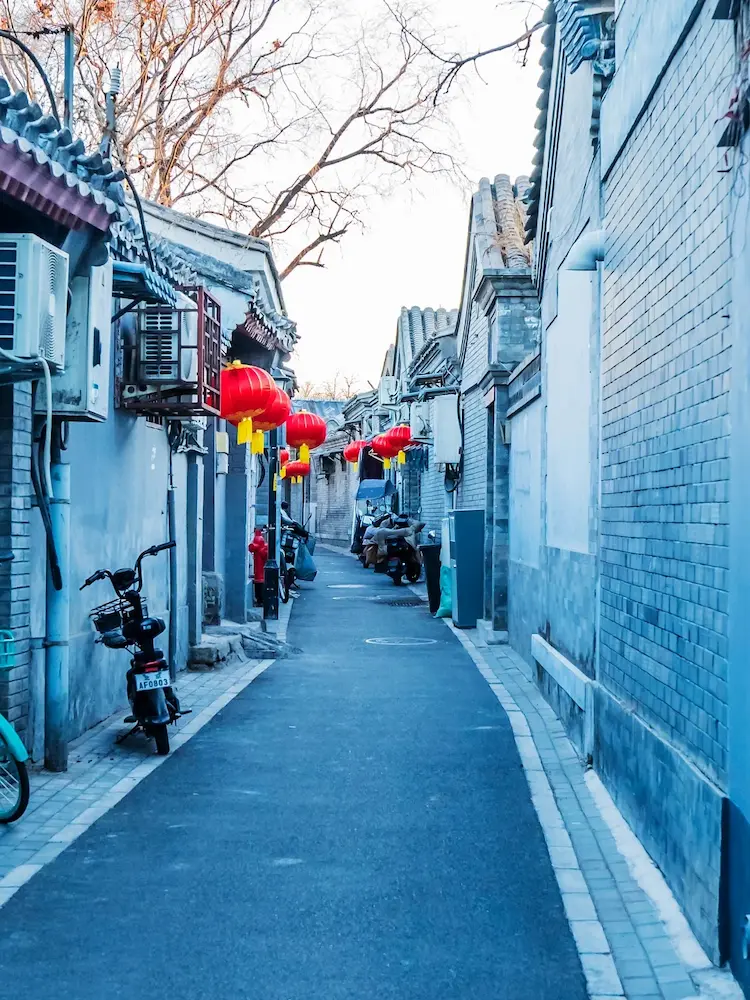
Zhengjue Hutong is located in Xicheng District, Beijing. Running east to west, it connects Mianhua Hutong in the east and South Xinhua Street in the west, stretching approximately 380 meters in total. Every step you take here is on a road with a history of hundreds of years.
The Origin of the Name: Named After a Temple
The hutong derives its name from a temple within its bounds. During the Ming Dynasty, it was known as “Zhengjue Temple Hutong” for the presence of Zhengjue Temple here. In 1965, when Beijing carried out a rectification of place names, the name was simplified to the current “Zhengjue Hutong”.
The Core Story of the Hutong: The Ancient Temple Site at Courtyard No.9
The most noteworthy spot in the hutong is Courtyard No.9, the former site of the once-standing Zhengjue Temple.
The story dates back to the third year of the Chenghua reign in the Ming Dynasty (1467 AD). Back then, Han Liang, a eunuch in the imperial palace, donated his private residence. Later, a benevolent man named Zheng Daoming took the lead in converting this private house into a Buddhist temple.
The temple was completed the following year, and the reigning emperor—Emperor Xianzong of the Ming Dynasty—personally bestowed a name upon it and presented a plaque inscribed with “Zhengjue Chan Temple”.
Imagine its grand scale in those days: it was a large temple facing south, with three connected courtyards stretching from front to back. The Mountain Gate stood at the southernmost end; walking inward, one would pass the Heavenly King Hall, the Mahavira Hall, and the Amitabha Hall in sequence.
In total, the temple had more than 50 halls and chambers. Two stone steles from the Ming Dynasty once stood in the temple—one erected in the fourth year of the Chenghua reign and the other in the first year of the Jiajing reign—recording the process of the temple’s construction and the grand occasion of the Buddhist ceremonies held there at that time.
In 1989, this site was designated a Cultural Relic Protection Unit of Xicheng District.
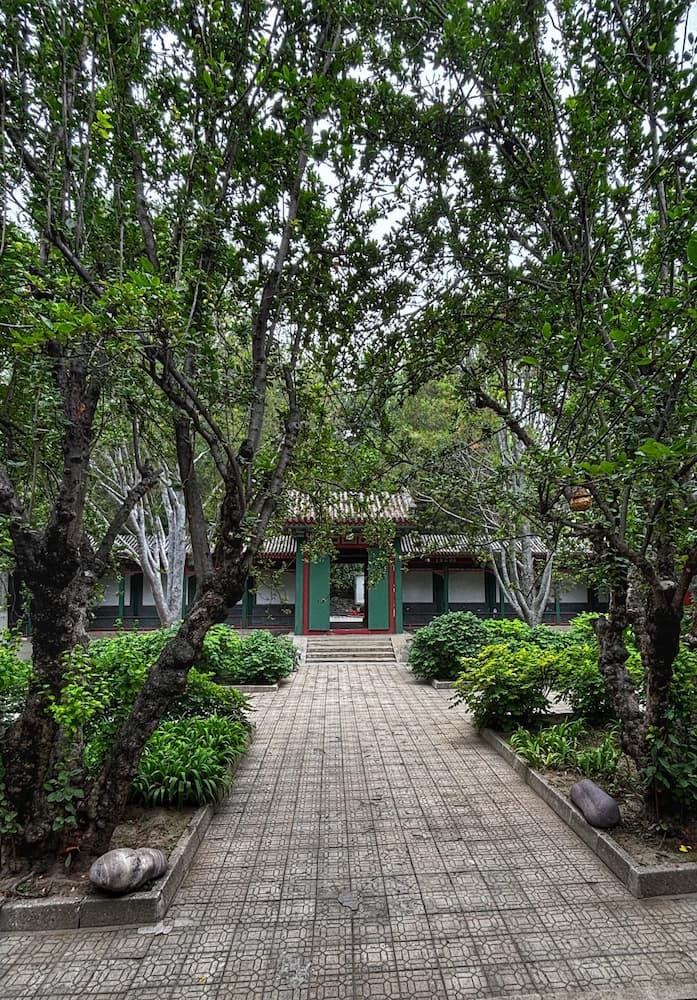
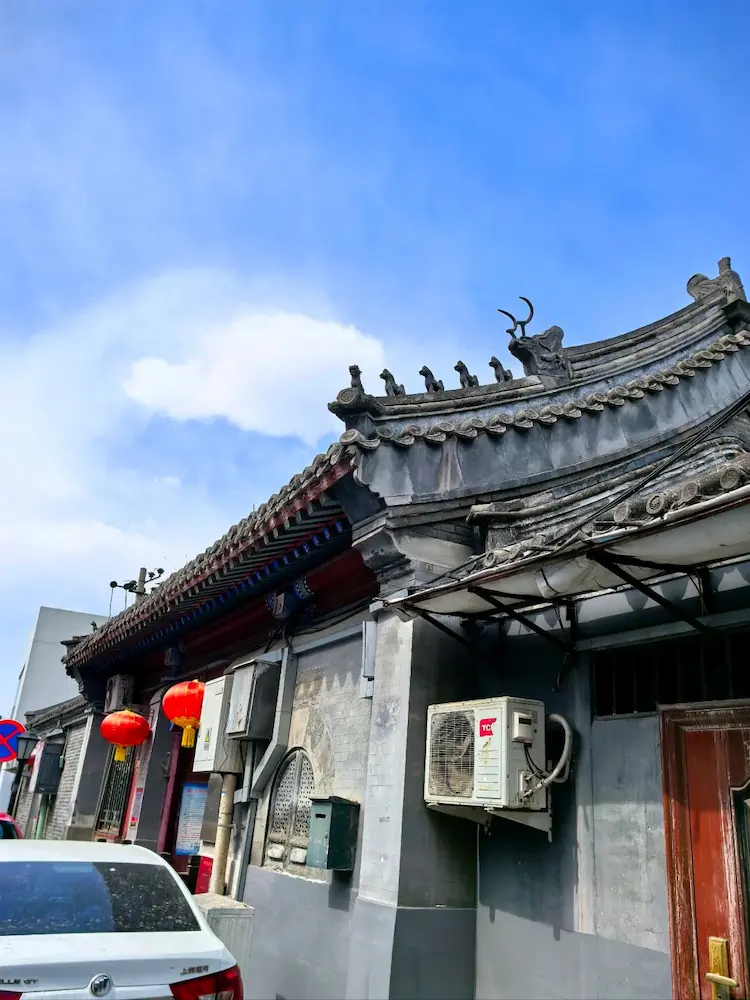
Today, when you step into this courtyard, most of the original temple buildings have either been reconstructed or fallen into disrepair. But if you look closely, the decorative roof tiles and stone carvings of mythical beasts on the ridges of the old houses remain. They lie quietly in their original places, silently witnessing the vicissitudes of hundreds of years.
The Temple’s Later Days: From Private Traditional School to Homestay
Besides Courtyard No.9, several adjacent courtyards also have connections to this ancient temple.
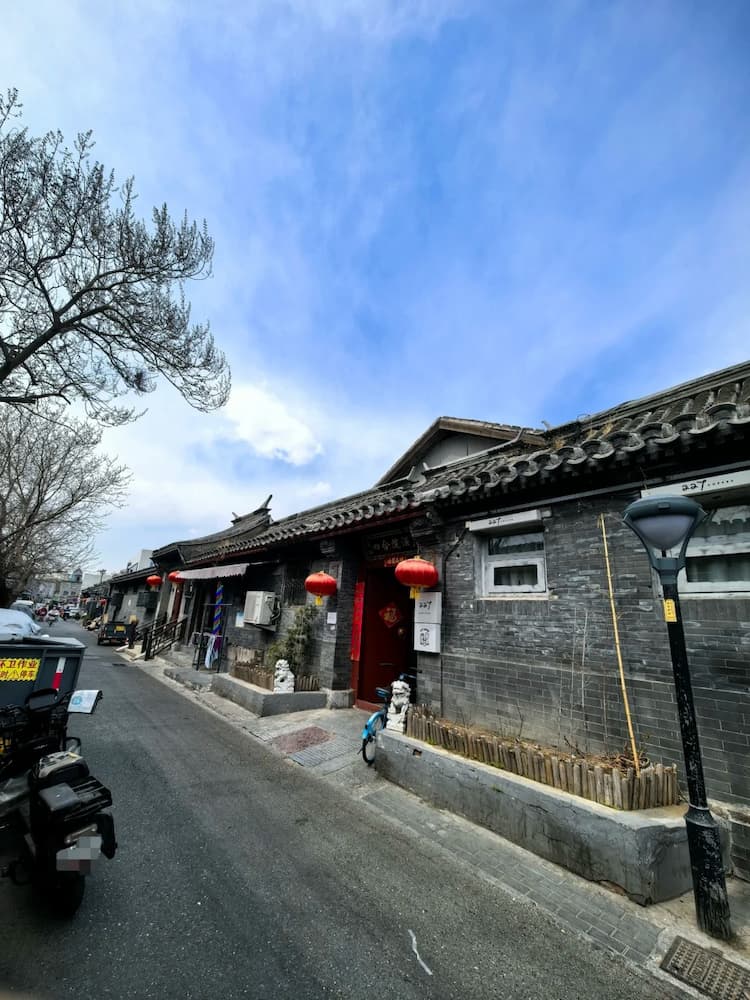
During the Republican period, a private traditional school—an old-style private school—was even run in the temple. Courtyard No.5 in the hutong still retains the typical brick-carved gate piers of the Republican period. As for Courtyard No.3, it has now been transformed into a distinctive homestay. This ancient space continues its life in a new form.
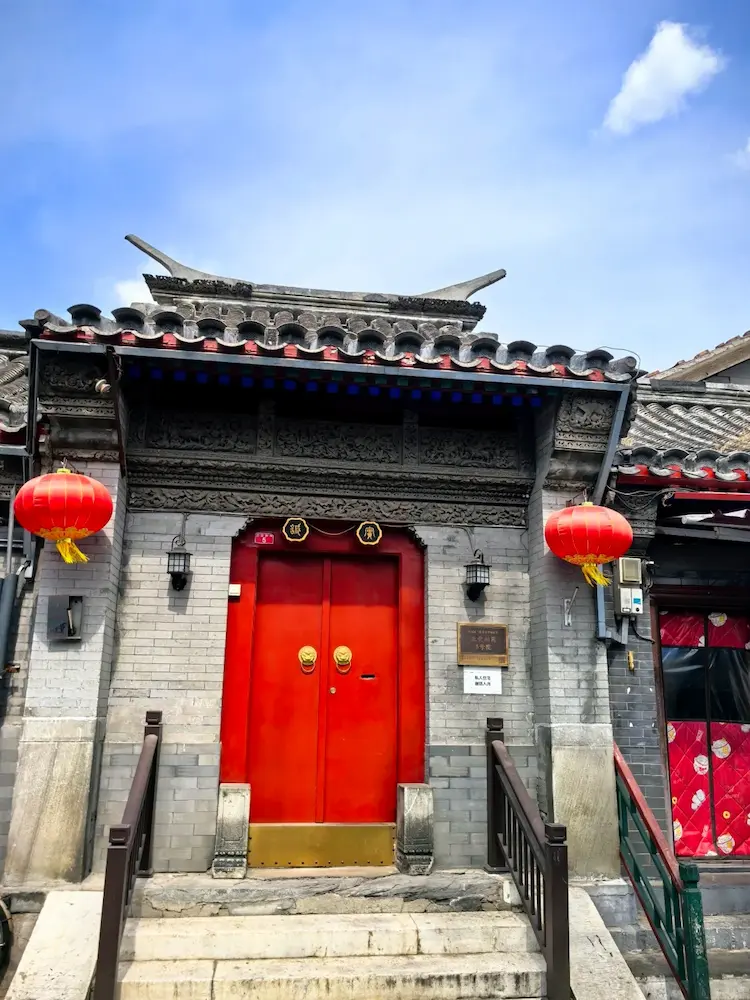
My Hidden Details: The“Traces of an Ancient Temple” That Others Miss
The old tree at the entrance to Courtyard No. 9, with a canopy that blocks out the sky, is clearly a centuries-old tree from the temple grounds.
Occasionally, old bricks, weathered tiles, and decorative animal-shaped finials peek out from the courtyard walls—relics from the Ming Dynasty.
Courtyard No. 5 still preserves a Republican-era brick-carved door pier with exquisite craftsmanship, once part of the temple’s property.
Courtyard No. 3 has been converted into a small guesthouse; the ancient courtyard’s new life gives it a special charm.
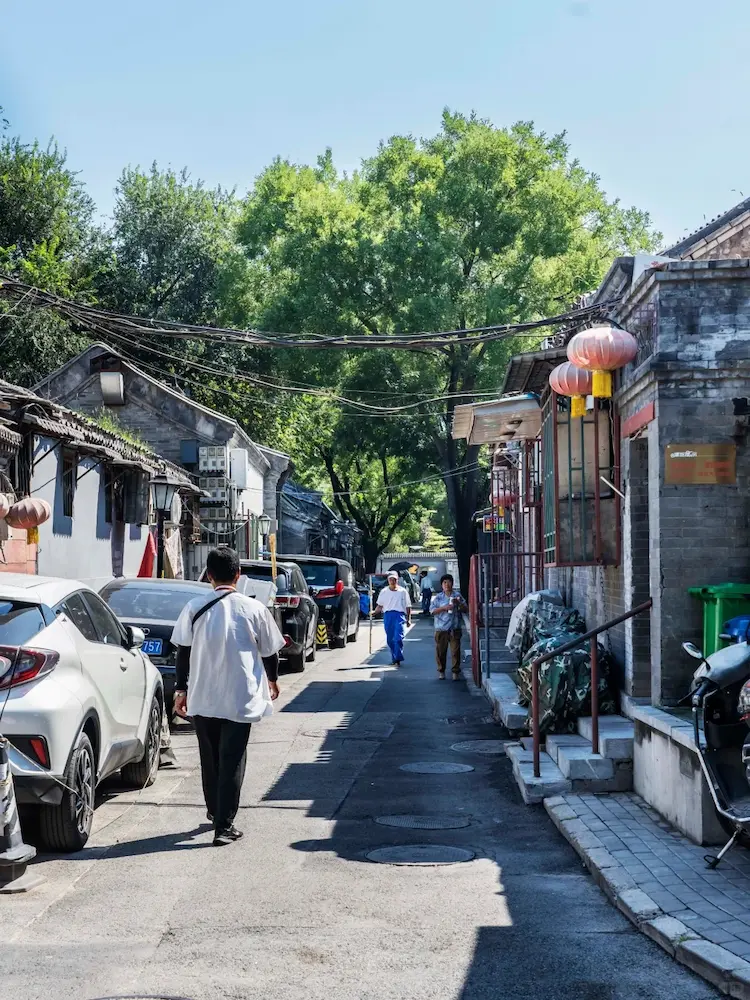
The entire alley is so quiet that all you can hear is the wind and the sound of doors closing—a world apart from the bustling Mianhua Hutong next door.
Every time you walk through Zhengjue Hutong and watch sunlight filtering through the leaves of old trees, casting dappled, swaying shadows on the ground, you cannot help but be drawn to this quiet beauty. These shadows seem to blend seamlessly with the ordinary daily lives of the common families in the hutong.
Frequently Asked Questions
Q: Why is Zhengjue Hutong called “Zhengjue”?
A: It takes its name from the Ming Dynasty’s “Zhengjue Temple,” a name bestowed by Emperor Xianzong of the Ming Dynasty.
Q: Can Zhengjue Temple still be seen today?
A: The temple complex is no longer intact; it is now Courtyard No. 9 in a residential area. Only the layout of the ruins and some surviving architectural elements remain.
Q: Who built this temple?
A: In the third year of the Chenghua reign of the Ming Dynasty, eunuch Han Liang donated his private residence, and Zheng Daoming raised funds for its construction. It is a typical example of a temple donated by a Ming Dynasty eunuch.
Q: What is its connection to Mianhua Hutong?
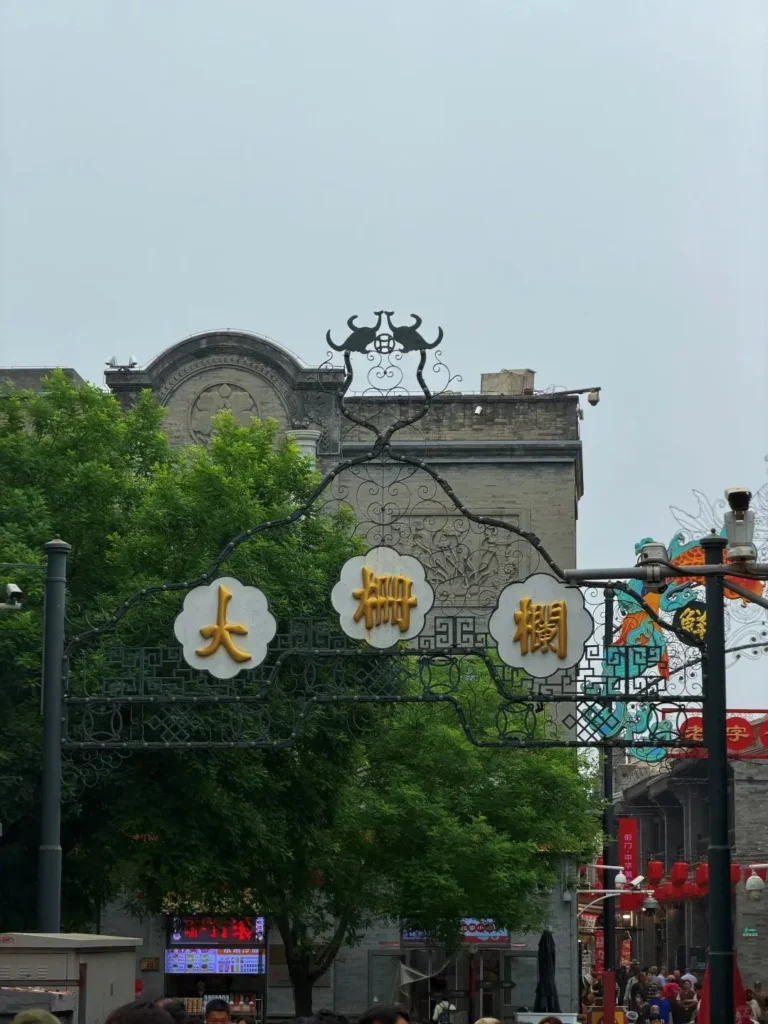
A: The two hutongs are closely connected and can be explored together—one tells the story of a Republic of China general, while the other tells the story of an ancient Ming Dynasty temple.