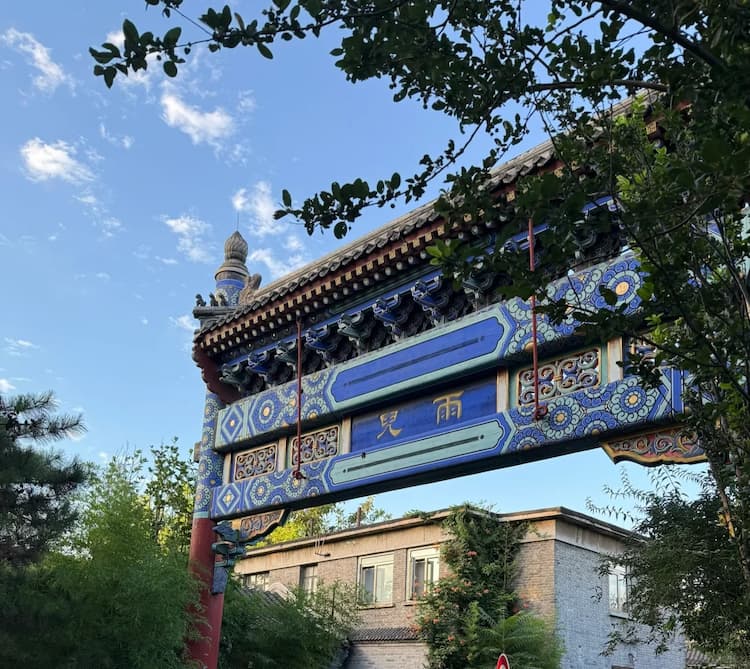
Beijing Mao’er Hutong Guide: Wanrong’s Former Residence, Ke Yuan, and a 1-Hour Historical Hutong City Walk(2026)
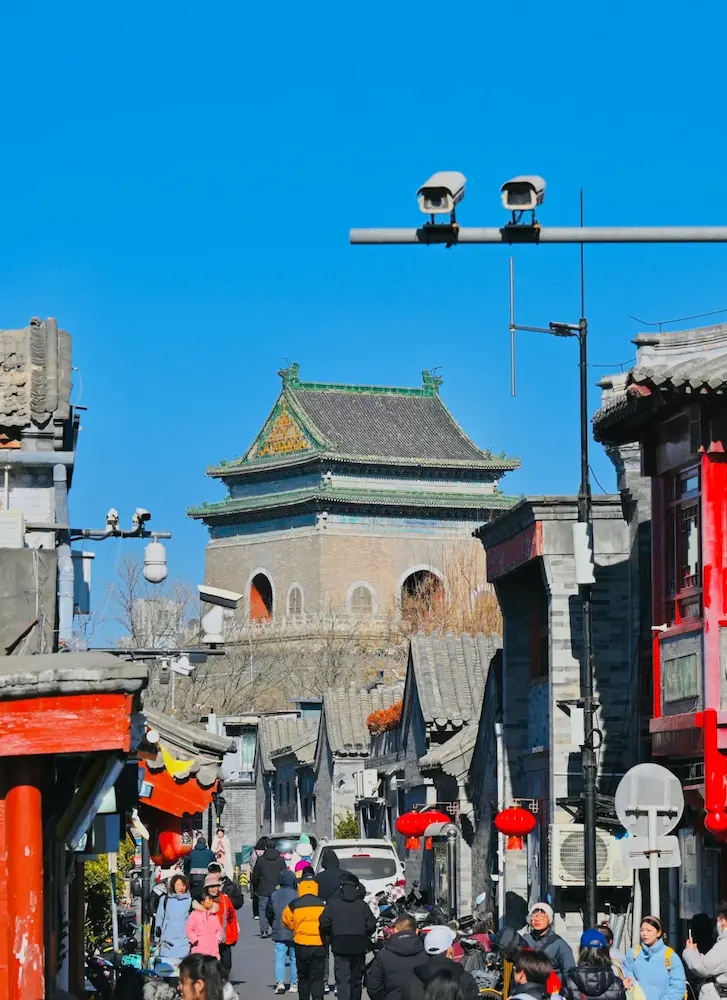
If you’re already in Nanluoguxiang, don’t rush to walk the entire length of the main street and leave. Head west into Mao’er Hutong—it takes less than 10 minutes—and you’ll leave the commercialized tourist district behind to discover a different side of Beijing.
Here, you won’t find a cluster of trendy “internet-famous” shops, but you’ll discover a concentration of well-preserved historic sites, including Ke Yuan, the Former Residence of Feng Guozhang, the Former Residence of Wanrong, and the Ruins of Wenchang Palace.
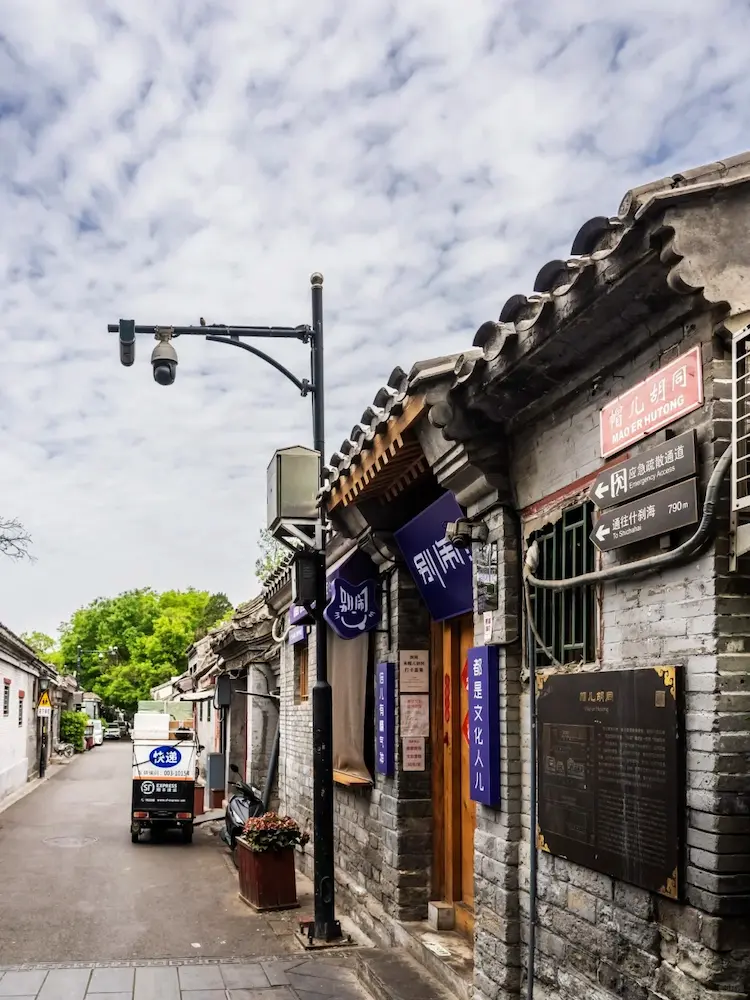
Mao’er Hutong isn’t a tourist attraction where you can visit a large number of sites. Many of the courtyards remain closed to the public today, so the best way to experience it is to stroll along the hutong, learning about the history of these residences while observing the daily life of the old Beijing neighborhood that still thrives here.
If this is your first visit, we recommend setting aside about 30–60 minutes. Start at Nanluoguxiang, walk west along Mao’er Hutong, and exit via Di’anmenwai Street.
Table of Contents
Quick Facts: A Quick Guide to Mao’er Hutong
| Project | Information |
| Location | Stretches from Nanluoguxiang in the east to Dianmenwai Street in the west |
| Walking Time | Approximately 10 minutes to walk from the east entrance to the west entrance; 30–60 minutes are recommended to visit all points of interest |
| Key Attractions | Ke Yuan, Feng Guozhang’s Former Residence, Wanrong’s Former Residence (Niangniangfu), Ruins of Wenchang Palace |
| Admission | The hutong district is free and open all day |
| Courtyard Notes | Most historic courtyards are private residences or organizational premises; visitors may only view them from the outside and are not permitted to enter |
| Ideal For | Hutong enthusiasts, lovers of historic architecture, fans of celebrity stories, and CityWalk enthusiasts |
| Not Recommended For | Visitors hoping to enter a large number of historic buildings for tours and photo opportunities |
The Most Hassle-Free Way to Get There | Blogger-Tested Route (No Detours, No Pitfalls)
①Subway is the top choice (fastest and most reliable)
Line 6 / Line 8: Exit E at Nanluoguxiang Station
After exiting, walk north along the main street of Nanluoguxiang for about 200 meters. Turn into the alley on the west side, and you’ll reach the pedestrian entrance of Mao’er Hutong in 5 minutes. With fewer crowds and a serene atmosphere, you’ll instantly step from the bustling city into the old Beijing of yesteryear.
Line 8: Exit C at Shichahai Station
If you prefer to enter from the West Gate and stroll eastward at a leisurely pace, this route is more comfortable. It takes just 3–5 minutes on foot and lets you avoid the crowds at the East Gate.
②Direct Bus (Ideal for a Stop-by Visit)
- Dianmen East Station: Buses 13, 42, 60, 118, 612, and 701. Get off and walk a few hundred meters to the West Entrance.
- Gulou Street / Gulou South Station: Buses 107, 124, 5, and 82. It’s a 4–10-minute walk, and you can snap a photo of the Drum Tower while you’re there.
③Driving / Taking a Taxi
Driving is not recommended, as the alleys are narrow and there are almost no parking spaces. If taking a taxi, set the destination to “West Entrance of Mao’er Hutong (Di’anmenwai Street)” or get off near Exit E of Nanluoguxiang and walk in.
The Origin of the Name “Mao’er Hutong”
During the Ming Dynasty, Mao’er Hutong was known as “Zitong Temple Wenchang Palace Hutong, ”named after the Wenchang Emperor Temple located here. It wasn’t until the Qing Dynasty that it was renamed “Mao’er Hutong, ”a name that has persisted to this day.
⭐4 Must-See Spots on Your First Visit to Mao’er Hutong
1. Ke Garden: A remnant of a private Qing Dynasty garden. Observe the gate towers and architectural scale to understand the layout of Qing officials’ residences and gardens. Exterior viewing only.
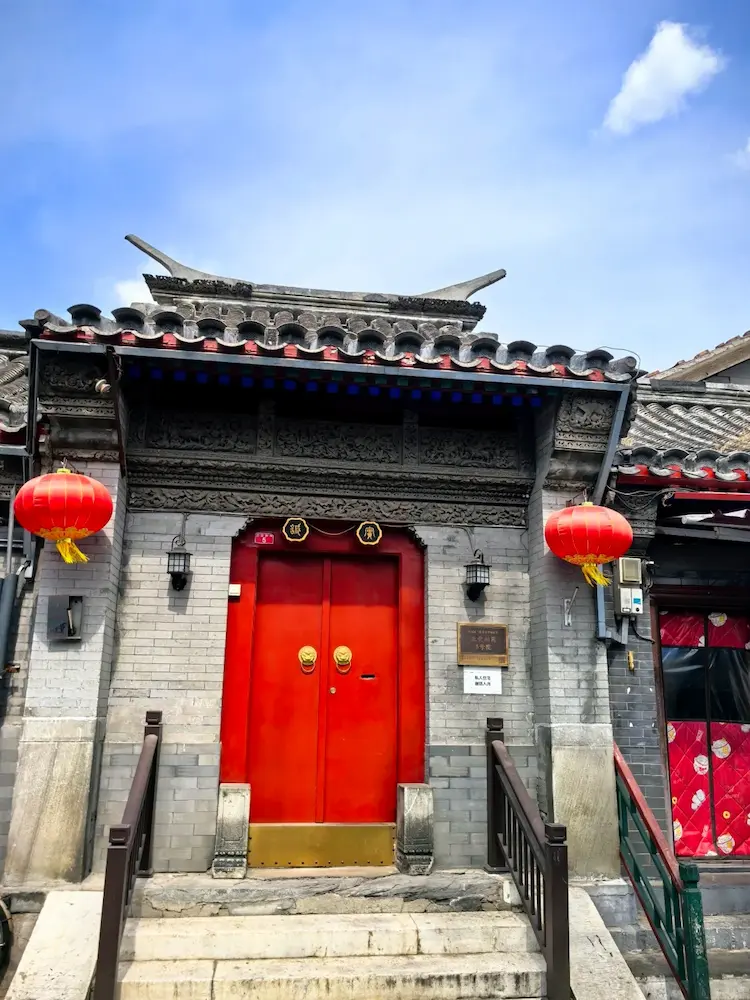
2. Feng Guozhang’s Former Residence: The former home of a historical figure from the Beiyang era. Observe the traditional courtyard gates, mounting stones, and the exterior dimensions of the residence.
3. Wanrong’s Former Residence (Empress Dowager’s Mansion): The residence where Wanrong, the last empress, lived before her marriage. Learn about the expansion history of the Duke of Cheng’en’s mansion; exterior viewing only.
4. Ruins of Wenchang Palace: A Ming Dynasty site often overlooked by tourists. Explore the remnants of the surrounding walls and ancient steles to experience the interplay between history and the modern residential neighborhood.
Keyuan: A Premier Private Garden
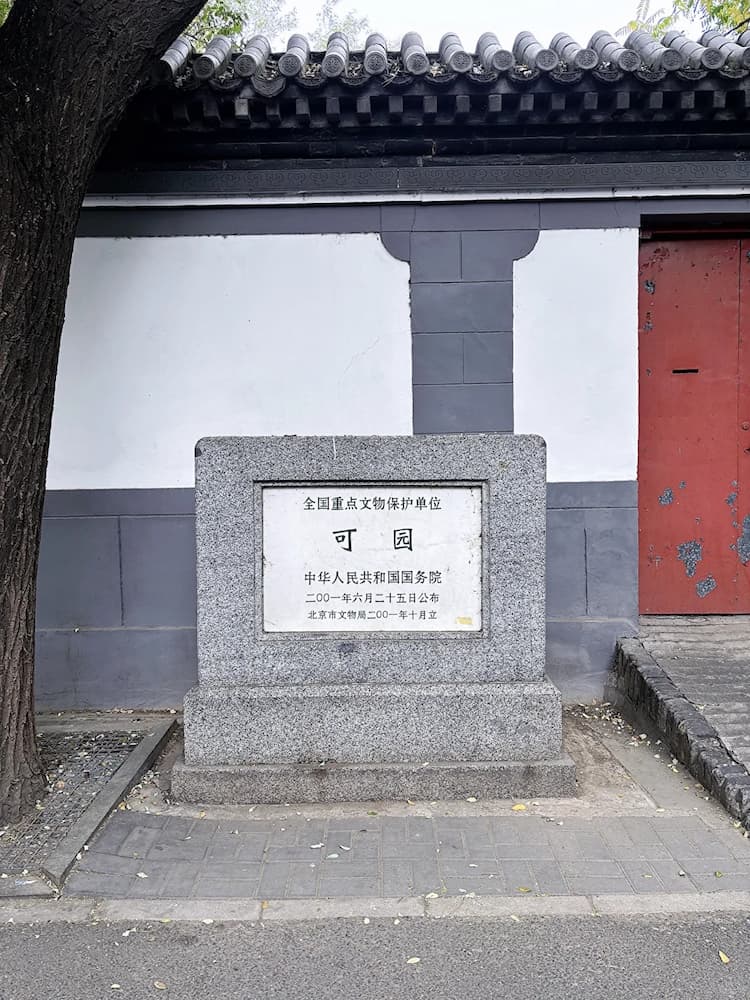
Nos. 7–15 (odd numbers) Mao’er Hutong were originally the residence and garden complex of Wen Yu, a Grand Secretary during the late Qing Dynasty, with the Ke Garden being the most famous part of the complex.
- What to see on site: Focus on the gatehouse and the overall scale of the complex to appreciate the layout and composition of Qing Dynasty official residences and private gardens.
⚠️ Visitor Note: The site is not open to the public; visitors cannot enter the garden itself and may only view the exterior layout from outside the alley. Please do not mistake it for a park attraction where tickets are sold for entry.
Although it is not very large, the pavilions, towers, and artificial hills and ponds within are arranged with great artistry, exuding the charm of southern Chinese gardens. It is one of Beijing’s most representative private gardens from the Qing Dynasty and is now a nationally designated cultural heritage site.
Feng Guozhang’s Former Residence: Witness to Republican Turmoil
Adjacent to Keyuan at No. 11 is the former residence of Feng Guozhang. Feng Guozhang, a prominent figure who served as acting president during the Beiyang Government era, purchased this residence, originally belonging to Wen Yu in 1917. He resided here until he died in 1919. The small open space and mounting stone before the gate still quietly narrate tales of that bygone era.
- What to Look for On Site: Focus on the main gate of the courtyard, the space in front of the gate, and the exterior dimensions of the traditional old courtyard.
⚠Visitor Tip: This is not a museum open to the public; it remains nestled within a residential hutong neighborhood and can only be viewed from the street.
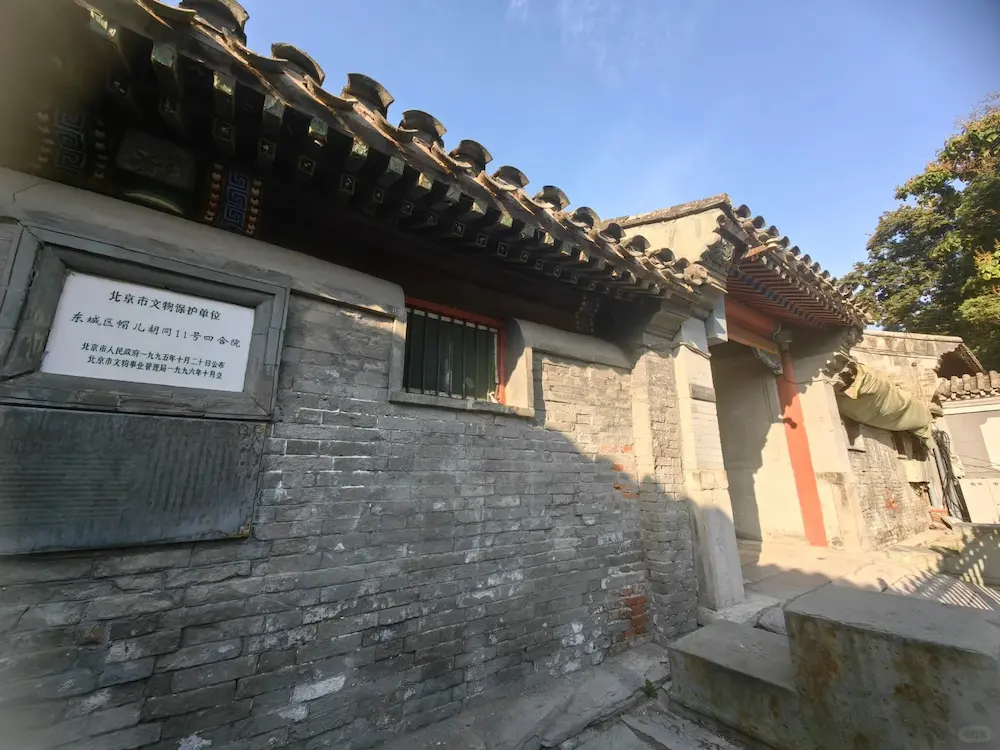
The “Empress’s Residence ”of Wanrong, the Last Empress
Courtyards 35 and 37 in the hutong were the pre-wedding residence of Wanrong, Empress of the last emperor Puyi, known as the “Empress’s Mansion.” Due to her status, the compound was expanded and elevated to the “Mansion of the Duke of Cheng’en.”
Brief Timeline
- 1906|Wanrong was born
- Childhood–Before Marriage|Lived in this residence
- 1922|Wanrong married Puyi and was crowned Empress
- After her coronation as Empress|The residence was expanded and upgraded to the Prince of Cheng’en’s Mansion
- Today|Preserved as a cultural heritage site; general visitors are not permitted inside the compound
Currently, the gates are closed, with only a sign designating it as a Beijing Municipal Cultural Heritage Site; visitors can hardly catch a glimpse of the interior.
⚠Visitor Note: Visitors may only view the gatehouse from outside the hutong; the compound is not open to the public.
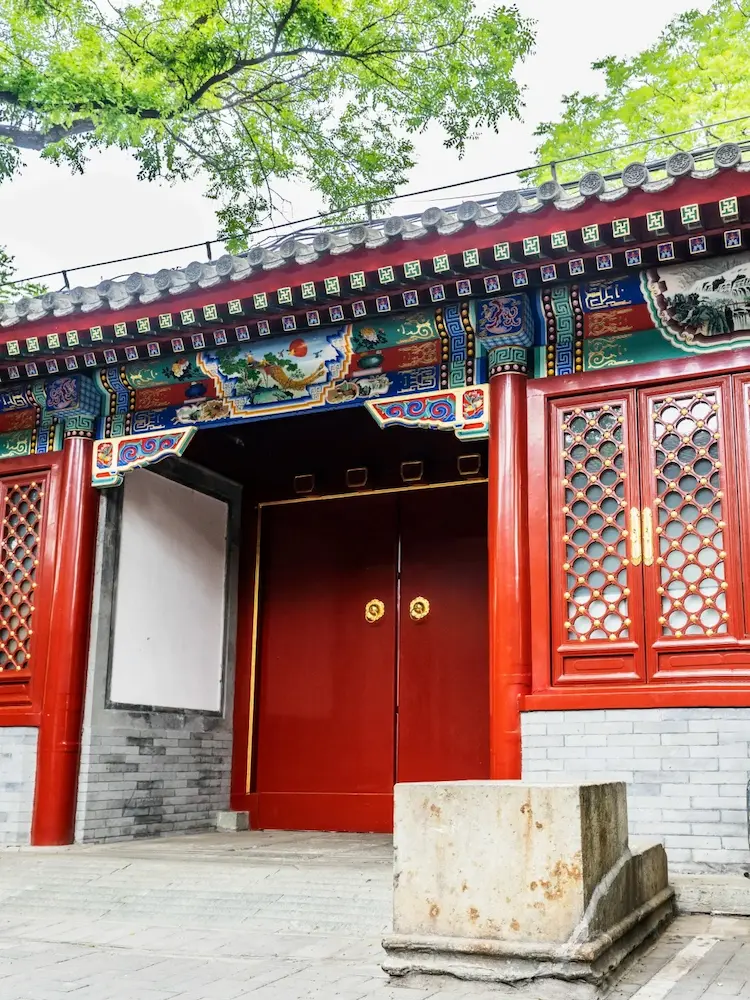
Wenchang Palace Ruins: A Hidden Ming Dynasty Temple
No. 21 Mao’er Hutong houses the ruins of Wenchang Palace. Originally built in 1477 during the Ming Dynasty to honor Wenchang, the god of literary fortune, it was once one of Beijing’s renowned “Five Altars and Eight Temples.” Today, the site is occupied by an elementary school.
What to See On Site: If you’re willing to spend an extra 10 minutes, you can explore this little-known historical site. Unlike the well-known Ke Yuan Garden or Wanrong’s Former Residence, it isn’t immediately recognizable. You’ll need to walk to the end of a small side street branching off from the middle of the hutong heading north before you’ll see the remaining walls and ancient steles, including one said to bear an inscription by Liu Yong.
On-site Experience: Standing outside the site’s walls, it’s hard to feel the atmosphere of a tourist attraction—the surrounding area is simply a living space for ordinary residents, with parents picking up their children and cyclists passing by. What was once a place of worship for Wenchang Dijun hundreds of years ago remains a residential neighborhood in contemporary Beijing, where history and reality intertwine.
Two Walking Routes (Just Follow the Guide)
①30-Minute Quick Tour (For Those on a Tight Schedule)
Enter Mao’er Hutong from the east entrance of Nanluoguxiang→View Ke Yuan from the outside→View Feng Guozhang’s Former Residence from the outside→View Wanrong’s Former Residence from the outside→Return, or continue westward.
②60-Minute In-Depth Full Tour (Recommended for Most Visitors)
Enter Mao’er Hutong from the east entrance of Nanluoguxiang→Ke Yuan→Feng Guozhang’s Former Residence→Wanrong’s Former Residence→Explore the ruins of Wenchang Palace→Walk west to the exit on Di’anmenwai Street→You can continue on foot to the Shichahai / Drum Tower area.
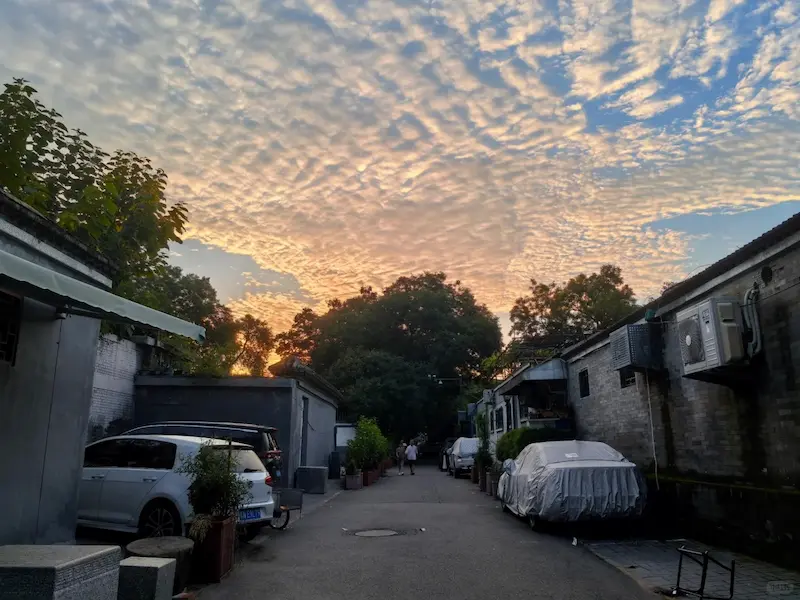
Exploring Mao’er Hutong: Beyond Famous Figures’Former Residences, Take Note of These 6 Hutong Details
It’s not just about finding the former homes of famous figures—the architectural details of the hutongs themselves are equally worth taking the time to appreciate:
1. Various types of gatehouses at old courtyards; their different styles reflect the social status of residences in the past
2. Door sills and dismounting stones—iconic features of old Beijing residences
3. Expanses of old gray-brick walls—feel the texture of traditional hutong architecture
4. The layout of the outer courtyards in traditional siheyuan compounds
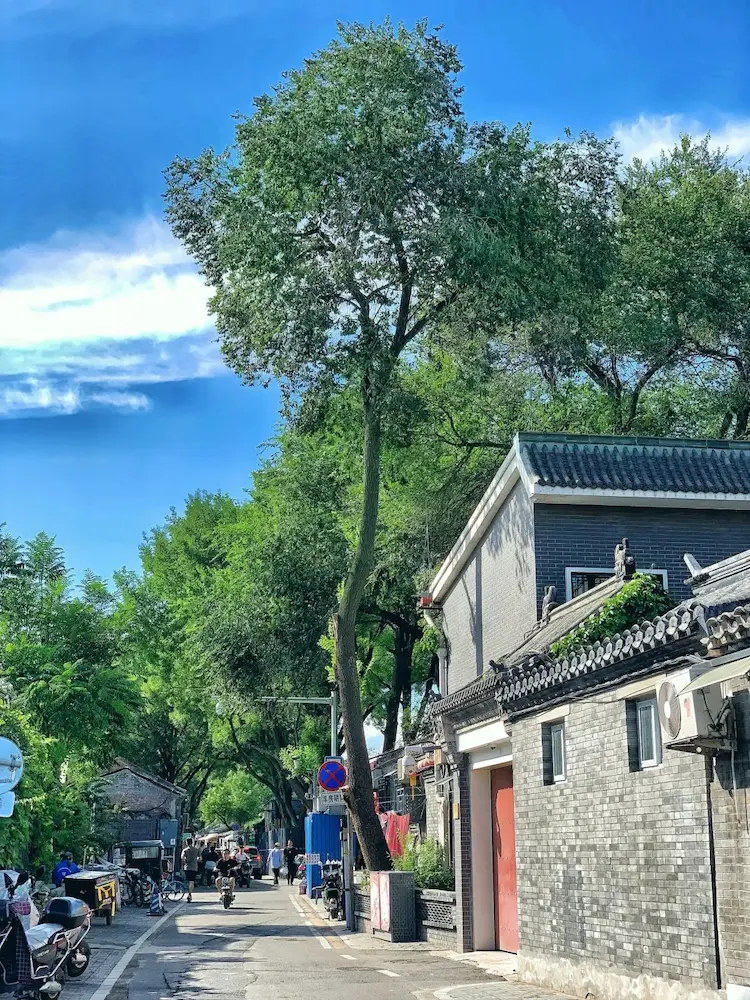
5. Old trees lining the hutongs
6. Scenes of everyday life for ordinary residents (please do not photograph inside residents’ homes)
Is Mao’er Hutong worth a special trip?
✅Worth a visit:
- If you’re already exploring Nanluoguxiang, it’s a quick detour that only adds 30–60 minutes to your itinerary;
- If you love old Beijing hutongs, Qing Dynasty and Republican-era history, urban walks, and architectural photography.
❌Not recommended for a special trip:
- If your goal is to visit museums inside multiple historic buildings, the vast majority of historic courtyards in this hutong can only be viewed from the outside.
Objective note: Mao’er Hutong is an open-access neighborhood with no admission fee; it’s best suited as an extension of your Nanluoguxiang itinerary and doesn’t warrant a separate trip.
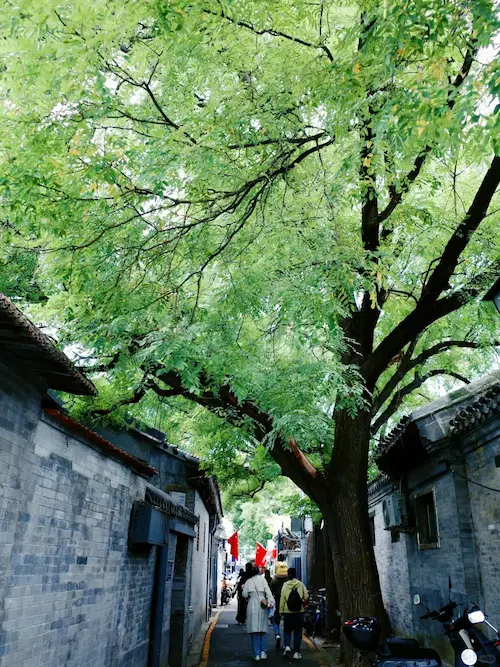
My Personal Travel Tips
Why Do I Recommend That First-Time Visitors to Beijing Take Their Time Walking Through Mao’er Hutong?
When I walk through this hutong myself, I don’t set out with the goal of “finding every historic residence.” What’s truly interesting is walking from one historical site to the next, admiring the gate towers, courtyard walls, and old trees along the way, while also observing the authentic daily lives of the residents.
The best way to experience Mao’er Hutong isn’t by standing at a specific spot to take photos and check it off your list; rather, it’s by feeling, as you walk, that many important figures lived here hundreds of years ago, and that to this day, it remains a hutong where ordinary people still live.
Avoid the crowds; visiting in the early morning or late afternoon is most pleasant, when sunlight filters through the gray tiles and the alley’s atmosphere is at its peak.
After exploring the alley, take a stroll to Dianmenwai Street to savor some authentic Old Beijing snacks—the perfect way to round off your visit.
Nearby Attractions
After exploring Mao’er Hutong and heading west to Dianmenwai Street, you can seamlessly continue to:
- Shichahai, the northern shore of Houhai, and the Drum Tower and Bell Tower; head east to return to Nanluoguxiang, or continue on to Ju’er Hutong.
FAQ
Exploring Mao’er Hutong feels like a treasure hunt. Though Kegarden and Wanrong’s Former Residence are closed to the public, admiring their exteriors and imagining life in those days is still fascinating. Don’t forget to spend some time seeking out the hidden ruins of Wenchang Palace tucked away in the depths. The thrill of discovery and the sense of historical grandeur will make your Beijing hutong journey truly unforgettable.