Wudaoying Hutong Guide: How to Explore Beijing’s Most Artistic Hutong? (2026 Updated Edition)
There’s an old hutong in Beijing called Wudaoying Hutong. It’s not as suffocatingly crowded as Nanluoguxiang, nor is it overrun with tourists like Qianmen Street.
This Beijing hutong guide will tell you how to get there, how to explore, how to pay, and how to take great photos. It’s more like an “urban utopia” tucked away near the Second Ring Road—quiet, artsy, and brimming with authentic Beijing charm.
If you’re looking to spend an afternoon strolling, sipping coffee, and snapping some great photos, this is the place to be.
Table of Contents
Where is Wudaoying Hutong? How do I get there?
Address: Andingmen Subdistrict, Dongcheng District, Beijing. It stretches from Yonghegong Street in the east to Andingmennei Street in the west. The hutong is 632 meters long and 6 meters wide. It takes about 10–15 minutes to walk through, but since you’ll likely stop to browse along the way, it’s best to set aside 1–2 hours.
By Subway (Highly Recommended):
- Take Line 2 or Line 5 to Yonghegong Station. Exit at Exit G; it’s a 5-minute walk from there.
- Alternatively, take Line 2 to Andingmen Station. Exit at Exit B; it’s an 8-minute walk from there.
By Taxi or Ride-Hailing (DiDi):
From Beijing Capital International Airport (PEK): About 40 minutes, costing 70–100 RMB (approx. $10–14). (For information on payment methods and credit card acceptance, please refer to the “Payment Tips” section.)
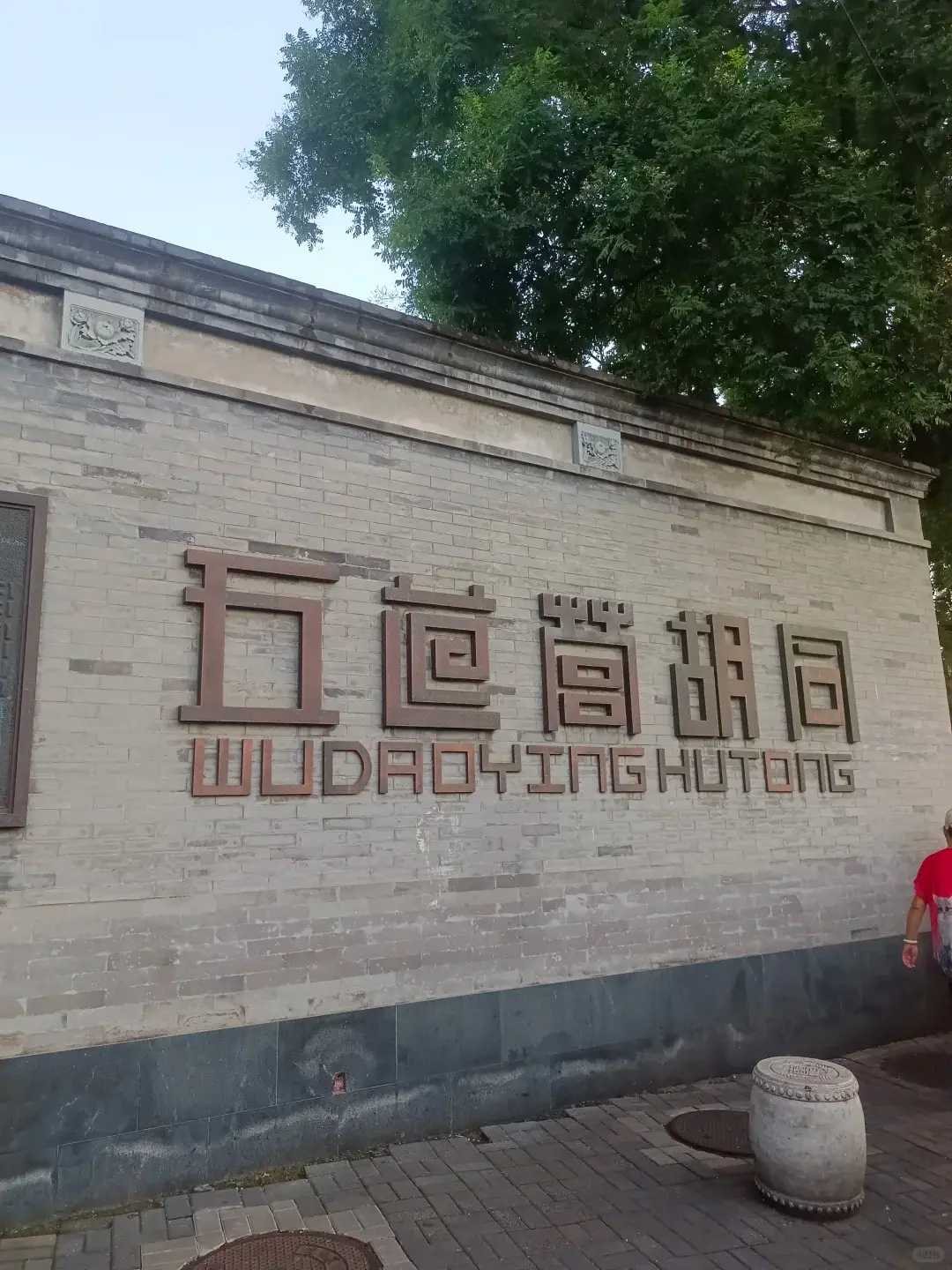
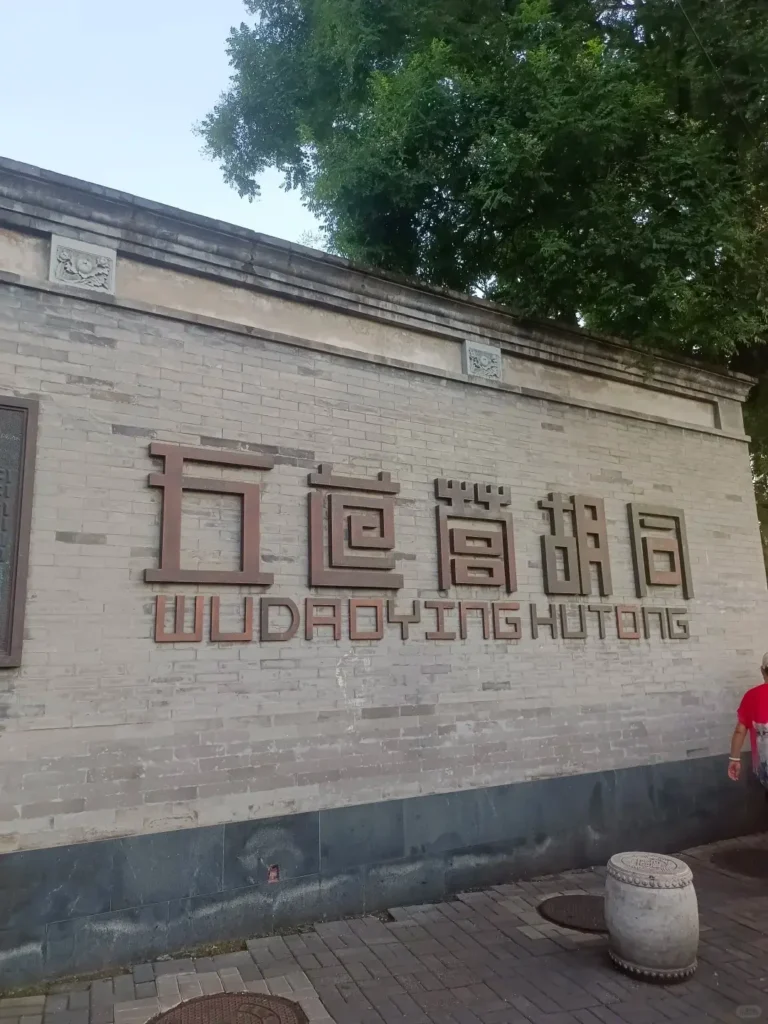
Tip: The eastern entrance to the hutong is on Yonghegong Street, between Costa Coffee and Jingzhaoyin Restaurant. The entrance is rather inconspicuous, and many people walk right past it. Please remember this location so you don’t miss it.
When is the best time to visit? Is there an admission fee?
- Admission: Free. The hutong is a residential area, so you can enter at any time of day.
- Store opening hours: Most shops don’t open until after 10:00 a.m. Cafés and restaurants generally close at 9:00 p.m., while bars and small theaters are livelier in the evening.
- Best times to visit:
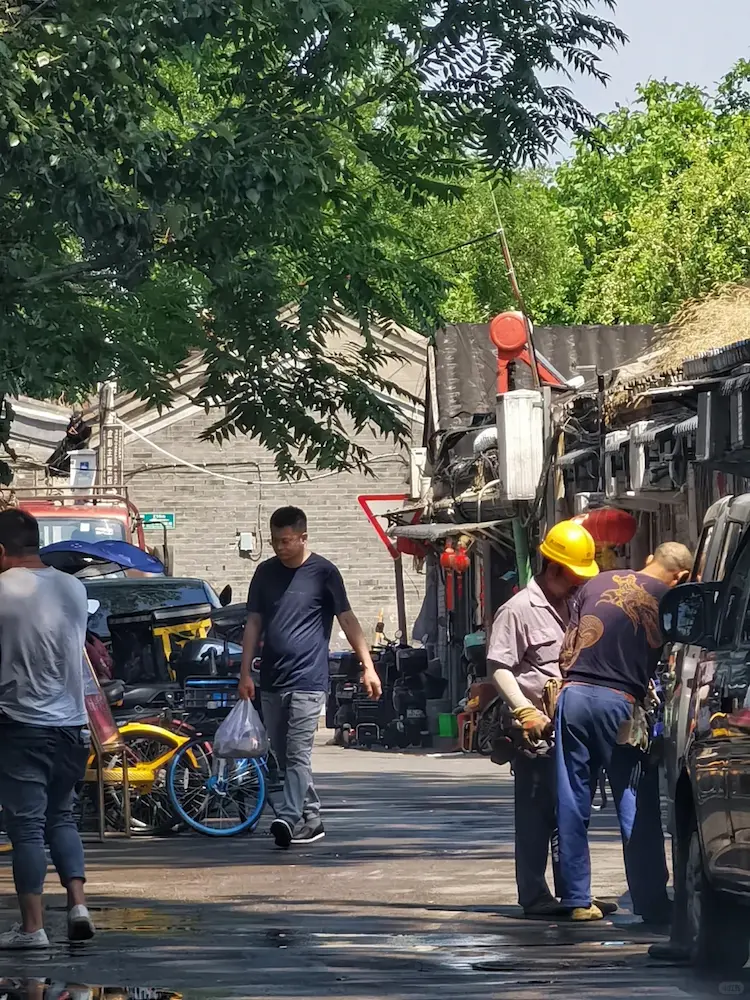
- If you prefer a quiet, less crowded atmosphere, Visit between 8:00 and 10:00 AM. The entire hutong is quiet; although shops aren’t open yet, you can take photos of the old houses with their blue-brick and gray-tile roofs empty of people, and catch a glimpse of the daily life of locals coming out to buy breakfast.
- If you want to browse shops and enjoy coffee, Visit between 10:30 and 11:00 AM. Shops are opening one after another, and there aren’t enough tourists yet to make it crowded.
- If you want to see the night view, go after 7:00 PM. The lanterns light up, small bars feature live performances, and the atmosphere is completely different from daytime.
- Avoid weekends: It gets much more crowded on Saturdays and Sundays. Tuesday and Wednesday mornings are the best choices.
What Does the Name Mean?—A Brief Historical Account
You may be wondering: What do the three characters “Wudaoying” mean? A historical story will explain.
During the Ming Dynasty (about 600 years ago), this was a military camp guarding Anding Gate, known as the “Wude Weiying.” Both “Wei” and “Ying” were military units at the time, with each “Wei” comprising approximately 5,600 soldiers. The name meant “defending the capital with military might and virtue.”
During the Qing Dynasty, Manchu soldiers lived here. Their accent differed from standard Mandarin, and over time, they gradually pronounced “Wude Weiying” as “Wudaoying.” The name stuck and has been used ever since.
As you walk down this alley, you’re standing on the site of a military camp from 600 years ago. You won’t see any soldiers now—just cafes and artisanal shops. Isn’t that fascinating?
Compared to the overwhelming commercial atmosphere of Nanluoguxiang, Wudaoying developed later and at a slower pace. It retains more independent designers, niche coffee shops, and the vibrant, everyday atmosphere of residents living in harmony with the old hutongs. This is why many long-time Beijing residents prefer coming here rather than to Nanluoguxiang.
What to See? What Are the Highlights?
Photo Opportunities: Old Beijing Siheyuan with Gray Walls and Tiles
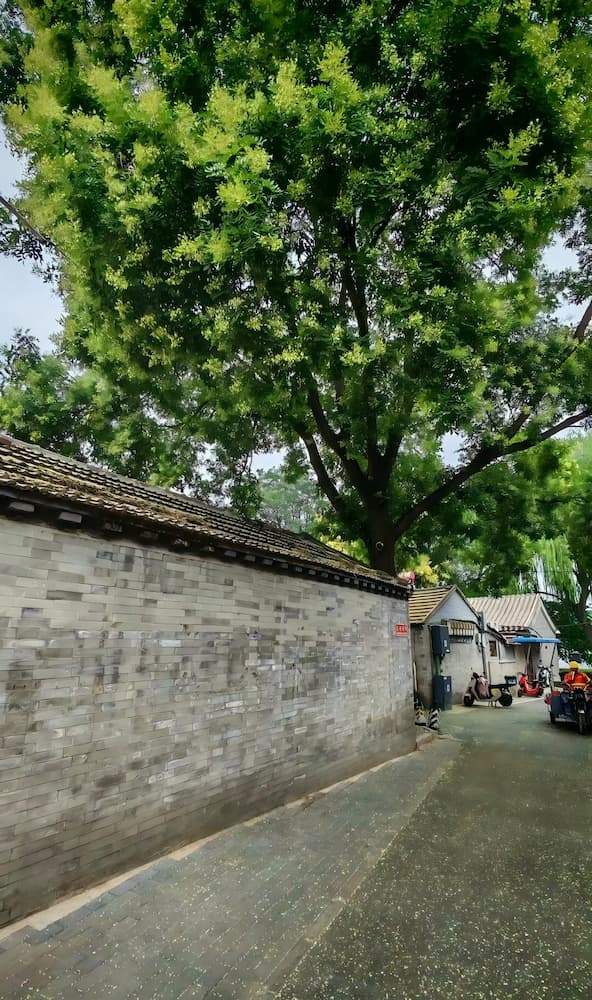
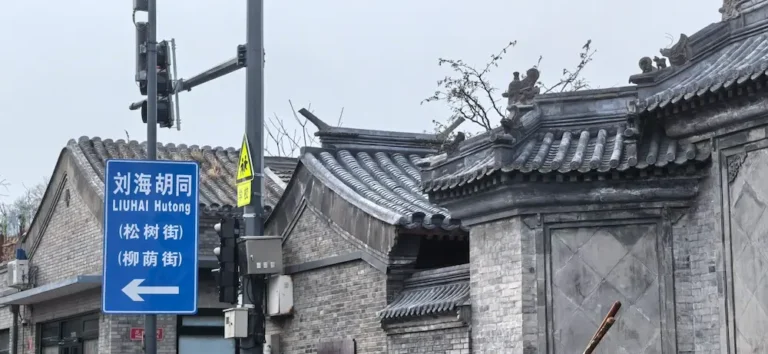
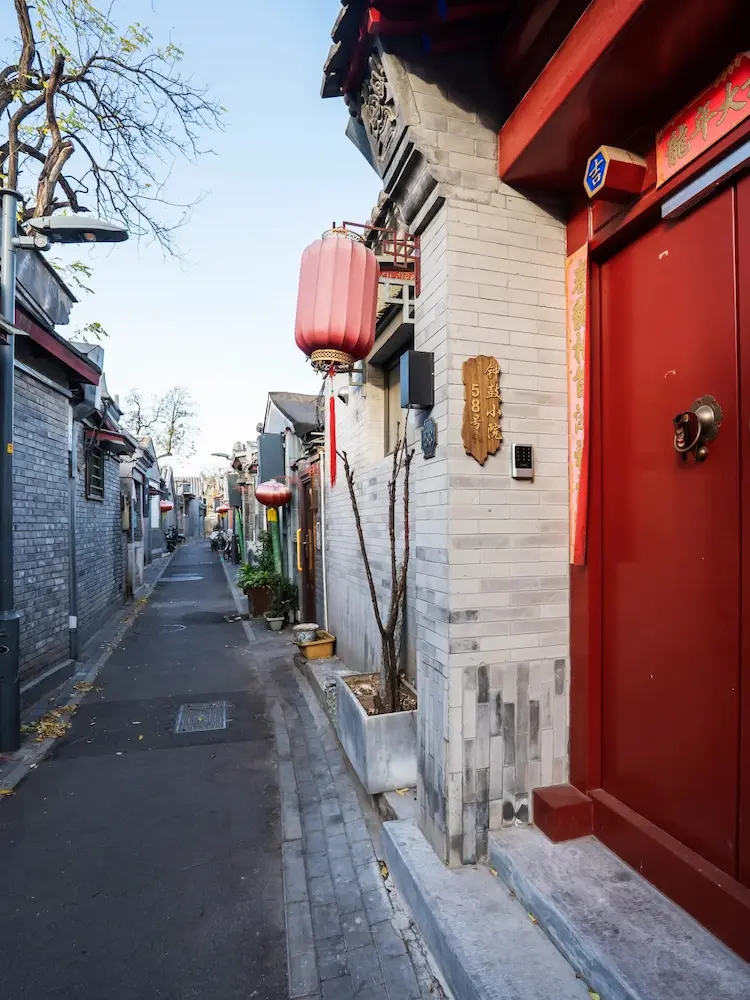
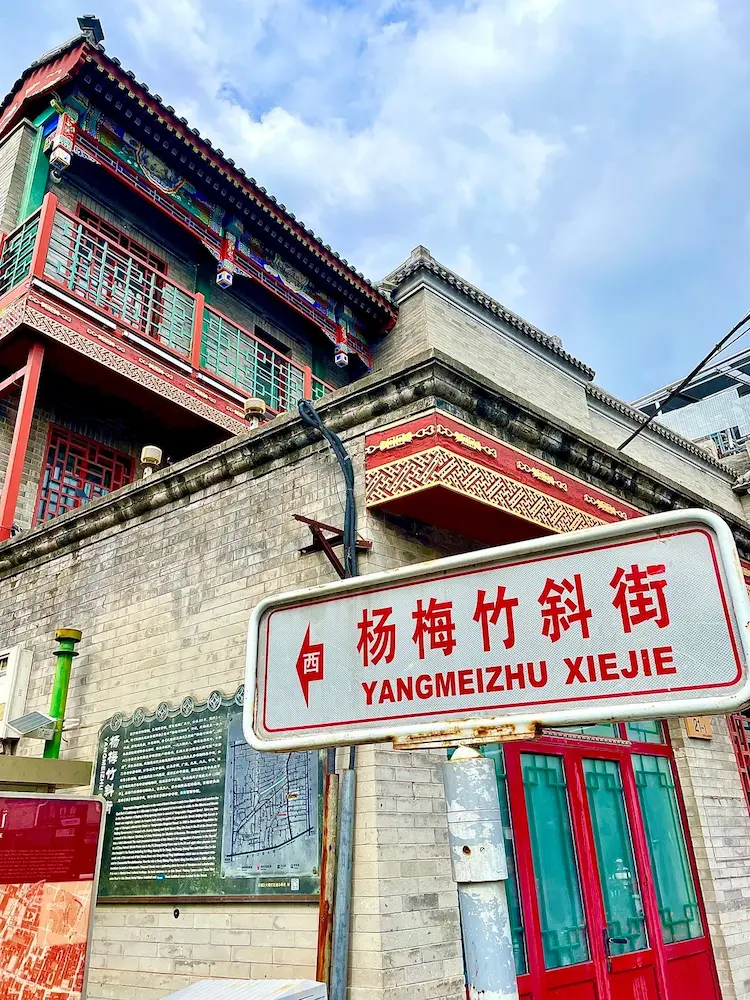
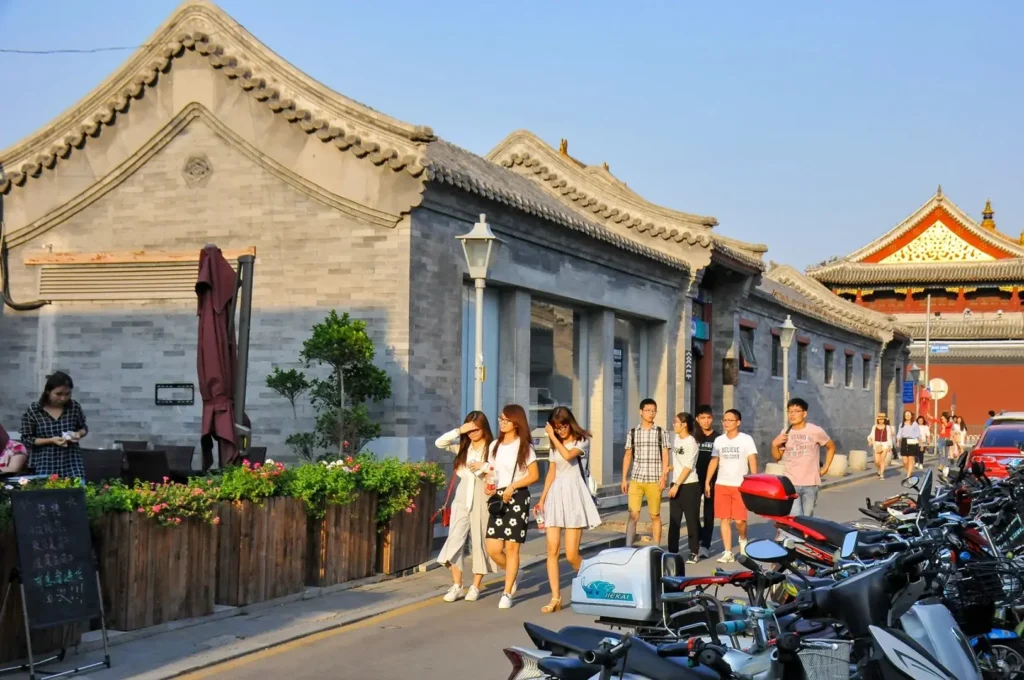
Both sides of the hutong are lined with traditional Old Beijing siheyuan—those square courtyards with gray brick walls, gray tile roofs, and enclosed courtyards. Many of these courtyards have been converted into shops, but their exteriors remain unchanged. As you stroll along, you’ll sense the unique blend of tradition and modernity.
Hidden Gem Recommendations: These Shops Are Worth the Detour
Many of the shop owners here are designers, artists, and filmmakers. So you won’t find the typical
“one-size-fits-all” souvenirs. Here are a few standout recommendations (you can search for them directly on Apple Maps or Amap):
- Metal Hands Coffee: A well-known specialty coffee brand in Beijing, this Wudaoying location preserves the structure of the old building, and the sunlight streaming through the wooden windows creates a particularly cozy atmosphere. A latte costs around 45 yuan.
- White is Good Store: A small shop that sells only white items—everything from stationery to household goods is white. It has a unique vibe and is incredibly photogenic.
- A well-known cat-themed café (you’ll spot it right away—there’s a cat at the entrance): Wudaoying has several cat cafés where you can enjoy coffee while petting the cats. Be sure to ask before entering whether you need to change your shoes or purchase a “cat-petting pass.”
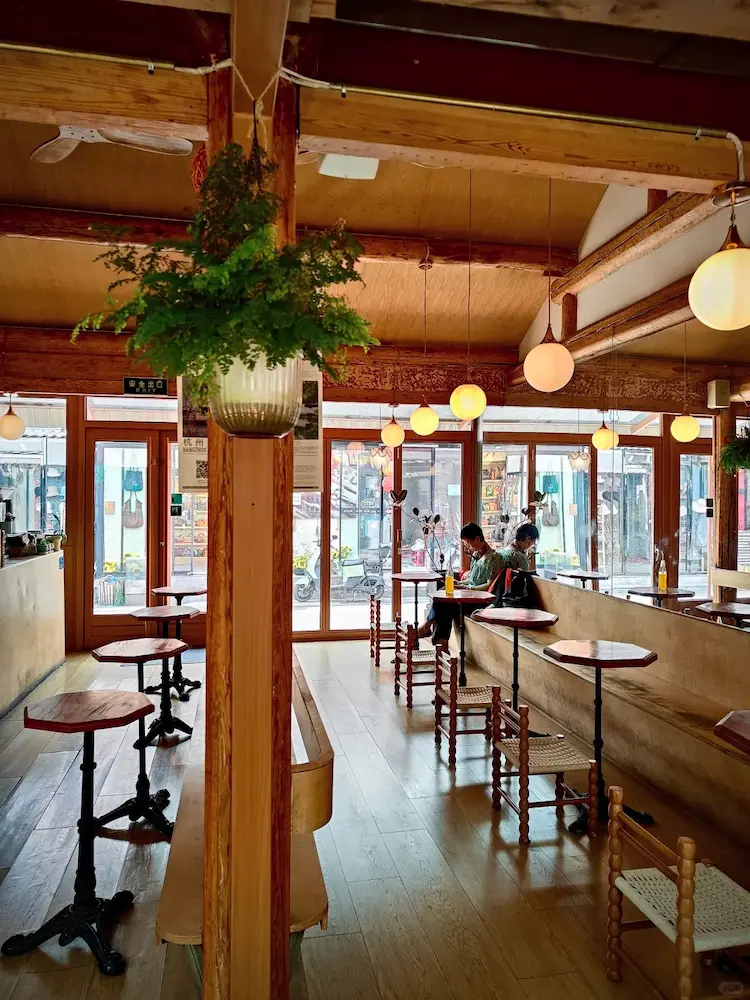
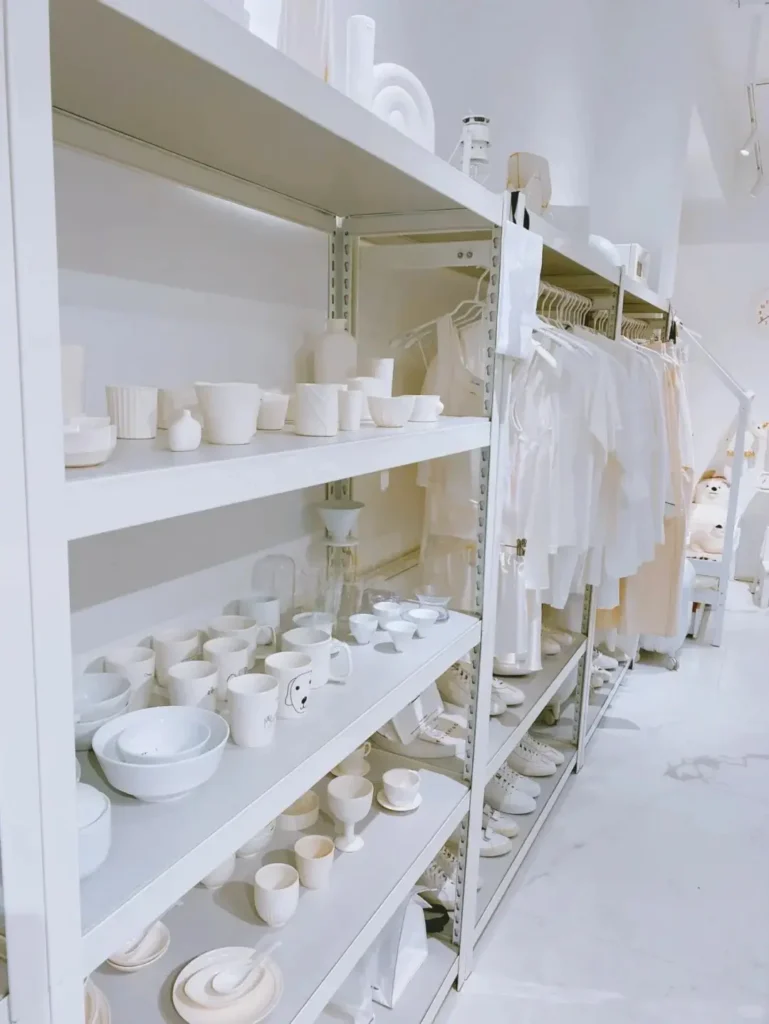
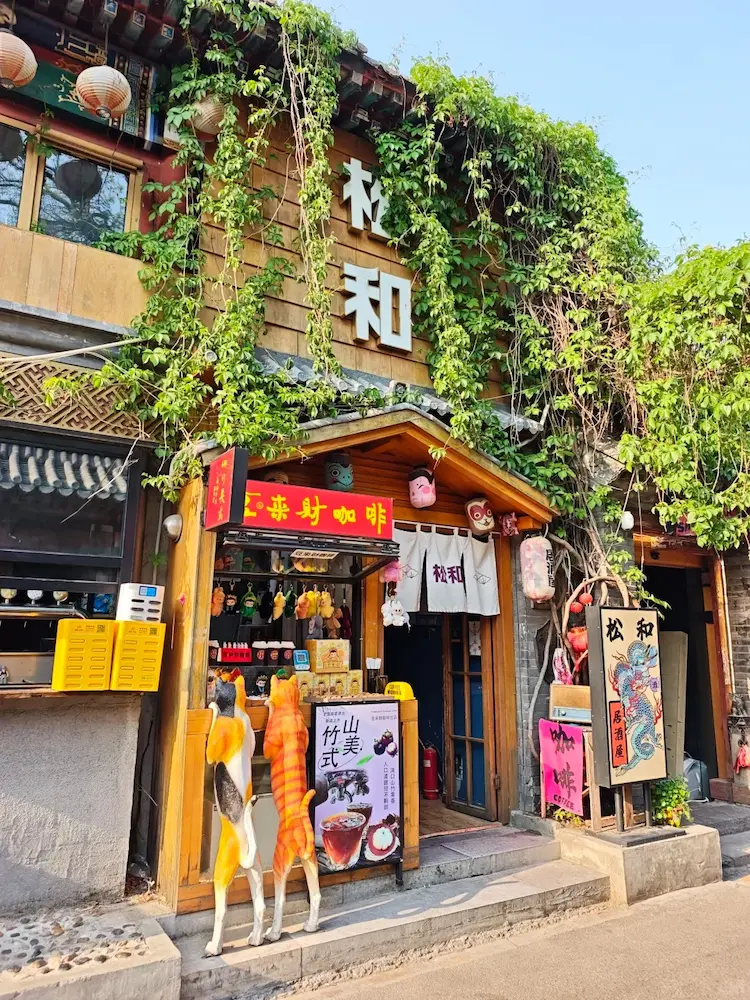
You’ll also come across shops selling handmade ceramics, vintage leather goods, independent magazines…Each one is worth taking your time to explore.
Cafés with Large Floor-to-Ceiling Windows or Terraces
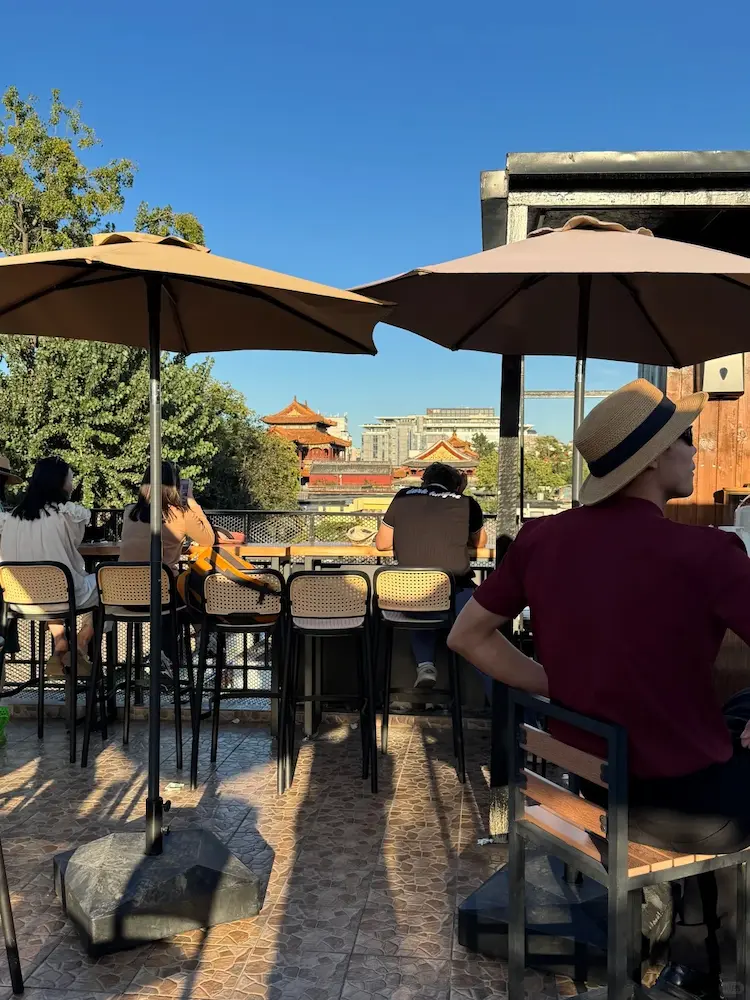
Many cafés feature large floor-to-ceiling windows. Order a pour-over coffee (around 35–55 yuan, or $5–8) (for payment methods, see “Payment Tips”), sit on a sofa by the window, and watch pedestrians stroll by—you’ll instantly feel a sense of calm.
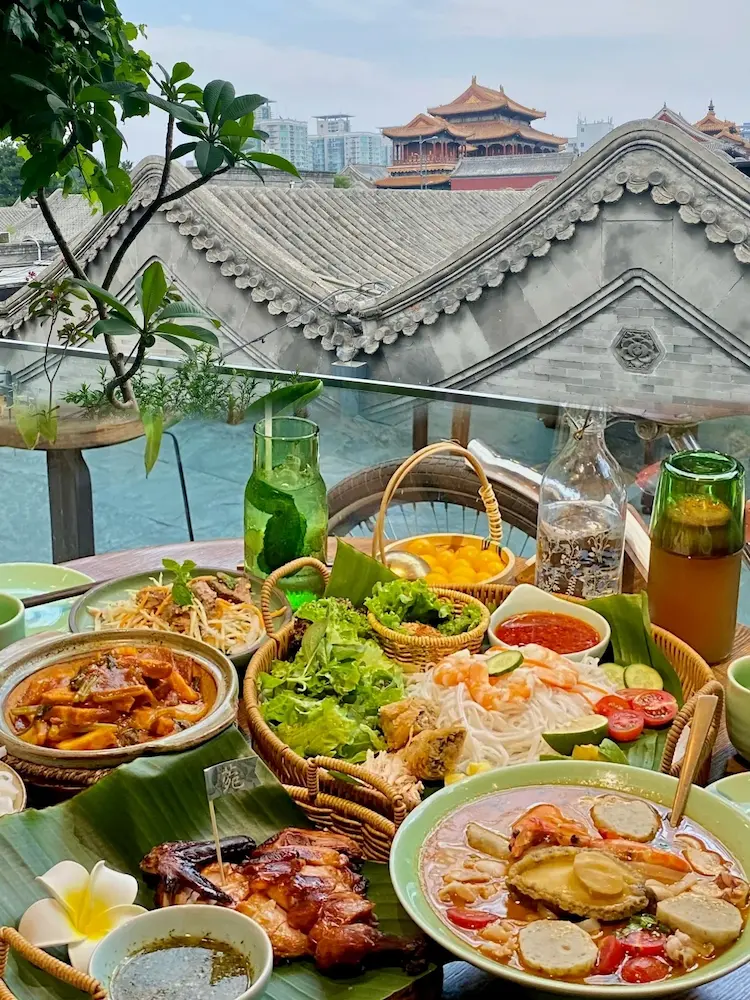
Some shops also have terraces. In the evening, the setting sun casts its glow on the golden roof of the nearby Yonghe Temple, creating a particularly beautiful scene. I’ve heard that the view is incredibly photogenic (Insta-worthy).
Flowers and Greenery on the Streets
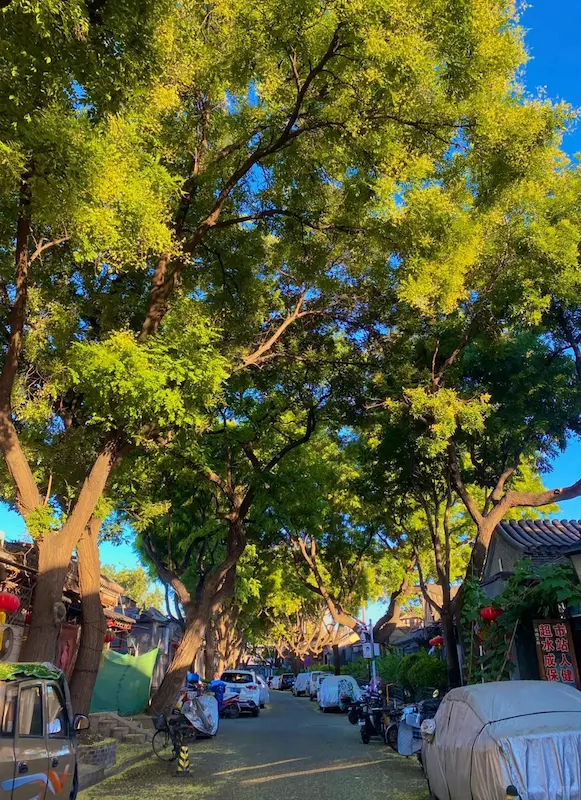
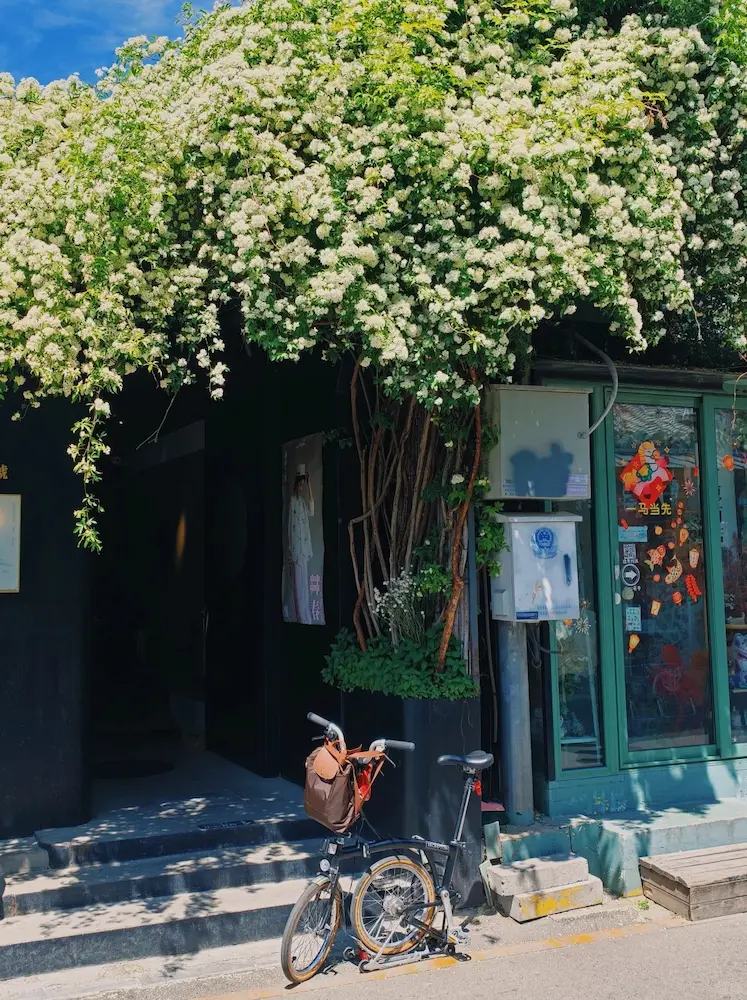
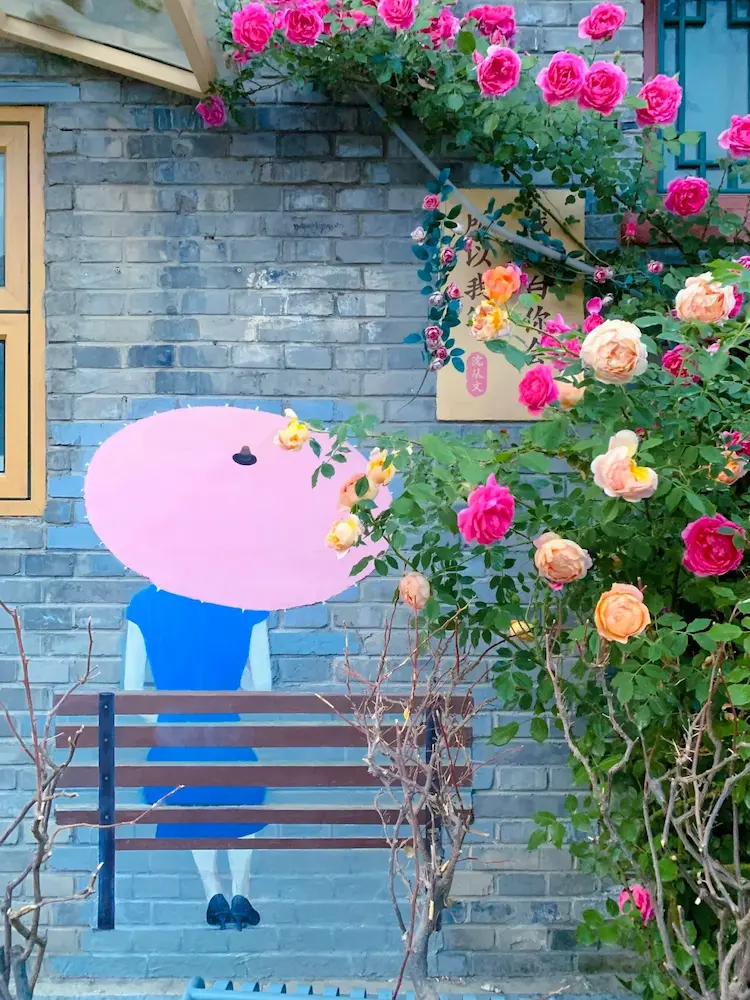
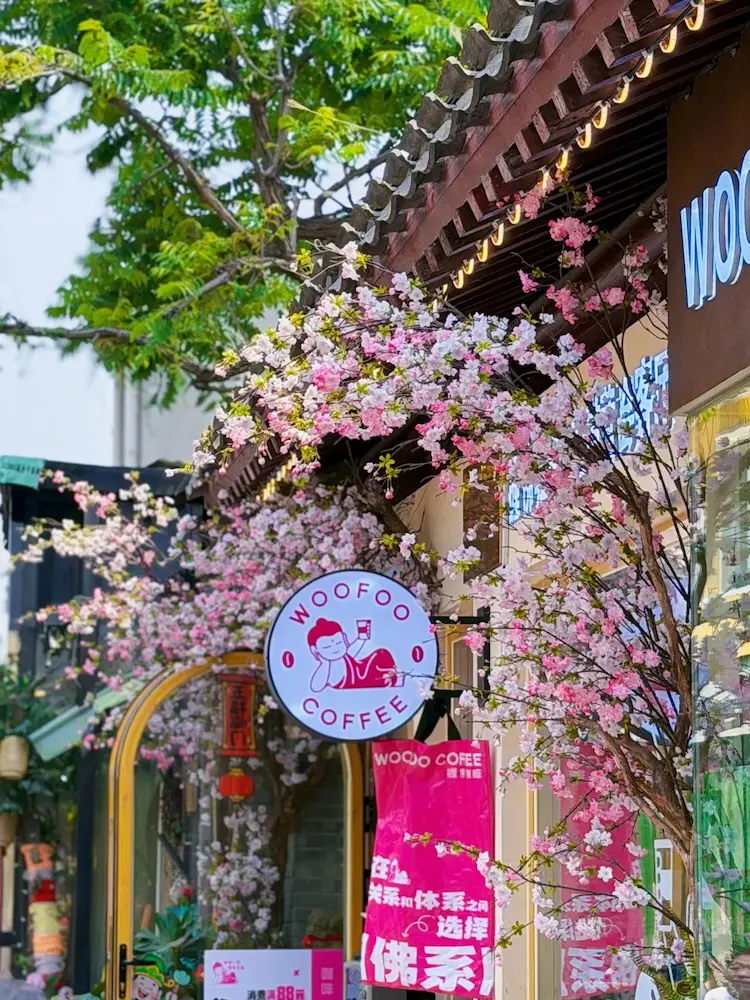
The hutongs are filled with flowers and greenery. Even in late summer and early fall, the flowers bloom vibrantly. Just stand in front of any doorway or gray wall, and your photos will look like paintings.
Stray Cats
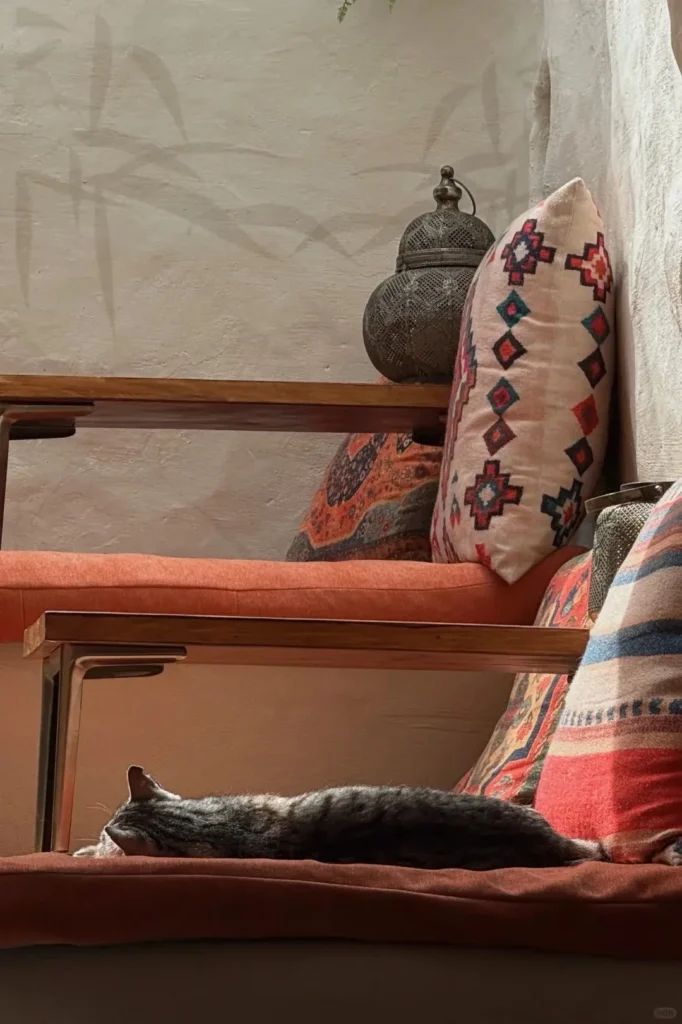
Many shop owners take care of the stray cats in the neighborhood. You’ll see cats napping on windowsills or the steps at the entrance. Feel free to take photos, but don’t pet them unless the owner tells you,“ It’s okay, it won’t bite.”
Places to Visit Nearby
Wudaoying Hutong is in a prime location, right next to several must-see attractions in Beijing. Here’s a suggested itinerary for a half-day or full-day trip:
| Time | Destination | Description |
| 9:00 AM | Yonghegong (Lama Temple) (Just east of the hutong, 5-minute walk) | A Tibetan Buddhist temple that was originally the residence of Emperor Yongzheng when he was a prince. Admission is 25 yuan (about $3.50). Allow 1–1.5 hours for the visit. (For information on how to buy tickets and whether credit cards are accepted, see “Payment Tips”) |
| 10:30 AM | Wudaoying Hutong | Shops are just opening, and there aren’t many people yet. Take your time strolling, taking photos, and enjoying a cup of coffee. |
| 12:30 PM | Lunch in Wudaoying | Recommendations follow below. |
| 2:00 PM | Guozijian Street (also known as Chengxian Street) | Walk south from the center of Wudaoying through Jianchang Hutong; it’s a 5-minute walk. Here you’ll find the Confucius Temple and the Imperial Academy (the highest institution of learning in ancient times). Admission is 30 yuan (about $4.20). |
| 4:00 PM | Return to Wudaoying or head to the Andingmen area to find something to eat | Take your pick. |
If you’re short on time and only plan to visit Wudaoying and Yonghegong, half a day is plenty.
What to Eat?—Restaurant Recommendations
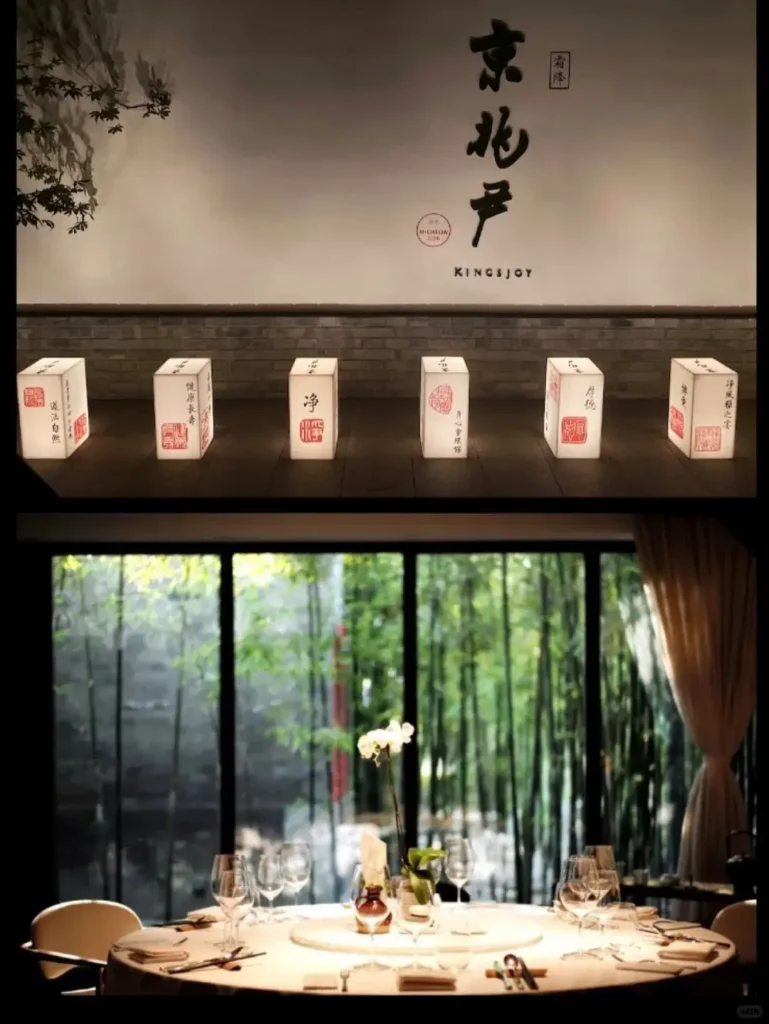
1. King’s Joy
- Location: At the eastern entrance of the hutong.
- Cuisine: Vegetarian; it is a three-Michelin-star vegetarian restaurant. It is the only vegetarian restaurant in China to have earned three Michelin stars.
- Price: Over 1,000 RMB per person (starting at approximately $140). It’s not cheap, but if you want to experience top-tier vegetarian cuisine, it’s worth a try.
- Fun Fact: “King’s Joy” refers to the title of the highest-ranking official in charge of the capital region in ancient China. The restaurant chose this name to symbolize its aspiration to be the “highest authority” in the vegetarian culinary world.
2. Local Specialty: Zhizi BBQ (Chinese BBQ)
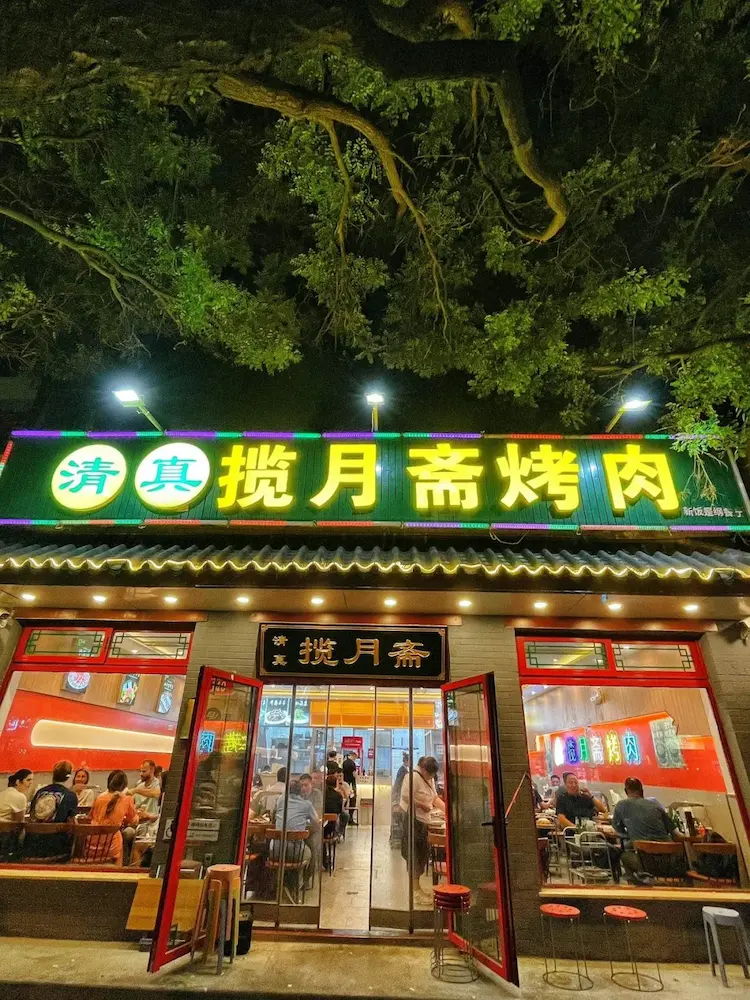
Recommended Restaurants: Kaorou Liu or any Zhizi BBQ spot near the hutongs. Zhizi BBQ is a traditional Old Beijing-style grilling method where lamb or beef is cooked on a hot iron plate, seasoned with cumin and cilantro—it’s incredibly aromatic. Prices range from about 80–120 RMB per person (11–17 USD).
3. Craft Beer Bars in the Hutongs
Wudaoying has several great craft beer bars, such as branches of Great Leap Brewing (check if there’s a location in Wudaoying—there’s definitely one nearby). If you’d like to visit in the evening, it’s a great way to relax with a glass of local Beijing craft beer paired with a burger or fries.
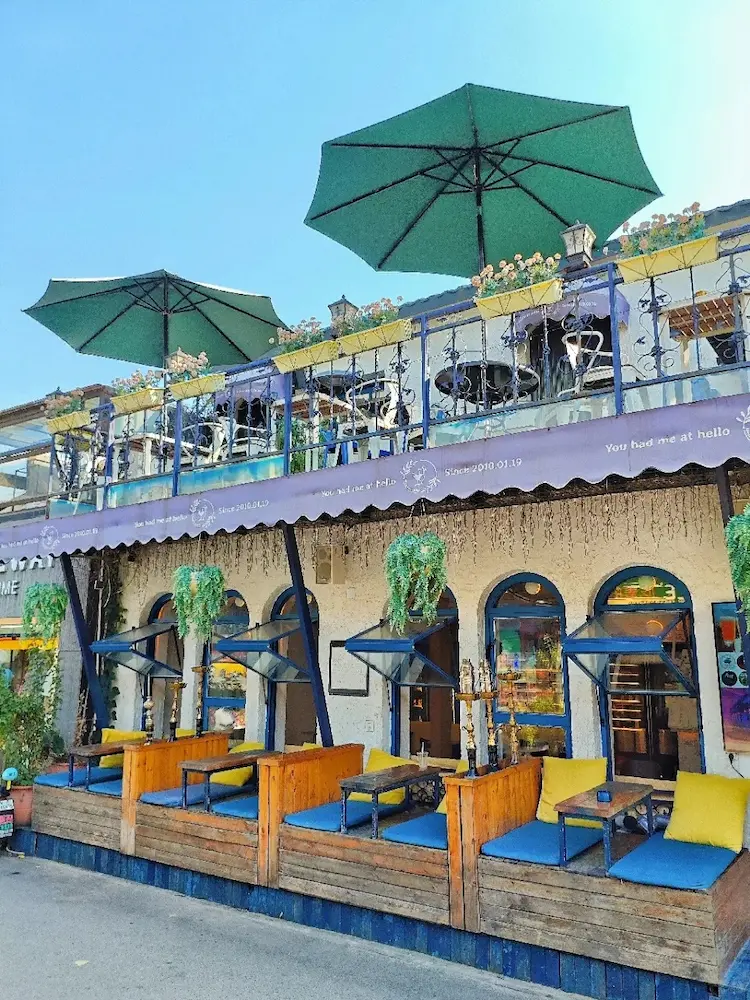
4. Casual Eateries (Western/Light Meals)
The hutongs are home to restaurants offering a variety of cuisines, including Western, Japanese, and creative Chinese dishes. A simple lunch costs around 50–100 yuan ($7–14). (What should you keep in mind when paying? See“Payment Tips”)
5. Coffee
A cup of American coffee or latte costs about 35–55 yuan (US$5–8).
A Few Tips for International Travelers
1. Payment Tips (Updated for 2026)
- As of 2026, WeChat Pay and Alipay have made it very convenient to link international credit cards (Visa/Mastercard) and make direct payments. The vast majority of small shops accept payment via QR code.
- However, to prepare for poor internet connectivity, temporary payment system issues, or older shops that only accept cash, carrying 200–300 yuan (approximately $28–$42) in cash remains the safest “Plan B.”
- Physical international credit cards are often not accepted at many small shops. Larger restaurants or chain stores (such as Costa Coffee) may accept them, but don’t count on it.
- When taking a taxi with DiDi, you can link an international credit card to your account or pay the driver directly in cash.
2. Internet and Maps
Google Maps does not work well in China. We recommend purchasing a local SIM card or activating international roaming once you arrive in Beijing. You can then use Apple Maps (pre-installed on iPhones) or download Amap. Additionally, Alipay has a “Overseas Friends” or“ Travel” section that includes map features. Please click to view “The 2026 Guide to Internet Access in China: The Ultimate Comparison of VPNs, eSIMs, and Local SIM Cards” and “Essential Apps for Foreigners Visiting China in 2026 | Everything from Payments to Ride-Hailing in One Place”.
3. Respect the Residents
People still live their daily lives in the hutongs. Some courtyard gates are closed because they are private residences; please do not push them open. If you want to take a photo of a resident’s door or courtyard, smile and ask, “May I take a photo?”
4. Keep It Quiet
This is a residential area, not an amusement park. Please do not shout or play music late at night.
5. Wear Comfortable Shoes
The ground in the hutongs is uneven in some places, and your feet may hurt after walking for a long time. Do not wear high heels.
6. Trash Cans
There aren’t many trash cans in Beijing’s hutongs. Carry a small plastic bag with you to hold your trash, and dispose of it in a trash can when you see one.
7. Smoking
Smoking is completely banned indoors in downtown Beijing. If you want to smoke, please go outside.
8. Language
Some larger cafes and restaurants have English menus, and the staff can speak basic English. However, owners of smaller shops may only speak Chinese. Downloading a translation app (such as Google Translate or Microsoft Translator, with the Chinese language pack installed in advance) can be very helpful.
9. Where to Use the Restroom?
There are public restrooms in the hutongs; just follow the green signs. They are free, but there is no toilet paper, and most are squat toilets (not Western-style toilets). Please bring a small pack of tissues with you.
Restrooms in cafes and restaurants are generally reserved for paying customers. If you wish to use a restaurant’s restroom, it’s best to order a drink or coffee first (see the “Payment Tips” section above).
In short: Carry tissues with you; use public restrooms for urgent needs; and if you want more comfort, make a purchase and use the restroom at the establishment.
Budget Guide (2026, converted to USD/EUR)
| Item | RMB | Approx. USD | Approx. EUR |
| Yonghe Temple Admission | 25 RMB | $3.5 | €3.2 |
| Imperial Academy + Confucius Temple Admission | 30 RMB | $4.2 | €3.8 |
| A Cup of Coffee | 35–55 RMB | $5–8 | €4.5–7 |
| Shizhi BBQ (per person) | 80–120 RMB | $11–17 | €10–15 |
| Simple Lunch (Noodles/Rice) | 50–100 RMB | $7–14 | €6.5–13 |
| Standard dinner | 100–200 RMB | $14–28 | €13–26 |
| Jingzhaoyin vegetarian set meal | Over 1,000 RMB | $140+ | €130+ |
| Taxi from Capital Airport to a hutong | 70–100 RMB | $10–14 | €9–13 |
Exchange rate reference: 1 USD ≈ 7.2 CNY, 1 EUR ≈ 7.8 CNY
Reminder: When paying, prioritize WeChat Pay or Alipay, or use cash. Physical international credit cards may not always work; see “Payment Tips” for details.
Frequently Asked Questions (FAQ)
When exploring Wudaoying Hutong, don’t go in with the mindset of “checking off a box.” The most precious thing here is the freedom to simply “do nothing.”
You might spot some stylishly dressed young people or foreign visitors strolling through the alleyways, snapping photos here and there. You can do the same: find a café with floor-to-ceiling windows, order a drink, and just zone out for half an hour; or pop into a small handmade goods shop, strike up a conversation with the owner, and hear why they chose to open a shop here.
How does the saying go? “The highest form of wasting time is to forget about time.” In Wudaoying Hutong, you’ll find this comes easily. From morning through the afternoon, until the neon lights come on, you’ll realize that “doing nothing” isn’t a waste of time at all—it’s a form of urban wandering that truly allows you to relax.
So, take your time. Cherish the little shops you stumble upon, a cat basking in the sun, or a beautiful door. After all, life is too short to rush through a perfect afternoon.
Have a wonderful time in Beijing!