Guide to Yu’er Hutong: A Quiet Old Hutong Next to Nanluoguxiang, Featuring Qi Baishi’s Former Residence + The Yuhe Route(2026)
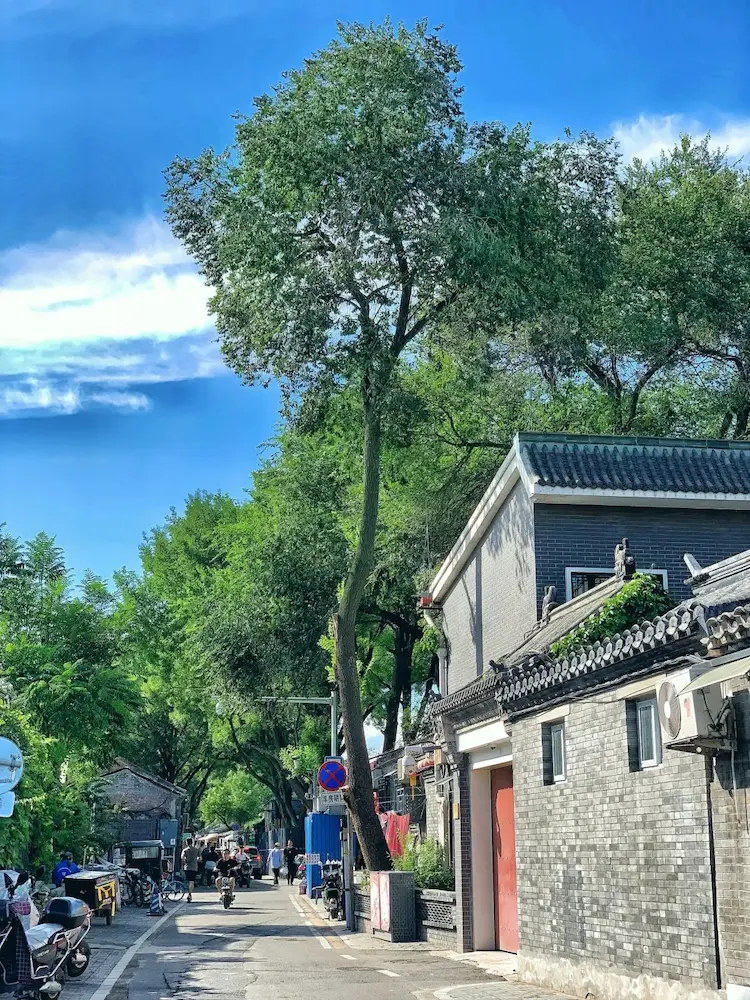
If you visit Nanluoguxiang in Beijing, don’t miss the quiet, story-filled Yu’er Hutong next door. Like a “fishbone” on the western side of Nanluoguxiang’s “fish spine,” it hides centuries of history and the footprints of artistic masters.
Pre-trip Tip: If this is your first visit to Nanluoguxiang, don’t just treat Yuer Hutong as a side street to “pass by on the way.” Its greatest appeal is that, in less than an hour, you can connect the bustling atmosphere of Nanluoguxiang, the traditional Old Beijing siheyuan courtyards, Qi Baishi’s former residence, and the historic Yuhe River course.
Table of Contents
Quick Overview
- Location: West of Nanluoguxiang, bordering Nanluoguxiang to the east and the Yuhe River Ruins to the west
- Highlights: Qi Baishi’s Former Residence Memorial Hall, historic Qing Dynasty siheyuan courtyard, the old course of the Yuhe River, and the old stone curbs
- Historical Background: Formerly known as Yulong Hutong during the Ming Dynasty and the site of the Yellow Banner’s garrison during the Qing Dynasty, this historic alleyway was once home to many prominent figures
- Recommended Visit Time: 30–45 minutes
- Admission: Free admission to the hutong district; free admission to the Qi Baishi Former Residence Memorial Hall
- Recommended Itinerary: Nanluoguxiang + Yu’er Hutong + Yuhe Ancient Waterway CityWalk
- What Struck Me Most: A quiet oasis in the heart of the city—just a few steps away, yet a world apart
The Name and Location of Yu’er Hutong
Yu’er Hutong connects to the bustling Nanluoguxiang to the east and ends at the Yuhe Ancient Waterway to the west.
Known as “Yulong Hutong” during the Ming Dynasty, it was renamed “Yu’er Hutong” during the Qing Dynasty when it belonged to the Yellow Banner, a name both romantic and endearing. In 1979, it reclaimed this historic name.
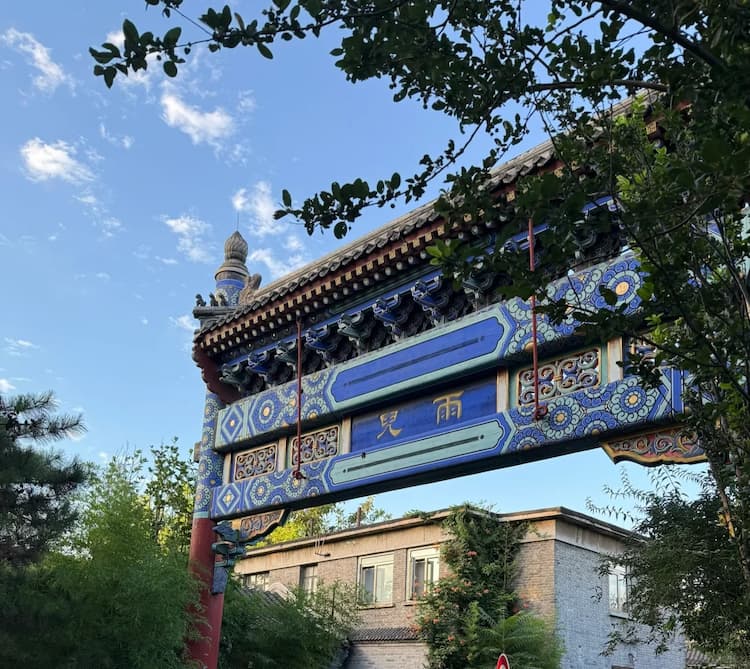
A simple archway bearing the characters “Yuer” stands at the alley’s western entrance. A few steps further west lie the Yu River Ruins.
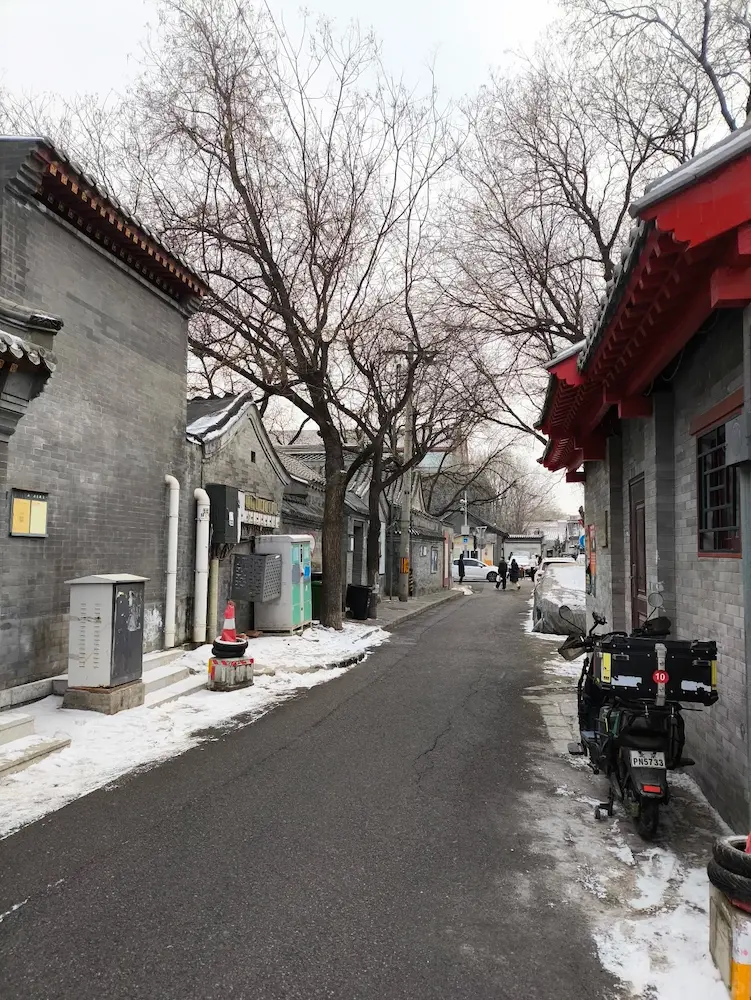
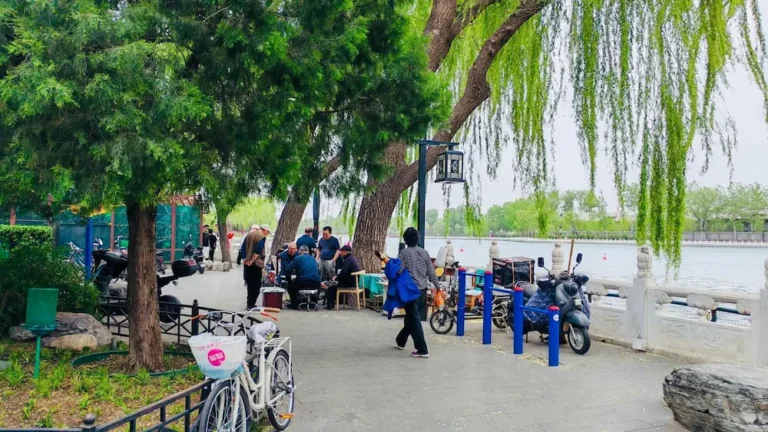
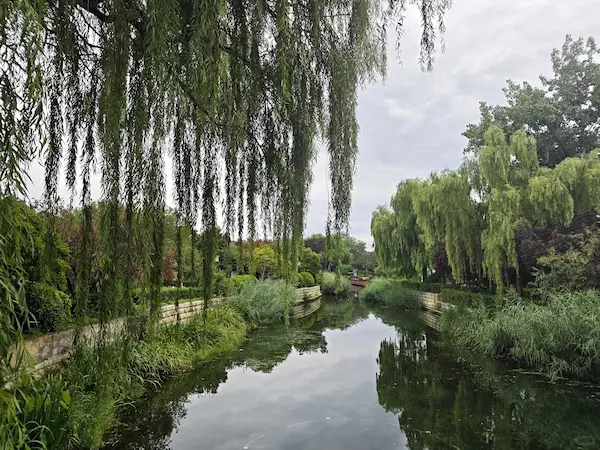
There, waterways run alongside the alley, shaded by lush trees and winding cobblestone paths. Some call it “the canal within the alley,” offering a serene beauty starkly different from the bustling Nanluoguxiang.
Yuer Hutong is a small alley that connects Nanluoguxiang and the old course of the Yu River. If you enter from Nanluoguxiang and walk straight west, you’ll naturally end up at the banks of the Yu River.
The Beijing Residence of Master Artist Qi Baishi
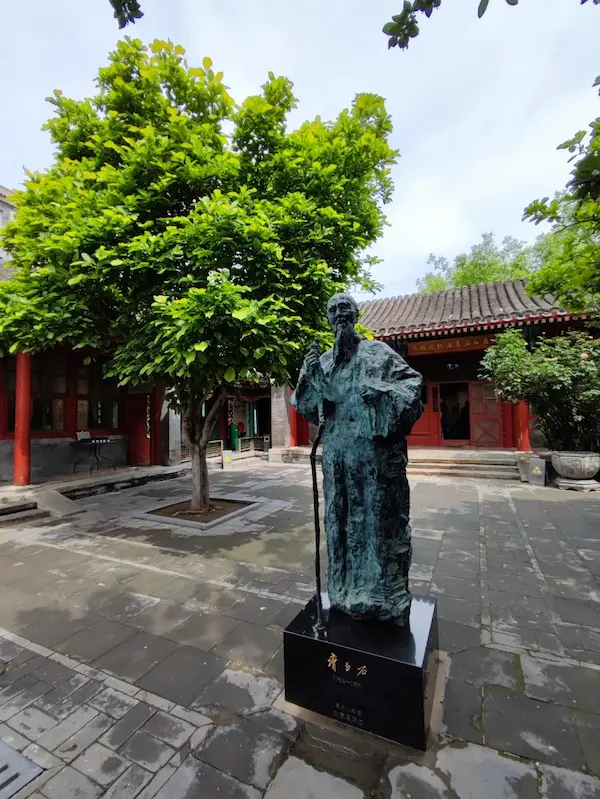
The most renowned spot in Yu’er Hutong is the Qi Baishi Memorial Museum at No. 13. Qi Baishi ranks among China’s most celebrated painters.
This courtyard represents a standard siheyuan (quadrangle courtyard) built during the mid-Qing Dynasty. In 1955, the state specifically purchased this residence for Qi Baishi.
Though the elderly master, accustomed to his former home, lived here for only about half a year, it remains a pivotal chapter in his artistic journey.
Following its restoration in 2011, it opened to the public as a free memorial museum.
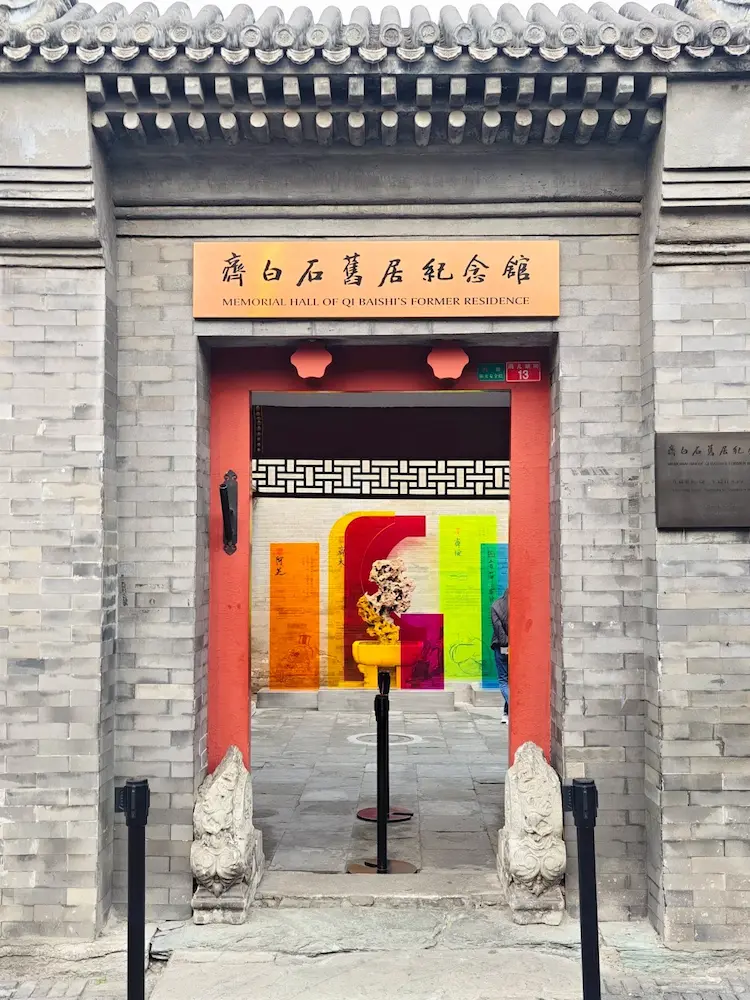
Inside the museum, visitors can appreciate the distinctive features of Qi Baishi’s painting style. After settling in Beijing in 1919, he developed a unique approach known as the “Red Flowers and Black Leaves” school. Simply put, he painted flowers in vivid reds and leaves in deep black ink.
The stark color contrast radiates vitality and energy. Many of his subjects—shrimp, Chinese cabbage, lotus flowers—draw instantly recognizable, beloved imagery from daily life.
Visitor Tip: If you only have 30 minutes, Qi Baishi’s Former Residence is the most worthwhile stop on Yuer Hutong. Rather than treating it as just another famous person’s former home, take a moment to appreciate the spatial layout of the siheyuan itself, and use the exhibition to learn about Qi Baishi’s life and art in Beijing.
Other Notable Residents of the Hutong
This compact alleyway has also been home to numerous historical figures:
- During the Republic of China era, socialite Dong Shuping resided at No. 11-15 (Dong Family Compound).
- During the Qing Dynasty, the annual banner office managing Manchu affairs was located on the north side of the alley.
- Marshal Su Yu and Marshal Luo Ronghuan, founding generals of New China, once resided at courtyards 33 and 31, respectively.
Today’s Yu’er Hutong
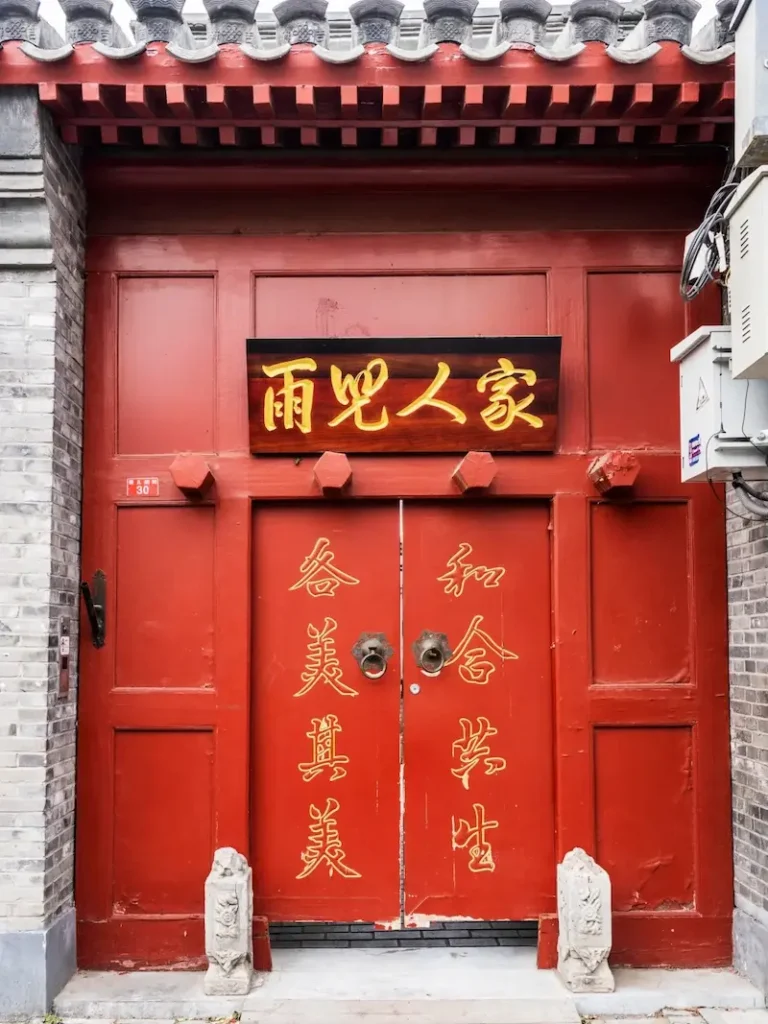
Now, courtyard 30 has transformed into an intriguing public space called “Yu’er Renjia.”Renovated from vacated residences, it serves as a community living room where locals gather for meetings, chats, and shared activities, keeping this ancient alley vibrant with life.
⭐Visiting Yu’er Hutong for the First Time? Don’t Miss These 4 Highlights
1. Qi Baishi’s Former Residence: The most important historical attraction in Yu’er Hutong—a Qing Dynasty siheyuan courtyard and an exhibition of Qi Baishi’s art.
2. Old Doorsteps: Architectural details preserved from the old hutong, perfect for taking photos and exploring.
3. Historic Hutong Siheyuan: Don’t just look at the sightseeing signs—the residential courtyards preserved on both sides capture the hutong’s authentic character.
4. The Old Course of the Yu River: Be sure to walk all the way to the west end—it’s the highlight that wraps up the entire route.
Is Yuer Hutong Worth a Visit?
- If you’re already planning to visit Nanluoguxiang, I think it’s worth it.
- It’s not a standalone attraction that requires a special half-day trip; it fits best into your Nanluoguxiang itinerary.
- If you love old Beijing hutongs, siheyuan courtyards, and the history of modern and contemporary celebrities, and want to avoid the crowds on the commercial streets, Yuer Hutong offers a quiet respite during your Nanluoguxiang visit.
- If your travel schedule is tight and you only want to hit the main highlights, you can skip it.
Who is Yuer Hutong best suited for?
✅Ideal for:
- First-time visitors to Beijing planning to explore Nanluoguxiang
- Those who love the charm of old Beijing hutongs and siheyuan courtyards
- Those interested in Qi Baishi and Beijing’s modern and contemporary history
- Those who enjoy CityWalk and are looking for a quiet spot in a hutong
❌Best skipped by:
- Travelers with extremely tight schedules who prioritize visiting Beijing’s major landmarks
How to Explore Yu’er Hutong: A 30–45-Minute Walking Tour
How to Get There? (Super Clear)
- Subway: Take Line 8 to Nanluoguxiang Station and exit via Exit F.
- After exiting the station, walk into Nanluoguxiang. When you reach the middle of the alley, look for the “Yuer Hutong” sign and turn right.
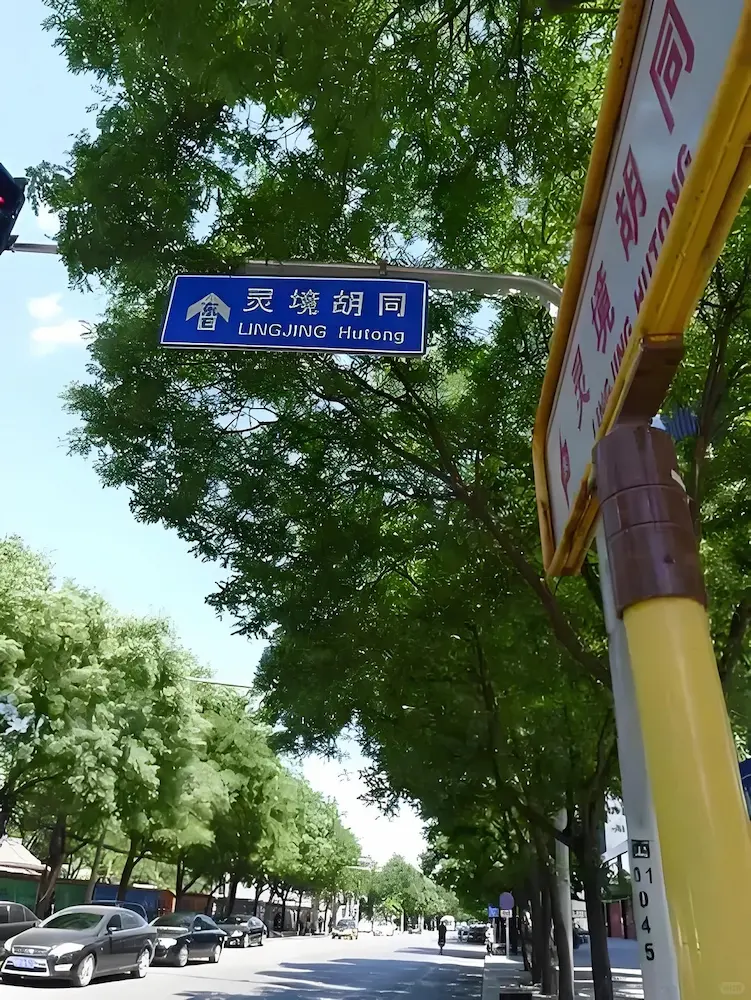
- If you’re already in the Nanluoguxiang neighborhood, there’s no need to go back to the subway station. Just look for the blue “Yuer Hutong” sign in the middle section of Nanluoguxiang and turn into the alley.
- Bus: Routes 107, 124, and 60
- Get off at the “Nanluoguxiang” stop, then walk into the alley for 3–5 minutes to arrive.
- Driving: Not recommended—there are no parking spots nearby, and the area is crowded.
30–45-Minute Step-by-Step Walking Route (No Backtracking)
Step 1|From the main street of Nanluoguxiang, find the entrance to Yuer Hutong and enter
Step 2|Visit the Qi Baishi Former Residence Memorial Hall
Step 3|Stroll through the hutong, admiring the details of the old siheyuan courtyards and traditional door sills on both sides
Step 4|Walk westward to the end of the hutong to reach the Old Yuhe River Course
Step 5|Take a walk along the Yuhe River and begin the next leg of your urban stroll
Best Walking Route (No Backtracking)
Main Street of Nanluoguxiang → Entrance to Yuer Hutong → Former Residence of Qi Baishi → Photo Spot at Old Doorsteps → Ancient Yu River Course → Exit Connection
The route is continuous and requires almost no backtracking, making it ideal to fit into your visit to Nanluoguxiang; however, there will still be tourists in the hutongs during holidays, so we cannot guarantee that they will be empty.
If you have 2–3 hours, here’s how you can extend your itinerary
- Short version (30–45 minutes): Visit only Yu’er Hutong and the Old Yuhe River Course
- Long version (2–3 hours): Nanluoguxiang → Yu’er Hutong → Qi Baishi’s Former Residence → Old Yuhe River Course → nearby former residences of famous figures, then return to Nanluoguxiang.
Tips to Avoid Pitfalls (Truly Useful)
The main street of Nanluoguxiang is highly commercialized. If you want to experience more authentic local dining, we recommend exploring the surrounding neighborhoods first rather than limiting yourself to the main street.
ℹAs of 2026, admission to the Yu’er Hutong neighborhood is free, with no fees charged; admission to the Qi Baishi Former Residence Memorial Hall is free and does not require a reservation. Please check the opening announcements before visiting.
Ignore the “tour guides” at the entrance—it’s most enjoyable to explore at your own pace.
You can walk the entire route; no need to take a taxi.
Best Time to Visit?
Dusk: 4:30–6:00 PM
Time Suggestions: If you’re just looking for a quiet stroll, the morning is also a great time; if you’re aiming for the best photos, the light around sunset is ideal for photographing buildings and doorposts.
Travel Tip
If you’re planning a half-day itinerary in Nanluoguxiang, we recommend visiting Yu’er Hutong after exploring the main street of Nanluoguxiang. Enter Yu’er Hutong from Nanluoguxiang, tour Qi Baishi’s former residence, and walk westward to the Old Course of the Yu River.
This way, you can experience both the bustling atmosphere of Nanluoguxiang and enjoy a quiet stroll through the hutongs. The entire route takes 30–45 minutes to complete, weaving together historic siheyuan courtyards, stories of famous figures, and the scenic views of the Yuhe River.